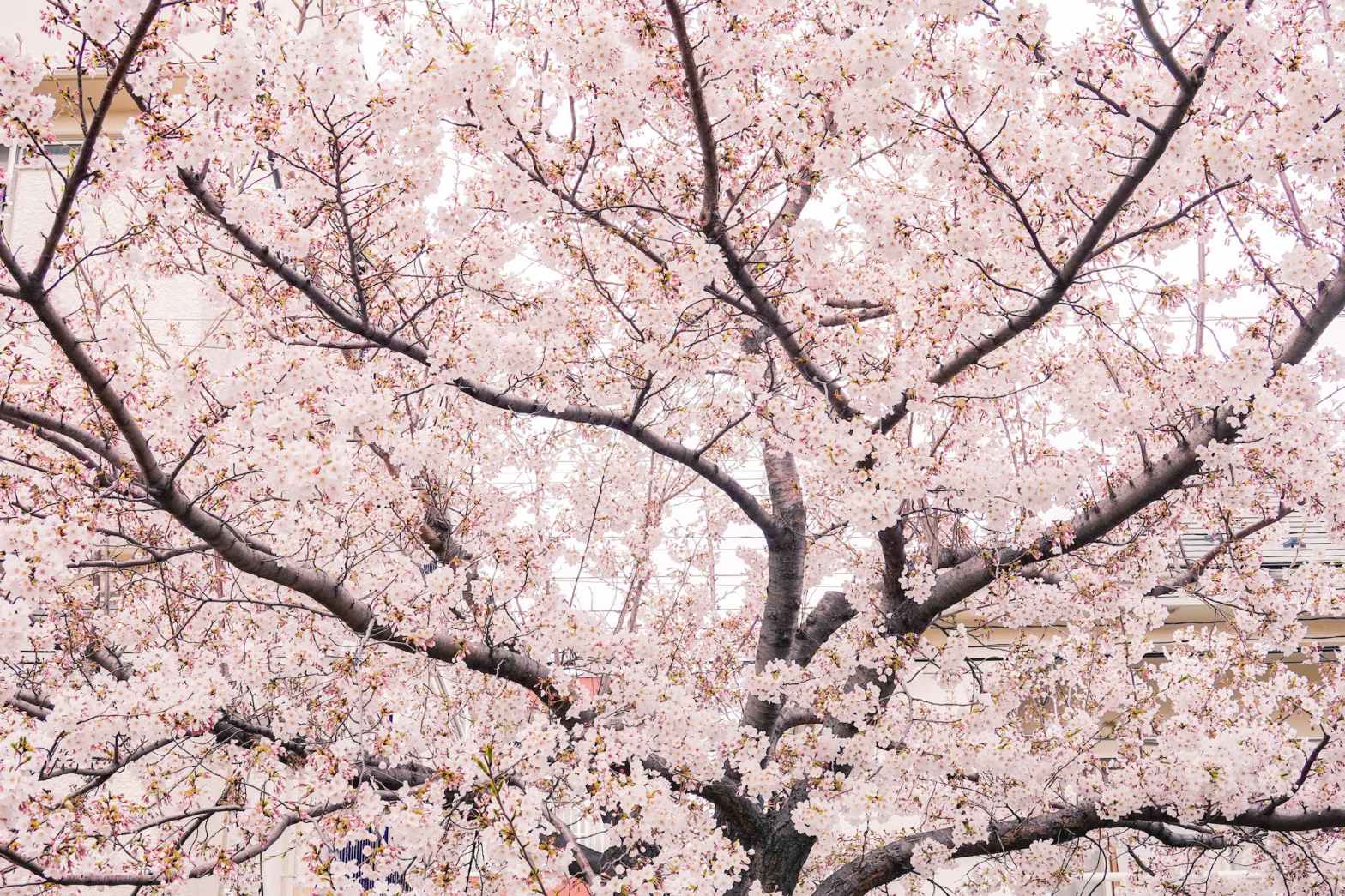
Vacanze di Pasqua a casa? Non preoccuparti e prova queste 10 idee per divertirti lo stesso

Andare in vacanza é molto importante per la salute fisica e mentale. Dovresti pensare a prendere dei periodi di riposo anche senza dover viaggiare. Le vacanze sono un periodo di tempo del quale abbiamo bisogno, ne abbiamo bisogno come dormire, mangiare, bere. Se vogliamo restare in buona salute dobbiamo prenderci delle ferie.

Perció se questa Pasqua sei rimasto a casa, non é detto che sia un male.

Se é vero che weekend non è abbastanza lungo per poter ricaricare completamente le batterie, Pasqua offre un giorno festivo in piú. Quindi potrai staccare dal lavoro un po’ più a lungo.

Approfitta di questo giorno di riposo per passare un po’ di tempo a casa, perché la cosa principale è che tu possa riposare e mettere da parte le preoccupazioni quotidiane.

Scegli cosa fare, con chi e quando farlo. Non a tutti piace viaggiare. Ad alcuni piace avere il tempo per leggere di più, fare più attività fisica, passare del tempo all’aperto. Ad altri piace fare delle piccole escursioni, senza allontanarsi troppo da casa.

Prova a seguire questi consigli durante questo lungo weekend di Pasqua:

  1. Non leggere le email professionali;
  2. Riduci al minimo i compiti casalinghi;
  3. Stabilisci delle regole e dei tempi per stare al computer o alla televisione (sia per te che i tuoi figli, se ne hai);
  4. Cerca dei posti nuovi da scoprire nelle vicinanze della tua abitazione;
  5. Passa del tempo in mezzo alla natura perché la natura è fonte di energia;
  6. Fai una lista di quello che faresti in vacanza normalmente, e prova a farlo anche se non sei partito;
  7. Organizza con amici una maratona di film e discuti con loro per scoprire quelli che vi sono piaciuti di più;
  8. La stessa cosa la puoi fare con un libro. Tu e i tuoi amici scegliete un libro da leggere poi vi ritrovate per commentarlo, magari mangiando qualcosa insieme;
  9. Perché non cominciare quel hobby a cui pensi da tanto tempo?
  10. Ma soprattutto, visto che é Pasqua compra della cioccolata (quale momento migliore?), mangiarla sará un toccasana per le tue giornate, anche quando tornerai al lavoro dopo questa breve pausa pasquale.

Allora cosa hai deciso di fare oggi?

Sharing the Little Good Things

The publication on Facebook or other Social Media provokes a contagious phenomenon. Both positive or negative news generate a reaction from the followers. That’s why I think that sharing little good things would bring positivity to your life.

I rarely publish negative things on Facebook, with the exception of some situations that happen in big cities, like a poor waste collection. I definitely prefer to publish positive news because I think that generally speaking the media report mainly about bad news. I am convinced that both positive and negative things happen in the world. Honestly, I think that more good things happen and that they are worth sharing. By sharing good things, you will help the world be a better place as positive energy will spread all over around you. Bad news attracts the attention of the public because of their morbidity but they only contribute to the creation of a spiral of negativity.

Social Crisis

It is true that our society has been in crisis for many years now and that politics does not offer adequate solutions to problems that are increasingly complex. There are too many homeless people, salaries are low and life is expensive. But despite this I am sure that life reserves us moments of joy that we should not hide, rather we should celebrate!

I am happy about my life overall. Of course, the environment that surrounds me is not ideal; sometimes things do not go as they should; I see injustices, I have my intolerance and suffering, but I don’t let myself be involved in this negative spiral. If I think about the life that our grandparents used to live, then there is nothing else to do than rejoice. We have food every day, running water, electricity and heating in our homes. In Maslow’s hierarchy of needs we surely passed the first two levels. What if you were a woman born in Afghanistan and had to wear the burka? Or if you were born in a country at war? Or if you were forced to pay a fortune to heal yourself?

Therefore, do not hesitate to share your moments of joy, your successes, small or big, because this will spread and create positivity all around you. Of course, not every day will be spring, but I’m sure you can always find a small good thing to share.

This does not mean that you should not try to improve yourself, but it does mean that your personal development would be easier if you looked at the glass half full instead of the glass half empty.

So, are you ready for positivity? Let me know!

Perché condividere le buone piccole cose fa bene alla vita

Penso che la pubblicazione degli stati emotivi sia positivi che negativi su Facebook o su altri social generi un effetto contagio sui followers che le vedono. Ecco perché penso che condividere le buone piccole cose faccia bene alla vita.

Io raramente pubblico cose negative sui social, e quando lo faccio é per denunciare certe situazioni di degrado, come ad esempio la mancata raccolta dei rifiuti nella mia cittá, Bruxelles. Preferisco pubblicare cose positive perché penso che i media presentino già troppe notizie negative, e sono convinta che nel mondo succedano anche e soprattutto cose buone e positive che si possono condividere. Penso anche che se parlassimo di più delle cose belle che accadono, il mondo andrebbe un po’ meglio perché si diffonderebbe più energia positiva. Le cattive notizie attraggono l’attenzione del pubblico per via della loro morbosità ma non fanno altro che creare una spirale di negatività.

Crisi sociale

È vero che la nostra società è in crisi da molti anni ormai e che la politica non offre soluzioni adeguate ai problemi che sono sempre più complessi. Ci sono troppi senzatetto, gli stipendi sono bassi e la vita costa cara. Per non parlare delle violenza e delle guerre in giro per il mondo. Ma nonostante questo sono sicura che la vita ci riservi dei momenti di gioia che non dovremmo nascondere, anzi dovremmo celebrare!

Io sono contenta della mia vita complessivamente. Certo, la realtà e l’ambiente che mi circonda non è ideale, a volte non va tutto come dovrebbe andare, vedo delle ingiustizie, ho le mie insofferenze e sofferenze, ma non per questo mi lascio avvolgere dalla spirale negativa. Se poi penso alla vita che conducevano i nostri nonni, bè allora non c’è che da rallegrarsi. Abbiamo acqua corrente, elettricità e riscaldamento nelle nostre case, cibo tutti i giorni. Nella piramide dei bisogni di Maslow abbiamo sicuramente superato i primi due livelli. Pensa se fossi una donna nata in Afghanistan e dovessi girare con il burka? O in un paese in guerra? O se fossi costretta/o a pagare una fortuna per curarti?

Quindi, non esitare a condividere i tuoi momenti di gioia, i tuoi successi, piccoli o grandi che siano perché questo si propagherà e creerà positività. Certo, non sarà sempre primavera, ma sono sicura che potrai trovare tutti i giorni una piccola cosa buona da condividere.

Questo non significa che devi smettere di migliorarti e di creare delle condizioni di vita piú appaganti e gradevoli, ma significa che la tua crescita sarebbe più facile se guardassi il bicchiere mezzo pieno anziché il bicchiere mezzo vuoto.

Allora, sei pronta/o a cominciare condividere le buone piccole cose che ti succedono? Fammelo sapere,!

Hanami, a Japanese tradition also known as cherry blossom contemplation

In the shade of cherry blossoms, there are no more strangers.

Kobayashi Issa, Poet

Have you ever heard of the beautifully simple Japanese tradition of Hanami, also known as “flower contemplation”, better known as “cherry blossom contemplation”? It is an ancient practice of contemplating the flowers.

Life is beautiful yet fleeting. This is the feeling behind the Japanese celebration of Hanami. Every spring, friends and families gather to organize picnics and parties under the beautiful cherry blossoms. Otherwise known as Sakura, the flowers appear for a very short period between March and May, embellishing the Japanese landscape with their delicately fragrant presence.

Sakura bloom for only two weeks before the wind spreads them in nature, so the flowers symbolize the beauty and ephemerality of life. As we admire these beautiful flowers, we remind ourselves that every moment is a gift and should be celebrated as such. In this way, we learn to let our lives flourish and to appreciate every moment of joy, love and wonder that the wind brings us.

“Sa”, which means “god” (神), refers to the god of the rice fields. “Kura” represents the stand used to honor a god with offerings of food and saké.

THE HISTORY OF SAKURA

The Hanami tradition is centuries old, with references dating back between 710 and 794, and it is inspired by the Chinese custom of admiring plum blossoms. Sakura were worshipped as gods in Japan, and when the cherry blossoms bloomed, it was a sign that the god had come down from the mountain and it was time to plant rice. Emperor Saga (Heian period from 794 to 1185) was the first to throw a real party on that occasion – with food, drink, music, and poems – after having admired a cherry tree at Jishu Shrine located in Kiyomizu Temple.

HANAMI IN MODERN TIMES

This activity is so popular – and has been for so long – that the Japan Meteorological Agency is even involved in forecasting tree blooms. Cherry blossom contemplation is one of the best experiences in Japan, but it can also be practiced in many other countries. There are famous cherry blossom parks in the United States, Canada, South Korea, Brazil, Europe, Taiwan and China.

ABOUT CHERRY BLOSSOMS

  • There are nine types of cherry trees in Japan and more than 100 varieties according to the Japan Cherry Blossom Association.
  • In addition, there are 200 other cultivated varieties.
  • Their colors range from white to dark pink, and the size and number of petals can also vary.
  • Some trees can reach up to 20 meters tall.
  • A tree can also be a national monument. The Miharu Takizakura in Miharu City is believed to be more than a thousand years old and 13.5 meters high and about 25 meters wide.

Do you like this flowers’ contemplation tradition?

Perché la tradizione giapponese dell’Hanami é allo stesso tempo meravigliosa e straordinaria

All’ombra dei fiori di ciliegio, non ci sono più estranei.

Kobayashu Issa, Poeta

Hai mai sentito parlare della tradizione giapponese meravigliosamente semplice di Hanami, nota anche come “contemplazione dei fiori” o più precisamente “contemplazione dei fiori di ciliegio”?

La vita è bella, ma fugace: questo è il sentimento dietro la celebrazione giapponese di Hanami. Ogni primavera, amici e parenti si riuniscono per organizzare picnic e feste sotto i bellissimi fiori di ciliegio. Altrimenti noti come Sakura, i fiori compaiono per un brevissimo periodo tra marzo e maggio, impreziosendo il paesaggio con la loro presenza delicatamente profumata.

Sakura fiorisce solo per due settimane prima che il vento li sparga nella natura; è per questo che per i giapponesi i fiori di ciliegio simboleggiano la bellezza e l’effimero della vita.

Mentre ammiriamo questi bellissimi fiori, ricordiamo a noi stessi che ogni momento è un dono e dovrebbe essere celebrato come tale. In questo modo, impariamo a far fiorire la nostra vita e ad apprezzare ogni momento di gioia, amore e meraviglia che il vento ci porta.

“Sa”, che significa “dio” (神), si riferisce in particolare al dio delle risaie. “Kura” rappresenta il piedistallo usato per onorare un dio con offerte di cibo e sakè.

LA STORIA DI SAKURA

La tradizione Hanami risale a secoli fa, con riferimenti risalenti tra il 710 e il 794 (periodo Nara), e si ispira all’usanza cinese di ammirare i fiori di pruno. I Sakura erano adorati come dei in Giappone, e quando i fiori di ciliegio sbocciavano, era un segno che il dio era sceso dalla montagna ed era tempo di piantare il riso. L’imperatore Saga (periodo Heian dal 794 al 1185) fu il primo a organizzare una vera festa in questa occasione – con cibo, bevande, musica e poesie – dopo aver ammirato un ciliegio al Santuario Jishu situato nel Tempio Kiyomizu.

HANAMI NEI TEMPI MODERNI

Questa attività è così popolare – e lo è stata per così tanto tempo – che l’Agenzia meteorologica giapponese è persino coinvolta nella previsione delle fioriture degli alberi. La contemplazione dei fiori di ciliegio è una delle piú belle tradizioni in Giappone, ma é praticata anche in molti altri paesi. Ci sono infatti famosi parchi di ciliegio negli Stati Uniti, Canada, Corea del Sud, Brasile, Europa, Taiwan e Cina.

A PROPOSITO DI FIORI DI CILIEGIO
  • Ci sono nove tipi di ciliegi in Giappone e più di cento varietà secondo la Japan Cherry Blossom Association.
  • Inoltre, ci sono anche 200 varietà coltivate.
  • I loro colori vanno dal bianco al rosa scuro e anche la dimensione e il numero di petali possono variare.
  • Alcuni alberi possono raggiungere fino a 20 metri di altezza.

Un albero può anche essere un monumento nazionale. Si ritiene che il Miharu Takizakura nella città di Miharu, nella prefettura di Fukushima, abbia più di mille anni.

Cosa ne pensi di questa tradizione?

Do You Know Why Storks Are Said to Bring Children?

Late February, early March, in Europe, storks are back on the chimneys! This year again, they will bring beautiful babies into homes…

Finally, this is what children are told, because no one believes in this cute legend. But by the way, where does it come from?

Weddings are often held in early summer, in June-July. And in earlier times, almost elsewhere, children were often conceived immediately after the wedding, especially because there was no effective means of contraception. After 9 months of pregnancy, a peak of births happened around March, precisely when the storks returned from their winter migration!

That’s where this little story comes from, the observable link between births and the return of storks. It is a correlation, namely a statistical relationship between two phenomena. But that doesn’t mean one is caused by the other. That’s causality, and we must not confuse correlation and causality as the legend does!

In economics, for example, looking at a graph, one might think that the more mobile phones a country is equipped with, the less infant mortality there is. The two elements are correlated, that’s for sure, but the real cause of the link lies elsewhere: the country concerned is rich enough to have good maternity wards and a population that can afford mobile phones.

Between storks and births, it’s the same thing. Causality is simply the calendar, which makes the reproductive habits of humans coincide with the migration of storks. This cute legend thus originates from an error of reasoning of which we are all victims and that we call the stork effect!

Did you know this little story about storks?

How to Free Yourself from the Negative Energy of Others and Be Happy

If you want to be happy or happy again, here are five tips you should remember and use whenever you are surrounded by people spreading negative energy.

1. Find the source – If you want to protect yourself from negative energy, I would suggest you first locate the cause. Don’t be afraid to confront it then. In the end, you will be able to free yourself from all negative influences.

2. Focus on the positive – If you focus on a certain positive thought to help you eliminate negative energy, rather than focusing on the unpleasant things, you will be able to tune into the positive energy and use it to your advantage.

3. You have the power to find the right solution – No matter what happens in your life, you will always be able to improve things. Believe in your potential and power to become happy and satisfied with your life. This way, you will understand that you are not a helpless victim.

4. Meeting positive people – The best way to avoid negativity is to meet positive people. It’s important that you have a friend who can support you, be there for you, and help you with life’s tough challenges. If you don’t want to go out, you can always suggest other ideas.

5. Negative energy isn’t always addressed to you – You might think that all negativity is targeting you directly. But this is not true. Negative energy is more about the emotional condition of others. In other words, it doesn’t depend on you and it is not always addressed to you.

Do you have other strategies to free yourself from negativity?

5 modi per evitare l’energia negativa degli altri ed essere felice

Se vuoi essere felice, ecco le cose che devi ricordare ogni volta che sei circondato da persone che diffondono energia negativa.

1.Trova la fonte

Se vuoi proteggerti da tutta l’energia negativa, ti suggerirei di localizzare la causa. Non aver paura di confrontarti con questa persona o con un ambiente che senti come negativo, perche solo questo confronto ti consentirá di liberarti da tutte le influenze negative.

2. Concentrati sul positivo

Se ti concentri su una certa idea positiva per aiutarti a eliminare l’energia negativa, piuttosto che concentrarti sulle cose spiacevoli, sarai in grado di sintonizzarti con l’energia positiva e usarla a tuo vantaggio.

3. Puoi trovare la soluzione giusta

Non importa cosa succede nella tua vita, sarai sempre in grado di migliorare le cose. Credi nel tuo potenziale e nella possibilitá di diventare felice ed essere soddisfatto della tua vita. In questo modo, capirai che non sei una vittima indifesa.

4. Incontra persone positive

Il modo migliore per evitare la negatività è circondarsi di persone positive. È importante che tu abbia un amico o un’amica che possa sostenerti, essere lì per te e aiutarti nelle difficili sfide della vita. Se non vuoi uscire, puoi sempre proporre altre idee.

5. L’energia negativa non è sempre indirizzata a te

Potresti pensare che tutta questa negatività ti stia prendendo di mira direttamente. Ma questo non è vero. La negatività riguarda più il bagaglio emotivo degli altri. In altre parole, non ha nulla a che fare con te e la tua autostima. Se una persona é negativa non dipende da te e la persona o la situazione negativa che ti sta capitando non l’hai ne voluta né causata tu.

Hai delle strategie per tenere lontano da te la negativitá?

You Are an Agile Person If You Are Adaptive, Proactive, and Resilient

You are agile if you can manage yourself and you have three main attributes: adaptability, proactivity and resilience. 

Indeed, according to the article Networking, Adaptability And Resilience As Some Of Agility Dimensions, the profile of an agile person is someone who is:

1. Adaptive – able to adjust to different organisational conditions (new equipment, new ways of working, projects, teams);

2. Proactive – able to respond promptly and to look for opportunities in the changed environment, and

3. Resilient – able to cope under changing or unknown conditions or when facing difficulty or failure.

 How does one develop personal agility? Adopting these behaviours can help:

1. Expect change to happen

2. Embrace ambiguity

3. Learn to reframe your thoughts 

4. Accept failure and learn from mistakes

5. Be curious

6. Develop a can-do attitude

7. Distinguish between two main groups of stressors: those that are out of your control and those that you can confront

Being agile does not mean saying ‘yes’ to everything. On the contrary, while this may be a self-management concept, whether one is agile or not will be influenced by the organizational context. 

Nevertheless, there is plenty we can do to develop agility. But above all, try to adopt an agile mindset, like the one of children.

What do you think about the agile concept? Let me know!