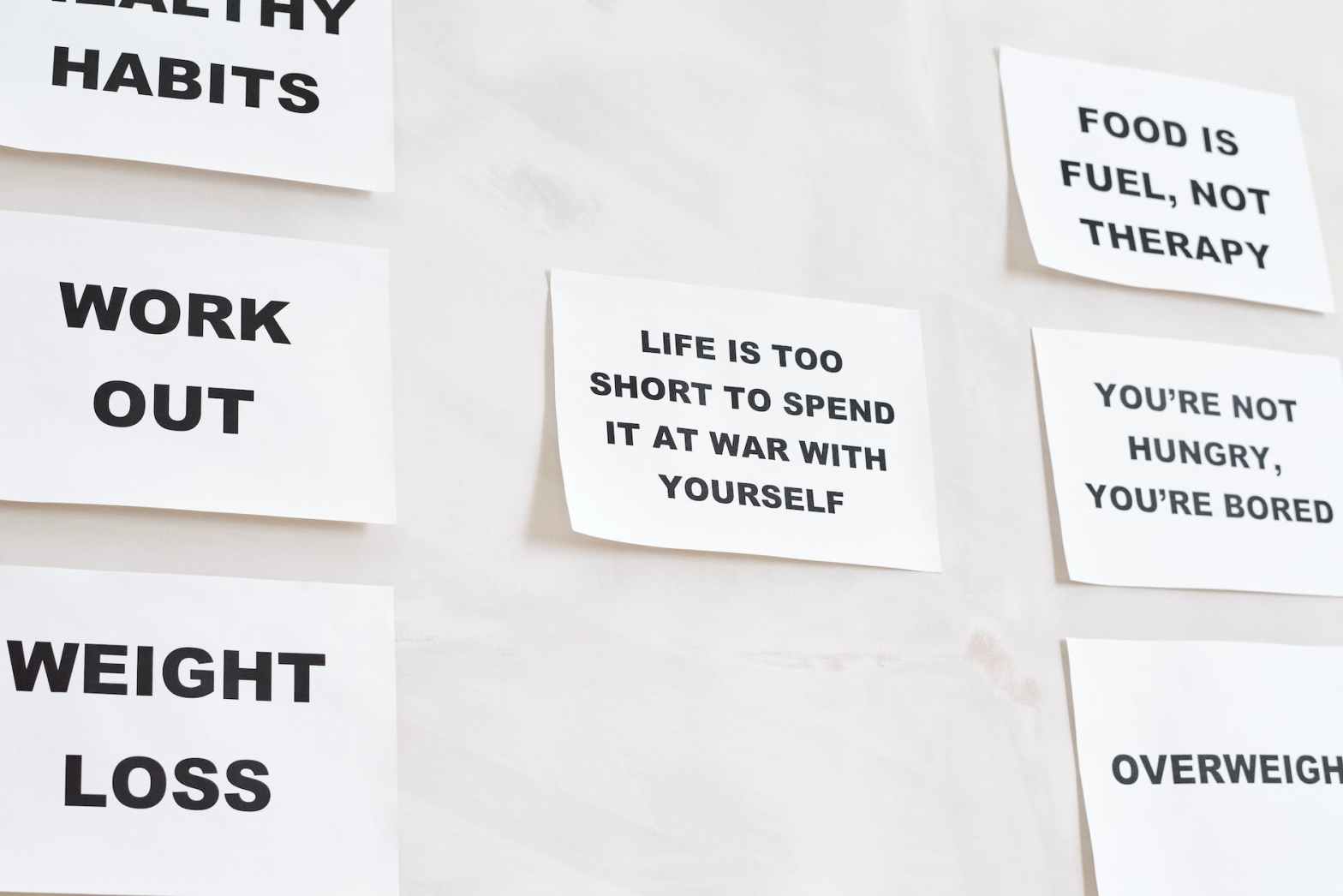
Cosa significa davvero essere felici e perché dovresti accettare di essere infelice

Dopo aver letto tanto sulla felicità, ho scoperto che si deve anche imparare a gestire l’infelicità. Cosa significa davvero essere felici?

Alcuni ricercatori affermano che il significato della felicità risiede nel definire la propria qualità di vita e nel cercare continui modi per migliorarla. Altri ricercatori affermano che tutti noi abbiamo uno scopo sociale per il quale vivere, che ci rende felici e che è la nostra missione sulla terra.

Se tieni un diario, per esempio, sei in grado di valutare le attività che ti rendono felice e paragonarle con quelle che invece ti rendono triste. In questo modo puoi scegliere. Puoi anche paragonare le tue attività con quelle degli altri per vedere quello che rende felice gli altri e trarne ispirazione. Questo non significa che devi paragonarti agli altri: tu sei unico e molto spesso non conosci nemmeno tanto bene quelle persone.

Inoltre, non c’è un’unica ricetta per essere felici. Non tutti sono felici se praticano la meditazione o lo sport, per esempio. Ci sono tuttavia fattori che influenzano la nostra felicità: ottime relazioni interpersonali, un lavoro gratificante, un buon equilibrio tra vita lavorativa e vita privata, un partner fantastico e buona salute. Si possono incontrare comunque persone che non sono felici nonostante abbiano un buon lavoro e vadano d’accordo con il proprio partner.

D’altro lato, ci sono anche ricercatori che dicono che non è importante mirare alla felicità in quanto tale, ma si dovrebbe imparare ad essere infelici, accettando che nella vita ci possano essere momenti di infelicità.

Alcuni scienziati vedono con occhio critico la tendenza attuale ad essere sempre positivi. Evitare situazioni di stress, dolore, tristezza non è una soluzione. Non si può ignorare di essere infelici, bisogna accettare questo stato per quello che è. Puoi anche condividere le tue sensazioni e le tue emozioni con gli altri, ti aiuterà a creare e rafforzare le tue relazioni. Quando sei preoccupato e sai che qualcuno può ascoltarti, potresti sentirti meglio dopo aver condiviso il tuo stress e disagio.

Uno degli obiettivi della vita, non è vivere insieme? In effetti, le persone che fingono di essere sempre felici finiscono per essere sole, isolate e ovviamente infelici. Questo suona come un paradosso ma se provi ad accettare la tua infelicità come un momento della vita che scomparirà prima o poi, sarai più contento.

La cosa più importante è essere felici della propria vita, riconoscendo e accettando gli alti e bassi che ne fanno parte: c’est la vie.

Tu pensi di essere una persona felice?

Why Eating Well Will Let You Spend Fully Resting Nights

It’s well-known that what we eat influences the quality of our sleep. It is even more important to eat well in the evening, because we go to sleep afterwards. Eating out a hamburger with friends coming out from work, eating a whole tablet of chocolate in front of the television, or eating too much on coming back late from work, are not good habits. 

Why don’t we sleep well after having eaten late in the evening, or having eaten a lot or to having eaten a fat or sweet food? Which are the effects on health and on wellbeing if you sleep badly? Which are the recommendations in order to sleep well and wake up completely restored?

Let’s see.

Why you shouldn’t eat late
  1. The body accumulates more fat. Recent studies have compared people eating late in the evening some food and people eating earlier the same kind of food. The former show more fat in their blood test.
  2. This also represents a cardio-vascular risk for those people who would eat just before going to bed and after 10 p.m..
  3. You may have some cramps or refluxes because of the lying down position in bed and therefore you may not sleep.
  4. A bad digestion may wake you up during the night and therefore it may alter the quality of your sleep.

When you don’t sleep well, the whole body will suffer and you may become nervous, be in a bad mood and may not be able to focus well. Besides, sleep also regulates our hormonal balance. The hunger hormone (the ghrelin) and the satiety hormone (the leptin) are produced while sleeping. If you don’t sleep well or don’t sleep enough, the two hormones are unbalanced: more ghrelin than leptin is produced. Then, you will be prone to eating more to compensate for the lack of sleep or the bad sleep. You will eat more and sleep worse, in short you will find yourself in a vicious circle.

The stress hormone (cortisol) and the sleeping hormone (melatonin) are also regulated by sleep. If they get unbalanced, the whole quality of your life will suffer.

Finally, the hemoglobin becomes rarer. This antibody protects the organism against bacteria, viruses and some toxins, therefore it is needed for a good immunity. As it is also produced during the sleep, you may become more vulnerable if you don’t sleep well. That’s why fatigue or stress can provoke illnesses.

In the long term, irregular sleep or lack of sleep will increase the risk of depression, obesity, cardiac illnesses and diabetes. It is therefore fundamental to sleep well and also try to pay attention to what you eat in the evening.

Try to privilege some foods rich in tryptophan and vitamin B2, because they make sleeping easier. The tryptophan, needed to produce the melatonin (the sleeping hormone) can be found in bananas, tuna, chickpeas, dates and milk. The vitamin B2, that also makes sleeping easier, can be found in all dairy products (milk, yoghurt, cheese), green beans, tomatoes, mushrooms and in asparagus.


Recommendations for a healthy evening meal:
  1. eating at least three hours before going to bed;
  2. eating slowly, without stress;
  3. eating up to when you start feeling full, not more;
  4. eating with moderation food as pasta, potatoes, cheese;
  5. avoiding sauces, excessively salty or excessively sweet food;
  6. avoiding alcoholic and energising drinks and other stimulants like caffeine;
  7. it would be better to avoid smoking too;
  8. sugar gives immediately available energy, therefore avoid also sweet drinks, sweets in general, above all if you would eat them in front of the television.
Do you feel hungry before going to bed?

Someone said that it would be better going to bed being a bit hungry, also your shape would benefit. But if you cannot really make it, then eat a light yoghurt with no sugar, some walnuts, drink some warm milk or an herbal infusion. The good old chamomile is an excellent option too.

Ready for this challenge?

Perché si dorme peggio dopo aver mangiato male e tardi la sera

È risaputo che la nostra alimentazione influisce sulla qualità del nostro sonno. Ma è ancora più importante mangiare bene la sera, perché dopo si va a dormire. Fermarsi a mangiare un hamburger con gli amici rientrando dal lavoro, mangiare un’intera tavoletta di cioccolata davanti alla televisione, o abbuffarsi quando si rientra tardi dal lavoro non sono delle buone abitudini. Dopo aver mangiato tardi la sera, o aver consumato un pasto abbondante, grasso o dolce, generalmente si dorme male.

Vediamo quali sono gli effetti sulla salute e sul benessere se si dorme male e quali sono le raccomandazioni da seguire per dormire bene e svegliarsi riposati

Perché mangiare tardi non fa bene?

Il corpo incamera più grassi. Studi recenti confermano che mangiando la stessa cosa ad orari differenti, le persone che hanno mangiato più tardi si ritrovano con più grassi nelle analisi del sangue.

Questo rappresenta anche un rischio cardio-vascolare per coloro che mangiano poco prima di andare a letto e dopo le 22.

Si possono avere dei crampi o il reflusso a causa della posizione allungata e quindi non si riesce a dormire.

Una cattiva digestione ci può far svegliare durante la notte e quindi alterare la qualità del nostro sonno.

Quando non si dorme bene, il corpo intero ne risente e diventiamo nervosi, siamo di cattivo umore e non riusciamo a concentrarci bene. Inoltre, il sonno regola anche il nostro equilibrio ormonale. L’ormone della fame (la grelina) e l’ormone della sazietà (la leptina) vengono prodotti durante il sonno. Se non si dorme bene o non si dorme a sufficienza, i due ormoni si sbilanciano: si produce più grelina e meno leptina. Quindi, si avrà la tendenza a mangiare di più per compensare la mancanza di sonno o il cattivo sonno. Dunque, si mangerà di più e si dormirà peggio, insomma si innesca un circolo vizioso.

L’ormone dello stress (il cortisolo) e l’ormone del sonno (la melatonina) sono anch’essi regolati dal sonno. Se viene prodotto più cortisolo o meno melatonina, sarà tutta la qualità della nostra vita a risentirne.

Infine, l’emoglobina diventa più rara. Questo anticorpo protegge l’organismo contro i batteri, i virus e alcune tossine, perciò è necessario per una buona immunità.  Siccome è prodotta anch’essa durante il sonno, diventiamo più vulnerabili se non dormiamo bene. Ecco perché la fatica o lo stress possono provocare malattie.

Nel lungo termine, il cattivo sonno (sonno irregolare o mancanza di sonno) aumenta il rischio di depressione, d’obesità, di malattie cardiache e di diabete. È perciò fondamentale dormire bene e cercare anche di fare attenzione a ciò che si mangia la sera.

10 raccomandazioni per un sano pasto serale:
  1. mangia almeno tre ore prima di andare a letto;
  2. mangia con calma e lentamente, senza stress;
  3. mangia fino a quando cominci sentirti sazio, non di più;
  4. mangia con moderazione alimenti come pasta, patate, formaggio;
  5. evita le salse, i cibi eccessivamente salati o eccessivamente dolci;
  6. evita bevande alcoliche ed energizzanti e altri eccitanti come la caffeina e la teina;
  7. sarebbe meglio anche evitare di fumare;
  8. gli zuccheri danno molta energia disponibile subito, quindi dovresti evitare i dolci in generale, soprattutto se mangiati davanti alla televisione, e anche le bevande dolci e gassate;
  9. privilegia gli alimenti ricchi di triptofano, perché favorisce il sonno. Il triptofano é, infatti, necessario per produrre la melatonina e si trova nelle banane, nel tonno, nei ceci, nei datteri e nel latte;
  10. anche la vitamina B2 favorisce il sonno. Si trova in tutti i prodotti lattieri (latte, yoghurt, formaggi), nei fagiolini, nei pomodori, nei funghi e negli asparagi.
Senti un po’ fame prima di andare a letto?

C’è chi dice che sarebbe meglio andare a dormire con un po’ di fame, anche la tua linea ne gioverebbe. Se però non ce la fai proprio, allora mangia uno yoghurt magro senza zucchero, oppure qualche noce, o preparati un latte caldo o una tisana di tiglio. La buona vecchia camomilla è un’eccellente opzione.

Pronto per questa sfida?

Why A Little Fat Is Beautiful

On Sundays, I usually go to Pilates. Last week, a lady I haven’t seen for a while approached me and started to talk, explaining to me why she has not come for the last month. Her story begins by saying that she is not fat enough. It doesn’t seem to me, she is not fat, that’s true, but never before have I heard of someone complaining of being too thin, usually it’s the other way, people complain because they are too fat.

Then she starts telling me her problem. Because of her thinness, the bones pierce the skin and come out. Her coccyx has just healed and she suffered tremendous pain. I am speechless, then the Pilates class kicks off and she stops talking.

I begin to reflect on my two extra pounds, on the fact that I wanted to have a session of cryolipolysis, and on the fact that I do not like my body a little “round”. Then I think about the lady, her problem, and I tell myself that I think I will keep my two extra pounds. I started to do some research on the benefits of having a little extra fat, so to find a justification for keeping my two extra pounds (I have to find a good reason not to lose these two pounds, right?)

First of all, you need to know your BMI, Body Mass Index, and mine is okay, my weight is normal.

Once I have established that I am not overweight, I go on with the search to look for possible damages that an excessive thinness may cause.

First of all, the adipose tissue plays important functions, including the production of hormonal substances, such as leptin (the satiety hormone), which has a role, among other things, in the regulation of energy balance and fertility. The reduction of adipose tissue below 20% in women can lead to menstrual irregularities, for example.

Let’s see now other risks associated to an excessive thinness:

  1. Early menopause. It has been found that being overweight may trigger an early menopause.
  2. Osteoporosis. Even the bones can be compromised. Above all, elderly people can experience the fragility of the bones. A certain percentage of fat mass, or even better muscle mass, can act as a protection to the bones.
  3. An insufficient dietary intake causes the body to trigger a “saving” situation with various consequences on the hormones such as the reduction of the growth hormone, or the increase in blood sugar because insulin is reduced.
  4. Muscle strength. Reduction of muscle strength, weakness, anemia.
  5. Infections. Underweight is also associated with an increase in infections due to the lowering of immune defenses.

Watch out! I’m not telling you that you have to fatten excessively to become obese, because then you would have other problems, like cardiovascular diseases. What I am saying is that you do not have to lose weight excessively.

Calculate your BMI and try to keep it over time by eating healthy and regularly, not forgetting that doing the right amount of exercise is just as important.

These are the best things you can do for yourself.

Perché una persona un po’ grassa sta meglio di una eccessivamente magra

Alla lezione domenicale di Pilates, incontravo sempre una signora che per un po’ di tempo non si é fatta vedere. Quando finalmente si presenta di nuovo, mi si avvicina e mi racconta quello che le è successo, spiegandomi perché non è potuta venire nell’ultimo mese. Di base il suo problema era non essere appena un po’ piú grassa, bensí al contrario era troppo magra.

A me non sembrava eccessivamente magra, anche se effettivamente non era grassa, ma prima di lei non avevo mai sentito nessuno lamentarsi della propria magrezza, di solito è il contrario, ci si lamenta perché si è troppo grassi.

Poi comincia a spiegarmi il suo problema. A causa della sua magrezza, le ossa forano la pelle ed escono. Il coccige le si è appena cicatrizzato e ha patito un male infernale. Resto senza parole, poi inizia la lezione e smette di raccontarmi.

Comincio a riflettere sui miei due chili in più, sul fatto che volevo farmi una seduta di criolipolisi e sul fatto che non mi piace il mio corpo un po’ rotondo. Poi penso a questa signora, al suo problema, e mi dico che mi terrò i miei due chili in più. Così inizio a fare delle ricerche sui benefici di avere un po’ di grasso in più, e quindi trovare una giustificazione al mantenimento dei miei due chili (devo pur trovare un motivo scientificamente valido per non perdere questi due chili, no?)

Innanzitutto bisogna conoscere il proprio BMI, Body Mass Index o indice di massa corporea, e il mio va bene, sono normopeso.

Una volta stabilito che non sono sovrappeso, vado avanti nella ricerca per vedere i danni che può causare un’eccessiva magrezza.

Innanzitutto, il tessuto adiposo svolge funzioni importanti, compresa la produzione di sostanze ormonali, come la leptina (l’ormone della sazietà), che ha un ruolo, tra l’altro, nella regolazione del bilancio energetico e della fertilità. La riduzione del tessuto adiposo sotto il 20% nelle donne può portare ad esempio irregolarità mestruali.

Ecco altri rischi associati ad un’eccessiva magrezza:

  1. Menopausa precoce. È stato riscontrato che essere eccessivamente sottopeso può essere un fattore che incide sull’insorgenza di una menopausa precoce.
  2. Osteoporosi. Anche le ossa possono essere compromesse. Soprattutto gli anziani possono incorrere nella fragilità delle ossa. Una certa percentuale di massa grassa, o ancora meglio di massa muscolare, può fungere da protezione alle ossa, tenendole al riparo da eventuali fratture.
  3. Un apporto alimentare insufficiente fa sì che l’organismo inneschi una situazione di “risparmio” con diverse conseguenze ormonali come la riduzione dell’ormone della crescita, oppure l’aumento della glicemia perché si riduce l’insulina.
  4. Forza muscolare. Riduzione della forza muscolare, debolezza, anemia.
  5. Infezioni. Il sottopeso è associato anche ad un aumento delle infezioni a causa dell’abbassamento delle difese immunitarie.

Attenzione che non ti sto dicendo che devi ingrassare smisuratamente fino a diventare obesa, perché allora avresti altri problemi, innanzitutto quello cardio-vascolare, ma che non devi dimagrire eccessivamente.

Calcola il tuo BMI e cerca di mantenerlo nel tempo mangiando in modo sano e regolare, non dimenticando che fare esercizio fisico in giusta misura è altrettanto importante.

Queste sono le cose migliori che tu possa fare per te stessa.

Six Tips to Make Physical Activity (and Continue Doing it)

We hear from all sides that we need to do more sports, that we have to move at least half an hour or take at least 10,000 steps a day. We would need that especially if we sit all day long at a desk, because “sitting is the new smoking”. But if we already have super busy days, how do we engage in a physical or sport activity?

Let’s first clarify what physical activity may be. It could simply be a matter of moving regardless if you do housework or sport.

Therefore, you can consider the activities you do every day, such as climbing stairs, walking, cycling and house cleaning.

Here are six tips on how to fit some physical exercise into your schedule:

  1. Look at your agenda and find the best time for you to play sports or go to the gym. Write it down and you won’t forget it. After some time it will be part of your daily routine. And if you have a friend who comes with you, it is even better because you will be more motivated.
  2. Create a calendar of your activities. Take a calendar and write down the days you managed to achieve your goals in terms of minutes of physical activity. At the end of the month you will be able to see your progress and you will be more motivated and satisfied! The ideal time per week is 150 minutes of moderate activity. A moderate activity is an activity that allows you to talk to someone and that makes you sweat slightly. An example of this activity could be also walking out your dog.
  3. Distribution. Three to five times a week would be ideal. 30 minutes of daily activity would be even better. You can distribute activities throughout the day like this, for example:
    • 5 minutes to go to the subway or bus stop;
    • 5 minutes walking to your office by getting off one stop before;
    • 10 minutes at lunch break to walk around the neighborhood;
    • 5 minutes walking from your office to the subway or bus stop;
    • 5 minutes to your place by getting off one stop before your place.
  4. Find the activity you really like. If you haven’t found it yet, try some and you’ll find it soon. Jogging, boxing, dancing or swimming are just a few examples of activities you could practice.
  5. Put your guilty feelings aside. The long-term goal is to make physical exercise a habit. If one evening when you come back home from work you feel tired and you want to be at home alone or with your family, do it without feeling guilty. Relaxing is just as important as moving. Moreover, if you’ve already followed your daily distribution, you’re okay, you don’t need to add more activity.
  6. Strengthen your muscles. You don’t necessarily have to lift weights. A Pilates or yoga session will help you strengthen your abs, for example.

What do you think? Could you make it?

Sei consigli per fare attività fisica (e continuare a farla)

Tutti ci raccomandano di fare più attività fisica, di muoverci almeno mezz’ora o di camminare almeno 10.000 passi al giorno. Ma se abbiamo già giornate super piene, come troviamo il tempo per un’attività fisica o sportiva che sia?

Chiariamo innanzitutto che cosa si intende per attività fisica: si tratta semplicemente di mettersi in movimento, di alzarci dalla sedia su cui siamo costretti a stare almeno otto ore al giorno, perché “sitting is the new smoking”.

Quindi, poco importa se si tratta di eseguire lavori domestici o fare dello sport. Per muoversi basta svolgere un’attività che facciamo quotidianamente, come ad esempio, fare le scale, camminare, andare in bicicletta o fare le pulizie.

Ecco ora alcuni suggerimenti su come restare attivi.

  1. Guarda la tua agenda e individua il momento migliore per praticare sport. Scrivilo e non te ne dimenticherai. Dopo un po’ di tempo farà parte della tua routine quotidiana. Se poi qualcuno viene con te, é ancora meglio perché sarai più motivato.
  2. Crea un calendario delle tue attività. Prendi un calendario e scrivi i giorni che sei riuscito a raggiungere i tuoi obiettivi in termini di minuti d’attività fisica. Alla fine del mese potrai constatare i tuoi progressi e sarai più motivato e soddisfatto! Il tempo ideale per settimana é di 150 minuti d’attività moderata. Per attività moderata si intende un’attività che ci permette di parlare con qualcuno e che ci fa sudare leggermente. Un esempio di questa attività potrebbe essere anche portare a spasso il proprio cane.
  3. Distribuisci la tua attività. Da tre a cinque volta la settimana sarebbe ideale. 30 minuti d’attività quotidiana sarebbero ancora meglio. Puoi distribuire le attività durante tutta la giornata, così per esempio:
  • Cammina 10 minuti per andare in ufficio con un mezzo di trasporto pubblico salendo una fermata dopo o scendendo una fermata prima;
  • Passeggia 10 minuti nel quartiere dove lavori durante la pausa pranzo;
  • Cammina 10 minuti per rientrare a casa con il mezzo pubblico anche in questo caso salendo una fermata dopo o scendendo una fermata prima.

4. Trova l’attività che ti piace davvero. Se non l’hai ancora trovata, provane alcune e vedrai che prima o poi la trovi. Corsa, camminata nordica, crossfit, danza o nuoto sono solo alcuni esempi di attività che potresti praticare.

5. Metti da parte i sensi di colpa. L’obiettivo a lungo termine é quello di far diventare la tua attività un abitudine. Se una sera rientrando dal lavoro ti senti stanco e vuoi restare a casa solo o con la tua famiglia, fallo senza sentirti in colpa. Rilassarsi è altrettanto importante che fare movimento. In più se hai già seguito la distribuzione giornaliera della tua attività sei a posto, puoi prenderti una pausa.

6. Rinforza i tuoi muscoli. Non devi fare necessariamente sollevamento pesi. Una seduta di Pilates o di yoga ti aiuteranno a tonificare e rafforzare i tuoi addominali, ad esempio.

Allora, che dici, si può fare?

Being Too Attached to Your Pet Would Reflect a Psychological Disorder

The importance of human-animal bonding in developing emotion regulation, social skills and mental health in children, teen-agers and adults has always been recognized. Attachment to a pet is fundamental for human beings.

He who is cruel to animals becomes hard also in his dealings with men. We can judge the heart of a man by his treatment of animals.” Immanuel Kant

This famous expression involves the concept from which one of the most beautiful existing relationships can be extrapolated. The link that can be created between two different species: human beings and animals.

Literature, cinema, but above all facts of everyday life (often made famous), are the tangible proof of the indissoluble bond that animals and people can generate between themselves; a true relationship that arises from trust and mutual respect.

Here is a study that may spark debate among pet owners, as it shows that too much attachment to pets would be a sign of an attachment disorder.

A recent study published in the journal BMC Psychiatry tells us that people very attached to their pet are more likely to suffer from a behavioral disorder and more specifically attachment disorders.

To reach this conclusion – which immediately makes our connection with our pets less romantic – researchers at Saarland University conducted a survey with 610 dog owners, mostly women aged 18 to 73. They asked the participants to complete various questionnaires to assess their mental health status and the type of connections they develop in general. By analyzing the answers, the scientists found a link between being attached to their dogs and signs of mental disorders and emotional distress.

A compensatory strategy

The study goes even further by pointing out that this intense bond with a pet demonstrates a lack of trust in others and a fear of being rejected or not being loved. Attachment to one’s pet would thus be an attachment strategy to compensate for the difficulty of being closed to other humans. A difficulty probably stemming from a lack of emotional security during childhood.

For sure I am super attached to my gorgeous cat, I cannot say though if I am disturbed 🙂

What about you? Do you have a pet? Do you feel attached to them?

Perché il legame uomo-animale é importante ma esagerare é un disturbo

L’importanza del legame uomo-animale nello sviluppo della regolazione delle emozioni, delle competenze sociali e della salute mentale nei bambini, negli adolescenti e negli adulti è riconosciuta da sempre.

Puoi conoscere il cuore di un uomo già dal modo in cui egli tratta gli animali – Immanuel Kant

In questa celebre espressione può essere racchiuso il concetto dal quale si estrapola uno dei rapporti più belli esistenti, il legame che può crearsi tra due specie differenti: uomo e animale. La letteratura, il cinema, ma soprattutto fatti di vita quotidiana (spesso resi celebri), sono la prova tangibile del legame indissolubile che si può creare tra animale e uomo; un rapporto vero che nasce dalla fiducia e dal rispetto reciproco.

Ecco però una ricerca che può suscitare un dibattito tra i proprietari di pelosetti. Un attaccamento eccessivo a un animale domestico sarebbe un segno di un disturbo comportamentale.

Uno studio pubblicato sulla rivista BMC Psychiatry ci dice infatti che le persone molto attaccate al loro animale domestico hanno maggiori probabilità di soffrire di un disturbo comportamentale e più specificamente di disturbi dell’attaccamento.

Per giungere a questa conclusione – che rende immediatamente meno romantica la nostra connessione con i nostri animali – i ricercatori dell’Università del Saarland hanno condotto un sondaggio su 610 proprietari di cani, per lo più donne di età compresa tra 18 e 73 anni.

Ai partecipanti è stato chiesto di compilare vari questionari per valutare il loro stato di salute mentale e il tipo di connessioni che sviluppano in generale. Analizzando le risposte, gli scienziati hanno trovato un legame tra l’essere attaccati al proprio pelosetto e segni di disturbi mentali e disagio emotivo.

Una strategia compensativa

Lo studio va ancora oltre sottolineando che questo intenso legame con un animale domestico dimostra una mancanza di fiducia negli altri e una paura di essere rifiutati o non amati.

L’attaccamento al proprio animale domestico a quattro zampe sarebbe quindi una strategia di attaccamento per compensare la difficoltà di sentirsi vicino ad altri esseri umani. Una difficoltà probabilmente derivante dalla mancanza di sicurezza emotiva durante l’infanzia.

Io sono sicuramente attaccata al mio bellissimo gattone, non saprei dire peró se sono disturbata 🙂

Tu hai animali domestici? Ti senti attaccato a loro?

Why Returning to Past Habits Would Do Some Good to Our Environment

There are a lot of ways to incorporate responsible actions into your daily life. Climate crisis is one of the biggest challenges the humankind has to face. More and more people are trying to live responsibly and are also becoming aware that even small changes can have a positive impact on the future of our environment.

Time for change has come. Drastically changing your habits and sticking to them may be difficult. But this is the only way to let our planet flourish again (and the humankind too).

Here is the contribution by Smelly Socks and Garden Peas – Returning to Past Habits – to the series being run by the Climate Change Collective

The Climate Change Collective was born out of an exchange between Michelle over at Boomer Eco Crusader and Jamie Ad Stories. They both care deeply about the impact of human activity on our planet, as we all should, and wanted to find a way to keep the climate change message right at the forefront of all our thoughts.

Next to the useful and interesting suggestions of returning to past habits made by Smell, there is also something else you could try, upcycling.

What is upcycling

Upcycling is a creative, design and production process, of recovering existing materials and products that will be transformed into something of better quality or greater value than before. It is part of the recycling processes and is opposed to downcycling, generally perceived as a process that allows to extend the life of a product or material, to avoid waste and reuse, but obtaining something of less value.

With upcycling, on the other hand, the result obtained is something new and generally different, basically unique.

The concept of upcycling, also called creative reuse, is applied today at an industrial and eco-design level, as well as at an artisan and artistic level. Among the sectors that are most suitable for upcycling there are clothing and furniture.

Are you ready to return to past habits and try some upcycling?

Here you can read more about my ideas on the environment.