
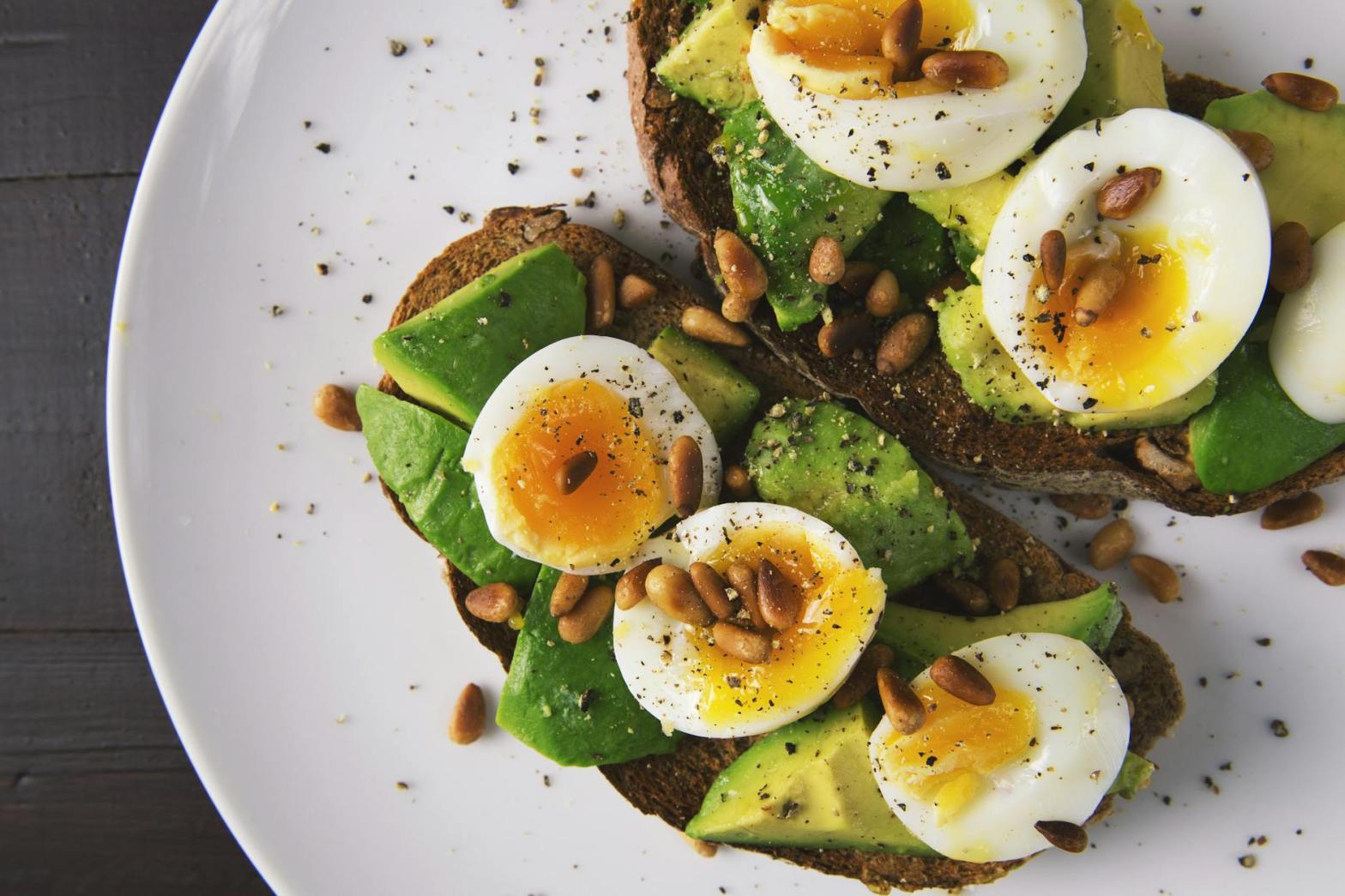
Why Restrictive Diets Set You Up for Failure: The Science Behind Hunger and Weight Loss

If you ever wanted to lose weight, you’ve probably been told that extreme restriction is the fastest way to do it . However, science tells a different story. A 2011 clinical study led by Sumithran P. (Long-term Persistence of Hormonal Adaptation to Weight Loss, 2011) examined what happens to the body when weight loss is rapid and significant.

The Study: How Restrictive Diets Impact Hormones

Researchers followed 50 individuals with obesity or overweight who adhered to a highly restrictive diet for 10 weeks. They monitored them for a year to analyze how their bodies adapted to this sudden weight loss.

The findings were eye-opening:

  1. Leptin levels dropped – Leptin is the hormone responsible for signaling satiety to the brain, letting you know when you’re full.
  2. Ghrelin levels increased – Ghrelin, known as the “hunger hormone,” is produced by the stomach, pancreas, and intestines to trigger hunger and stimulate food intake.

What Does This Mean for Weight Loss?

When calorie intake is drastically reduced, the body perceives it as a threat. To counteract the perceived energy deficit, it activates a series of metabolic and hormonal responses:

  • It increases ghrelin production, making you feel hungrier.
  • It decreases leptin levels, making it harder to feel full.

These adaptations are survival mechanisms. Historically, prolonged calorie deficits posed serious risks to survival. The body, therefore, fights against prolonged restriction by pushing you to seek food.

Why Weight Loss Is More Complex Than “Eat Less, Move More”

This study contributed to a broader understanding of the biological mechanisms that influence body composition and our relationship with food. Weight loss, particularly in the context of obesity, is not just a matter of willpower or lifestyle changes—it involves complex physiological, genetic, cultural, and psychological factors.

Yet, harmful stereotypes still dominate mainstream discussions on obesity. The media often oversimplifies weight loss, ignoring the scientific reality that obesity is a multifactorial condition requiring a personalized and expert-led approach.

The Importance of Informed and Sustainable Approaches

If you’re considering weight loss, it’s crucial to:

  • Avoid extreme restriction – Sustainable habits lead to long-term success.
  • Consult qualified professionals – A tailored approach considers your unique physiological and psychological needs.
  • Challenge harmful narratives – Weight loss is not just about willpower; it’s also about understanding your body and working with it, not against it.

Take Action: A Smarter Approach to Health

Are you tired of yo-yo dieting and misinformation about weight loss? It’s time to take a science-backed approach. Seek guidance from qualified professionals and focus on long-term, sustainable habits.

Thank you for reading! Please sign up for my blog crisbiecoach so you don’t miss out on any posts!

What You Would Need to Know About Food Supplements

The supplement industry is making enormous profits, often promising miraculous results with minimal effort. From weight loss pills to performance-enhancing powders, the market is flooded with products claiming to transform health and fitness. But how much of it is based on science, and how much is clever marketing? Let’s separate fact from fiction.

Common Supplement Myths and Fallacies in Weight Loss

One of the most widespread myths in the supplement world is that weight loss pills can magically melt fat without any dietary changes or exercise. Advertisements often showcase dramatic transformations, luring consumers into believing that a simple capsule is the key to rapid weight loss. In reality, most weight loss supplements rely on caffeine, green tea extract, or other stimulants that may slightly boost metabolism but offer minimal long-term impact.

Another misconception is the idea that “fat burners” target specific problem areas, like belly fat. Scientifically, the body decides where to burn fat based on genetics and overall energy expenditure, not based on where a pill claims to focus its effects.

Supplements for Athletic Performance: What Works and What Doesn’t?

Athletes and fitness enthusiasts are often drawn to supplements promising improved endurance, strength, and recovery. Some of the most commonly used supplements include:

  • Protein Powders: Effective for muscle repair and growth when combined with a well-balanced diet.
  • Creatine: One of the most researched supplements, proven to enhance strength and high-intensity performance.
  • BCAAs (Branched-Chain Amino Acids): Often marketed for muscle recovery, but their benefits are minimal if protein intake is sufficient.
  • Pre-Workout Formulas: Usually caffeine-based, providing energy and focus, but not necessarily improving performance beyond what proper nutrition can offer.

On the other hand, many so-called performance enhancers have little scientific backing, including testosterone boosters and extreme nitric oxide supplements. Evidence suggests that unless there is a clinical deficiency, these products rarely deliver the promised benefits.

Using Evidence-Based Research to Determine Efficacy

With an overwhelming number of supplements available, how can you tell which ones work? The key is to rely on evidence-based research rather than anecdotal claims.

  1. Look for Peer-Reviewed Studies – Supplements that have undergone rigorous scientific testing tend to have more credibility.
  2. Check Trusted Sources – Organizations like the National Institutes of Health (NIH), Examine.com, and PubMed provide unbiased information.
  3. Beware of Marketing Gimmicks – If a product claims to be a “miracle cure” or uses phrases like “clinically proven” without citing studies, approach with skepticism.

The Role of Supplements in Optimal Health

While supplements can play a role in maintaining health, they should complement a well-rounded diet rather than replace it. Some essential supplements that can contribute to overall well-being include:

  • Vitamin D (for those with limited sun exposure)
  • Omega-3 Fatty Acids (beneficial for heart and brain health)
  • Magnesium (supports muscle and nerve function)
  • Probiotics (aid in gut health and digestion)

However, it is crucial to consult a healthcare professional before starting any supplement regimen, as unnecessary supplementation can sometimes do more harm than good.

Remember: Educate Before You Supplement

The supplement industry thrives on misinformation, but with the right knowledge, you can make informed choices that truly benefit your health and fitness goals. Rather than seeking quick fixes, focus on evidence-based research, balanced nutrition, and a healthy lifestyle.

Before reaching for that next bottle of supplements, take a moment to research and question its efficacy. Have you ever been misled by a supplement myth? Share your experiences in the comments below, and let’s discuss how to make informed health choices together!

Thank you for reading! Please sign up for my blog crisbiecoach so you don’t miss out on any posts!

Enhance Your Well-Being in Later Years with a Plant-Based Diet

As we age, maintaining our health and well-being becomes increasingly important. One effective way to support overall health, manage weight, and reduce inflammation is by adopting a plant-based diet. This lifestyle choice not only benefits your body but also helps prevent or manage chronic conditions and safeguard your brain health.

Support Overall Health and Manage Weight

A plant-based diet is rich in essential nutrients, fiber, and antioxidants, which can help you maintain a healthy weight and reduce inflammation. By focusing on whole foods like fruits, vegetables, legumes, nuts, and seeds, you can provide your body with the nutrients it needs to function optimally.

Prevent or Manage Chronic Conditions

Chronic conditions such as heart disease, diabetes, and hypertension are common as we age. A plant-based diet can play a crucial role in preventing and managing these conditions. The high fiber content helps regulate blood sugar levels, while the abundance of antioxidants supports heart health and reduces the risk of chronic diseases.

Safeguard Your Brain Health

Cognitive decline is a concern for many older adults. A diet rich in plant-based foods can help protect your brain health. Foods like leafy greens, berries, and nuts are packed with nutrients that support cognitive function and reduce the risk of neurodegenerative diseases.

Protect Your Bones and Maintain Physical Strength

Bone health is vital for staying active and independent in later years. A plant-based diet can provide the necessary nutrients to protect your bones and maintain physical strength. Ensure you include sources of calcium, vitamin D, and protein in your diet to support bone health and muscle function.

Meet Your Nutritional Needs as You Age

As you age, your nutritional needs may change. It’s important to ensure you’re getting enough vitamins and minerals to support your overall health. A well-planned plant-based diet can meet these needs, but you may also consider supplements for nutrients like vitamin B12, which can also be found in diary products. It’s important to know that livestock are often supplemented with vitamin B12 in their feed. So, you could take directly vitamine B12 supplements.

Practical Tips for Transitioning to a Plant-Based Lifestyle

Transitioning to a plant-based diet doesn’t have to be overwhelming. Here are some practical tips to help you get started:

  1. Start Slow: Gradually incorporate more plant-based meals into your diet. Begin with one or two meatless days per week.
  2. Explore New Recipes: Experiment with new recipes and ingredients to keep your meals exciting and varied.
  3. Plan Your Meals: Plan your meals ahead of time to ensure you have all the necessary ingredients and avoid last-minute unhealthy choices.
  4. Stay Informed: Educate yourself about plant-based nutrition to ensure you’re meeting all your dietary needs.
  5. Seek Support: Join a community or find a friend who is also interested in a plant-based lifestyle for motivation and support.

By embracing a plant-based diet, you can enhance your well-being, protect your health, and enjoy a vibrant, and active life in your later years.

What do you think about a plant-based diet?

Thank you for reading. Please sign up for my blog crisbiecoach so you don’t miss out on any posts and also for Wise&Shine an incredible online magazine!


The Vegan Foods You’re Already Eating Without Realizing It

Have you ever paused to consider that your diet might already include vegan foods, even if you’ve never intentionally sought them out? Many of us unknowingly enjoy foods that are free from animal products—a delightful discovery that shows how simple and accessible plant-based eating can be. As someone who has often marveled at the versatility of plant-based living, I invite you to explore the “accidentally vegan” foods hiding in plain sight. These unassuming items prove that embracing vegan options doesn’t have to mean giving up on taste or convenience.

Everyday Vegan Snacks:

Think about your favorite snacks. Did you know that Oreos, that iconic sandwich cookie, are vegan? Or that many brands of crisps, including salt and vinegar or ready salted varieties, contain no animal-derived ingredients? Pretzels, too, are often free of dairy or eggs, making them a perfect go-to option. As I explored the snack aisle one day, I realized that so much of what I already loved—and devoured—fit effortlessly into a plant-based lifestyle.

Breakfast Staples:

Breakfast is another area where accidentally vegan foods shine. Many cereals—those without added honey or dairy-based coatings—are vegan-friendly. Pair them with plant-based milk, and you’re off to a great start. Some spreads brands and peanut butter are naturally vegan, as are baked beans, a traditional breakfast staple for many. On busy mornings, I’ve often relied on these simple, satisfying options, marveling at how seamlessly they align with a vegan ethos.

Tasty Desserts:

You might think that desserts require cream, eggs, or butter to be delicious, but that’s not always the case. Sorbets, for example, are a refreshing treat that’s typically made without dairy. Many dark chocolates are accidentally vegan, as they skip the milk solids. And let’s not forget about biscuits—certain brands of digestives and ginger snaps are free from animal products. Realizing this, I began to look forward to indulging my sweet tooth without compromising my values.

Savory Surprises:

Moving beyond snacks and sweets, you’ll find that pasta, bread, and even some soups are often vegan. Many pasta recipes use only flour and water, while a surprising number of breads skip milk or butter. Some barbecue and sweet chili sauces are also plant-based, adding flavor without fuss.

Hidden Gems from Around the World:

The variety of accidentally vegan foods also extends across cultures. In some countries, you might stumble upon animal-free pita breads, rice crackers, or tofu-based snacks. It’s fascinating to see how different cuisines naturally incorporate vegan options, offering a global perspective on plant-based eating.

Tips for Spotting Vegan Foods:

How can you identify accidentally vegan products? It’s simpler than you might think. Start by checking ingredient labels for hidden animal products like whey, gelatin, or casein. Look for certifications such as the vegan trademark, which provides clarity and confidence. Over time, this practice becomes second nature, turning shopping trips into opportunities for discovery.

Why This Matters:

Understanding the abundance of vegan options available—even accidentally so—highlights how accessible plant-based eating can be. It’s not about reinventing your pantry or abandoning the foods you love. Instead, it’s about buying what is already available and grasping them with intention. For me, this realization has been liberating, proving that small changes can have a significant impact on both personal health and the planet.

Conclusion:

The next time you’re at the grocery store or rummaging through your cupboards, take a moment to see what’s accidentally vegan. You might be surprised by the options you uncover. From snacks to savory staples, the world of plant-based eating is far more inclusive than it seems.

So why not start exploring today? You’re likely closer to a vegan-friendly diet than you think—and the journey begins with foods you already know and love.

Thank you for reading! Please sign up for my blog crisbiecoach so you don’t miss out on any posts and also for Wise&Shine an incredible online magazine!

Is Food Addictive? The Impact of the Food Industry on Our Health

Maintaining a healthy diet is a challenge many of us face daily. But what if some of our food choices are beyond our control? Could food be as addictive as drugs or alcohol? Pulitzer Prize-winning investigative reporter Michael Moss explores these questions in his book Hooked. I recently read this book, and these are my takeaways.

The Addictive Nature of Food

Moss delves into the latest research on addiction, revealing that food can be even more addictive than alcohol, cigarettes, and drugs. Our bodies are naturally wired to crave sweets, and food manufacturers exploit this by adding various types of sugar to their products. This creates an expectation that everything we eat should be sweet. Studies have shown that certain foods, especially those high in sugar, fat, and salt, can trigger the release of dopamine in the brain, similar to the effects of addictive drugs [1][2]. This biochemical response can lead to cravings and compulsive eating behaviors.

The Role of the Food Industry

The processed food industry, including giants like Nestlé, Mars, and Kellogg’s, has not only ignored but also exploited the addictive nature of its products. In response to dieting trends, these companies have introduced “diet” foods that are often just as unhealthy as the original products. As obesity rates rise, manufacturers claim to add ingredients that can effortlessly curb our compulsive eating habits. However, these claims are often misleading. The industry uses strategic marketing, product engineering, and internal practices to drive consumer habits and health issues [3][4]. For example, the “bliss point” concept creates the perfect combination of sugar, fat, and salt to maximize palatability and consumption [3].

The Impact on Public Health

Moss’s Hooked provides a gripping account of the legal battles, insidious marketing campaigns, and cutting-edge food science that have led to our current public health crisis. The book highlights how the food industry deepens our addictions and why our food choices have never been more critical. The public health implications are significant, as food addiction can contribute to obesity, diabetes, heart disease, and other chronic conditions [5][6]. Understanding the addictive nature of food and the food industry’s role in exploiting our vulnerabilities is crucial. As we become more aware of these issues, we can make better-informed decisions about what we eat and push for greater transparency and accountability from food manufacturers.

Conclusion

Recognizing the addictive nature of certain foods and the tactics used by the food industry to exploit these cravings is essential for making healthier choices. By staying informed and advocating for better food policies, we can work towards a healthier future for ourselves and our communities.

It’s a choice you can make!

Thank you for reading! Please sign up for my blog crisbiecoach so you don’t miss out on any posts and also for Wise&Shine an incredible online magazine!


References

[1] The 18 Most Addictive Foods (and the 17 Least Addictive) – Healthline

[2] Why Are Certain Foods so Addictive? – Cleveland Clinic Health Essentials

[3] Episode: The Role of the Food Industry in Creating Food Addiction l …

[4] Episode: The Role of the Food Industry in Creating Food Addiction l …

[5] Can food be addictive? Public health and policy implications

[6] The Impact of Food Addiction on Food Policy – PEACH Lab

Join the Veganuary Challenge and Kick-off the Year with Kindness

As the calendar flips to a new year, would you consider joining millions of people around the world on a journey to a kinder living? One of the most transformative and inspiring initiatives leading this charge is Veganuary – a global movement that invites individuals to try vegan for the month of January and beyond.

Veganuary, with over a million participants from diverse backgrounds and dietary preferences, is not just for hardcore vegans but it’s also for anyone curious about the benefits of plant-based living.

After one month of a plant-based diet, many participants from previous years have chosen to stay vegan, while others have significantly reduced their consumption of animal products – a testament to the initiative’s lasting impact.

Why Consider Veganuary?

  1. Health Benefits: Adopting a plant-based diet can lead to numerous health improvements, including better heart health, weight management, and increased energy levels. Many participants report feeling more vibrant and healthier after just a month of plant-based eating.
  2. Environmental Impact: Animal agriculture is a significant contributor to environmental issues such as deforestation, greenhouse gas emissions, and water pollution. By choosing plant-based foods, you can reduce your carbon footprint and contribute to a more sustainable planet.
  3. Animal Welfare: For those concerned about animal rights, reducing or eliminating animal products from your diet is a powerful way to take a stand against animal cruelty and support more humane food systems.

Overcoming Doubts

It’s natural to have reservations about making dietary changes. Here are some common concerns and how to address them:

  • “I don’t know what to cook.” You can find some ideas in one of my previous post on simple meals. In addition, the Internet, YouTube and many Instagram influencers offer a wealth of resources, including meal plans, and recipes. On the Veganuary website you can download a celebrity cookbook to make your culinary journey enjoyable and straightforward. In you prefer books, go to your favourite bookshop and you will find ideas and inspirations there.
  • “I’m worried about missing out on nutrients.” The Veganuary website provides nutrition tips to ensure you maintain a balanced and healthy diet throughout the challenge.
  • “I don’t want to do it alone.” By joining Veganuary, you become part of a global community. You’ll receive daily coaching emails and can connect with others taking the pledge, offering mutual support and encouragement.

Take the Leap

The Veganuary challenge is not about perfection but about making a positive change, no matter how small. Even if you decide not to continue a fully plant-based eating style after January, the experience can provide valuable insights into your habits and the impact of your choices.

Ready to give it a try? Sign up at the official Veganuary website and access all the tools and support you need to make January 2025 a month of health, compassion, and positive change. Join me and thousands of others in taking the Veganuary challenge!

I wish you a happier and kinder 2025!

Photo by Jill Wellington on Pexels.com

The Hidden Language of Food Labels: Decoding What We Eat

Have you ever stood in the grocery aisle, staring at a food label, and felt overwhelmed by the long list of ingredients and numbers? You’re not alone. For many of us, the complexity of food labels is like deciphering a foreign language, filled with percentages, acronyms, and words we can barely pronounce. Yet, learning to read these labels is essential for informed eating and maintaining a balanced diet.

The Day It All Clicked

I remember the moment I realized the power of understanding food labels. It was during a visit to a friend who is a nutritionist. As we prepared dinner, she held up a box of granola and asked me to guess how many servings were in it. “Three?” I guessed confidently. She smiled and pointed to the label: six servings. The granola I’d been piling into my bowl each morning was simply too much, and I didn’t know.

That day was a turning point. I realized that food labels were not just there for compliance or decoration, they were tools for empowerment. However, using them requires knowledge and practice.


Decoding Food Labels: The Essentials

Food labels provide a wealth of information, but understanding them requires a focus on key areas:

  1. The Serving Size Trap
    At the top of every label is the serving size, often misleading. A single package of chips may contain three servings, even though it’s easy to eat the whole thing in one sitting. This small line of text can dramatically alter your perception of the calories, sugar, and fats consumed.
  2. Ingredients: The Truth in Order
    The ingredient list is like a story, arranged by weight. The first few ingredients often tell you everything you need to know. If sugar (in any form) is listed early, it’s a red flag. Yet, sugar can disguise itself under dozens of names: fructose, malt syrup, or sucrose, to name a few. Learning to spot these aliases can make a big difference.
  3. Percent Daily Values (%DV)
    These percentages are based on a 2,000-calorie diet and guide how a serving contributes to your daily intake. For example, 20% or more sodium means the product is high in salt, while 5% or less is considered low. Adjusting these numbers to your own caloric needs ensures you stay within a healthy range.
  4. Supplement Facts
    Supplement labels include active ingredients like vitamins and minerals but also “other ingredients” such as fillers or binders. The serving size is equally critical, especially since overconsumption can sometimes do more harm than good.

Portion Control: The Unsung Hero of Healthy Eating

Understanding portions is just as important as decoding labels. The challenge lies in the gap between what’s listed and what we eat. Even with the best intentions, it’s easy to pour an extra half-cup of cereal or grab an oversized handful of nuts.

Here are a few strategies I’ve found helpful:

  • Visual Comparisons: Use your hand as a guide, your fist equals about one cup, your palm roughly 85 grams (about 3 ounces).
  • Invest in Tools: Kitchen scales and measuring cups may seem old-fashioned, but they’re invaluable for building portioning habits.
  • Practice the Plate Method: Half your plate for vegetables, a quarter for protein, and a quarter for whole grains. It’s a visual shortcut that keeps balance in check.

Overcoming Common Obstacles

Through trial and error, I’ve identified three key pitfalls to avoid:

  1. Portion Distortion: Packaged foods often depict serving sizes that are smaller than what we’re accustomed to eating. Without realizing it, we can double or triple our intake.
  2. Unclear Labels: Terms like “natural flavorings” and “spices” can obscure allergens or additives.
  3. Mindless Eating: Without mindfulness, even the healthiest snack can become an overindulgence.

Reflecting on the Journey

Learning to decode food labels and master portions is an ongoing process. It requires patience, curiosity, and a willingness to challenge long-held habits. I’ve learned to approach every food label as an opportunity—not just to eat better, but to understand what I’m putting into my body. The more I learn, the more empowered I feel to make choices that align with my health and values. And the better I feel.

The next time you’re in the grocery aisle, take a moment to truly read a label (maybe with the help of a magnifier or just take a picture and then enlarge it). Look beyond the marketing claims on the front and dig into the details on the back. It’s not just about numbers, it’s about knowledge, control, and ultimately, your well-being.


Final Thoughts

By understanding food labels and practicing portion control, you can shift from passive consumers to informed decision-makers. The journey may be challenging at first, but like any skill, it becomes second nature with time. So, grab that granola box and let the learning begin, because every small step counts towards a healthier, more mindful you.

Are you ready to start this reflecting journey?

Thank you for reading! Please sign up for my blog crisbiecoach so you don’t miss out on any posts and also for Wise&Shine an incredible online magazine!

Simple Meal Plans for a Balanced and Sustainable Diet

You may have noticed that the most recent blog posts are about nutrition and related topics. I’ve decided to transform my website into a reliable resource for nutrition, aiming to help others navigate their health journeys with informed choices and support. Why? A challenging chapter in my life ignited a deeper curiosity about how our bodies react to what we eat and our environments. In the summer of 2023, I had hives, that were solved by medications, self-hypnosis, and more recently with a diet. This path made me realize the critical role of nutrition and holistic well-being in managing autoimmune conditions.

Today, I would like to share some meal ideas that are rich in nutrients, environmentally friendly, and easy to prepare. Each option highlights whole foods, plant-forward choices, and portion mindfulness.

Breakfast Ideas

  1. Oats with Berries and Seeds
    • Ingredients: Rolled oats, unsweetened almond milk, chia seeds, a handful of mixed berries, and a drizzle of honey.
    • Why it’s great: Rich in fiber, antioxidants, and omega-3s, this meal supports heart health and energy levels while reducing reliance on processed breakfast options.
  2. Avocado Toast with a Twist
    • Ingredients: Whole-grain bread, smashed avocado, a sprinkle of nutritional yeast, and cherry tomatoes. Add an optional poached egg.
    • Why it’s great: Packed with healthy fats, fiber, and protein, this meal keeps you full and energized.
  3. Plant-Based Smoothie Bowl
    • Ingredients: Frozen banana, spinach, unsweetened coconut milk, and a scoop of plant-based protein powder. Top with granola and fresh fruit.
    • Why it’s great: Combines fruits and greens for a nutrient-packed, low-impact meal.

Lunch Ideas

  1. Quinoa and Chickpea Salad
    • Ingredients: Quinoa, canned chickpeas, diced cucumber, cherry tomatoes, parsley, olive oil, lemon juice, and a pinch of salt.
    • Why it’s great: High in plant-based protein and fiber, this refreshing salad is filling and sustainable.
  2. Lentil and Sweet Potato Stew
    • Ingredients: Green lentils, diced sweet potatoes, spinach, vegetable broth, garlic, onion, and smoked paprika.
    • Why it’s great: A comforting one-pot meal loaded with vitamins, iron, and plant protein.
  3. Whole-grain Wrap with Hummus and Veggies
    • Ingredients: Whole-grain tortilla, hummus, shredded carrots, spinach, and roasted red peppers.
    • Why it’s great: This quick, no-cook lunch provides a good mix of fiber and nutrients.

Dinner Ideas

  1. Vegetable Stir-Fry with Tofu
    • Ingredients: Firm tofu, broccoli, snap peas, bell peppers, sesame oil, soy sauce, ginger, and garlic. Serve with brown rice.
    • Why it’s great: Combines plant-based protein with colorful, nutrient-dense veggies for a satisfying meal.
  2. Baked Sardines with Roasted Veggies
    • Ingredients: Sardines, asparagus, zucchini, olive oil, and lemon slices.
    • Why it’s great: A great source of omega-3 fatty acids and vitamins.
  3. Stuffed Bell Peppers
    • Ingredients: Bell peppers, cooked quinoa, black beans, corn, diced tomatoes, and spices like cumin and chili powder.
    • Why it’s great: A high-protein, plant-forward dish that’s hearty and packed with nutrients.

Snacks and Sides

  1. Trail Mix
    • Ingredients: Almonds, walnuts, sunflower seeds, and a handful of dried fruit.
    • Why it’s great: Easy to pack and full of healthy fats, fiber, and natural sweetness.
  2. Veggie Sticks with Guacamole or Hummus
    • Ingredients: Carrot, cucumber, and celery sticks with your choice of dip.
    • Why it’s great: A fresh, crunchy option that satisfies hunger without empty calories.
  3. Roasted Chickpeas
    • Ingredients: Canned chickpeas, olive oil, and spices like paprika or garlic powder.
    • Why it’s great: A crunchy, protein-packed alternative to chips.

Tips for Sustainability in the Kitchen

  • Plan ahead: Meal prepping reduces food waste and ensures healthier choices during busy days.
  • Buy seasonal produce: Locally grown fruits and vegetables are fresher and have a lower carbon footprint.
  • Compost scraps: Turn vegetable peels and other food waste into nutrient-rich compost for plants.
  • Choose reusable containers: Opt for glass or stainless steel for meal storage.

Are you ready to switch to a source of sustainable ingredients?

Thank you for reading! Please sign up for my blog crisbiecoach so you don’t miss out on any posts!

Modern Life and Obesity: Balanced Health Choices

Human life has transformed dramatically in the last century. We’ve moved from agrarian societies, where physical labor and homegrown food were central to existence, to urban environments dominated by convenience, speed, and processed meals. Along the way, our diets and lifestyles have shifted in ways that have quietly but powerfully contributed to the modern epidemics of overweight and obesity.

The Social and Cultural Shifts Behind the Crisis

Picture life a few decades ago: meals cooked from scratch, family dinners without distractions, and a pace of life that allowed time to prepare, eat, and enjoy food. Now, compare that to today’s way of eating. We rush through meals, rely on takeout, and often consume food in front of screens. These cultural shifts, coupled with the marketing of calorie-dense, nutrient-poor foods, have rewired our relationship with eating.

Portion sizes have ballooned, and processed foods‘ affordability often outweighs the fresh produce cost. Moreover, technological advancements have reduced the physical effort required in daily life, leaving us more sedentary than ever. Together, these factors create a perfect storm for rising obesity rates.

The Role of Nutrients in Our Diets

To understand how to support your health, we must first unpack the essential nutrients in our foods and their roles:

  • Carbohydrates provide energy, but not all carbs are equal. Refined carbs like white bread and sugary snacks spike blood sugar levels, while complex carbs found in whole grains and vegetables release energy slowly, sustaining us throughout the day.
  • Proteins are the building blocks of life, repairing tissues and supporting muscle growth. Lean sources like beans, lentils, eggs, offer high nutritional value with minimal environmental impact.
  • Fats are essential for brain health and energy, yet there’s a big difference between healthy fats from nuts, avocados, and olive oil, and harmful trans fats found in fried and processed foods.
  • Vitamins and minerals support countless bodily functions, from immune defense to bone health. Consuming a colorful variety of fruits and vegetables ensures we get a spectrum of these critical nutrients.

Choosing Wisely Without Harming the Planet

Our food choices influence not only our health but also the health of the planet. Animal agriculture, for instance, is a leading contributor to greenhouse gas emissions. We can lighten our environmental footprint by choosing plant-based proteins, reducing meat consumption, and opting for sustainably sourced seafood.

Consider these actionable strategies:

  • Prioritize whole foods: Fresh, unprocessed foods retain their nutrients and avoid the hidden sugars, sodium, and unhealthy fats lurking in packaged meals.
  • Diversify your plate: A mix of grains, legumes, vegetables, and fruits not only supports health but reduces reliance on resource-intensive food sources.
  • Practice portion mindfulness: The principle of eating until you’re satisfied, not full, aligns with many traditional eating cultures and can help combat overconsumption.

Reflecting on the Path Forward

The battle against obesity isn’t won with diets or quick fixes. It requires a collective reevaluation of how we view food, not just as fuel but as a cultural and environmental keystone. By choosing foods rich in nutrients and grown sustainably, we honor our bodies and the earth.

Slow down to reconnect with food, it can be transformative. Cooking a simple, balanced meal, savoring each bite, and sharing it with loved ones remind us of the joys and health that food brings.

Are you ready to rewrite your relationship with food, one thoughtful, sustainable choice at a time?

Thank you for reading! Please sign up for my blog crisbiecoach so you don’t miss out on any posts!

Practicing Mindful Eating and Self-Compassion

When I sit in cafés, I use to watch people around me. Most are either on their phones or hurriedly eating their lunch, eyes barely focused on what is in front of them. It struck me how disconnected we’ve become from the act of eating. Our meals meant to be a time of restoration and pleasure, have become just another task to cross off the list.

Food often becomes an afterthought, something we grab between meetings or quickly consume while scrolling through our phones. For many, the relationship with food has become transactional, something that satisfies hunger but rarely nourishes the soul. Yet food holds the potential for so much more—it can be a source of joy, comfort, and connection. To reclaim that deeper relationship, we need to turn our attention to mindful eating and self-compassion.

The Lost Art of Eating Mindfully

Mindful eating is an antidote to this rush. It invites us to slow down and reconnect with the sensory experience of food. This isn’t just about eating slower, though of course that helps; it’s about being fully present. When we take a bite, we should focus on the texture, the flavors, and the colors on the plate. We could ask ourselves: What does this taste like? How does it make me feel? It’s an act of curiosity and engagement that deepens our awareness of what we consume.

The Practice of Food Mindfulness

Practicing mindful eating requires intention, but it doesn’t have to be complicated. Here are a few steps to get started:

  • Start small. You don’t have to overhaul your entire eating routine overnight. Begin with one meal a day or even one part of a meal. Take a few minutes to savor your food without distractions.
  • Engage your senses. Before you take a bite, look at your food. Notice the colors, the arrangement. When you eat, feel the texture on your tongue, the burst of flavors. Chew slowly, allowing your senses to fully absorb the experience.
  • Listen to your body. Often, we eat out of habit or because it’s time, not because we’re hungry. Pause before a meal and check in with yourself. Are you really hungry? How does your body feel? Learning to recognize true hunger and fullness is a key part of mindful eating.
  • Be grateful. Reflect on the journey your food has taken to arrive at your plate. This sense of gratitude can elevate the experience, helping you appreciate every bite.

Rebuilding Through Self-Compassion

But mindful eating is only part of the equation. To rebuild a healthy relationship with food, we must also practice self-compassion. For many, food carries emotional weight, guilt, shame, or anxiety. These emotions often stem from unrealistic standards we set for ourselves or pressures from society.

One key to shifting this narrative is treating ourselves with kindness. If we overeat, it’s common to spiral into self-criticism. We tell ourselves we have no willpower. But it’s okay to eat more if we don’t do it often. Therefore, what if, instead of judgment, we offered ourselves understanding?

  • Challenge the inner critic. The next time you catch yourself feeling guilty about food, pause. Ask where that voice is coming from. Is it societal pressure, or perhaps old beliefs about what it means to be healthy? Replace that negative self-talk with a gentle reminder that one meal does not define you.
  • Celebrate progress, not perfection. Shifting your relationship with food won’t happen overnight. There will be days when it feels easy, and others when old habits resurface. The key is to focus on progress rather than perfection. Each mindful moment counts, even if it’s just a single breath between bites.

Embracing Food as a Source of Joy

Ultimately, rebuilding our relationship with food is about more than what we eat. It’s about how we approach food, both with mindfulness and compassion. When we shift from seeing food as something that controls us to something we engage with joyfully and without fear, we begin to heal that relationship.

Eating shouldn’t be a source of stress but one of comfort and connection, a way to nourish not just the body but the mind and the soul.

So the next time you sit down for a meal, take a deep breath. Let go of distractions and be present. Approach your plate with curiosity and kindness, and slowly, you’ll start to rebuild your relationship with food, one mindful bite at a time.

Thank you for reading! Please sign up for my blog crisbiecoach so you don’t miss out on any posts!