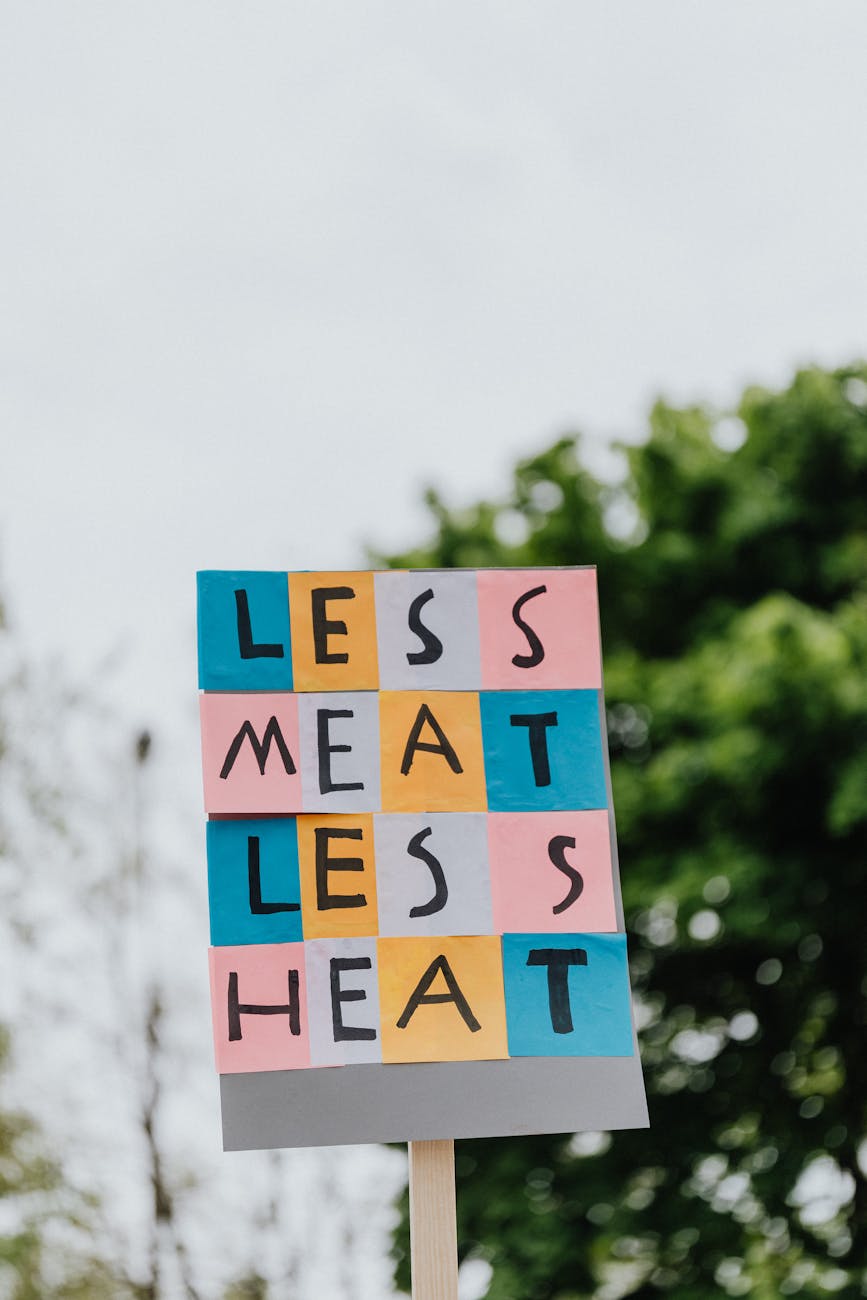
Rediscovering the Mediterranean Diet: A Call to Action for Italians

Once upon a time, the Mediterranean diet was hailed as a symbol of health and vitality. Its roots, entrenched in the sun-soaked lands of Italy and its neighboring Mediterranean countries, promised longevity, well-being, and a life free from the burden of chronic diseases. As Italians, we proudly wore this culinary badge, our tables graced with vibrant vegetables, golden olive oil, fresh fish, and just-harvested fruits. Yet, today, we face a shocking reality: child obesity rates in Italy are rising, overshadowing the benefits of our rich dietary heritage.

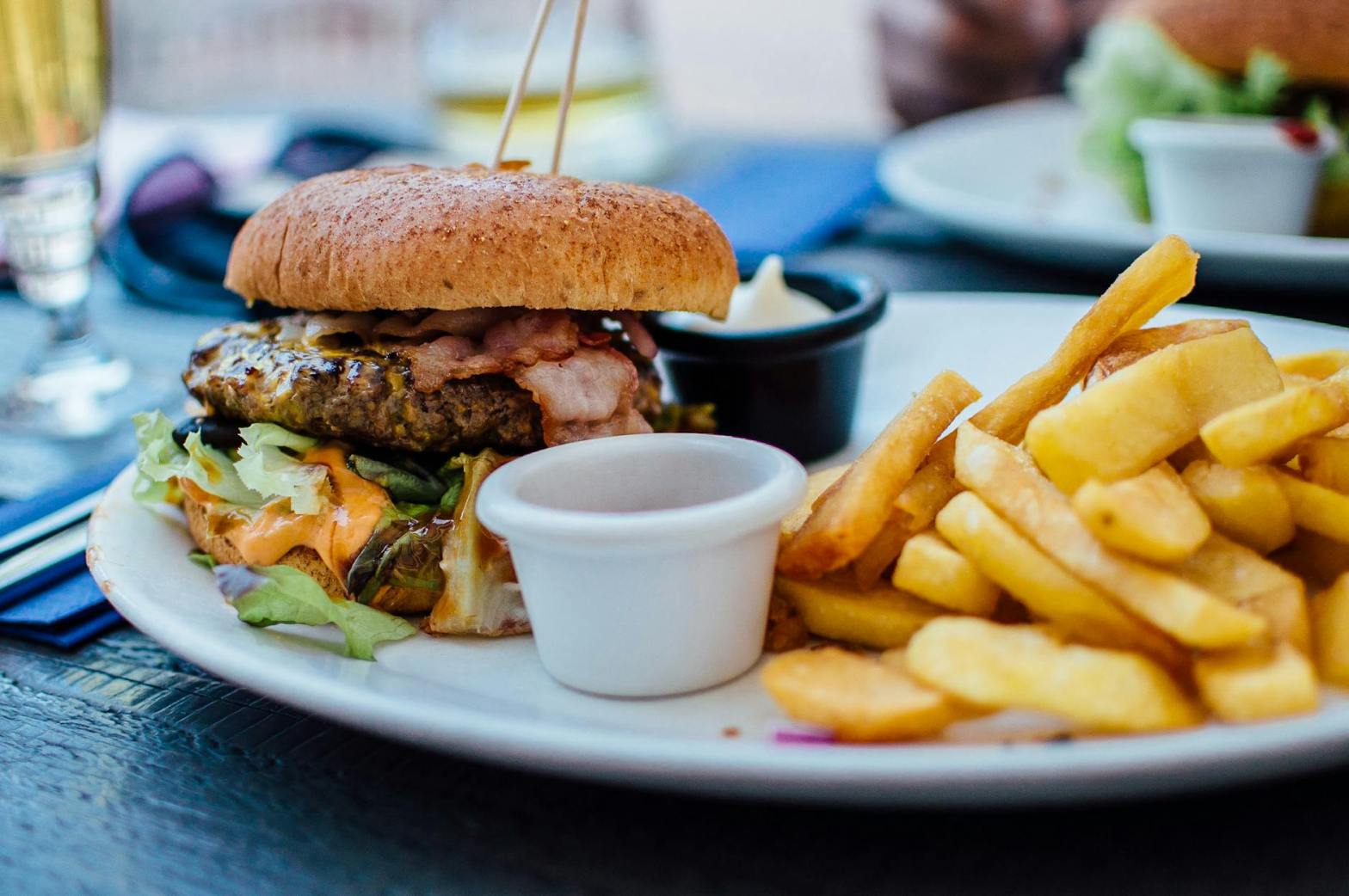
In recent years, convenience has become king, replacing tradition with quick meals and processed foods. Many Italian families, once advocates of home-cooked meals, now opt for pre-packaged, heavily marketed options that promise ease and speed. Fast food chains have made inroads into even the most quaint of our towns, tempting our young ones with meals that pack more calories and far less nutrition than a home-cooked pot of minestrone.

This shift in eating habits has consequences far beyond the plate. Childhood obesity not only affects physical health — leading to increased risks of diabetes, high blood pressure, and other ailments — but also impinges on mental and emotional well-being. A child struggling with weight issues may face societal stigma, reduced self-esteem, and a difficult path toward adopting healthy lifestyle habits later in life.

Yet, the solution is clear and simple. We need to return to the traditional Mediterranean diet, reviving the principles that have sustained our ancestors for generations. This isn’t just nostalgia or romanticism; scientific evidence supports the myriad benefits of this way of eating. Rich in plant-based foods, moderate in fish and poultry, and low in saturated fats, the Mediterranean diet offers a balanced, sustainable, and enjoyable path to health.

Let’s take actionable steps to reintegrate these practices:

  1. Prioritize Freshness: Make local farmers’ markets a weekend ritual. Choose seasonal produce, tasting and flavors of each season.
  2. Cook at Home: Savour the joy of home cooking. Reserve time for meal preparation, involving family members in cooking, a time-honored tradition that can be both educational and bonding.
  3. Educate the Young Ones: Schools and community centers can play a pivotal role by reintroducing children to traditional foods, teaching them about the benefits of a balanced diet in fun and engaging ways.
  4. Advocate for Policy Change: Encourage local governments and organizations to advocate for policies that promote the Mediterranean diet. This could include school programs, and campaigns to raise awareness.
  5. Mindful Eating: Practice mindful eating. Treasure each bite, savor flavors, and respect the foods that nourish our bodies.

In conclusion, the call to revive the Mediterranean diet in Italy is more than just an appeal for healthier eating; it’s a cultural awakening. By returning to our roots, we can address the growing concern of childhood obesity, ensuring our children and future generations enjoy the rich heritage and health benefits of the lifestyle we’ve rightly celebrated.

Thank you for reading! Please sign up for my blog crisbiecoach so you don’t miss out on any posts!

The Vegan Foods You’re Already Eating Without Realizing It

Have you ever paused to consider that your diet might already include vegan foods, even if you’ve never intentionally sought them out? Many of us unknowingly enjoy foods that are free from animal products—a delightful discovery that shows how simple and accessible plant-based eating can be. As someone who has often marveled at the versatility of plant-based living, I invite you to explore the “accidentally vegan” foods hiding in plain sight. These unassuming items prove that embracing vegan options doesn’t have to mean giving up on taste or convenience.

Everyday Vegan Snacks:

Think about your favorite snacks. Did you know that Oreos, that iconic sandwich cookie, are vegan? Or that many brands of crisps, including salt and vinegar or ready salted varieties, contain no animal-derived ingredients? Pretzels, too, are often free of dairy or eggs, making them a perfect go-to option. As I explored the snack aisle one day, I realized that so much of what I already loved—and devoured—fit effortlessly into a plant-based lifestyle.

Breakfast Staples:

Breakfast is another area where accidentally vegan foods shine. Many cereals—those without added honey or dairy-based coatings—are vegan-friendly. Pair them with plant-based milk, and you’re off to a great start. Some spreads brands and peanut butter are naturally vegan, as are baked beans, a traditional breakfast staple for many. On busy mornings, I’ve often relied on these simple, satisfying options, marveling at how seamlessly they align with a vegan ethos.

Tasty Desserts:

You might think that desserts require cream, eggs, or butter to be delicious, but that’s not always the case. Sorbets, for example, are a refreshing treat that’s typically made without dairy. Many dark chocolates are accidentally vegan, as they skip the milk solids. And let’s not forget about biscuits—certain brands of digestives and ginger snaps are free from animal products. Realizing this, I began to look forward to indulging my sweet tooth without compromising my values.

Savory Surprises:

Moving beyond snacks and sweets, you’ll find that pasta, bread, and even some soups are often vegan. Many pasta recipes use only flour and water, while a surprising number of breads skip milk or butter. Some barbecue and sweet chili sauces are also plant-based, adding flavor without fuss.

Hidden Gems from Around the World:

The variety of accidentally vegan foods also extends across cultures. In some countries, you might stumble upon animal-free pita breads, rice crackers, or tofu-based snacks. It’s fascinating to see how different cuisines naturally incorporate vegan options, offering a global perspective on plant-based eating.

Tips for Spotting Vegan Foods:

How can you identify accidentally vegan products? It’s simpler than you might think. Start by checking ingredient labels for hidden animal products like whey, gelatin, or casein. Look for certifications such as the vegan trademark, which provides clarity and confidence. Over time, this practice becomes second nature, turning shopping trips into opportunities for discovery.

Why This Matters:

Understanding the abundance of vegan options available—even accidentally so—highlights how accessible plant-based eating can be. It’s not about reinventing your pantry or abandoning the foods you love. Instead, it’s about buying what is already available and grasping them with intention. For me, this realization has been liberating, proving that small changes can have a significant impact on both personal health and the planet.

Conclusion:

The next time you’re at the grocery store or rummaging through your cupboards, take a moment to see what’s accidentally vegan. You might be surprised by the options you uncover. From snacks to savory staples, the world of plant-based eating is far more inclusive than it seems.

So why not start exploring today? You’re likely closer to a vegan-friendly diet than you think—and the journey begins with foods you already know and love.

Thank you for reading! Please sign up for my blog crisbiecoach so you don’t miss out on any posts and also for Wise&Shine an incredible online magazine!

Boost Your Emotional Well-Being with Plant Foods: a Study

With all the challenges we are facing nowadays, maintaining good mental health is more important than ever. I just received a study from the Helsinki Health Study that shed light on how our diet, particularly the consumption of plant foods, can significantly impact our emotional well-being.

The Power of Plant Foods

The study, conducted among 19–39-year-old employees in Helsinki, Finland, found that eating a variety of plant foods like fruits, vegetables, berries, and whole grains is associated with better emotional well-being. Participants who consumed these foods daily reported higher levels of happiness and lower levels of stress and anxiety.

Why Plant Foods Matter

Plant foods are packed with essential nutrients, vitamins, and antioxidants that support overall health. They help reduce inflammation, improve gut health, and provide a steady source of energy. These benefits are not just physical; they also extend to our mental health. For instance, the study found that fresh vegetables had the strongest positive impact on emotional well-being for both men and women.

Simple Steps to Improve Your Diet

Incorporating more plant foods into your diet doesn’t have to be complicated. Here are some easy tips to get started:

  1. Add More Veggies: Include a variety of fresh and cooked vegetables in your meals. Aim for at least one serving with each meal.
  2. Snack on Fruits and Berries: Keep fruits and berries handy for a quick, nutritious snack.
  3. Choose Whole Grains: Opt for whole-grain bread, pasta, and rice instead of refined grains.
  4. Experiment with Plant-Based Recipes: Try new recipes that focus on plant-based ingredients to keep your meals exciting and flavorful.
  5. Stay Consistent: Make plant foods a regular part of your diet to reap the long-term benefits for your emotional well-being.

Conclusion

The findings from the Helsinki Health Study highlight the importance of a plant-based diet for maintaining good mental health. By making simple changes to include more plant foods in your daily routine, you can enhance your emotional well-being and lead a happier, healthier life.

What do you think about starting a new diet incorporating more plant-based food?

Thank you for reading! Please sign up for my blog crisbiecoach so you don’t miss out on any posts!

Is Food Addictive? The Impact of the Food Industry on Our Health

Maintaining a healthy diet is a challenge many of us face daily. But what if some of our food choices are beyond our control? Could food be as addictive as drugs or alcohol? Pulitzer Prize-winning investigative reporter Michael Moss explores these questions in his book Hooked. I recently read this book, and these are my takeaways.

The Addictive Nature of Food

Moss delves into the latest research on addiction, revealing that food can be even more addictive than alcohol, cigarettes, and drugs. Our bodies are naturally wired to crave sweets, and food manufacturers exploit this by adding various types of sugar to their products. This creates an expectation that everything we eat should be sweet. Studies have shown that certain foods, especially those high in sugar, fat, and salt, can trigger the release of dopamine in the brain, similar to the effects of addictive drugs [1][2]. This biochemical response can lead to cravings and compulsive eating behaviors.

The Role of the Food Industry

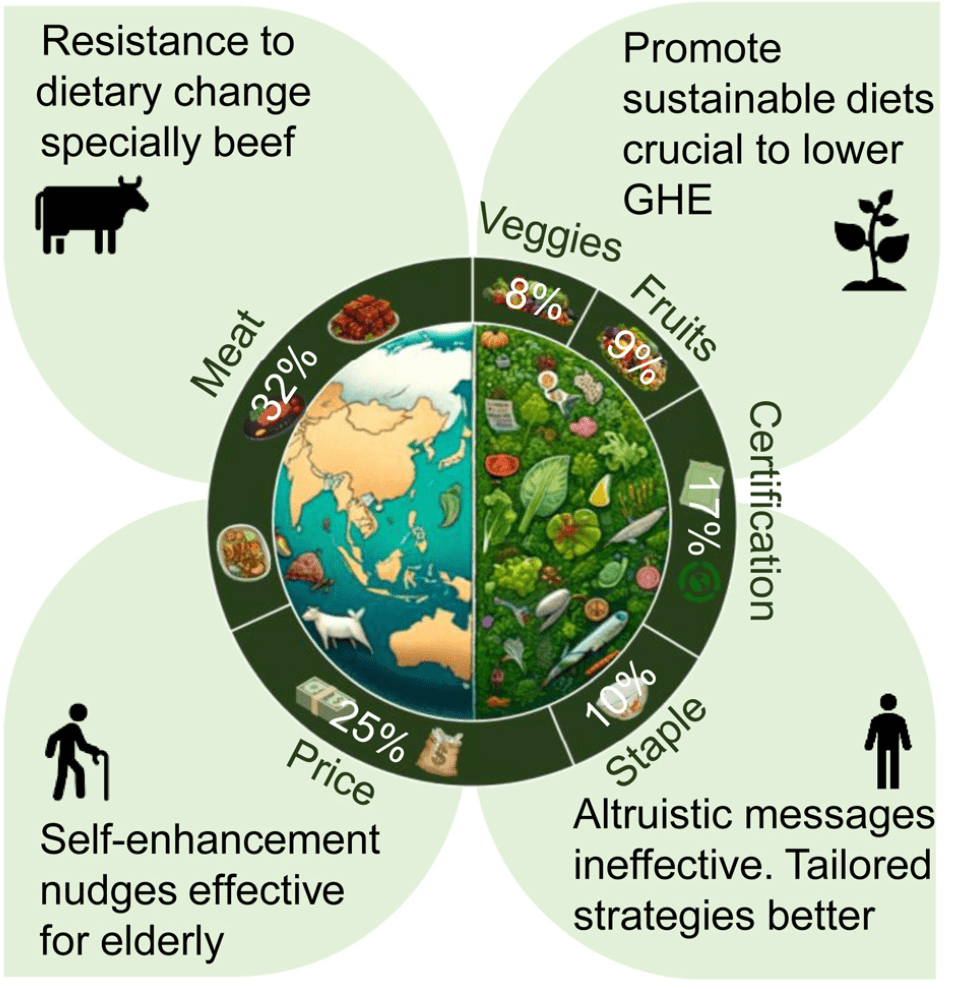
The processed food industry, including giants like Nestlé, Mars, and Kellogg’s, has not only ignored but also exploited the addictive nature of its products. In response to dieting trends, these companies have introduced “diet” foods that are often just as unhealthy as the original products. As obesity rates rise, manufacturers claim to add ingredients that can effortlessly curb our compulsive eating habits. However, these claims are often misleading. The industry uses strategic marketing, product engineering, and internal practices to drive consumer habits and health issues [3][4]. For example, the “bliss point” concept creates the perfect combination of sugar, fat, and salt to maximize palatability and consumption [3].

The Impact on Public Health

Moss’s Hooked provides a gripping account of the legal battles, insidious marketing campaigns, and cutting-edge food science that have led to our current public health crisis. The book highlights how the food industry deepens our addictions and why our food choices have never been more critical. The public health implications are significant, as food addiction can contribute to obesity, diabetes, heart disease, and other chronic conditions [5][6]. Understanding the addictive nature of food and the food industry’s role in exploiting our vulnerabilities is crucial. As we become more aware of these issues, we can make better-informed decisions about what we eat and push for greater transparency and accountability from food manufacturers.

Conclusion

Recognizing the addictive nature of certain foods and the tactics used by the food industry to exploit these cravings is essential for making healthier choices. By staying informed and advocating for better food policies, we can work towards a healthier future for ourselves and our communities.

It’s a choice you can make!

Thank you for reading! Please sign up for my blog crisbiecoach so you don’t miss out on any posts and also for Wise&Shine an incredible online magazine!


References

[1] The 18 Most Addictive Foods (and the 17 Least Addictive) – Healthline

[2] Why Are Certain Foods so Addictive? – Cleveland Clinic Health Essentials

[3] Episode: The Role of the Food Industry in Creating Food Addiction l …

[4] Episode: The Role of the Food Industry in Creating Food Addiction l …

[5] Can food be addictive? Public health and policy implications

[6] The Impact of Food Addiction on Food Policy – PEACH Lab