Why Cultivating a Garden or a Vegetable Garden Is Good for Your Health

Plants improve the air we breathe and can be a place to grow vegetables. Therefore, green spaces have been increasing recently in urban spaces thanks to the creation of rooftop gardens.

For those who live in the city, the importance of having a green space close to home has become necessary during the lockdown due to Covid. From London to New York, parks and public gardens have always offered a precious refuge in the asphalt jungle of the streets, shops and offices that make up the typical urban landscape. But apart from these oases of peace, there is not much room left to become “greener”, which is why we are witnessing the development of rooftop gardens.

From improving physical and mental health to bringing communities closer passing by fighting pollution, the creation of green spaces at the top of the buildings can be truly seductive.

low angle photo of four high rise curtain wall buildings under white clouds and blue sky
Photo by Philipp Birmes on Pexels.com

Here are some benefits you can get from growing a rooftop garden.

They help purify the air

All cities in the world face the same challenge: maintaining quality of life despite the high pollution rate and rising CO2 concentrations. For this reason, planting trees or shrubs on the roofs can be useful to exchange carbon dioxide for pure oxygen. In addition, roof gardens can also improve the insulation of the building, reducing heat loss in winter and maintaining a cooler temperature in summer. In this way, besides making a gift of oxygen to the environment, you will lower the consumption of electricity and heating, paying less expensive bills.

They offer shelter to wildlife

Loss of natural habitat is a threat to wild animals in general.

A roof garden can quickly become a refuge for bees, butterflies and birds, where they can rest and nest, thus keeping the pollination cycle active, which is essential for human nutrition.

They allow you to grow your own vegetables

Tomatoes, courgettes, peas and strawberries, all organic. The fact of sowing and growing your own vegetables is an incredibly rewarding activity that allows you not only to save money but also to eat healthier.

They inspire engaging actions for communities

Why not thinking about involving the primary school close to home by inviting children to discover your garden or vegetable garden? You will be surprised to see the enthusiasm of the little boys and girls. Gardening is a real contribution to integration into the local community. Where I live in Brussels there is an association called Parck Farm that has taken over a greenhouse and created a botanical garden. In addition, it offers small plots of land to cultivate. We share the land together with Belgians of several origins, Poles, Portuguese, … The association also offers the possibility of organising team building activities there. Participants can help members of associations to remove weeds, collect garden products, prepare the soil for winter. Educational activities for boys and girls are regularly scheduled to make them discover the wonders of flowers and plants. Workshops for the preparation of creams and syrups are other events organized by the association to promote integration among the inhabitants of the neighbourhood.

They improve physical and mental health

We all know that spending time in nature revitalises the body, spirit and soul. This practice is known as shinrin-yoku (forest bath) in Japan and has been validated by scientific research. In 2019, a study revealed that spending at least 120 minutes a week (the equivalent of about 17 minutes a day) in nature can have a significant impact on our health and general well-being. Other research has established a link between regularly visiting green spaces, improving sleep and decreasing negative thoughts.
Do you think that those benefits are a good reason to launch yourself into the cultivation of a green space?

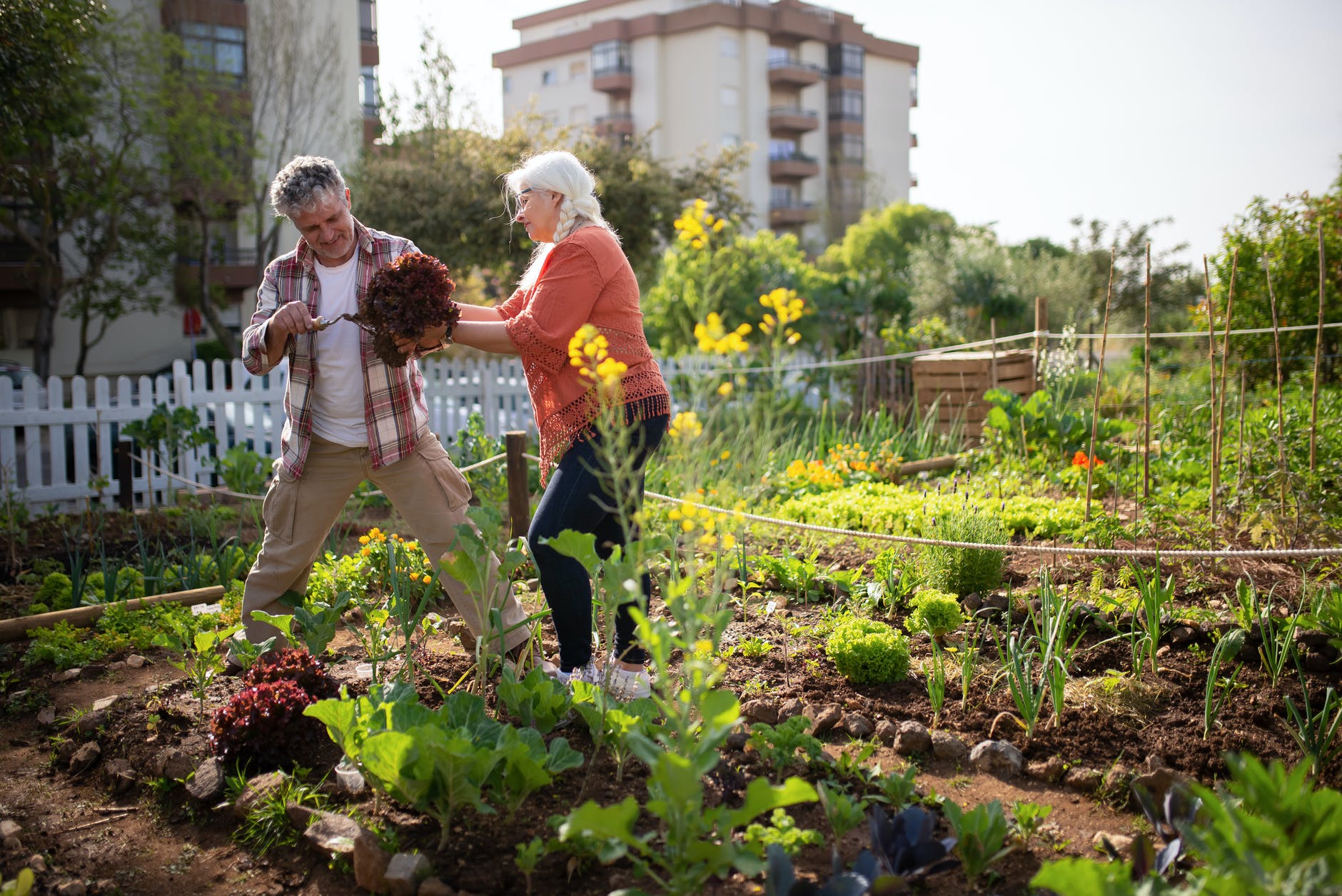
a couple in a vegetable garden
Photo by Kampus Production on Pexels.com

Listening to Your Body with Qi Gong

Qi Gong is an ancestral discipline born in China about 5000 years ago. It has been influenced by various philosophies, such as Taoism, Buddhism and Confucianism.

After having developed within religious and spiritual fields, Qi Gong has been contaminated by fighting techniques becoming in this way also part of martial arts.

photo a man and woman doing martial arts
Photo by Craig Adderley on Pexels.com

Today, more than a thousand forms of Qi Gong are known. Actually, each teacher develops his own technique observing though the same principles and purposes: to stay healthy by keeping the body, spirit and energy in balance.

According to Chinese medicine, good health is the result of a good circulation of energy in the body. Qi Gong is considered a prevention measure.

The search for balance, the precision of intention (Yi), the fluidity of gestures represent not only a path towards self-knowledge but also the pleasure of encountering oneself. With Qi Gong, we learn to love ourselves, to open up to the universe, to live in harmony with everything around us.

In the search for balance, you will experience moments when you focus and moments when you rest. Feeling too much or what is missing, for example when you go from one foot to the other, allows you to become aware of your own fragility. When, on the other hand, you stand on two feet, well anchored to the ground, you feel then balanced, and stronger.

Working on balance brings a feeling of lightness and freedom, without forgetting that through the movements and stimulation of the meridians (energy circulation paths), organic functions improve (circulation, digestion, breathing).

The body is at the centre of the relationship with oneself, with others and with the environment. Body awareness passes through listening to your body at first, by observing muscle tone, tensions, balance, posture and the direction of movements.

Qi Gong can be considered above all as a search for energy balance and harmony between body and spirit. By paying attention to the gestures, we realize that our way of thinking also changes and we get a more peaceful look at the world.

Have you heard about Qi Gong before? What do you think about it?

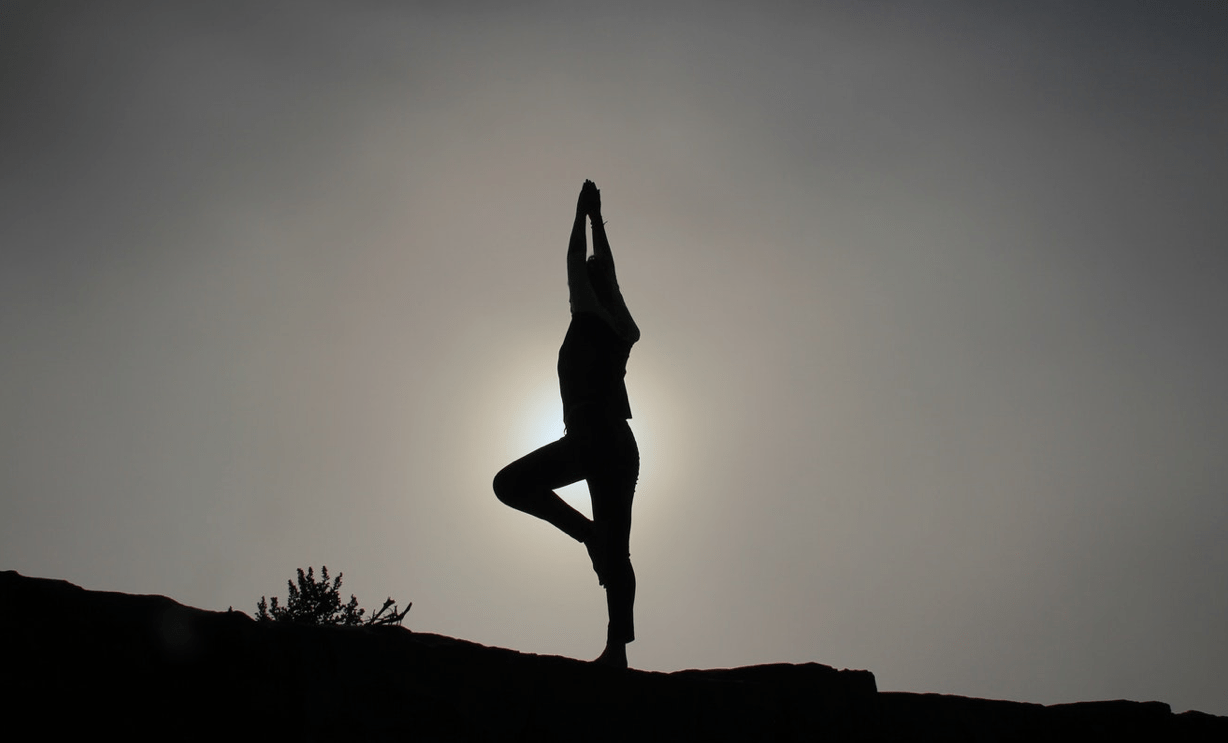
silhouette of person raising its hand
Photo by Pixabay on Pexels.com

How and Why Yoga Helps You Maintain Physical and Mental Balance

Over the last few years, a very old practice has become the subject of scientific studies: yoga. Positive effects on the brain have begun to be measured, such as anti-stress and anti-depressant effects.

The studies began thanks to the spectacular spread of yoga. Millions of people practice yoga regularly. Positions (asanas) such as the warrior or the cobra are increasingly known among different people and age group. The reasons are mainly that persons want to learn how to relax, how to get rid of several kinds of pain (back, neck, shoulders, etc.) manage stress, and maintain good physical shape.

Traditional yoga (from the Sanskrit “yuga” which means “union”) comes from India and is a discipline more than five thousand years old. An important source of this spiritual school, which should guide us towards the divine, is a writing by Patañjali: Yoga Sutra, which contains the essential foundations of the discipline.

According to this essay, the purpose of yoga is to attain a higher form of self-knowledge, which can be achieved with inner contemplation. In addition to specific physical exercises, and breathing techniques, traditional yoga also includes meditation, a vegetarian diet and an entire philosophy of life. The modern and western form of yoga omits many of these elements. The development of strength and plasticity, meditation and breathing exercises play the most important role today.

At the beginning of the twentieth century, a small group of Indian yoga teachers began to spread the teachings of yoga in the Western world. After the explosion of fitness in the 1980s, which focused above all on the cult of the body, the spiritual part has been lost a little. Therefore, in the Western world mainly hatha yoga began to spread.

Photo by Mor Shani on Unsplash

The effects of hatha yoga on health are: improving body consciousness and coordination, strengthening muscles and enhancing blood circulation. Moreover, yoga is also beneficial to stress management.

From experience, I can say that after a yoga session I feel relaxed and rested. It takes longer to reach a similar state with meditation, while hatha yoga produces effects immediately, probably thanks to the more marked physical component. It is actually proved that physical exercise is good for your spirit. Perhaps, this is why yoga is a fast-acting cure-all, as it associates physical exercise with meditative practice.

In fact, by associating postures (asanas) with breathing (pranayama), we act on the body by relaxing the muscles, and on the spirit because the sympathetic nervous system (the nervous system that is stimulated when we rest or sleep) is activated.

Yoga allows you to find calm despite the limits imposed by everyday life. With regular practice, even 5 minutes a day is enough, you will sleep better, your self-confidence will increase, as well as your ability to make decisions and manage stress.

Considering all those positive aspects, are you planning to start practising yoga?

balance blur boulder close up
Photo by Pixabay on Pexels.com

How and Why You Should Listen to Your Body

In our times, we receive information from many sources: emails, social networks, television, people we know and colleagues. Our mind is over-stimulated for the duration of the day and this can cause stress and anxiety, which can also cause a real burn-out.

The excessive exposure to those information is detrimental to the activity of our body which is relegated to a mere container of organs that allow us to move (even if sometimes less than what we should).

Too many hours spent in front of the screen (mobile phone, computer or television) do not allow the body to tone up and therefore regenerate. During the pandemic, it has become even worse, because of the restrictions imposed to avoid the spreading of the virus. We could go out less often, or not at all.

Furthermore, it can happen that we ignore the pain from the body by using analgesics or other types of medicines to avoid feeling sick.

crop patient taking pill from table
Photo by Artem Podrez on Pexels.com

If you do this, know that you are waging war to yourself, because silencing your body will not help you solve the problem.

Our body is sending us important signals that we will need to start considering. By continuing to ignore the messages it sends us, there may come a time when the pain becomes unbearable and it might be too late.

As soon as you hear a strange noise coming from your car, you take it to the mechanic before it breaks down. The same thing you should do with your body.

For example, if you experience often back pain, it means that you need to change your position, adopt a more adequate posture, maybe change chairs or just go for a walk.

Try to think that pain is actually your ally because it wants to tell you that there is something wrong with you and which you should take care of.

Let’s see four techniques that you can use every day to learn listening to your body.

Mental scanner. This is a mindfulness technique that involves mentally scanning of your body from the top of your head to the bottom of your toes to check if each part is healthy.

Daily walks. This is the best way to get up of your chair. Usually all mobile phones have an app to calculate steps. I signed up for a monthly “race” with colleagues to take at least 6,000 steps a day. At the end of the race, there will be an award for the walker who has taken the most steps. Run a race with your friends or colleagues too!

Feeding your body and mind. The Japanese eat up to 80% of their hunger in order not to get heavy (this is a principle of Ikigai). Therefore, eat less but eat healthy, and sleep at least six hours a night so that your body and mind can do a complete “reset”.

Respect the messenger. Instead of taking medicines at the first symptom of discomfort or pain, try listening to your body, what it is communicating to you. Think that your body needs to be considered and looked after. Don’t wait for your body to ask you for help when you are in extreme pain, as remember that it might be too late.

When you don’t feel well, what do you do? Do you listen to your body or you take medications?

namaste sign on wall
Photo by Mikhail Nilov on Pexels.com

Why Your Well-being Must Be a Top Priority

The society we live in often leads us to reverse priorities and put work first. This can negatively affects our quality of life and physical, mental and emotional health.

According to researches carried out in France, physical suffering related to work affects 3.1% of women and 1.4% of men, but according to some experts, the figures are higher. The international classification of diseases identifies burn-out as a work-related phenomenon but in reality work is not the only cause.

With the cost of living constantly rising, we are likely to work longer hours to earn a salary that allows us to provide for our own needs and those of our family. Because of this, many elements of our private life are put aside.

We spend many hours working, reducing the time to eat, to rest, to be with the family, and we do not realize how much this can harm us.

While most of us cannot afford to leave their job, a balance must be found between work and private life to prevent stress from building up in a worrying way.

Photo by Christin Hume on Unsplash

In this period of forced tele-working, it is even more difficult to put boundaries between work and private life. For this reason, many governments have been drafting directives that establish the right to “disconnect”. We need to have the time to do sports, to walk, to take care of our dear ones, to follow our passions or simply to rest.

More and more people suffer from stress, feel exhausted, have problems with nutrition, addictions, or relationship difficulties, and all that because of the long working days, which do not leave us the time to do activities for our well-being.

If you feel you are in one of those situations, know that no salary is worth your health, no job is worth the wear and tear that comes from working days that annihilate your energy and happiness.

If you have no other alternatives to the work you are currently doing, find something positive to balance your life, because otherwise, there may come a time when you will start making mistakes at work and your overall performance will suffer. Start looking for another job but put your health in the first place, because if you get ill it may take a long time to recover.

Your job is an important part of your life, but it is not your life. There is much more: family, health, and friends. Do not allow work to take up all the space in your mind and body, taking the joy away from you.

Remember always taking care of yourself first, because this is the only way you can live a better life.

How do you take care of yourself?

Photo by KT on Unsplash

Late Bloomers: Instructions For Use

There is a direct relationship between ageing, physical, and mental activity. People who adopt a sedentary and passive lifestyle after retirement accelerate their ageing process. Lack of movement diminishes the body’s responsiveness and few social relationships inhibit intellectual abilities.

If we add also loneliness, the ageing process accelerates. Spending the day without stimuli other than television or cell phone, without seeing anyone or going out can cause you to lose motivation to take care of yourself and your health. Many of the illnesses we attribute to age are not due to age.

On the other hand, an active and purposeful person (a person with a purpose of life – ikigai) keeps connections and maintains healthy habits.

Photo by Alex Perri on Unsplash

Therefore, to keep fit, why don’t you follow those three tips coming from Japan?

1.  Give yourself a goal for your next birthday. For example, you may decide to practise some moderate physical activity every day to lose weight and reach that goal by your birthday. In addition, sport promotes the production of endorphins, the hormones of happiness.

2.  Reconnect with nature. Practice shinrin yoku at least once a week, or immersion in a forest recommended by Japanese doctors to promote longevity. Furthermore, this practice can also protect you from diseases because the proximity to plants strengthen the immune system.

3.  Be grateful. In the same way that an attitude of complaining and constant anger increases the level of cortisol (the stress hormone), an attitude of gratitude towards life and the people around us, promotes serenity and the joy of living.

Remember that life expectancy is statistically high in our Western societies. Most likely, you still have two good decades of “useful” life left after retirement that you could fill with meaning and activity.

Ageing with care is an art. The third age, which I prefer to call third youth, can become an opportunity to be able to love you more and take better care of yourself. Find something you enjoy doing or that you can attach an immediate reward to, and involve friends to add the lovely component of socializing.

What are your plans for your third youth?

Photo by Joanna Kosinska on Unsplash

5 Secrets To Sleep Better

We all know someone who complains about not sleeping or sleeping badly. In Europe, about one third of the adult population has difficulty falling asleep and between 10% and 15% suffer from chronic insomnia. I myself have suffered from insomnia for a long time. This is a problem that can have various causes (from the excessive use of digital devices that emit blue light – computers, tablets, TVs, etc. – to biological issues). One of the causes may also be the obsession with sleeping well.

What is this obsession? It is a phenomenon called orthosomnia (from the Greek ortho, “perfect”, and from the Latin somnia, “rest”) and, according to experts, although it is not yet considered a disorder, it is getting increasingly common. It consists in continually recurring thoughts, that I call “circular thoughts”, namely thoughts that enter a vicious circle precisely because they are always the same and recur all the time. The main causes of these thoughts are, guess what, stress and anxiety. Not being able to sleep, your mind does not stop thinking about the same things over and over (hence circular thoughts, i.e. thoughts that come back).

If you suffer from insomnia, even if not severe, it would be good to do a complete sleep study (polysomnography) to find an effective solution. I had this test. I was in a sleep clinic for one night, with electrodes attached all over the body including, of course, the head. I have found that, during my sleeping time, Alpha waves (the brain waves typical of the awaking period) intrude from time to time.

The obvious solution would be to try eliminating or at least reducing stress. I know, it’s not easy. Therefore, I propose that you try the following five tips.

Photo by Alex Basov on Unsplash
  1. Learn to breathe well and deeply by practising a discipline such as Yoga, Pilates or meditation.
  2. Create a relaxing environment. A quiet home is the key to a restful night. If you have trouble falling asleep, keep your bedroom clean and clear of unnecessary items, tidy up the things you have left lying around and you will see that you will have a more peaceful night.
  3. Use essential oils that are particularly suitable for inducing sleep, such as lavender or chamomile.
  4. Create a playlist to help you relax and fall asleep.
  5. Try using Bach Flowers and melatonin. White Chestnut against circular thoughts and Rescue Sleep to help you fall asleep. I used them for several months, then gradually I stopped and now I suffer much less from thoughts that come back and I also sleep much better. At the moment I use only melatonin and I think it is a good solution for my insomnia.

And you, do you suffer from insomnia? Do you have circular thoughts that haunt you? Would you try these tips?

Photo by Cristiana Branchini

6 Ways To Warm Up Your Hands

Are you like me who always have cold hands in winter? Here are six remedies ((without putting them on the radiator) that you can easily use to warm up your hands during this winter that is rather cold.

Photo by Koko 19091 on Pixabay
  1. When you go out put on your gloves, of any kind they are: traditional, in thermal material, or with a battery. To avoid arthritis you should wear natural fibre gloves, such as cotton or wool, but it is true that gloves made of thermal material, such as those used for skiing, are warmer. In any case, you shall wear them with warm hands already, therefore before leaving your place, otherwise it will take longer to warm them up.
  2. Use hand cream. It helps you to form a protective barrier which then decreases the feeling of cold. A thick cream is certainly more useful than a fluid cream. In addition, it also helps you to prevent the formation of cracks caused by frequent washing, which is absolutely necessary in times of pandemics, like the one we have been living for about one year.
  3. Avoid smoking (your lungs will be happier too). You will not have to go out on the balcony (if you live with some other people who don’t smoke) and you will avoid tobacco hindering blood flow, a constriction that causes a drop in body temperature since less blood will be circulating.
  4. Give a warm hug. Contact with bodies is the best way to transmit heat. Many people put their hands under their arms to be warmer when they feel cold or when they are in a cold environment. Of course, hugging in the days of Covid is not recommended, so do it only with those who live with you.
  5. Put your hands into warm water. This remedy is also used to treat freezing symptoms. However, you must be careful since, with the loss of sensitivity of the hands caused by the cold, there is the serious risk of burning them if the water temperature is higher than 40/42 degrees.
  6. Say goodbye to alcoholic aperitifs and drinks. Although there is the idea that alcohol heats you up, this is a misbelief. The truth is that it is only a temporary sensation. Alcohol, like smoking, facilitates the vasoconstriction of the arteries. Much better to drink a hot herbal tea or tea.

Would you try one of those remedies and let me know if it works? I use gloves and put hand cream, and actually it works!

Photos by Free Photos on Pixabay

How To Cope With the Fatigue Caused by the Covid-19

For about a year, we have been facing a health crisis that does not give us a break and actually begins to cause psychological effects.

If you feel tired and have little energy to do things, know that you are not alone.

Fatigue is one of the most common consequences of this pandemic. We are exhausted for several reasons. The disease directly causes one of them. Obviously, if you had the Covid, you have been more tired afterwards; it takes some time to recover from it and to get back into shape.

The World Health Organization (WHO) has defined “pandemic fatigue” the fatigue resulting from always being super attentive to the precautionary measures that we must comply with in order not to catch the virus.

More and more people suffer from nervousness, anxiety and feel pushed to the limit of their ability to bear the situation.

This state of hyper vigilance with Covid represents a constant strain of our hormonal and endocrine system which results in greater anxiety and, sometimes might turn into depression.

The economic situation and the uncertainty about the future we are living now are working our nerves out.

Photo by RD LH on Pixabay

In addition, you have to consider the deprivation of liberty caused by the lockdown.

Knowing that we are vulnerable to pandemic fatigue, we must put into practice measures that help us regain some well-being.

Here are 3 ideas that may help you out:

  1. Normalize what you feel. It is normal for you to feel stressed or sad. These last months are even harder because we are in winter and we do not see the way out (during the 1st wave we had summer ahead).
  2. Your well-being must become your priority. Just as you pay attention to wearing a mask, respecting safety distances and washing often your hands, you must take care of your well-being. Try to eat healthy, practise physical activity even at home, and talk to friends or beloved ones even if you cannot do it in person. If the rules in force allow it, go out, especially when it is sunny. Vitamin D is good not only for the body but also for the spirit. Find a hobby, or if you had one before, start doing it again.
  3. Give your mind a break. Stop listening to the latest news on Covid. Take a break from the news. Give yourself permission to disconnect. If you miss the latest update on the contagion data, nothing will happen. When you talk to someone, try to avoid the Covid topic. It is not a matter of pretending nothing has happened, but simply of avoiding further fatigue.

Let me know which tips you find more useful!

Photo by Ivabalk on Pixabay

5 Steps To Be Healthy During the Winter

Winter, which is about to come, looks like a difficult season due to the cold temperatures that bring with it diseases such as colds, coughs, flu and this year Covid also. To protect yourself adequately, it is necessary to strengthen your immune system.

Here are 5 essential things to do for an efficient immunity.

  1. Healthy and balanced nutrition. Proper nutrition provides the energy needed to stay fit and to produce antibodies. You will therefore have to be careful to consume seasonal fruit and vegetables, limiting industrial and over-sweetened products. The ideal is to prepare your own meals, limiting sodas, pastries and alcoholic beverages because they can hinder the immune system. Some vegetables, such as mushrooms (like shiitaki), garlic, onion, shallot, and ginger have antibacterial properties. To stimulate our immune defences, you must also include fats in your diet, favouring mono-saturated or poly-saturated fats (fish such as sardines or mackerel and vegetable oils such as extra-virgin olive oil). It is highly recommended avoiding saturated fats like butter and whole milk. It would also be important to take a probiotic cure to strengthen our intestines. Perhaps you know that 70% of our immune system is in our intestines and probiotics strengthen the intestinal mucosa, especially in winter or if you have a serious or chronic illness. These micro-organisms are found in yoghurt and fermented milk. Another important part of winter nutrition are elements like zinc and selenium, which also contribute to stimulating the immune system and are found in foods rich in proteins such as crustaceans, egg yolk, poultry and the cheese.
  2. Vitamins. Vitamin A is a precious ally of immunity because it stimulates the production of antibodies. Products of animal origin such as meat, fish, whole milk and milk products in general are rich in vitamin A. Vitamin C, found in fruits and vegetables, helps the formation of immune cells. Vitamin E is naturally present in sunflower seeds and vegetable oils. It has to be an important part in the nutrition of elderly people because it compensates for the loss of immune defences due to ageing. As for vitamin D, its effectiveness is proven in the regulation of immunity. It also acts to counter the development of some autoimmune diseases such as multiple sclerosis. The main source of vitamin D is the sunlight. If you live in Belgium like me, or in another country in the Northern hemisphere, where the sun is scarce during the winter, taking supplement of vitamin D is recommended, especially if you are a woman in menopause or a person of a certain age. It is true that you can also find it in fatty fish, but in small quantities.
  3. The quality of sleep. Sleep disorders affect many people. The benefits of a pleasant night are well known. Stress and toxin are eliminated, tissues are repaired, cells are regenerated and you wake up in a good mood. A good sleep, in addition to having these effects, also strengthens your immune system and protects you from infections. To be well rested, you need to get enough sleep, between 6 and 8 hours. If you are having trouble falling asleep, have a ritual to clear your mind, avoid drinking coffee, overeating, and drinking too much alcohol in the evening. To prepare for a quiet night, remove from your room all the elements that stimulate your attention too much and emit blue light (TV, mobile phone, computer). Practising a relaxing activity such as meditation and reading before sleeping, may help you in falling asleep. An herbal tea before going to bed may also help you.
  4. Exposure to light. Light has an impact on the regulation of the biological clock. The lack of light, or the wrong light (artificial light, the blue light from the LED screens I mentioned earlier, night work shifts, or too rich diets), could have consequences on sleep and the immune system. To regulate your biological clock, try to get maximum exposure to sunlight, letting it into your home and workplace. In case of major disorders, you can buy a light therapy lamp that simulates sunlight in intensity and light spectrum. You can find them in every price range.
  5. Finally, physical activity. Regular physical activity has a direct effect on immunity. By improving blood circulation, exercise allows the different components of the immune system to spread better in the body. In older people, it helps prevent the decline of immune functions. But be careful not to practise too intensely as this could have a counterproductive effect. It is quite easy to practice good habits to get some physical activity on a daily basis. For example, you can take the stairs instead of taking the elevator or you can walk 30 minutes a day. If you want to go to the gym (a bit difficult in these Covid times), take it easy and listen to the advice of your coach or use an app.

So, are you ready to face the winter?

Photo by Okan Caliskan on Pixabay