Four Tips for Fitting Self-Care Into Your Busy Schedule

No matter how busy you are, it is important that you take a little time for yourself. This is called self-care, and far from the extravagant images the phrase may call to your mind, the practice is about providing you with the energy and stability to live your best life every day. This often consists of the basic needs you may take for granted (and often skip past after a stressful day), like taking breaks and getting enough sleep. The good news is it can be easy to incorporate self-care into your busy life, whether you use a device to track how many steps you take in a day or take a quick nap during your lunch break. Here are some ways you can incorporate self-care into your day in a way that will actually help you when you need it the most.

  1. Enhance Your Fitness with a Tracker
    Many who lead busy lives believe that there just isn’t enough time in the day to exercise. The reality is you can squeeze it into your schedule, and you should. Exercise can make you feel more relaxed and less stressed, and it can provide an energy boost to help you get through your day. If you don’t know which workout to try, start by adding more walks into your schedule. Take a stroll through your neighborhood after dinner, or park farther away from the supermarket. Be creative and look for more ways to walk and take the stairs instead of driving or riding the elevator.
  2. Make the Most of Break Time
    Breaks are critical for your emotional health throughout a work day, but that doesn’t mean you have to sacrifice a portion of the time you have to accomplish your tasks each day. Instead, use the time you already have set aside as a time to do double duty. Most people take the time, whether it is a quick 15 minutes or an extensive hour, to have a healthy lunch in the middle of their day. You can take this one step further by using your lunch break as a break in the larger sense of the word. Do not take a work project to the deli with you, and don’t bring back a sandwich to eat while you make the finishing touches on a report. Instead, use your lunch break as a time to distance yourself from work and clear your mind.
  3. Use Your Breaks to Evaluate Your Workload
    Your daily breaks can also help set you up in the right position to be healthier in a well-rounded kind of way. Taking breaks from the constant stream of work can give you an opportunity to go over your current workload in a more analytical way. For instance, if you feel like you never have enough time to spend time with family or friends, or even to take care of yourself, you may need to practice saying “no” more frequently at work. Saying “no” is not intrinsically a bad thing, in fact, it can be very healthy, as turning down projects means you are self-aware enough to understand you cannot take on any more projects without sacrificing your health. If you constantly feel stressed, there is a chance you are trying to do too much.
  4. Support the health of your gut
    Finally, when you cook your meals each day, you can make them even better for you by focusing on the health of your gut. Gut flora, the bacteria that live inside your digestive system, are critical for maintaining healthy levels in your body. You can help keep them healthy and support good bacteria by eating (or abstaining from) certain food or by including certain supplements into your diet. Bacillus coagulans, for instance, support intestinal health, while
    saccharomyces boulardii protect against harmful microbes.

By making the most of your break time and regulating the amount of work you take on each week, you can help take care of yourself without even changing your schedule.

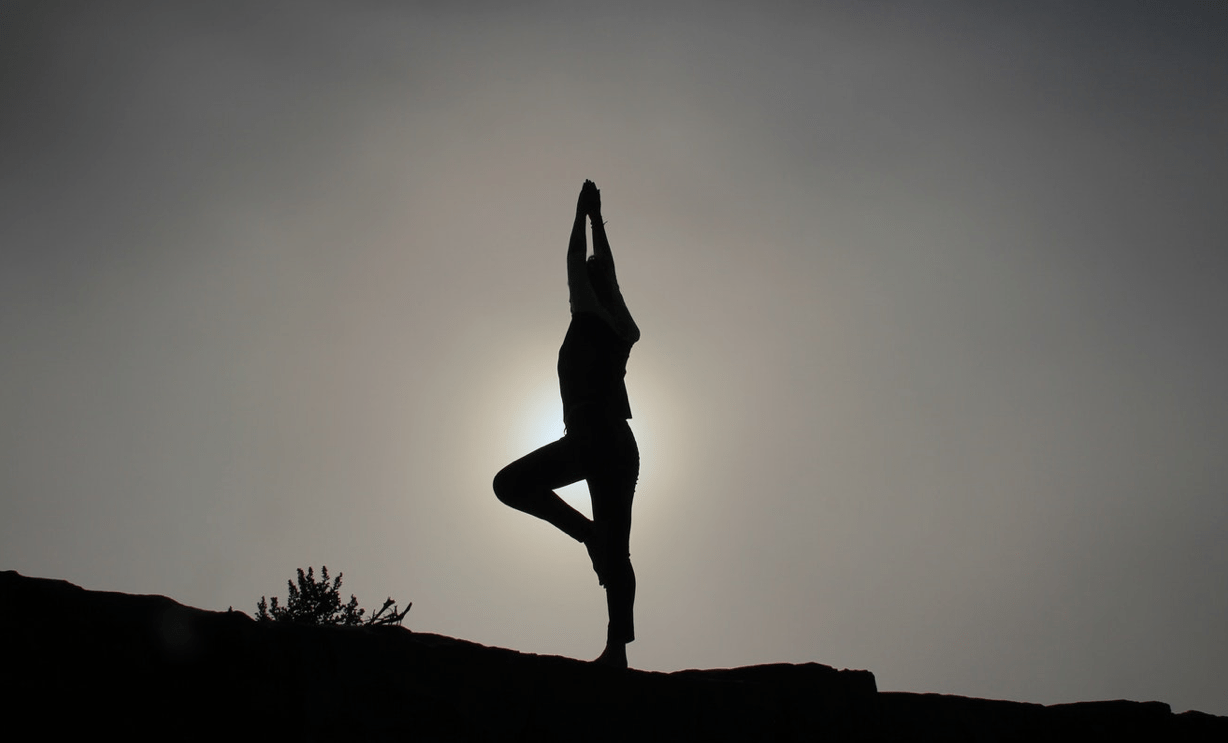
The Benefits of Yoga

Do you know yoga can do more than just strengthen and tone your body? Recent research shows it can have a powerful effect on your health—making it a perfect remedy for several diseases, from high blood pressure to anxiety and depression.

For years, yoga was considered part of the New Age. But today you can find yoga classes all over, and people are giving it a try.

You may already be familiar with some yoga moves such as downward dog and mountain pose, but yoga is more than that. It’s a total mind-body workout that includes: postures, breathing practices, deep relaxation, and meditation that helps improve your health in several ways.

Some health benefits:

  1. Yoga helps you improving your balance, flexibility, strength, and coordination
  2. Yoga can help reduce your risk of heart disease
  3. It may be the perfect way to relieve migraines and fight osteoporosis
  4. Yoga can undo the harmful effects of stress
  5. Relaxing breathing techniques you can practice anywhere so you can stay calm and release tension

Plus, the meditation component of yoga may even help to delay the beginning of Alzheimer’s disease and fight age-related declines in memory.

Why not give yoga a try and see how it can help your health?

Get Your Energy Back by Following These 5 Tips

Spring brings back light. The short winter days are now a memory. It is the perfect time to recharge your batteries and repair your body, your spirit and your soul. Find your energy to get a good start.

Spring is the season of renewal. Every spring day is a new departure. Each morning represents a new chance to reach your goals and follow your dreams.  

To get the best out of this spring spirit, here are 5 tips to regain your well-being.

1.Take care of yourself and adopt a healthy sleep pattern. Sleep is essential for physical and mental well-being, specialists recommend sleeping between 7 and 9 hours per night. Feeling rested after a good night’s sleep allows you to better manage your energy during the day.

Tips: Plan your day the night before. In the evening, do restful activities. Create an environment favourable to rest by eliminating strong light and screens (TV, computer but also mobile phone) in your room. Practise yoga or meditation exercises.

2. Energy is on the plate. Breakfast is the most important meal of the day. With it, you establish the blood sugar level, avoid the cravings during the morning and give your body the energy it needs to function. Beware of some foods that could be counterproductive. Too sweet food gives you an immediate energy boost but, when over, they will leave you more tired than before.

Tips: Avoid sugars and caffeine in excess and favour food that makes you feel full, such as bananas or apples. Drink large quantities of green tea (which also helps weight loss and prevents cells aging). Buy fresh fruit and vegetables and try to eat less refined food (whole grains would be great). Make the menu of your week and fill up the fridge to avoid coming home hungry and having nothing to eat. By doing so, you will eat what you have and will not order food to be delivered at home. Establish a regular daily meal pattern. Have you ever thought about learning to cook?

3. Meditation is useful for your well-being. We live at high speed. Sometimes this rhythm of life prevents us from fully living the things we do and focusing on them. Many activities can help us take better advantage of the present moment and meditation is at the top of the list. Before going to work, focusing on the rhythm of breathing (inhale / exhale) can help you face the day more calmly. Meditation has beneficial effects on the brain and the general well-being.

Tips: Meditate every day at the same time: wake up your senses by disconnecting yourself for a few minutes. You do not have time? Try meditating in the shower or while you are on the bus or on the metro! It is enough to breathe with awareness. Relax while remaining alert. Follow your cat’s example, if you have one. But don’t meditate while driving!

4. Move to reduce your fatigue. Even if this statement may seem contradictory, sport is the best way to lighten your spiri up, remove your anxiety and regain your energy. Physical activity can stimulate the mitochondria, which are the generators of the body’s energy. So what are you waiting for? Put your sneakers on!

Tips: Walk at least 10,000 steps a day (I know, they are a lot). Try the sun salutation, a sequence of yoga positions that helps you release endorphins in the blood and then help you be in a good mood and spirit and energised. Practise yoga, Pilates, take a bike ride or a walk with your colleagues. Walk with awareness, focusing on each one of your steps and trying to feel the contact with the ground from the top of your heels to the tip of your toes.

5. More balance for more energy We often overlook the importance of emotional balance in everyday life. The harmony of the senses can help us feel better and improve our relationships with others. Pay attention to your emotions and learn to manage them. Do not prevent yourself from expressing them, in the appropriate ways and occasions, of course, otherwise you risk that they would become too intense and then you will no longer take control over them. Take full advantage of positive emotions and try to accept your feelings in moments of sadness or distress. Emotions have their reason for being: they are the ones who determine our actions.

Tips: Try looking at things from a broader perspective: everything in life is useful, even if it does not seem like that. Try not reacting immediately, breathe deeply and remind yourself that it will go away. If you really have to take a position, count up to ten before speaking. Set goals regularly to get the best out of yourself by living again your feelings or thoughts.