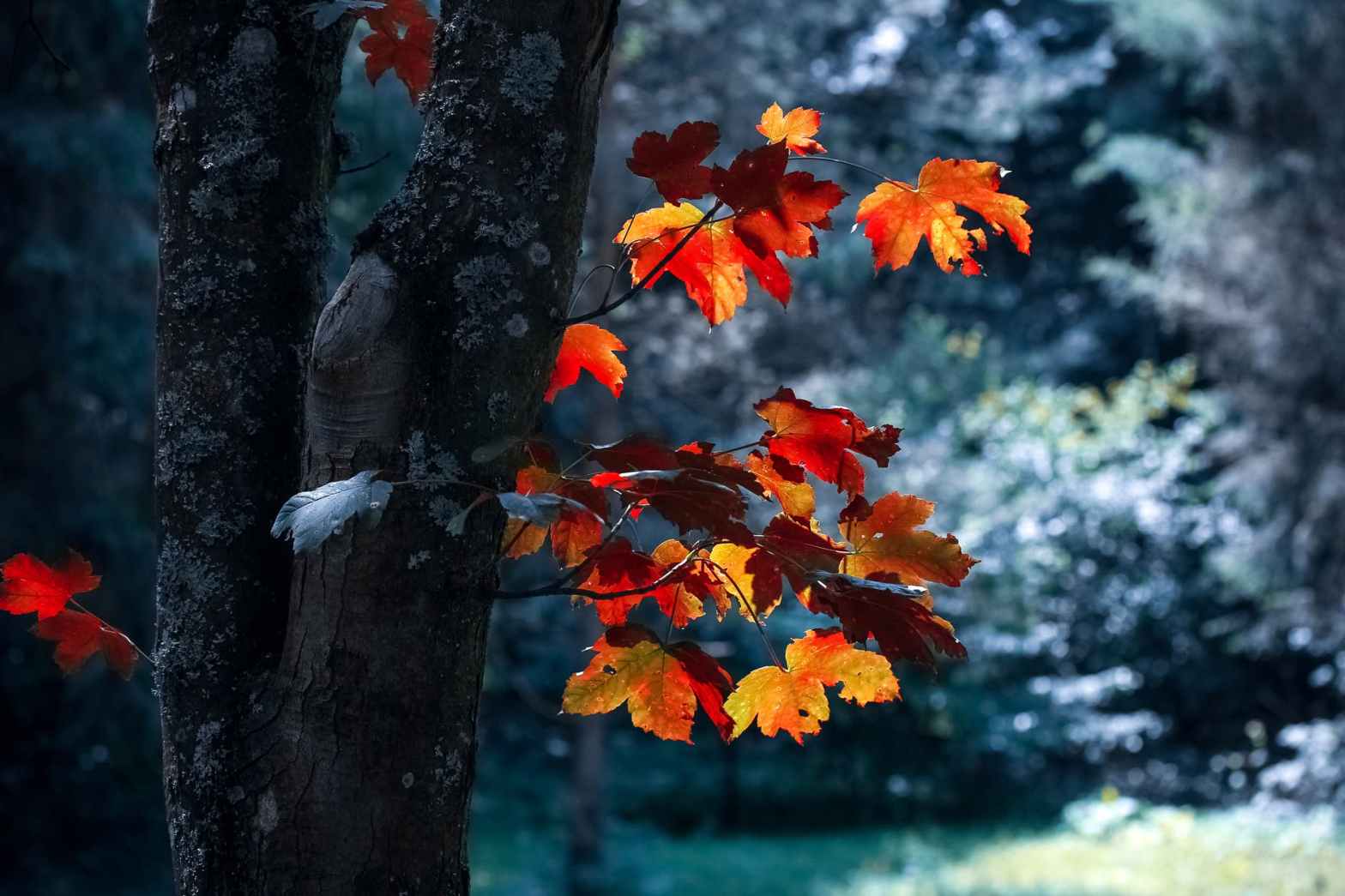
Come gli alberi perdono le foglie, in autunno noi perdiamo i capelli.
Una pianta che rallenta la caduta dei capelli è l’ortica. Remineralizzante grazie al silicio che contiene, ricca di ferro, vitamina B e altri minerali e oligominerali, l’ortica aiuta nella prevenzione dell’anemia, drena leggermente le reni e rafforza i capelli, le unghie e la pelle.
Utilizzandola in polvere o in capsule per tutta la durata dell’autunno, ti ritroverai con capelli più voluminosi, delle unghie più forti e una pelle che mantiene la sua luminosità.
Durante l’autunno, le giornate si accorciano e potrebbe mancarti un po’ di motivazione. Prova a usare la rodiola. Ti aiuterà ad adattarti ai diversi tipi di stress che subisci. È una pianta con proprietà antidepressive e aumenta la produzione di dopamina nel cervello, aiutandoti cosi a ritrovare una certa motivazione e dell’entusiasmo per cominciare nuovi progetti anche in autunno. Può prevenire il burn-out, professionale ma anche personale. Nel periodo autunnale, quando hai bisogno di più carica, la rodiola ti aiuterà a non soccombere alla progressiva mancanza di luce.
Le foglie d’arancio sono un toccasana per l’anima perché la conforta, calma l’ansia, lo stress e il nervosismo. Si dice che possano riconnetterti al tuo bambino interiore. Sono un riequilibrante nervoso di prim’ordine, dotato anche di proprietà antispasmodiche, se gli spasmi sono di origine nervosa (tosse, mal di pancia).
Mi raccomando se hai delle condizioni di salute particolari o se sei incinta, consulta il tuo medico. Le piante hanno potenti proprietà e bisogna stare attenti.
How can you resist the temptation to drink a good glass of wine, eat a piece of cake or skip the gym and go to the cinema instead?
“The only way to get rid of temptation is to yield to it” said Oscar Wilde.
Diet, sport, sleeping enough are fine, but sometimes indulging in the breach of the rule helps your psycho-physical well-being and eases the performance anxiety that often accompanies a healthy lifestyle.
However, in addition to giving in to temptations, we can learn to control them.
A child is left alone in a room in front of a Marshmallow: they can choose whether to eat it immediately or wait 15 minutes and get two as a reward. Some children will know how to wait; others, unable to resist, will throw themselves on that inviting sugar candy.
The professor compared throughout the years the self-control skills shown by children with the successes achieved in their adult age and found out that those who did not eat the marshmallow achieved more goals in life.
Is self-control therefore the secret of success? Is it postponing rewards really more likely to bring success in life?
The Mischel experiment actually explains how self-control is fundamental in studying, in sport, at work and in many other circumstances of your life.
Self-control means knowing how to make decisions in the right time and in the right place to improve your skills to not yield to the temptation of a marshmallow.
People who are best at mastering their decision-making are generally people who are better off. They eat well, play sports, get enough sleep. These people structure their lives around good habits and build routines that are easy to follow.
Eating a piece of pie is not a moral failure, even if you have decided to go on a diet. Giving up on the piece of cake may cause you more stress and therefore cause you more harm than eating it. The trick is rather to avoid buying a cake or passing in front of a cake! But don’t feel guilty if you eat a slice. Don’t forget that an excess of willpower can also be more harmful because, as mentioned before, it can cause additional stress.
Self-control depends on your choices and it is your responsibility. Stress has become a personal burden, which you are called to manage alone with the help of techniques, like meditation, coaching, yoga.
Remember that it is important to recognize your own limits because it makes you become aware of the fact that you cannot be perfect and control everything.
Come resistere alla tentazione di bere un buon bicchiere di vino, mangiare una fetta di torta o saltare la palestra e andare invece al cinema?
“L’unico modo per liberarsi di una tentazione è cedervi” diceva Oscar Wilde.
Vanno bene la dieta, lo sport, il sonno a sufficienza, ma a volte concedersi degli strappi alla regola (i famosi “sgarri”) aiuta il tuo benessere psico-fisico e allenta l’ansia da prestazione che spesso si accompagna allo stile di vita salutista.
Tuttavia, oltre a cedere alle tentazioni possiamo imparare a controllarle.
Un bambino viene lasciato da solo in una stanza davanti a un Marshmallow: può scegliere se mangiarlo subito oppure attendere 15 minuti e averne in premio ben due. Alcuni bambini sapranno aspettare; altri, incapaci di resistere, si lanceranno su quell’invitante dolcetto di zucchero.
II professore ha comparato nel tempo le capacità di autocontrollo dimostrate dai bambini con i successi ottenuti da adulti e ha dimostrato che chi ha saputo aspettare ha raggiunto più traguardi nella vita.
L’autocontrollo è dunque il segreto del successo? Chi sa tenere a bada gli istinti e rinviare le gratificazioni ha più probabilità di realizzarsi nella vita?
L’esperimento di Mischel in effetti spiega come l’autocontrollo sia fondamentale nello studio, nello sport, nel lavoro e in tante altre circostanze della vita quotidiana.
Sapersi controllare significa saper prendere le decisioni giuste al momento giusto e creare così le competenze adatte per non cedere alla tentazione del Marshmallow.
Le persone che sanno padroneggiare al meglio le tentazioni sono generalmente le persone che stanno meglio. Si nutrono bene, fanno sport, dormono a sufficienza. Queste persone strutturano la loro vita attorno a delle buone abitudini e costruiscono delle routine facili da realizzare.
La buona notizia è che nuove abitudini si possono acquisire.
Mangiare un pezzo di torta non è un fallimento morale, anche se hai deciso di metterti a dieta. Rinunciare al pezzo di torta potrebbe procurarti più stress e quindi causarti più danno che non mangiarla. Il trucco consiste ovviamente nell’evitare di comprare una torta ma anche quello di non passare davanti a una pasticceria! Ma non sentirti colpevole se ne mangi una fetta. Non dimenticare che anche un eccesso di forza di volontà può avere controindicazioni perché, come detto prima, può causare stress aggiuntivo.
L’autocontrollo dipende dalle tue scelte ed é una tua responsabilità. Lo stress è diventato un fardello personale, che sei chiamato a gestire da solo con l’aiuto di tecniche, come la meditazione, il coaching, lo yoga.
Ricorda che è importante riconoscere i tuoi limiti perché ti permette di diventare cosciente del fatto che non potrai mai essere perfetto/a e controllare tutto.
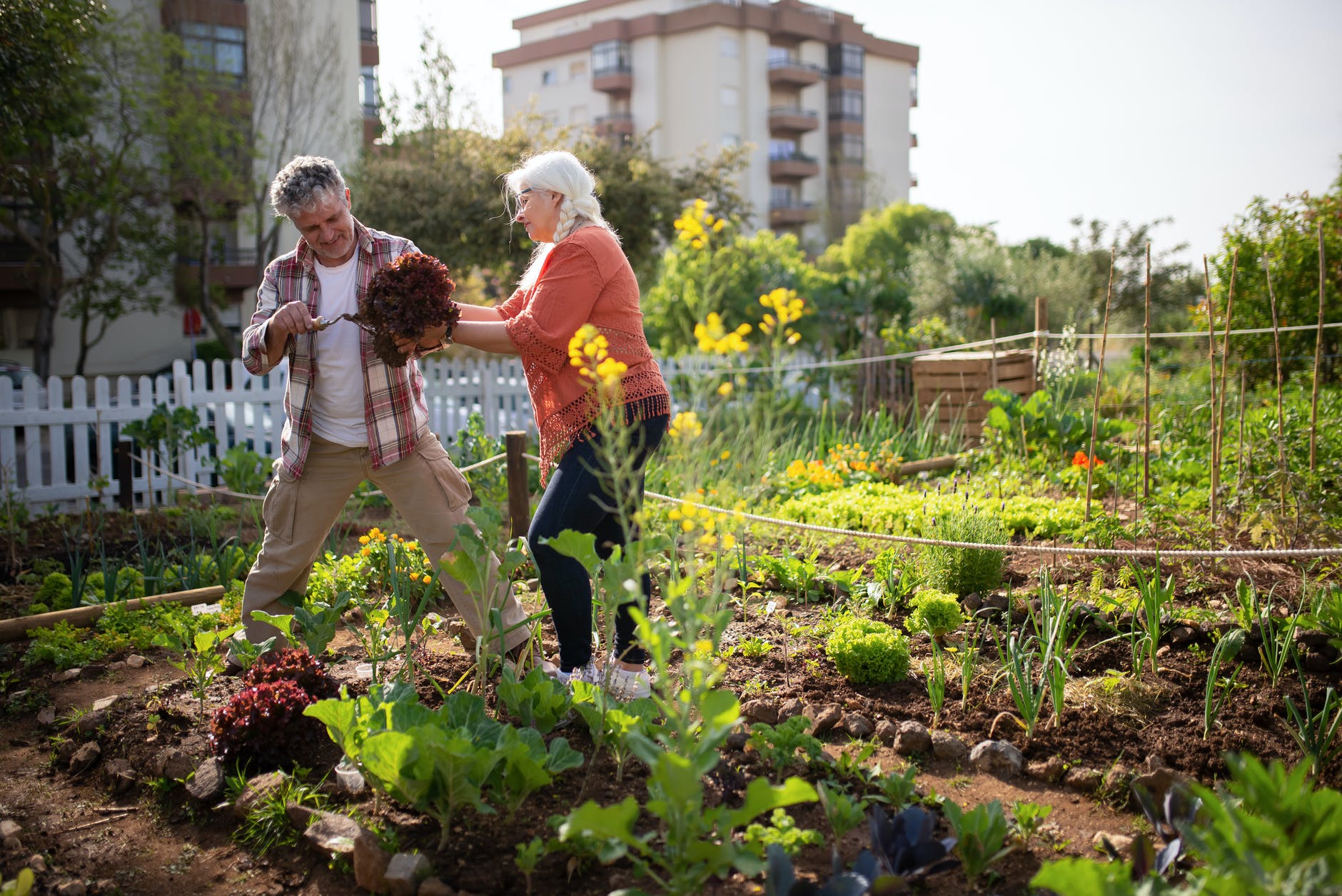
Plants improve the air we breathe and can be a place to grow vegetables. Therefore, green spaces have been increasing recently in urban spaces thanks to the creation of rooftop gardens.
For those who live in the city, the importance of having a green space close to home has become necessary during the lockdown due to Covid. From London to New York, parks and public gardens have always offered a precious refuge in the asphalt jungle of the streets, shops and offices that make up the typical urban landscape. But apart from these oases of peace, there is not much room left to become “greener”, which is why we are witnessing the development of rooftop gardens.
From improving physical and mental health to bringing communities closer passing by fighting pollution, the creation of green spaces at the top of the buildings can be truly seductive.
Here are some benefits you can get from growing a rooftop garden.
They help purify the air
All cities in the world face the same challenge: maintaining quality of life despite the high pollution rate and rising CO2 concentrations. For this reason, planting trees or shrubs on the roofs can be useful to exchange carbon dioxide for pure oxygen. In addition, roof gardens can also improve the insulation of the building, reducing heat loss in winter and maintaining a cooler temperature in summer. In this way, besides making a gift of oxygen to the environment, you will lower the consumption of electricity and heating, paying less expensive bills.
They offer shelter to wildlife
Loss of natural habitat is a threat to wild animals in general.
A roof garden can quickly become a refuge for bees, butterflies and birds, where they can rest and nest, thus keeping the pollination cycle active, which is essential for human nutrition.
They allow you to grow your own vegetables
Tomatoes, courgettes, peas and strawberries, all organic. The fact of sowing and growing your own vegetables is an incredibly rewarding activity that allows you not only to save money but also to eat healthier.
They inspire engaging actions for communities
Why not thinking about involving the primary school close to home by inviting children to discover your garden or vegetable garden? You will be surprised to see the enthusiasm of the little boys and girls. Gardening is a real contribution to integration into the local community. Where I live in Brussels there is an association called Parck Farm that has taken over a greenhouse and created a botanical garden. In addition, it offers small plots of land to cultivate. We share the land together with Belgians of several origins, Poles, Portuguese, … The association also offers the possibility of organising team building activities there. Participants can help members of associations to remove weeds, collect garden products, prepare the soil for winter. Educational activities for boys and girls are regularly scheduled to make them discover the wonders of flowers and plants. Workshops for the preparation of creams and syrups are other events organized by the association to promote integration among the inhabitants of the neighbourhood.
They improve physical and mental health
We all know that spending time in nature revitalises the body, spirit and soul. This practice is known as shinrin-yoku (forest bath) in Japan and has been validated by scientific research. In 2019, a study revealed that spending at least 120 minutes a week (the equivalent of about 17 minutes a day) in nature can have a significant impact on our health and general well-being. Other research has established a link between regularly visiting green spaces, improving sleep and decreasing negative thoughts.
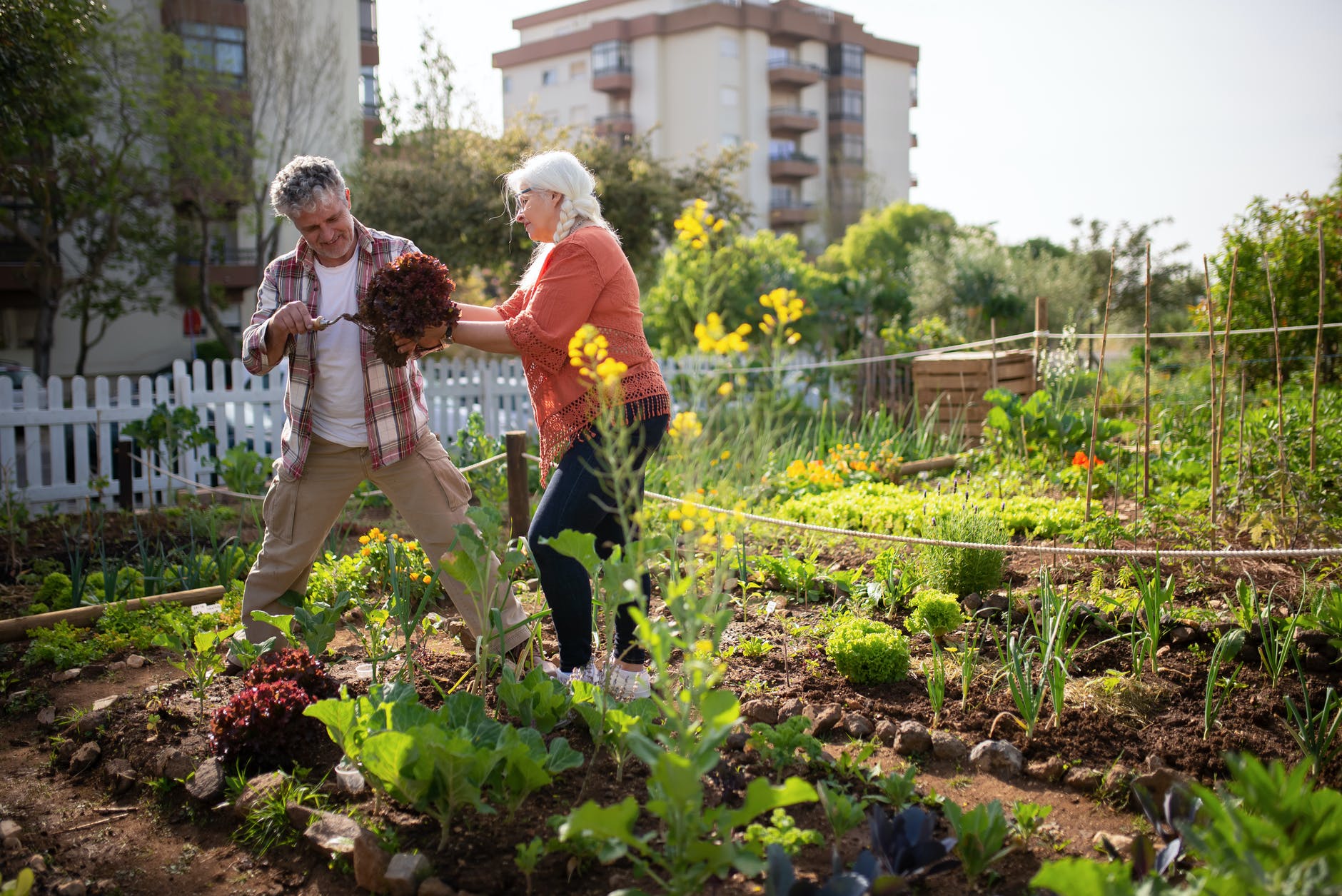
Gli spazi verdi nelle città stanno aumentando grazie alla creazione di giardini sui tetti. I vantaggi immediati sono avere piante che migliorano l’aria che respiriamo e avere a disposizione uno spazio dove coltivare delle verdure,
Per coloro che abitano in città, l’importanza di avere uno spazio verde vicino a casa è stata evidenziata durante il lockdown dovuto al Covid. Da Londra a New York, i parchi e i giardini pubblici offrono da sempre un prezioso rifugio nella giungla d’asfalto delle strade, dei negozi e degli uffici che compongono il paesaggio urbano tipico. Ma a parte queste oasi di pace, non resta molto altro spazio per diventare più “verdi”, ragione per la quale assistiamo allo sviluppo delle coltivazioni in altezza.
Dal miglioramento della salute fisica e mentale ad una integrazione maggiore delle comunità, passando dalla lotta all’inquinamento, la creazione di spazi verdi in altezza può essere davvero vista come un beneficio.
Ecco alcune ragioni per le quali coltivare un giardino o un orto fa bene a te e all’ambiente:
Aria piú pura
Tutte le città al mondo devono affrontare la stessa sfida: mantenere una certa qualità di vita nonostante il tasso di inquinamento elevato e le concentrazioni di CO2 in aumento. Per questo piantare alberi o arbusti sui tetti può essere utile a scambiare anidride carbonica contro ossigeno puro. Inoltre, i giardini sui tetti possono anche migliorare l’isolamento dell’edificio, riducendo la perdita di calore d’inverno e mantenendo una temperatura più fresca d’estate. In questo modo, oltre fare un dono di ossigeno all’ambiente, abbasserai il consumo di elettricità e riscaldamento, pagando meno care le fatture.
Rifugio per la fauna selvatica
La perdita dell’habitat naturale è una minaccia per gli animali selvatici in generale.
Un giardino in altezza può in breve tempo diventare rifugio per le api, le farfalle e gli uccelli, dove potranno riposarsi e nidificare, mantenendo così attivo il ciclo dell’impollinazione, che è essenziale per l’alimentazione umana.
Coltivazione di verdure
Pomodori, zucchine, piselli e fragole, tutto biologico. Il fatto di seminare e di coltivare le tue verdure è un’attività incredibilmente gratificante che ti permette non solo di risparmiare ma anche di mangiare più sano.
Azioni per la comunità
Perché non pensare di coinvolgere la scuola primaria vicino a casa invitando i bambini a scoprire il tuo giardino o il tuo orto? Resterai sorpreso/a nel vedere l’entusiasmo dei bambini e delle bambine. Il giardinaggio è un reale contributo all’integrazione nella comunità locale. Dove abito a Bruxelles c’è un’associazione che si chiama Parck Farm che ha preso in gestione una serra e creato un giardino botanico. Inoltre, offre delle parcelle di terreno da coltivare. Noi abbiamo un piccolo spazio da coltivare insieme a belgi, maghrebini, polacchi, portoghesi,… L’associazione offre anche la possibilità di fare attività di team building nella natura. I partecipanti possono aiutare i membri delle associazioni a eliminare le erbacce, raccogliere i prodotti dell’orto, preparare il terreno per l’inverno. Attività educative per bambini e bambine sono programmate regolarmente per fare scoprire loro le meraviglie dei fiori e delle piante. Laboratori per la preparazione di creme e sciroppi naturali sono altri eventi organizzati dall’associazione per favorire l’integrazione degli abitanti del quartiere.
Migliorano la salute fisica e mentale
Tutti sappiamo che passare del tempo nella natura rivitalizza il corpo, lo spirito e l’anima. Questa pratica è conosciuta come shinrin-yoku (bagno nella foresta) in Giappone ed è stata validata da ricerche scientifiche. Nel 2019, uno studio ha rivelato che trascorrere almeno 120 minuti alla settimana (l’equivalente di circa 17 minuti al giorno) nella natura può generare un impatto notevole sulla nostra salute e sul nostro benessere generale. Altre ricerche hanno stabilito un legame tra la frequentazione regolare di spazi verdi, il miglioramento del sonno e la diminuzione dei pensieri negativi.
Life is constant change, Buddha and Aristotle already said it: change is a fact of life. But change has also been accelerating in recent decades. Massive disruption across the social, technological, political and environmental dimensions of our lives means that we are constantly trying to figure out how best to manage uncertainty. And for someone it can be scary.
The origin of this fear can be found in biology. Our brain is the result of two and a half million years of evolution. We have lived in caves much longer than we have in cities. This means that we have “coded” automatic responses to successfully respond to everyday threats.
If absurdly you see a tiger walking down the street, you would not try to understand what breed it is but you would rather try to escape as quickly as possible (flight). Another codified reaction would be to stay still, hoping that the tiger will not see you (freeze). The last possible reaction would be to fight it (fight), with very, very limited chances of success, so your brain would immediately discard it.
Flight, Freeze or Fight are the three primal reactions to events that we perceive as dangerous to our safety.
However, the wonderful circuits that have allowed us to evolve as a species are not suited to addressing the most subtle threats of our age, such as digitization, the pandemic or the risk of losing your job.
These fears are evolutionarily new and are not always easy to manage.
Remember that the brain is designed for your survival, not your happiness. Therefore, to face changes, you have to understand them as opportunities and learn from the potentials they entail. Moreover, this is not as automatic as running away from something dangerous. On the contrary, it takes effort and training.
Let us see how you could get started by following these four tips.
1. First of all, it is important to train your mind daily. Just as you go to the gym or practice by yourself, you need to keep your brain muscle in shape. Try to do something different every day. For example, you could change sources of information when reading the news (also useful to understand various points of view), change your route to go to work, or try a new dish.
2. Second, you can try to consider what happens to you in a different manner. For instance, a good way is reading history to realize that although we live in an age where changes happen very fast, all these progresses have allowed us, for example, to increase our life expectancy.
3. Third, try to disconnect from technology and reconnect with yourself and your surroundings. If you are always immersed in the digital world, you will not have time to integrate learning and to find a certain and needed tranquility. For example, one day during the weekend or on vacation you can put your mobile in the “don’t disturb” mode.
4. Fourth, trust. If you look at the difficulties that you have already faced in the past, you will see that now they look easy to you. If you have already been able to overcome challenging situations, why should not you be able to do it now?
La vita è cambiamento continuo, Buddha e Aristotele lo avevano già detto: il cambiamento è un fattore della vita.
Tuttavia, il cambiamento è stato super veloce nelle ultime decadi e non sembra ancora rallentare, anzi penso che potrebbe diventare sempre piú rapido, come ad esempio per quanto riguarda i cambiamenti ambientali.
I grandi cambiamenti che sono avvenuti a livello, sociale, politico, ambientale e tecnologico significano che dobbiamo imparare a gestire al meglio l’incertezza che ci troviamo davanti. Ad alcuni questo può fare paura.
L’origine di questa paura va ricercata nella biologia. Il nostro cervello è il risultato di due milioni e mezzo di anni di evoluzione. Abbiamo vissuto nelle caverne molto più tempo di quanto ne abbiamo passato in città. Ciò significa che abbiamo “codificato” risposte automatiche per rispondere con successo alle minacce quotidiane.
Se per assurdo vedessi una tigre camminare per strada, non cercheresti di capire di che razza si tratta ma cercheresti piuttosto di scappare il più velocemente possibile. Un’altra reazione codificata sarebbe quella di restare fermo/a immobile sperando che il felino non ti veda. L’ultima reazione possibile sarebbe quella di combatterla, con scarse se non nulle possibilità di riuscita e perciò il tuo cervello la scarterebbe immediatamente.
Queste sono le tre reazioni primordiali agli eventi che percepiamo come pericolosi per la nostra incolumità: Flight, Freeze o Fight (scappa, fermati o combatti).
Photo by Cristiana Branchini
Tuttavia, questi meravigliosi circuiti che ci hanno permesso di arrivare sino ad oggi come specie, non sono adatti ad affrontare le minacce più subdole della nostra epoca, come la digitalizzazione, la pandemia o la possibilità di restare senza lavoro.
Queste paure sono nuove dal punto di vista evolutivo e non sono sempre facili da gestire.
Ricorda che il cervello è progettato per la tua sopravvivenza, non per la felicità. Quindi, di fronte al cambiamento, devi comprenderlo come un’opportunità per riuscire ad affrontarlo e imparare dalle possibilità che ti offre. Questo non è automatico come scappare da qualcosa di pericoloso, ma richiede sforzo e allenamento.
Vediamo come potresti iniziare seguendo questi quattro consigli.
1. Innanzitutto, è importante allenare quotidianamente la tua mente. Così come vai in palestra o fai esercizio fisico, devi mantenere in forma il muscolo cerebrale. Ogni giorno, cerca di fare qualcosa di diverso. Per esempio, potresti leggere le notizie da fonti di informazione sempre diverse (utile anche per capire vari punti di vista), cambiare percorso per andare a lavorare, o provare un nuovo piatto.
2. In secondo luogo, potresti provare a relativizzare ciò che ti accade. Un buon metodo è leggere la storia per renderti conto che, sebbene viviamo nell’epoca del cambiamento super veloce, proprio tutti questi progressi ci hanno permesso, per esempio, di aumentare la nostra aspettativa di vita.
3. Terzo, cerca di disconnetterti dalla tecnologia e riconnetterti con te stesso/a e con quello che ti ci circonda. Se sei sempre immerso/a nel mondo digitale, non avrai tempo per integrare l’apprendimento e per ritrovare una certa e necessaria tranquillità. Ad esempio, un giorno durante il fine settimana o in vacanza puoi mettere il tuo cellulare in modalità aereo.
4. Quarto, fiducia. Se guardi le complessità che hai già affrontato in passato, vedrai quanta strada hai fatto e quelle difficoltà che hai superato ora ti sembrano semplici. Se sei già stato in grado di affrontare situazioni difficili, perché non dovresti essere in grado di farlo ora?
I’ve read about falling leaves in fifty thousand poems novels and so on watched leaves falling in fifty thousand movies seen leaves fall fifty thousand times fall drift and rot felt their dead shush shush fifty thousand times underfoot in my hands on my fingertips but I’m still touched by falling leaves especially those falling on boulevards especially chestnut leaves and if kids are around if its sunny and I’ve got news for friendship especially if my heart doesn’t ache and I believe my love loves me especially if it’s a day I feel good about people I’m touched by falling leaves especially those falling on boulevards especially chestnut leaves.
6th September, 1961, Leipzig
Nazim Hikmet from Poems of Nazim Hikmet, translation Randy Blasing and Mutlu Konuk, Persea Books, 2002
Qi Gong is an ancestral discipline born in China about 5000 years ago. It has been influenced by various philosophies, such as Taoism, Buddhism and Confucianism.
After having developed within religious and spiritual fields, Qi Gong has been contaminated by fighting techniques becoming in this way also part of martial arts.
Today, more than a thousand forms of Qi Gong are known. Actually, each teacher develops his own technique observing though the same principles and purposes: to stay healthy by keeping the body, spirit and energy in balance.
According to Chinese medicine, good health is the result of a good circulation of energy in the body. Qi Gong is considered a prevention measure.
The search for balance, the precision of intention (Yi), the fluidity of gestures represent not only a path towards self-knowledge but also the pleasure of encountering oneself. With Qi Gong, we learn to love ourselves, to open up to the universe, to live in harmony with everything around us.
In the search for balance, you will experience moments when you focus and moments when you rest. Feeling too much or what is missing, for example when you go from one foot to the other, allows you to become aware of your own fragility. When, on the other hand, you stand on two feet, well anchored to the ground, you feel then balanced, and stronger.
Working on balance brings a feeling of lightness and freedom, without forgetting that through the movements and stimulation of the meridians (energy circulation paths), organic functions improve (circulation, digestion, breathing).
The body is at the centre of the relationship with oneself, with others and with the environment. Body awareness passes through listening to your body at first, by observing muscle tone, tensions, balance, posture and the direction of movements.
Qi Gong can be considered above all as a search for energy balance and harmony between body and spirit. By paying attention to the gestures, we realize that our way of thinking also changes and we get a more peaceful look at the world.