
Perché é importante leggere

Dati ISTAT riportano che nel 2017 sono il 41,0% le persone di 6 anni e più che hanno letto almeno un libro per motivi non professionali (circa 23 milioni e mezzo di persone). Secondo gli esperti, questo numero mostra una sostanziale stabilità della lettura. Eppure, l‘indice di lettura è basso se confrontato con quello degli altri Paesi europei. Per questo ho deciso di condividere una breve storia sul perché é importante leggere.

“Ho letto moltissimi libri, ma ho dimenticato la maggior parte di essi. Ma allora qual è lo scopo della lettura?”

Fu questa la domanda che un allievo rivolse al suo Maestro.

Il Maestro in quel momento non rispose.

Dopo qualche giorno, però, mentre lui e il giovane allievo se ne stavano seduti vicino ad un fiume, egli disse di avere sete e chiese al ragazzo di prendergli dell’acqua usando un vecchio secchio tutto sporco che era lì in terra.

L’allievo trasalì, poiché sapeva che era una richiesta senza alcuna logica.

Tuttavia, non poteva contraddire il proprio Maestro e, preso il secchio, iniziò a compiere questo assurdo compito. Ogni volta che immergeva il secchio nel fiume per tirarne su dell’acqua da portare al suo Maestro, non riusciva a fare nemmeno un passo verso di lui che già nel secchio non ne rimaneva neanche una goccia.

Provò e riprovò decine di volte ma, per quanto cercasse di correre più veloce dalla riva fino al proprio Maestro, l’acqua continuava a passare in mezzo a tutti i fori del secchio e si perdeva lungo il tragitto.

Stremato, si sedette accanto al Maestro e disse:

“Non riesco a prendere l’acqua con quel secchio. Perdonatemi Maestro, è impossibile e io ho fallito nel mio compito”

“No – rispose il vecchio sorridendo – tu non hai fallito. Guarda il secchio, adesso è come nuovo. L’acqua, filtrando dai suoi buchi lo ha ripulito”

“Quando leggi dei libri – continuò il vecchio Maestro – tu sei come il secchio ed essi sono come l’acqua del fiume”

“Non importa se non riesci a trattenere nella tua memoria tutta l’acqua che essi fanno scorrere in te, poiché i libri comunque, con le loro idee, le emozioni, i sentimenti e la conoscenza, che vi troverai tra le pagine, puliranno la tua mente e il tuo spirito, e ti renderanno una persona migliore e rinnovata. Questo è lo scopo della lettura”.

Leggere é importante non solo perché ti trasforma in una persona migliore ma contribuisce anche a migliorare la qualitá della tua vita.

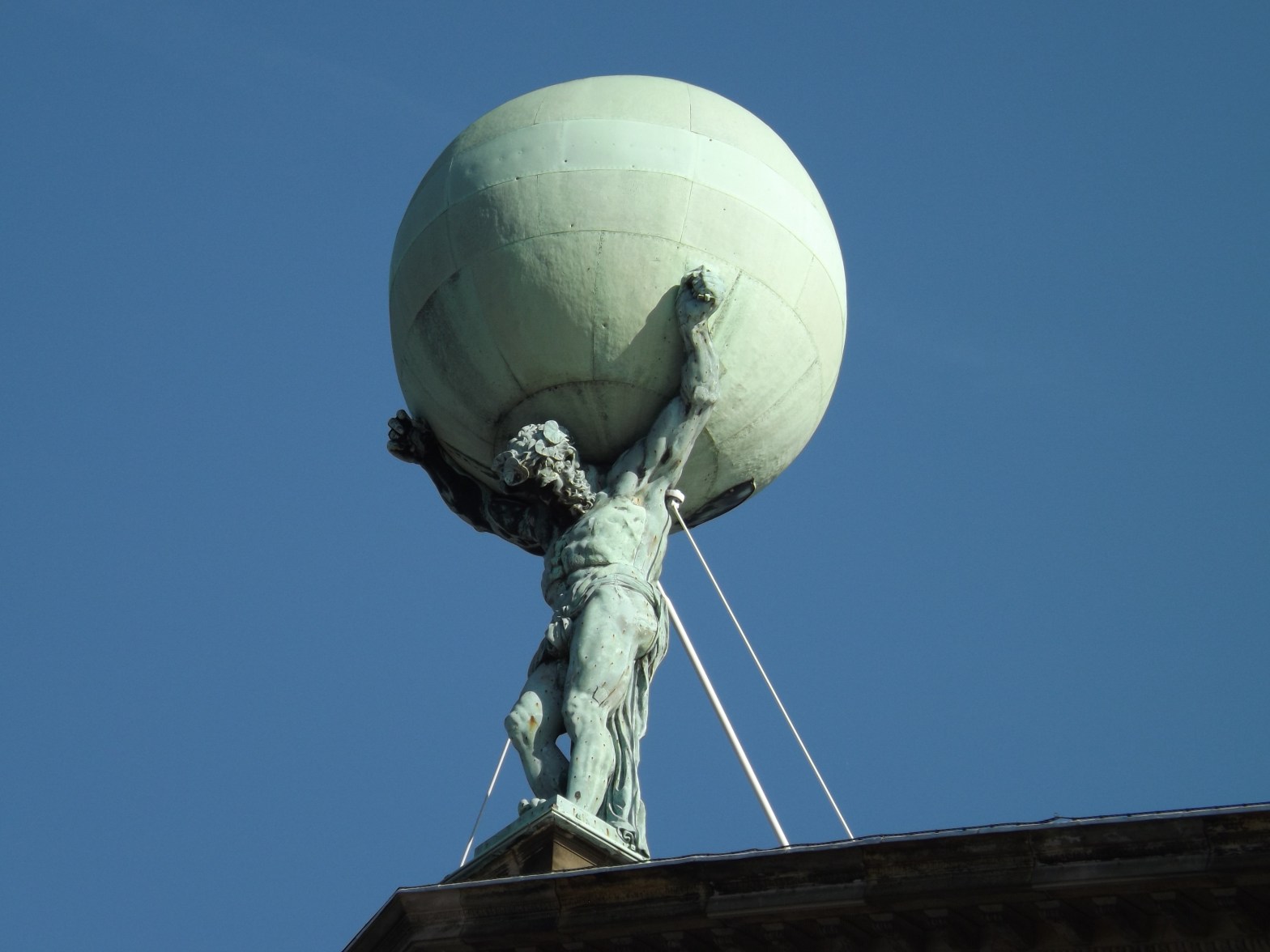
The Myth of Sisyphus

The stories of mythology, like the Myth of Sisyphus, allow us to understand universal intellectual concepts. The myth of Sisyphus is part of it because it is the story of a man punished by the gods, condemned to roll a huge rock to the top of a mountain. However, once he reaches his goal, he falls back and serves his sentence perpetuating this cycle of the absurd.

Why does Sisyphus have to push a boulder from the base to the top of  a mountain but every time it reaches the top, the boulder then rolls back to the base of the mountain, and this for eternity?

Guilty of numerous misdeeds but above all of having repeatedly deceived Zeus, Sisyphus is locked up in Hades and condemned to an eternal effort. He shall transport a boulder over a mountain that inexorably falls down as soon as it touches the top.

In fact, Sisyphus’ punishment will end up becoming the symbol of any useless action, destined to be thwarted as soon as it is accomplished.

Moreover, the allegory of the Sisyphus myth can also illustrate the condition of men blinded by their own stubbornness. Persuaded to act correctly, they can sometimes close themselves in an endless spiral that will eventually condemn them.

Therefore, when we are blind to the lessons that life teaches us, we can be our own obstacle to change.

However, mistakes often offer us opportunities “A person who does not fail has never tried anything new”. This quote from scientist Albert Einstein perfectly expresses the indispensable nature of these vectors of change. 

On the other hand, these “negative attitudes” are exactly what we need at a point in time before we realize that this state of mind no longer suits us.

In addition, we shall start questioning ourselves, to be able to make the adjustments that may help us meet our expectations.

When we become aware that our mistakes are not obstacles but opportunities to learn, then we start the path towards the achievement of the dreams of our life. We open our eyes and grow. 

Moreover, this is what leads us to enter within our true self and its never-ending mutations. Pushing ourselves into its entrenchments and the emotions they provoke in us allows us to access our real state of existence and we move away from our old habits.

What is the main obstacle in your life towards towards the achievement of your dreams?

Il mito di Sisifo

Le storie della mitologia possono permetterci di capire concetti intellettuali universali. Il mito di Sisifo ne fa parte perché è la storia di un uomo punito dagli dei, condannato a far rotolare un’enorme roccia fino alla cima di una montagna. Tuttavia, una volta raggiunto il suo obiettivo, cade indietro e sconta la sua pena perpetuando questo ciclo dell’assurdo.

Perché Sisifo deve spingere un masso dalla base alla cima di un monte ma ogni volta che raggiunge la cima, il masso poi rotola nuovamente alla base del monte, e questo per l’eternità?

Colpevole di numerosi misfatti ma soprattutto di aver ingannato ripetutamente Zeus, Sisifo viene rinchiuso nell’Ade e condannato a un’eterna fatica: trasportare sopra una montagna un masso che inesorabilmente ricade giù appena toccata la cima. La punizione di Sisifo finirà così per diventare il simbolo di qualsiasi impresa inutile, destinata a vanificarsi non appena compiuta.

Ma l’allegoria del mito di Sisifo puó anche illustrare la condizione degli uomini accecati dalla propria testardaggine. Persuasi ad agire correttamente, a volte possono chiudersi in una spirale infinita che alla fine li condannerá.

Ciechi alle lezioni che ci vengono insegnate sull’esistenza, ci trasformiamo ad essere noi stessi un ostacolo al nostro cambiamento.

Gli errori sono spesso veicoli di opportunità. 

“Una persona che non fallisce non ha mai cercato di fare niente di nuovo”. Questa citazione é dello scienziato Albert Einstein ed esprime perfettamente la natura indispensabile di questi veicoli di cambiamento. 

Dobbiamo chiederci se non fosse opportuno apportare dei cambiamenti per far fronte alle nostre aspettative.

Quando consideriamo i nostri errori non più degli ostacoli ma delle opportunità per imparare, riuscieremo a fare un passo verso la realizzazione dei nostri sogni. La nostra esperienza con i nostri errori ci porta ad aprire gli occhi e a crescere. A volte, proprio gli errori sono ciò di cui abbiamo bisogno per renderci conto che questi stati mentali non ci si addicono più, quindi dobbiamo cambiare.

E questo è ciò che ci porta ad andare verso il nostro vero sé, ad accettare il cambiamento anziché rifiutarlo. Continuare a trincerarci in noi stessi, ad essere fedeli alle nostre emozioni, non ci permette di accedere al cammino dell’evoluzione spirituale, ma ci costringe a rimanere nello status quo perpetuando il mito di Sisifo.

Pensi di essere come Sisifo, cioé un po’ testardo?

What Is the Meaning of Resilience?

What is the meaning of resilience?

Let’s see the meaning of the word as it is found on the Merriam-Webster:

resilience

1 : the capability of a strained body to recover its size and shape after deformation caused especially by compressive stress

2 : an ability to recover from or adjust easily to misfortune or change

After witnessing or being a victim of a traumatic event, such as a terrorist attack, war, flood, fire, the loss of a dear relative or friend, an ordeal may begin for people. In the months following the event, people find themselves silent, stunned, they review the same terrifying images and feel unable to return to a normal life. Yet, after a relatively short time, one year for example, more than 50% of these people with post-traumatic stress disorder (PTSD) feel better.  Some individuals possess amazing abilities to overcome difficulties and return to their original, or even mentally stronger, state. This process can be defined as “resilience“.

Why are there people who are more resilient than others?

In some cases resilience is partly innate. The concentration of cortisol (the stress hormone) drops faster. It is estimated that 85% of the population has genetic predispositions to defend themselves from traumas. Another determining factor is the healthy environment in which they grew up. Emotional security during early childhood provides better self-esteem and helps to better overcome difficulties. 

In addition, the support of family and friends is also crucial. Some studies on the state of memory after traumatic events revealed that when survivors were left on their own, the chances of reacting with resilience were lower, while when they were well surrounded, they had a good chance of overcoming the situation they were facing.

So how could you help the victims?  

You could reassure them, speak to them with affection, as you would do with a child. In fact, just like children, survivors can no longer manage their emotions, and sometimes they can’t even speak! By protecting them, the stress generated by the traumatic event will gradually be reduced.

A first level of psychological help can be given by establishing a relationship with the person involved by actively listening to them.

Then, you shall assess the needs of this person and establish priority.

However, for a real psychological support it is important to contact a professional, who will be able to give a proper psychological first aid (PFA) and decide on the follow-up to help people regain their vision of the world and ultimately their life.

Have you ever witnessed a traumatic event or helped any victims of traumatic events? How did you react?

Would you like to know more on overcoming stress? Have a look here!

Photo by Sharon Wright on Unsplash

Cosa significa resilienza

La parola resilienza é oggi tanto diffusa, a volte é amata, a volte é odiata, e a volte la si usa anche a sproposito.

Vediamo il significato della parola come lo si trova sulla Treccani:

resilienza [re-si-lièn-za] n.f.

1. (fis.) proprietà dei materiali di resistere agli urti senza spezzarsi, rappresentata dal rapporto tra il lavoro necessario per rompere una barretta di un materiale e la sezione della barretta stessa;

2. capacità di resistere e di reagire di fronte a difficoltà, avversità, eventi negativi ecc.: resilienza sociale.

Dopo aver assistitio o addirittura subito un evento drammatico e come tale traumatico, come per esempio un attacco terroristico, la guerra, un’alluvione, la morte di un parente caro, per le persone inizia un calvario. Nei mesi successivi all’evento, le persone si ritrovano silenziose, sbalordite, la maggior parte rivede le stesse terrificanti immagini e si sente incapace di tornare a una vita normale. Eppure, dopo un tempo relativamente breve, un anno per esempio, più del 50% di queste persone affette da sindrome post-traumatica (PTSD) si sente meglio. Alcuni individui possiedono capacità sorprendenti per superare le difficoltà e tornare al loro stato originale, o addirittura diventare mentalmente più forti. Questo processo si puó definire “resilienza“.  

Perché ci sono persone più resilienti di altre?

In alcuni casi la resilienza é in parte innata. La concentrazione del cortisolo (l’ormone dello stress) scende più velocemente. Si stima che l’85% della popolazione abbia predisposizioni genetiche per difendersi dai traumi. Un altro fattore determinante è l’ambiente sano in cui sono cresciuti. La sicurezza emotiva durante la prima infanzia fornisce una migliore autostima e aiuta a superare meglio le difficoltà. Ma anche il sostegno della famiglia e degli amici è cruciale. Alcuni studi sullo stato della memoria dopo eventi traumatici hanno rivelato che quando i sopravvissuti venivano lasciati a loro stessi, le possibilità di reagire con resilienza erano basse, mentre quando erano ben circondati, avevano buone possibilità di farcela.

Quindi, come possiamo aiutare le vittime?  Dobbiamo rassicurarli, parlare loro con affetto, come faremmo con un bambino. Anzi, proprio come i bambini, i sopravvisuti non riescono più a gestire le loro emozioni, e talvolta non riescono nemmeno a parlare! Proteggendoli, lo stress generato dall’evento traumatico si ridurrá gradualmente.

Un primo livello di soccorso psicologico puó essere dato stabilendo un rapporto con la persona coinvolta ascoltandola attivamente.

Poi, si deve fare una valutazione dei bisogni di questa persona e stabilire delle prioritá. Per questo peró é necessario affidarsi a uno psicologo, che potrá effettivamente valutare lo stato della vittima e decidere sul follow-up per aiutare la persona a riappropriarsi della sua visione del mondo.

Hai mai assistito a un evento traumatico o hai aiutato alcune vittime di eventi traumatici? Come hai reagito?

Vuoi saperne di piú su come gestire lo stress? Guarda qui.

Photo by Sharon Wright on Unsplash

Il bicchiere pieno d’acqua

Tutti noi sappiamo cosa significa vedere un bicchiere d’acqua metá pieno o metá vuoto. Se lo vedi metá pieno allora significa che sei una persona ottimista, mentre se lo vedi metá vuoto non sei proprio una persona ottimista, tutt’altro.

Quello di cui vorrei parlarti oggi peró é un esperimento molto breve ma efficace che ho visto recentemente in questo video.

Un professore durante una lezione ha sorpreso i suoi studenti mostrando un bicchiere pieno d’acqua che aveva in mano. Gli studenti, che pensavano avrebbe parlato del concetto classico di bicchiere mezzo vuoto o mezzo pieno, sono rimasti stupiti quando in realtà ha chiesto loro il peso del bicchiere. La sua intenzione era ben diversa, non voleva infatti spiegare il concetto di bicchiere mezzo vuoto o mezzo pieno.

Le risposte furono diverse e la maggior parte di esse potevano essere considerate buone. Tuttavia, la spiegazione data dal professore fu diversa e molto più profonda.

Il peso del bicchiere dipende dal tempo che lo si dovrà reggere. Se lo tieni in mano per 5 minuti, non avrai problemi, ma se lo terrai in mano per 2 ore, il braccio si stancherà, sarà come paralizzato e alla fine il bicchiere cadrà.

Lo stesso succede con lo stress. Se sarai sotto stress per un tempo relativamente breve non avrai effetti collaterali. Ma se lo stress dura per settimane e mesi, alla fine potresti risentirne pesantemente.

Il disturbo che potresti avere in questo caso sarebbe di origine psicosomatica.

Che cos’è una malattia psicosomatica?

La parola psicosomatica deriva dal greco psiche “anima” e soma “corpo”. Si parla perció di malattia psicosomatica quando la mente crea un’alterazione del corpo.

Per esempio, immagina di avere un collega, o una persona che conosci, che ti critica sempre.

Le sue critiche non sono sporadiche, ma sono ricorrenti tanto da diventare un’abitudine. Questo comportamento crea anche un ambiente intorno a te negativo. 

Se non riesci a liberarti di questo stress in tempo, accumulerai tanta negatività che potrebbe causare effetti negativi sulla tua salute. Sarebbe come tenere in mano il bicchier d’acqua per un giorno intero.

Questa realtà è purtroppo così comune che si ritiene persino che alcune malattie fisiche possano peggiorare a causa di fattori mentali come lo stress e l’ansia. Si ritiene, ad esempio, che condizioni come psoriasi, eczema, ulcere gastriche, ipertensione e molte malattie cardiache possano verificarsi a causa di problemi psicosomatici come stress o ansia.

Vorrei consigliarti alcune soluzioni per ridurre lo stress. Eccole qui.
  1. Attività fisica, soprattutto aerobica, come la camminata veloce, il nuoto e la bici.
  2. Respirazione cosciente, profonda e lenta, cioè usare il diaframma per rallentare la frequenza respiratoria.
  3. Pratica lo yoga, il tai-chi e la meditazione. Negli ultimi anni ha preso piede la mindfulness, che aumentando il livello di consapevolezza personale, svolge un’azione antistress.
  4. Ovviamente un buon massaggio aiuta a far aumentare il livello dell’ossitocina, un ormone in grado di contrastare il cortisolo è un ottimo toccasana contro lo stress.
  5. A livello di integratore alimentare, il magnesio è il minerale anti-stress per eccellenza, anche perché ne siamo cronicamente carenti. Ricordati che un integratore è tale perché deve essere complementare ad un’alimentazione corretta. Quindi, mangia sano!

Tu cosa fai per combattere lo stress?

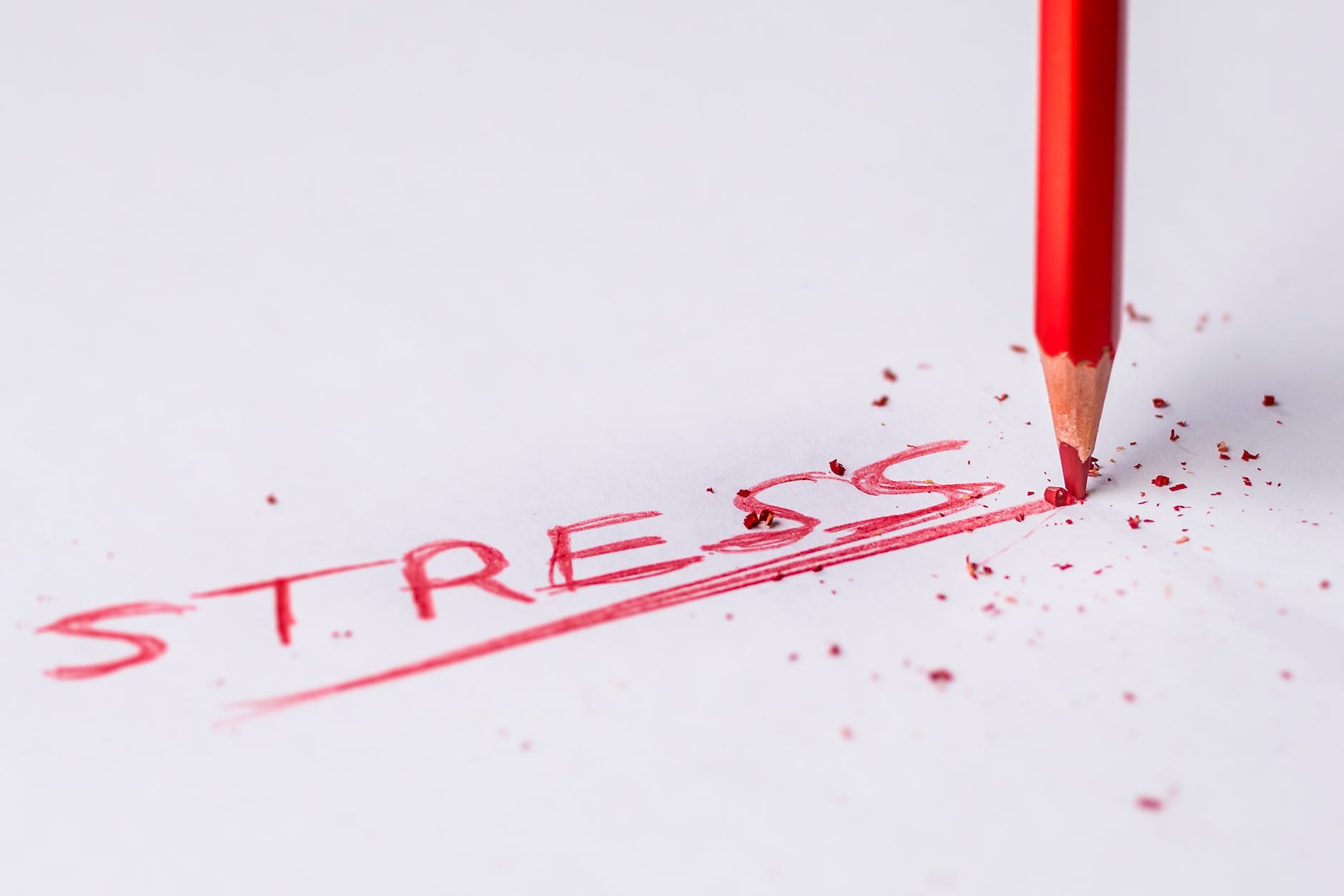
stress handwritten text on white printer paper
Stress – Photo by Pedro Figueras on Pexels.com

A Glass Full of Water

You all know about the half empty or half full glass of water. By saying how you see it, you will understand if you are an optimist or not.

And if you would like another perspective on a half empty or half full glass, you can read Wynne’s post The Glass Is Refillable.

But what you are going to read here is something different that I saw recently in a simple, short but very effective video.

A professor during a lecture surprised his students by showing a full glass of water in his hand.  The students, who thought he would talk about the classic concept of a glass half empty or half full were amazed when he asked them about the weight of the glass. His intention was quite different, in fact he did not want to explain the concept of glass half empty or half full.

The answers were different and most of them could be considered acceptable. However, the explanation given by the professor was different and much deeper.

The weight of the glass depends on the time you will have to hold it. If you hold it in your hand for 5 minutes, it is very unlikely that you will have troubles. However, if you hold it in your hand for 2 hours, the arm will get tired. And if you hold it even longer, let’s say one day, the arm will be as if paralyzed and eventually the glass will fall.

The same happens with stress.  If you are under stress for a relatively short period of time you will have no side effects. But if you experience stress for weeks and months, you may eventually get sick.

The disease in this case would be of psychosomatic origins.

What is a psychosomatic disorder?

The word psychosomatic comes from the Greek psyche “soul” and soma “body”. A psychosomatic illness occurs when the mind creates an alteration of the body.

For example, imagine that you have a colleague, or a person you know, who often criticizes you.

Their criticisms are not sporadic, on the contrary they are recurrent enough to become a habit. This behaviour also creates a negative environment around you.

If you can’t get rid of this stress in time, you’ll accumulate so much negativity that it could cause side effects on your health. It would be like holding a glass full of water for a whole day.

This reality is unfortunately so common that it is even believed that some physical illnesses can worsen due to mental factors such as stress and anxiety. It is believed, for example, that conditions such as psoriasis, eczema, gastric ulcers, hypertension and many heart diseases can occur due to psychosomatic problems such as stress or anxiety.

Would you like to learn some techniques to reduce stress: have a look at the conclusion on this article published on wiseandshinezine.com.

What about you? What are the solutions you adopt to fight your stress?

stress handwritten text on white printer paper
Stress – Photo by Pedro Figueras on Pexels.com

The Power of Intuition

Intuition has always been a fascinating subject of study. It is generally associated with genius, because the greatest scientific discoveries happened thanks to moments of intuition.

Einstein wrote:

Intuition is a sacred gift of which reason is a faithful servant. We have created a society that honours the servant and forgets the gift.

In addition, we all know that it is thanks to our intuition that we make some of the decisions of our lives, even if we consider ourselves rational and Cartesian beings.

From the point of view of the Eastern religions (Buddhism, Hinduism, Taoism) there is no mystery. In the traditional languages of these millennial wisdoms, the terms designating knowledge, consciousness, lucidity are often identical.

Attachment to mental constructions, beliefs, and concepts, as well as the mental agitation that accompanies it, are seen by them as a veil over primordial intelligence. Buddhists explain it like that:

if we do not stir water, it will become clear by itself. In the same way, if we leave unchanged the nature of the spirit, and we do not manipulate it, it will find peace and clarity on its own.

But let’s go back to the West and see that to make a decision we will evaluate three elements:

  1. rational analysis,
  2. emotional aspect,
  3. intuitive wisdom.

However, if we practise meditation, thoughts and emotions would calm down, and intuition would manifest. In fact, there are several testimonies from practitioners who tell that the most creative ideas came at the end of their meditation.

In a linear, predictable, and orderly environment, a rational analysis is often more effective for deciding and planning an action.

On the contrary, in a volatile, unpredictable, or chaotic environment, when the human element predominates, intuitive intelligence becomes useful.

Therefore, meditation is more and more used in our times, as we live in an ever-increasing insecurity and instability.

How intuition works

Intuition draws on three main resources.

  1. Like a tree, the first source is the ramification of its roots. It is the entirety of information, of experiences lived in the past and stored in the unconscious.
  2. The second source is comparable to the leaves of a tree. These are the strong or weak signals, picked up in the present instant.  All these signals are undefined and cannot be evaluated by rational analysis.
  3. The third source is collective intelligence. In fact, our personal intuition can go beyond temporal and spatial limitations. Intuitive intelligence can tap into a nearly unlimited source, outside the limits of time, space, and the individual. All this is normal according to Buddhist philosophy where, for example, the individual, time, and space are conceptual categories created by the mind.
two brown trees
Trees – Photo by Johannes Plenio on Pexels.com
How do you synthesize these sources of information?

Cognitive science researchers have tried to answer.

Just before an intuition, there is a “letting go” moment, a descent within us. Then, suddenly, the presence increases, there is a kind of awakening, a feeling of unity and inner agreement. There is also a feeling of evidence, of surprise, of amazement and wonder.

These are the elements that we also find in a meditative experience: letting go, increased presence, awakening, unity.

It is necessary to emphasize the essential place occupied by the body in intuitive intelligence.

How many times have you made rational or emotional decisions while your body opposed it? Did you regret this decision a few days, months or years later? It happened to me several times in my life. I should have listened to the signals that my body sent me and taken them into account when making my decision.

In this regard, body scan meditation can help to develop this sixth sense of intuition. We shall also consider that if we constantly ignore the body’s messages, we might experience illness, pain, or disorder. Which is what happened to me.

Intuition, beyond the help it provides us in making decisions, is our deep inner voice, our wisdom, our most precious guide. It is important to learn to listen to it and to look after it.

To conclude if you hesitate to follow your intuition, try asking yourself these two questions, which will help you clarify what is at stake:

  1. What do I risk following my intuition?
  2. What do I not risk following my intuition?

What do you think about intuition? Do you agree with me that it is powerful?

This article has been previously published on Wise&Shine magazine.

Il potere dell’intuizione

Da sempre l’intelligenza intuitiva affascina l’uomo. Viene associata in genere al genio, perché le grandi scoperte scientifiche sono avvenute grazie a degli istanti di intuizione, al di fuori dell’analisi razionale.

Il potere dell’intuizione

Einstein ha scritto:

“L’intuizione è un dono sacro del quale la ragione è un servitore fedele. Abbiamo creato una società che onora il servitore e che dimentica il dono.”

D’altro canto, noi tutti sappiamo che è grazie all’intuizione che prendiamo le decisioni della nostra vita, piccole o grandi che siano, anche se ci proclamiamo esseri razionali e cartesiani.

Dal punto di vista delle grandi religioni orientali (Buddismo, Induismo, Taoismo) non c’è nessun mistero. Nelle lingue tradizionali di queste religioni millenarie, i termini che designano conoscenza e coscienza sono spesso identici.

L’attaccamento alle costruzioni mentali, alle credenze e ai concetti, così come l’agitazione mentale che l’accompagna, sono visti da queste religioni come un velo sull’intelligenza primordiale. Il seguente aforisma buddista si rivela in modo decisamente pertinente per la vita quotidiana:

“se non rimescoliamo l’acqua essa diventerà limpida. Allo stesso modo la natura dello spirito è tale che, se lo lasciamo, se non lo manipoliamo, troverà da solo la pace e la chiarezza originali.”

Ma torniamo in Occidente per vedere cosa è successo da quando è stata introdotta la Mindfulness (meditazione in piena coscienza) negli anni ’90.

Si è parlato del tema di come prendere le decisioni. Per prendere una decisione, dobbiamo valutare tre elementi:

  1. l’analisi razionale,
  2. l’aspetto emotivo
  3. l’intelligenza intuitiva.

Praticando la meditazione, i pensieri e le emozioni si calmano, e l’intuizione si manifesta. In effetti, ci sono diverse testimonianze di praticanti che raccontano che le idee più creative sono arrivate alla fine della loro meditazione.

In un ambiente lineare, prevedibile e ordinato è spesso più efficace un’analisi razionale per decidere e pianificare un’azione. Al contrario, in un ambiente volatile, imprevedibile o caotico, quando predomina l’elemento umano, l’intuizione diventa utile.

È per questo che la meditazione è sempre più usata ai nostri tempi, dove viviamo con un’insicurezza e un’instabilità sempre in aumento.

Il meccanismo dell’intuizione

L’intuizione va ad attingere a tre risorse principali.

  1. Come un albero, la prima fonte è la ramificazione delle sue radici. Si tratta della totalità delle informazioni, delle esperienze vissute in passato e immagazzinate nell’inconscio.
  2. La seconda fonte è paragonabile alle foglie di un albero. Si tratta dei segnali forti o deboli, captati nell’istante presente. Tutti questi segnali sono indefiniti e non possono essere valutati dall’analisi razionale.
  3. La terza fonte è l’intelligenza collettiva. Infatti, la nostra intuizione personale può andare al di là delle limitazioni temporali e spaziali. L’intelligenza intuitiva ha la facoltà di attingere a una fonte virtualmente illimitata, fuori dai limiti del tempo, dello spazio e dell’individuo. Tutto questo è normale secondo la filosofia buddista dove, per esempio, l’individuo, il tempo e lo spazio non sono che categorie concettuali creati dalla mente.
round clock mechanism
Meccanismo – Photo by Ej Agumbay on Pexels.com

Come si sintetizzano queste fonti di informazioni?

I ricercatori di scienze cognitive hanno provato a rispondere.

Poco prima di un’intuizione, avviene un “lasciar andare”, una discesa dentro di noi, un’assenza di controllo e di attività mentale. Poi, all’improvviso, la presenza aumenta, si ha una specie di risveglio, un sentimento di unità e accordo interiore. Si prova una sensazione di sorpresa, di stupore e di meraviglia.

Questi sono gli elementi che troviamo anche in un’esperienza meditativa: lasciare andare, assenza di attività mentale, presenza aumentata, risveglio, unità. Ed è anche questo che ci ricollega all’approccio buddista.

Bisogna anche sottolineare il posto essenziale occupato dal corpo nell’intelligenza intuitiva.

Quante volte abbiamo preso delle decisioni razionali o emotive mentre il nostro corpo si opponeva con tutte le sue forze? Ci siamo pentiti di questa decisione qualche giorno, mese o anno dopo?

Per quanto mi riguarda, mi è successo diverse volte nella vita. Avrei dovuto ascoltare i segnali che il corpo mi mandava e tenerne conto nel prendere la mia decisione.

A questo proposito, la meditazione cosciente sulle diverse parti del corpo può aiutare a sviluppare il “sesto senso” dell’intuizione.

Dobbiamo anche considerare che se ignoriamo costantemente i messaggi del corpo, la nostra verità interiore potrà poi manifestarsi sotto forma di malattia, dolori, o disordini di diverso tipo.

L’intelligenza intuitiva, al di là dell’aiuto che ci fornisce nel prendere decisioni, è la nostra voce interiore profonda, la nostra saggezza, la nostra guida più preziosa. È nostro compito imparare a ascoltarla e ad accudirla.

Per concludere, se esiti a seguire la tua intuizione, prova a chiederti queste due domande, che ti aiuteranno a chiarire quello che c’è in gioco:

  1. Che cosa rischio se seguo la mia intuizione?
  2. Che cosa non rischio se seguo la mia intuizione?

Tu ti affidi alla tua intuizione?

Una versione piú lunga di questo articolo é stato pubblicato in precedenza sul sito Igea Notizie.

Cultivating Trust in Life

In life it happens sometimes that the difficulties are transformed into problems and that the efforts necessary to solve the complexities that life presents to us are important and sometimes last a long time. Sometimes we feel discouraged, and we feel like saying “Enough, I can’t take it any longer, when will it end?”. That’s how we lose trust in life.

Those who know the universal law of alternation continue to have confidence in life, whatever happens because they know that everything is change, renewal and impermanence. They were able to observe that an expansion necessarily follows a contraction and that after dark the light returns.  They are aware that one day things will change, and that life will make them smile again.

The guides who accompany the great expeditions in Kilimanjaro, one of the highest mountains in the world, use a Swahili expression to comfort fatigued walkers: “Polé, polé”, which means “slowly, slowly, one step at a time”.

Without interpreting what happens to us or projecting ourselves into a future that we do not know, we are left with only the concrete possibility of welcoming our moments of misfortune, without resisting them, because all the efforts will only cause loss of energy.

So, go ahead, keep on with trust in life, and slowly, slowly, one step at a time, you will find the light at the end of the tunnel.

You can find more articles on trust here.

brown brick tunnel
Light – Photo by Ksenia I on Pexels.com