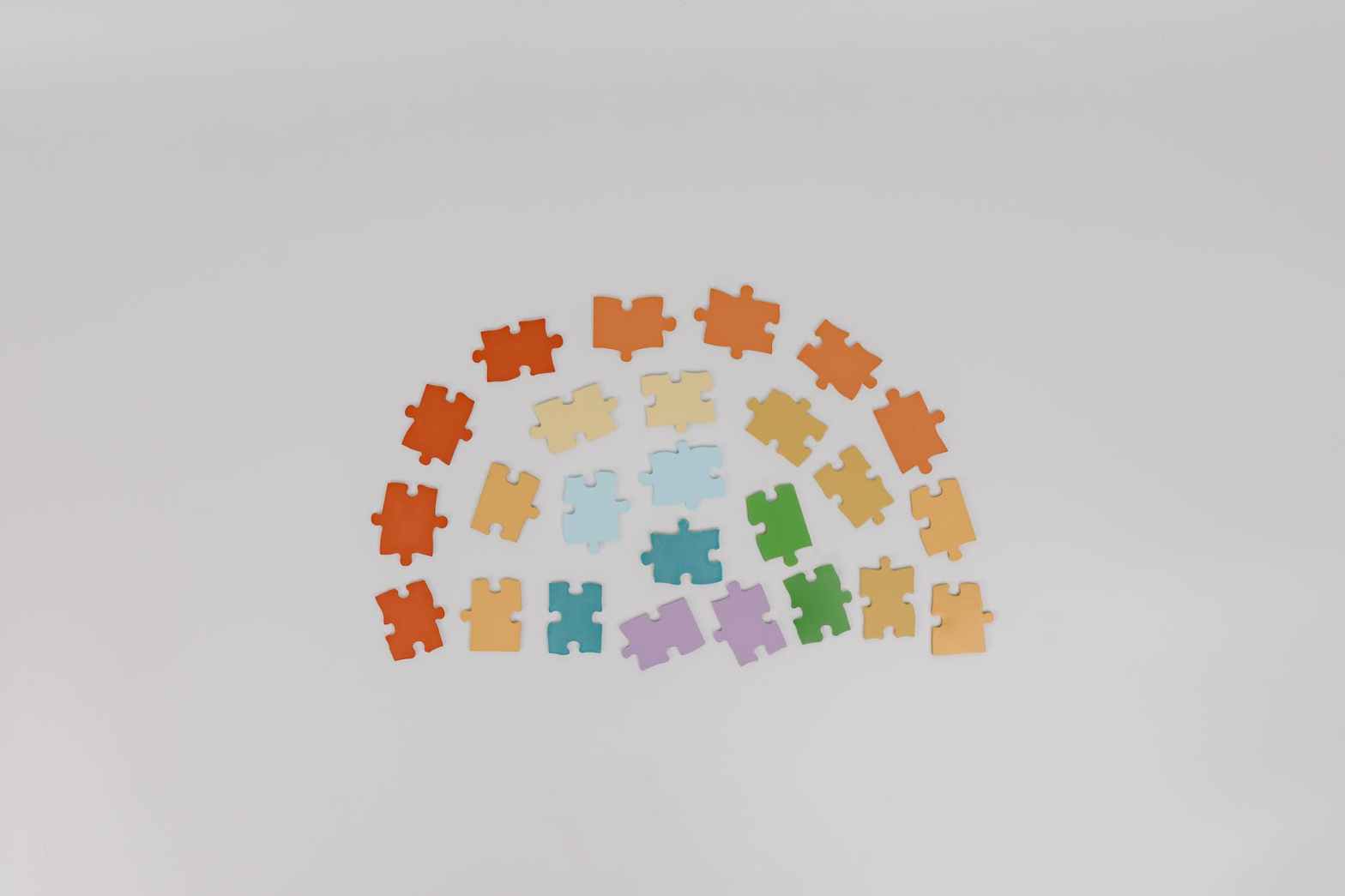
Human beings have only one great desire: to love and to be loved

It is clear to all that the world in which we live is not perfect, and that indeed there is still a long way to go to improve. Humanity has made incredible technological advances but many of us still live in fear and sorrow. But people have a great common desire: to love and be loved.

The world is plagued by war, diseases, famine, natural catastrophes, corruption, racism, inequality, and mankind has learned little from the thousands of years of civilization of which we are the heirs. We really live in difficult times. But the human being has a resource of inestimable value, love.

To achieve this, you should begin to celebrate life, its magnificent diversity, and make kindness and compassion your priorities. We are all very different, but the human heart needs to express itself by loving and being loved.

I hope to inspire you to offer your contribution to building a better world by opening your heart. Speak and listen to people with empathy, make a difference and never take anything for granted.

Opening your heart to others is not only about giving a precious gift, but it’s also about creating a bond, offering a positive experience, and building a bridge between you and a different world.

So, if you only have one thing to offer, offer an unforgettable experience to leave an unforgettable memory. Or offer forgiveness, or time and attention. And above all, be kind and compassionate.

Let me have your comments!

Perché l’essere umano ha solo un grande desiderio: amare ed essere amato

È sotto gli occhi di tutti che il mondo in cui viviamo non é perfetto, e che anzi c’é ancora un lungo pezzo di strada da fare per migliorare. L’umanitá ha fatto incredibili progressi tecnologici ma tanti tra noi vivono ancora nella paura e nella sofferenza. Ma le persone hanno un grande desiderio comune: amare ed essere amate.

Il mondo è afflitto da guerre, malattie, carestie, catastrofi naturali, corruzione, razzismo, disuguaglianza e il genere umano ha imparato poco dalle migliaia di anni di civiltà di cui siamo gli eredi. Viviamo davvero in tempi difficili. Ma l’essere umano ha un risorsa di inestimabile valore: l’amore.

Per raggiungere questo scopo, dovresti cominciare a celebrare la vita, la sua magnifica diversità e fare della gentilezza e della compassione le tue priorità. Siamo tutti molto diversi ma il cuore umano ha bisogno di esprimersi per amare ed essere amato.

Spero di farti venire voglia di offrire il tuo contributo per la costruzione di un mondo migliore aprendo il tuo cuore. Parla e ascolta le persone con empatia, fai la differenza e non dare mai niente per scontato.

Aprire agli altri il tuo cuore non significa solo fare un regalo prezioso, ma si tratta anche di creare un legame, di offrire un’esperienza positiva, e di cominciare a costruire un ponte tra te e un mondo diverso.

Quindi, se vuoi offrire qualcosa, offri un’esperienza indimenticabile per lasciare un ricordo memorabile. Oppure offri perdono, o il tuo tempo e la tua attenzione. Ma soprattutto, offri gentilezza e compassione.

Why Mango is Known as the Fruit of Wisdom. A Story.

The mango is known as the symbol of wisdom. A Vedic story tells us why mango became the fruit of wisdom.  

Here’s the story.

The protagonist is Ganesha, typically depicted with an elephant’s head with a single tusk, pronounced belly and four arms. In this case Ganesha is in his guise as a child (Bala Ganapathi)  and in his four hands he holds: a sugar cane, a sweet, a branch and a mango, that is at the center of the story.

That day little Ganesha was at home with his brother Kartikeya, a handsome young man who rides a wonderful Indian peacock, and his parents, his father Shiva and mother Parvati, when the traveler Narada came to visit the family.

Narada was a wise traveler, often being a bit meddlesome and sometimes provoking conflicts between the gods just to have fun. Seeing him coming, Shiva and Parvati immediately felt the air of trouble, but the duty of welcome required them to open their home.

“Thank you for welcoming me! In return I will offer you this beautiful fruit,” said Narada, pulling a wonderful mango out of his pocket  and offering it to Shiva. “Thank you wise Narada,” replied Shiva, “but let me give it to the woman I love, Parvati.” Shiva thus handed the fruit to his wife, who, however, seeing that her two sons seemed very intrigued by that beautiful fruit, said, “Thank you, but this gift would make me much happier if my children receive it.”

She then took the fruit and was about to cut it into equal parts, when Narada stopped her. “This fruit cannot be divided! It must be eaten by one person only.” Shiva and Parvati understood Narada’s trick, but both their sons wanted the fruit at that point.

“Why don’t we make a race,” Narada suggested, “and the winner will get the fruit.” Shiva and Parvati, sighing, accepted the proposal.

The race

“The race will be like that. The first of the two children who will run 3 times around the whole world, will win the precious mango”. Upon hearing these words of Narada, little Ganesha saw himself doomed. How could he, with his small legs, compete with his brother Kartikeya, so agile, slender and able to ride that very fast peacock? 

But it was decided so, and Narada gave the go-ahead. Kartikeya set off as fast as the wind to quickly make 3 rounds around the world and went back home. 

But once there, he found his brother Ganesha holding the mango. Astonished, he exclaimed “How could Ganesha win the fruit?” You see Kartikeya,” his mother Parvati replied, “while you were running fast around the world, Ganesha made three little turns around me and your father Shiva, because we are his whole world.”

It is from this wise victory of Ganesha that the mango became known as the Fruit of Wisdom.

What do you think of this story?

Perché il mango é conosciuto come il frutto della saggezza. Una storia

Il mango è conosciuto come il simbolo di saggezza. Un testo vedico racconta come il mango sia diventato un pomo della discordia tra il dio Ganesha e suo fratello dio Kartikyea. Ecco qui la storia.

Il protagonista è Ganesha, tipicamente raffigurato con una testa di elefante provvista di una sola zanna, ventre pronunciato e quattro braccia. In questo caso Ganesha è nelle sue vesti di bambino (Bala Ganapathi) e nelle sue quattro mani tiene: una canna da zucchero, un dolce, un ramo ed un frutto dell’albero di mango. Ed è proprio questo mango al centro della storia.

Quel giorno il piccolo Ganesha era a casa in compagnia del fratello Kartikeya, un giovane prestante che si muove a cavallo di un meraviglioso pavone indiano, e dei genitori, il padre Shiva e la madre Parvati, quando arrivò a far visita alla famiglia il viandante Narada

Narada era un saggio viaggiatore, che spesso si comportava un po’ da impiccione e talvolta provocava conflitti tra gli dèi solo per divertirsi. Vedendolo arrivare Shiva e Parvati sentirono subito aria di guai, ma il dovere di ospitalitá imponeva loro di invitarlo in casa e dargli il benvenuto.

“Grazie per avermi accolto! In cambio vi offrirò questo bel frutto” disse Narada, tirando fuori dalla propria tasca un meraviglioso mango ed offrendolo a Shiva. “Grazie a te saggio Narada – rispose Shiva – ma lascia che io lo doni a colei che amo, Parvati”. Shiva porse così il frutto a Parvati, che però, vedendo che i suoi due figli sembravano assai incuriositi da quel bel frutto, disse, “Grazie, ma questo dono mi farebbe assai più felice se saranno i miei figli a riceverlo”. 

Prese quindi il frutto e stava per dividerlo in parti uguali, quando Narada la fermò. Questo frutto non può essere diviso! Deve essere mangiato da una sola persona”. Shiva e Parvati capirono l’inganno di Narada, perché a quel punto entrambi i loro figli desideravano quel frutto.

“Perché non facciamo una gara – suggerì allora Narada – ed il vincitore otterrà il frutto”. Shiva e Parvati, sospirando, accettarono la proposta.

“Sarà una gara di velocità: il primo dei due bambini che correrà 3 volte intorno al mondo intero, vincerà il prezioso mango”. Al sentire queste parole di Narada, il piccolo Ganesha si vide spacciato. Come poteva lui, con le sue piccole gambe, competere in velocità con il fratello Kartikeya, così agile, slanciato e capace di cavalcare quel rapidissimo pavone? Ma ormai la cosa era decisa e così Narada diede il via. 

Kartikeya partì rapido come il vento per compiere rapidamente 3 giri intorno al mondo e tornare a casa. Come rientrò trovò Narada, i suoi genitori e suo fratello Ganesha, che aveva in mano il mango. Stupefatto dalla cosa, lui che pensava di avere la vittoria in tasca, esclamò “Come ha fatto Ganesha a vincere il frutto!”. “Vedi Kartikeya – gli rispose sua madre Parvati – mentre tu correvi rapido intorno al mondo, Ganesha ha compiuto tre piccoli giri intorno a me e a vostro padre Shiva, perché noi siamo tutto il suo mondo“.

Nella competizione tra i due fratelli mentre Kartikeya sfrecciava sul suo Pavone, Ganesha girò tranquillamente attorno ai suoi genitori, definendoli come il suo mondo.

E’ da questa vittoria saggia di Ganesha che il mango divenne noto come il frutto della Saggezza.

Questa storia mi ricorda un po’ quella della Lepre e la Tartaruga.

Tu cosa ne pensi?

Why Accepting That You Cannot Always Be Happy Makes Your Life Easier

After having read a lot about happiness, I found out that you also would need to accept that you cannot always be happy because it will make your life easier.

What is the real meaning of being happy? Is it really necessary to be happy all the time to be successful in life?

Some researchers state that happiness means designing your own quality of life and also finding ways to strive for continuous improvement. They say that we all have a social purpose to live for, that is our mission. If you keep a journal, for instance, you would be able to evaluate the activities that make you happy and compare them with those that make you unhappy. In this way you may have a choice. You can also compare yourself with others’ activities to find out what makes them happy and get inspired. It doesn’t mean that you have to compare yourself with others: you are unique, and  in some cases you don’t even know those people very well.

Moreover, there is not a single recipe to be happy. Not everyone will be happy by practicing meditation or sports, for instance. There are, however, common factors that will influence your happiness:  valuable relationships, a meaningful job,  work-life balance, a great partner and good health. In any case, you may find someone who is not happy in spite of the fact that they have a good job and they get along well with their partner.

Yet, there are also researchers saying that it is not important to target happiness as such, but you would need to to learn how to be unhappy, by accepting the moments of unhappiness without judgement and as part of your life.

Being always positive is not good

Some scientists see with a critical eye today’s trend on being always positive. Avoiding facing distress, sorrow, misery is not a solution. You can’t ignore being unhappy, you have to accept it for what it is. You can also share your negative feelings or emotions with others, it will help you create and strengthen your relationships. When you are worried and you know that someone will listen to you, you may feel a bit better after having shared your distress and discomfort.

Actually, those who pretend to always be happy may end up being alone, isolated and of course unhappy.

Accept what life gives you in the present moment

This sounds like a paradox but if you try to accept your unhappiness as a moment in your life that sooner or later will fade away, you will be more content.

The most important thing is to be happy with the life you live, acknowledging and accepting the ups and downs that are part of your life. As the French say, c’est la vie.

Perché accettare che non si puó essere sempre felici ti facilita la vita

Dopo aver letto tanto sulla felicità, ho scoperto che si deve anche imparare a gestire l’infelicità e che perció é importante accettare che non si puó essere sempre felici.

Cosa significa davvero essere felici? E’ veramente necessario avere sempre successo per essere felici?

Alcuni ricercatori affermano che il significato della felicità risiede nel definire la propria qualità di vita e nel cercare continui modi per migliorarla. Altri ricercatori affermano che tutti noi abbiamo uno scopo sociale per il quale vivere, che è la nostra missione sulla terra. Se tieni un diario, per esempio, sei in grado di valutare le attività che ti rendono felice e paragonarle con quelle che invece ti rendono triste. In questo modo puoi scegliere. Puoi anche paragonare le tue attività con quelle degli altri per vedere quello che rende felice gli altri e trarne ispirazione. Questo non significa che devi paragonarti agli altri: tu sei unico e molto spesso non conosci nemmeno tanto bene quelle persone.

Inoltre, non c’è un’unica ricetta per essere felici. Non tutti sono felici se praticano la meditazione o lo sport, per esempio. Ci sono tuttavia alcuni fattori comuni che influenzano la felicità: ottime relazioni interpersonali, un lavoro che ti coinvolge, un buon equilibrio tra vita lavorativa e vita privata, un partner fantastico e buona salute. Si possono incontrare comunque persone che non sono felici nonostante abbiano un buon lavoro e vadano d’accordo con il proprio partner.

D’altro lato, ci sono anche ricercatori che dicono che non è importante mirare alla felicità in quanto tale, ma si dovrebbe imparare ad essere infelici, accettando che nella vita ci possano essere momenti di infelicità.

Alcuni scienziati vedono con occhio critico la tendenza attuale ad essere sempre positivi. Evitare situazioni di stress, dolore, tristezza non è una soluzione. Non si può ignorare di essere infelici, bisogna accettare questo stato per quello che è. Puoi cercare di condividere le tue sensazioni e le tue emozioni con gli altri, perché questo ti aiuterà a creare e rafforzare le tue relazioni. Quando sei preoccupato e sai che qualcuno può ascoltarti, potresti sentirti meglio dopo aver condiviso il tuo stress e disagio. In effetti, le persone che fingono di essere sempre felici finiscono per essere sole, isolate e ovviamente infelici.

Accetta quello che la vita ti presenta nel qui e ora

Questo suona come un paradosso ma se provi ad accettare la tua infelicità come un momento della vita che prima o poi scomparirà, ti sentirai meglio.

La cosa più importante per essere felici della vita che si conduce é riconoscere e accettare gli alti e bassi che ne fanno parte. Come dicono i francesi, c’est la vie.

Come risparmiare soldi aiutando l’ambiente

Dall’inizio della guerra contro la Russia, in Europa stiamo vivendo una crisi senza precedenti. I governi ci hanno consigliato di ridurre il nostro consumo energetico e anch’io sto cercando di adeguarmi a queste indicazioni, anche se, devo ammetterlo, a volte è difficile.

Tuttavia, ho scoperto che facendo piccoli passi, non solo si puó risparmiare energia (e denaro) ma si contribuisce anche a proteggere l’ambiente riducendo le emissioni.

Le famiglie generano circa un quarto di tutte le emissioni dirette di CO2 prodotte oggi nell’UE. E lo sapevi che tre quarti dell’energia utilizzata dalle case in tutta l’UE è destinata al riscaldamento e al condizionamento?

Vediamo quindi come è possibile ridurre il consumo energetico contribuendo alla riduzione delle emissioni nello stesso tempo.

Riscaldamento e Condizionamento
  • Non surriscaldare l’acqua.  Imposta la tua caldaia a una temperatura massima di 60°C per farla funzionare in modo efficiente.
  • Usa il termostato con saggezza.  Sapevi che la tua casa non si riscalda più velocemente se alzi il termostato? Aumentare la temperatura fa alzare la temperature massima nella tua casa.
  • Chiudi le tende o le persiane nelle giornate calde per ridurre la luce del sole che entra nella tua casa.
  • Quando fa caldo usa un ventilatore.  I ventilatori consumano molta meno energia rispetto ai condizionatori d’aria.
Isolamento
  • Sostituisci le finestre con vetri singoli con quelle con doppi vetri. Le finestre con doppi vetri perdono il 50-70% in meno di calore. Oggi poi esistono anche a triplo vetro.
  • Non puoi installare i doppi vetri?  Tende spesse o pannelli isolanti rimovibili ridurranno il flusso di aria fredda nella tua casa.
  • Gli spifferi possono causare una grande fonte di perdita di calore.  È possibile risparmiare energia sigillando gli spazi vuoti intorno alle finestre e mettendo anti-spifferi sotto le porte. Anche chiudere i buchi della serratura può fare la differenza!
  • Isola i serbatoi dell’acqua calda, i tubi di riscaldamento centralizzato e le cavità delle pareti.  Se non è possibile isolare in questo modo, monta riflettori isolanti sulla parete dietro i radiatori.
In cucina
  • Acquista elettrodomestici ad alta efficienza energetica.  Quando acquisti un elettrodomestico controlla che sia ad alta efficienza energetica leggendo la valutazione del produttore.  La valutazione varia da A+++ (più efficiente) a G (meno efficiente). Una lavastoviglie A+++ utilizza solo la metà dell’energia utilizzata di una lavastoviglie di classe D.
  • Controlla che il tuo forno sia sigillato correttamente.  Se devi sostituire il forno, scegli un modello di classe A: questo potrebbe farti risparmiare circa € 200 nel corso della sua vita rispetto a uno di classe D.
  • Evita di lavare i piatti a mano se hai una lavastoviglie.  Le lavastoviglie moderne consumano meno acqua ed energia – e la maggior parte ha una modalità “Eco” – ma usala solo quando è piena!
  • Fai bollire solo una volta l’acqua di cui hai bisogno.  Se hai lasciato l’acqua calda in un bollitore solo per pochi minuti, non è necessario metterlo in funzione un’altra volta. L’acqua sarà ancora calda.
Lava in modo intelligente
  • Riempi la lavatrice.  Non fare un lavaggio se hai solo pochi capi di abbigliamento. Aspetta fino a quando hai un carico completo, ma non superare il peso massimo consentito.
  • Scegli la temperatura più bassa. Oggi i detergenti sono così efficienti che puliscono la maggior parte dei vestiti anche a basse temperature.
  • Seleziona l’opzione “riduci tempo”, se disponibile nella tua lavatrice.
  • Salta il ciclo di prelavaggio se i tuoi vestiti non sono molto sporchi.
  • Evita l’uso di un’asciugatrice, se possibile.  Un ciclo di asciugatrice può utilizzare il doppio dell’energia rispetto a un ciclo medio di lavatrice.
Risparmia energia elettrica
  • Sostituisci le lampadine a incandescenza o alogene con quelle a LED, più efficienti dal punto di vista energetico.  Una lampadina a LED ti fa risparmiare perché dura circa 20 anni.
  • Spegni i tuoi dispositivi. I dispositivi connessi a Internet come smart TV, stampanti e console di gioco del 2016 o prima possono utilizzare fino a 80 watt di elettricità quando sono in modalità standby. È possibile utilizzare una singola ciabatta multi-presa per spegnerli tutti insieme.
  • Chiedi al tuo fornitore di energia informazioni sull’installazione di un contatore intelligente.  I sistemi di misurazione intelligenti per gas ed elettricità potrebbero ridurre del 3% il tuo consumo di energia.
  • Scegli l’energia verde. La maggior parte dei fornitori di energia offre tariffe elettriche “verdi”, che supportano l’espansione delle fonti di energia rinnovabile come l’eolico e il solare. Se sei proprietario del tetto di casa tua, potresti considerare l’installazione di pannelli solari o fotovoltaici per generare acqua calda e parte dell’elettricità.

Cosa sei pronto a a fare per ridurre il tuo consumo energetico, risparmiando soldi e aiutando l’ambiente?

How You Can Reduce Your Energy Consumption and Save Money by Saving the Planet

Since the beginning of the war against Russia, in Europe we have been experiencing an unprecedent energy crisis. Our governments advised us to reduce our energy consumption and I am trying to cope with that, even though sometimes, I have to admit it, it’s difficult.

However, by taking small steps at home, not only you can save energy (and money) but also you will help to protect the environment by reducing your emissions.

Households generate roughly a quarter of all direct CO2 emissions produced in the EU today.

And did you know that three-quarters of the energy used by homes across the EU is for heating and cooling?

So, let’s see how you can reduce your energy consumption and contribute to the reductions of the global emissions.

Heating & cooling
  • Don’t overheat your water. Set your boiler at a maximum temperature of 60°C to make it run efficiently and hygienically.
  • Use the thermostat wisely. Did you know that your house won’t get warm faster if you turn the thermostat up? This only influences the maximum temperature in your house.
  • Close your curtains or shutters on hot days to reduce the sunlight entering your home.
  • Keep cool with a fan. Fans use much less energy than air conditioners.
Insulation
  • Replace single-glazed windows with double-glazed ones. Double-glazed windows lose 50-70% less heat.
  • Can’t install double-glazing? Thick curtains or removable insulating window panels will reduce the flow of cold air into your home.
  • Draught can be a big source of heat loss. You can save energy by sealing gaps around windows or installing draught-proofing beneath doors. Even adding covers to keyholes can make a difference!
  • Insulate hot water tanks, central heating pipes and wall cavities. If you can’t install cavity wall insulation, fit insulating radiator reflectors on the wall behind your radiators.
In the kitchen
  • Buy energy efficient appliances. When buying an appliance to help you choose an energy efficient model there are ratings. The rating ranges from A+++ (most efficient) to G (least efficient). An A+++ dishwasher uses as little as half the energy used by a D-rated one, for example.
  • Check your oven is properly sealed. If you have to replace your oven, go for an A-rated model – this could save you around €200 over its lifetime compared to a D-rated one.
  • Avoid washing dishes by hand if you have a dishwasher. Modern dishwashers use less water and energy – and most have an ‘Eco’ mode – but only use it when it’s full!
  • Only boil as much water as you need. If you have left hot water in a kettle only for a few minutes, you don’t need to re-boil it.
Wash smart
  • Fill up your washing machine. Don’t do a wash if you only have a few items of clothing. Wait until you have a full load – but don’t exceed the maximum weight.
  • Choose the lowest suitable temperature. These days, detergents are so efficient that they get most clothes clean at low temperatures.
  • Select the option “reduce time” if available on your washing machine.
  • Skip the pre-wash cycle if your clothes are not very dirty.
  • Avoid using a tumble dryer if possible. One tumble dryer cycle can use twice as much energy as an average washing machine cycle.
Save electricity
  • Replace incandescent or halogen light bulbs with more energy efficient ones. One LED light bulb could save you over €100 in electricity costs over its lifetime of about 20 years.
  • Switch off your devices. Internet-connected devices like smart TVs, printers and games consoles from 2016 or earlier can use up to 80 watts of electricity when on standby mode. You could use a single multi-socket power strip to switch them all off easily.
  • Ask your energy supplier about installing a smart meter. Smart metering systems for gas and electricity could save you 3% of your energy use.
  • Go for green power. Most energy suppliers offer ‘green’ electricity, which support the expansion of renewable energy sources such as wind and solar. If your home has its own roof, consider fitting solar panels to generate some of your electricity.

Are you ready to reduce your energy consumption by saving money and saving the planet?

Why Unplugging Your Mind Is Important to Find Yourself

When e-mails, text messages, conference calls, Webex, Whatspp, FB, Instagram, Tweeter, Google and anything else from your partner to your boss invade your lives, it becomes necessary for your survival to stop for a while and be silent. That’s why unplugging your mind is crucial.

Our always connected minds take us away from the best of ourselves and our creative potential.

Referring constantly to what one or the other has said, we forget to connect to our essential being, which is unique and precious.

We have become individuals driven by technological change that moved away from ourselves, from our awareness of being human, from the first component of Emotional Intelligence (EI). EI is recognized today as a condition of success in a Volatile, Uncertain, Complex and Ambiguous (VUCA) world, as it is the one we live in today.

Refocusing, looking inside, listening to silence and our inner voice. In the depths of ourselves we find an enormous amount of resources and our most authentic creativity: it is our treasure, a unique, rich and colorful, magical place where everything is open and possible.

In this space, we can find synchronicity, messages and insights that will enable us to make the right decisions for our lives. Real relationships can arise, authentic relationships between sincere people who are now masked by the ego that continues to rule us.

What to do then?

Give yourself moments of silence! Be for a while without your mobile phone. Go out for a walk without it, walk with no direction in nature and feel, look, listen, use all your senses to the maximum.

Be present in this unique moment and let yourself be pervaded by the harmony that surrounds you.

Practice your favorite hobby, and if you do not have it, think about finding one. Quietly cooking at home, knitting, painting, drawing, gardening and all the other activities that you may be passionate about.

Stop for a moment and stop moving from one activity to another, from one piece of information to another. Your brain can not take it anymore, it also needs a rest. Give yourself time to deepen the reasons for your choices and discover the reason for your being, your purpose.

People feel lost. Most probably they are really lost: they have disconnected from themselves to live in connection with the social networks.

Therefore, unplugging your mind is very important for your wellbeing. Learn to find some space for yourself and your deeper needs. And live your life fully. You deserve it!

Per il tuo benessere fermati, ascolta il silenzio e la tua voce interiore

Quando e-mail, messaggi di testo, chiamate in video conferenza, Whatspp, FB, Instagram, Tweeter, Google e  qualsiasi altra cosa, dal tuo partner al tuo capo, invadono la tua vita, diventa necessario per la tua sopravvivenza e il tuo benessere fermarti per un po ‘e tacere. Ascolta il silenzio e la tua voce interiore.

Le nostre menti sempre connesse ci allontanano dal meglio di noi stessi e dal nostro potenziale creativo.

Facendo costantemente riferimento a ciò che l’uno o l’altro ha detto o ha fatto, dimentichiamo di connetterci al nostro essere essenziale, che è unico e prezioso.

Siamo diventati individui guidati dal cambiamento tecnologico che ci ha allontanato da noi stessi, dalla nostra consapevolezza di essere umani, dalla prima componente dell’Intelligenza Emotiva (EI). L’EI è riconosciuta oggi come una condizione di successo in un mondo Volatile, Incerto, Complesso e Ambiguo (VUCA), come è quello che viviamo oggi.

Rifocalizzarsi, guardarsi dentro, ascoltare il silenzio e la nostra voce interiore. Nel profondo di noi stessi troviamo un’enorme quantità di risorse e la nostra creatività più autentica: è il nostro tesoro, un luogo unico, ricco  e colorato, magico dove tutto è aperto e possibile.

In questo spazio, possiamo trovare sincronicità, messaggi e intuizioni che ci permetteranno di prendere le decisioni giuste per le nostre vite. Qui possono sorgere relazioni reali e autentiche tra persone sincere che ora sono mascherate dall’ego che continua a governarci.

Cosa fare allora?

Regalati momenti di silenzio! Stai per un po’ senza il tuo cellulare. Esci a fare una passeggiata senza il telefono, cammina senza direzione nella natura e respira a pieni polmoni, guarda, ascolta, usa tutti i tuoi sensi al massimo.

Sii presente in questo momento unico e lasciati pervadere dall’armonia che ti circonda.

Pratica il tuo hobby preferito e, se non ce l’hai, pensa a trovarne uno. Cucina tranquillamente a casa, lavora a maglia, dipingi, disegna, fai giardinaggio e ogni altra attività che potrebbe appassionarti.

Fermati un attimo e smetti di passare da un’attività all’altra, da un’informazione all’altra. Il tuo cervello non ce la fa, ha bisogno di riposo. Concediti il tempo di approfondire le ragioni delle tue scelte e scoprire la ragione del tuo essere, il tuo scopo.

Oggi tante persone si sentono perse. Molto probabilmente sono davvero perse perché si sono disconnesse da se stesse per vivere in connessione con i social network.

Non è mia intenzione condannare i social network e le fonti di informazione, li uso anch’io. Il problema è il loro uso eccessivo: molte persone al giorno d’oggi vivono costantemente con un riferimento esterno e lontano dalla loro vita reale.

Ecco perché é importante ascoltare il silenzio e la tua voce interiore.