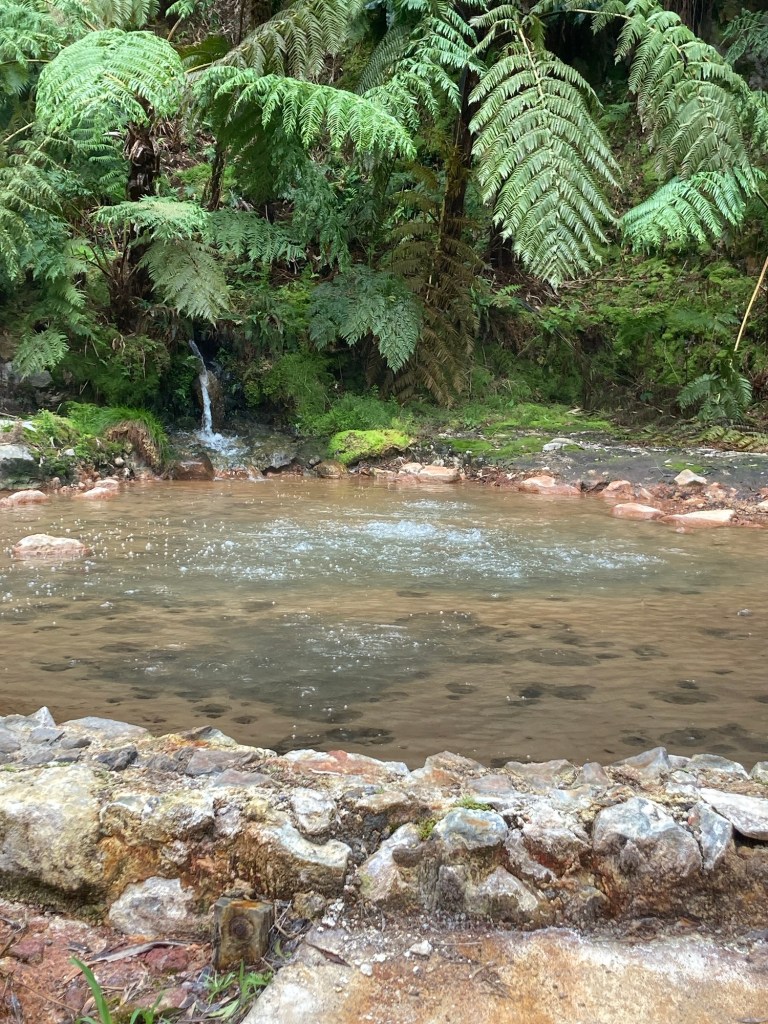
Drawing Inspiration from the Secrets of Trees

I recently read Peter Wohlleben’s captivating book “The Hidden Life of Trees“. Wohlleben believes trees talk to each other. Isn’t it fascinating? The world of forests unveils the extraordinary inner workings of these natural wonders. The author explains how trees interact, communicate, move, and defend themselves. He also describes their growth patterns.

From his words, we discover a profound truth: the silent, hidden trees that spend years in the shade foster a resilience that withstands the tests of time. Like whispered secrets shared among the ancient forest, these trees teach us patience and fortitude. Meanwhile, those that hastily reach for the sun find themselves vulnerable to decay, their fleeting growth unable to withstand the rigors of existence.

In nature, we find wisdom – a timeless reminder that endurance often lies in the shadows. Limited sunlight results in slow growth, leading to the development of dense wood that lasts for generations.

On the contrary, trees constantly exposed to the sun rapidly grow, producing porous wood susceptible to fungi, yeasts, molds, and mildew. A tree that quickly grows decays faster and never gets the chance to age.

We may find solace in the profound lessons echoed by ‘The Hidden Life of Trees.’ This insightful narrative reveals the intricate balance of nature, where trees patiently endure in the shadows, fostering resilience that transcends generations. As we grapple with the urgent need for sustainable solutions, we’re reminded that true endurance lies not in rapid growth, but in the quiet strength cultivated over time. Perhaps, in embracing the wisdom of the forest, we can uncover pathways to mitigate our carbon footprint and forge a more harmonious relationship with the natural world.

We can learn a lot from nature on how to apply its principles and strategies for lasting success and resilience. Peter Wohlleben’s storytelling prowess brings the forest to life, offering invaluable insights into the secrets of endurance found within its wooded realms.

Thank you for reading! Please sign up for my blog crisbiecoach so you don’t miss out on any posts.

I Segreti della Resilienza: Riflessioni dalla Vita Segreta degli Alberi di Peter Wohlleben

Recentemente ho letto il libro affascinante di Peter Wohlleben “La vita segreta degli alberi”. L’autore nel suo libro ci parla di come gli alberi interagiscono, comunicano, si aiutano a vicenda, si muovono e si difendono, e definisce i loro modelli di crescita. Insomma, gli alberi sono esseri sociali.

Non è interessante tutto questo? Il mondo delle foreste ci svela i straordinari meccanismi al suo interno.

Dalle sue parole, scopriamo una verità profonda: gli alberi silenziosi e nascosti che passano anni all’ombra coltivano una resilienza che resiste alle prove del tempo. Come segreti sussurrati condivisi tra gli antichi boschi, questi alberi ci insegnano pazienza e forza, mentre quelli piú esposti alla luce del sole sono piú vulnerabili e decadono piú in fretta. La loro crescita fugace non riesca a resistere alle difficoltá poste dall’esistenza.

Nella natura, troviamo saggezza – un promemoria senza tempo che la resilienza spesso risiede nell’ombra. La luce solare limitata comporta una crescita lenta, che porta allo sviluppo di legno denso che dura per generazioni.

Al contrario, gli alberi costantemente esposti al sole crescono rapidamente, producendo legno poroso suscettibile a funghi, lieviti, e muffe. Un albero che cresce rapidamente marcisce più velocemente e non ha mai la possibilità di invecchiare.

Possiamo trovare conforto nei profondi insegnamenti echeggiati da “La vita segreta degli alberi”. Questo libro illuminante rivela l’equilibrio intricato della natura, dove gli alberi sopportano pazientemente nell’ombra, coltivando una forza che trascende le generazioni. Mentre cerchiamo con urgenza soluzioni sostenibili per la nostra sopravvivenza su questo pianeta, ci viene ricordato che la vera resilienza non risiede nella crescita rapida, ma nella silenziosa forza coltivata nel tempo. Forse, abbracciando la saggezza del bosco, possiamo scoprire percorsi piú saggi e utili per mitigare la nostra impronta di carbonio e cominciare una relazione più armoniosa con il mondo.

Possiamo imparare molto dalla natura su come applicare i suoi principi e le sue strategie per un successo e una resilienza duraturi. La maestria narrativa di Peter Wohlleben porta il bosco alla vita, offrendo preziosi approfondimenti sui segreti della forza immensa che si trova nei boschi e nelle foreste.

Sul mio blog puoi trovare altri articoli sull’ambiente, perché non ti iscrivi? Non perderai nessun articolo!

Celebrating Easter with a Poem

EASTER SUNDAY by Bertolt Brecht

Today, Easter Sunday morning
a sudden snowstorm swept over the island.
Between the greening hedges lay snow.
My young son drew me
to a little apricot tree by the house wall
away from a verse
in which I pointed the finger at those
who were preparing a war which
could well wipe out the continent, this island,
my people, my family
and myself.
In silence
we put a sack
over the freezing tree.‎

I find this poem very appropriate to the times we are living in. Unfortunately.

Happy Easter, may you find joy and peace!

Photo by mahmoud Faraji on Pexels.com

Una poesia per celebrare la Pasqua

Primavera 1938 di Bertolt Brecht

Oggi, domenica di Pasqua, presto
Un’improvvisa tempesta di neve
si e’ abbattuta sull’isola.
Tra i cespugli verdeggianti c’era neve. Il mio ragazzo
mi ha portato verso un piccolo albicocco attaccato alla casa
strappandomi ad un verso in cui puntavo il dito contro coloro
che stanno preparando una guerra che
puo’ cancellare
il continente, quest’isola, il mio popolo,
la mia famiglia e me stesso. In silenzio
abbiamo messo un sacco
sopra all’albero tremante di freddo.

Trovo questa poesia di Bertolt Brecht molto appropriata ai tempi che stiamo vivendo. Purtroppo.

Buona Pasqua di pace!

Photo by mahmoud Faraji on Pexels.com

Why You Shouldn’t Just Sit: Embracing STUFF for Better Health

In today’s sedentary world, sitting has become synonymous with a host of health risks, akin to the dangers associated with smoking. Prolonged periods of sitting have been linked to an increased risk of chronic health conditions such as heart disease, diabetes, certain cancers, and even mental health issues. This phenomenon has led to the emergence of the saying, “Sitting is the new smoking.”

For individuals like myself who struggle to be seated for more than two hours in a row, the idea of sitting for extended periods is not only uncomfortable but often impossible. The urge to move becomes overwhelming, making it challenging to remain seated for long periods. As a result, I’ve adopted a lifestyle that prioritizes standing and walking throughout the day. Not only does this help alleviate my pain in the legs, but it also contributes to better sleep quality, though occasional bouts of insomnia may still occur, often stemming from anxiety or stress.

However, even if you don’t feel pain in your legs because of sitting long hours, breaking up long periods of sitting is essential for maintaining overall health. Research suggests that interrupting sitting every 30 to 45 minutes with short breaks, such as standing for 10 to 15 minutes, can significantly reduce the negative effects of prolonged sedentary behavior.

Even if you consider yourself an active individual, spending more than six hours a day sitting can still have detrimental effects on your health, which cannot be offset solely by exercise. Incorporating movement into your daily routine is key to mitigating these risks. Here are some simple strategies to embrace STUFF (Stand-up for Fitness) and combat the hazards of prolonged sitting:

  • Opt for walking meetings: Instead of gathering around a conference table, take your discussions outdoors and incorporate movement into your brainstorming sessions.
  • Take a stroll during lunch: Use your lunch break as an opportunity to stretch your legs and get some fresh air. Even a short walk can help break up prolonged periods of sitting.
  • Invest in a sit-stand desk: Consider switching to a desk that allows you to alternate between sitting and standing throughout the day. This can help reduce the amount of time spent in a sedentary position and promote better posture and circulation.

Remember, the key is to avoid prolonged periods of inactivity and find creative ways to incorporate movement into your daily routine. Whether it’s through STUFF or other forms of physical activity, prioritizing movement is essential for maintaining optimal health and well-being.

So, are you ready to embrace STUFF and take a stand against the dangers of prolonged sitting? Don’t just sit there—get moving and reap the benefits of a more active lifestyle.

Thank you for reading! Please sign up for my blog crisbiecoach so you don’t miss out on any posts.

Perché non dovresti stare sempre seduto

Nel mondo sedentario di oggi, sedersi è diventato sinonimo di una serie di rischi per la salute, simili ai pericoli associati al fumo. Lunghi periodi di sedentarietà sono stati collegati a un aumento del rischio di condizioni di salute croniche come malattie cardiache, diabete, alcuni tipi di cancro e persino problemi di salute mentale. Questo fenomeno ha portato all’emergere del detto “Stare seduti è il nuovo fumare“.

Per persone come me che fanno fatica a stare sedute per piú di due ore consecutive, l’idea di sedersi per periodi prolungati non è solo scomoda, ma spesso impossibile. L’impulso di muovermi diventa impellente, rendendo difficile per me rimanere seduta per lunghi periodi di tempo. Di conseguenza, ho adottato uno stile di vita che privilegia stare in piedi e camminare durante le mie giornate. Non solo questo aiuta le mie gambe a stare meglio, ma contribuisce anche a una migliore qualità del sonno, anche se occasionali episodi di insonnia possono ancora verificarsi, ma spesso sono causati da ansia o stress.

Tuttavia, anche per coloro che non soffrono di dolore alle gambe come me, interrompere lunghi periodi di posizione seduta è essenziale per mantenersi in buona salute. Le ricerche suggeriscono che alzarsi ogni 30-45 minuti e stare in piedi per 10-15 minuti, può ridurre significativamente gli effetti negativi del comportamento sedentario prolungato.

Anche se ti consideri una persona attiva, trascorrere più di sei ore al giorno seduto può comunque avere effetti dannosi sulla tua salute, che non possono essere compensati solo con l’esercizio fisico. Incorporare il movimento nella tua routine quotidiana è fondamentale per mitigare questi rischi. Ecco alcune semplici strategie per abbracciare lo “STUFF” (Stand-up for Fitness) e combattere i pericoli della sedentarietà prolungata:

  • Opta per riunioni attive: invece di riunirsi attorno a un tavolo, organizza i tuoi incontri all’aperto.
  • Fai una passeggiata durante il pranzo: Usa la pausa pranzo come un’opportunità per sgranchire le gambe e prendere un po’ di aria fresca. Anche una breve passeggiata può aiutare a spezzare lunghi periodi di sedentarietà.
  • Investi in una scrivania regolabile: passare a una scrivania regolabile ti permetterebbe di alternare tra stare seduto e stare in piedi. Riducendo il tempo trascorso in posizione seduta migliorerai la postura e la circolazione.

Ricorda, la chiave è evitare lunghi periodi di inattività e trovare modi creativi per muoverti durante le tue giornate. Che sia attraverso lo STUFF o altre forme di attività fisica, prioritizzare il movimento è essenziale per mantenerti in salute e avere un benessere ottimale.

Quindi, sei pronto ad abbracciare lo STUFF e attivarti contro i pericoli della sedentarietà prolungata? Mettiti in movimento e goditi i benefici di uno stile di vita più attivo!

Sul mio blog puoi trovare altri consigli per migliorare il tuo benessere, perché non ti iscrivi? Non perderai nessun articolo!

Unlocking the Power of Aromatherapy: History, Production, and Practical Applications

I’ve recently started a comprehensive course on aromatherapy, a therapy that is revered for its benefits and has captivated enthusiasts worldwide, offering a natural and holistic approach to well-being.

Join me as we explore the fascinating origins of aromatherapy, from ancient civilizations to contemporary practices, and discover how aromatic oils can enhance our physical, emotional, and spiritual well-being.

History of Aromatherapy

Aromatherapy originates in ancient civilizations, where aromatic plants were revered for their medicinal and spiritual properties. Ancient Egyptians, Greeks, and Romans utilized essential oils extracted from herbs, flowers, and resins in religious ceremonies, beauty rituals, and healing practices. The renowned Greek physician Hippocrates and Persian polymath Avicenna also documented the medicinal properties of aromatic plants.

Traditional Production Methods

In antiquity, essential oils were extracted through crude yet effective methods such as steam distillation, maceration, and cold pressing.

Steam distillation, the most common technique, involves passing steam through plant material to extract volatile compounds, which are then condensed into essential oils.

Maceration involves soaking plant material in a carrier oil to extract aromatic compounds.

Cold pressing is primarily used for citrus oils, extracting the oil by mechanically pressing the fruit’s rind.

Modern Production Techniques

Today, advancements in technology have revolutionized the production of essential oils, enabling higher yields and improved quality. Modern distillation equipment allows for precise control of temperature and pressure, ensuring optimal extraction of volatile compounds while preserving their therapeutic properties. Additionally, innovations such as CO2 extraction and solvent extraction have expanded the range of oils available, offering extracts with distinct aromas and therapeutic benefits.

Practical Applications of Aromatherapy:

  1. External Use:
    • Inhalation: Add a few drops of essential oil to a diffuser or inhale directly from the bottle to enjoy the aromatic benefits.
    • Massage: Dilute essential oils in a carrier oil and massage onto the skin to promote relaxation, alleviate muscle tension, and improve circulation.
    • Bath: Add a few drops of essential oil to a warm bath to create a soothing and aromatic bathing experience.
  2. Internal Use:
    • Oral Consumption: Some essential oils can be ingested under the guidance of a qualified aromatherapist or healthcare professional. They can be added to beverages, and foods, or taken in capsule form for various health benefits.
    • Culinary Use: Certain culinary herbs and spices, such as peppermint, lavender, and rosemary essential oils, can be used to flavor dishes and beverages.
  3. Vaping:
    • Vaporization: A growing trend in aromatherapy involves using essential oil vaporizers or vape pens to inhale aromatic compounds. It offers a convenient and discreet way to enjoy the benefits of essential oils on the go.

Exploring aromatherapy, and understanding its history, production methods, and practical applications is essential for harnessing its full potential.

Aromatherapy serves as a gateway to holistic wellness, offering a natural and effective approach to improving physical, emotional, and spiritual health. By embracing the ancient wisdom of aromatic plants, we can unlock the transformative power of aromatherapy in our lives.

Are you ready to incorporate aromatic oils into your daily routine for enhanced well-being?

Thank you for reading! Please sign up for my blog crisbiecoach so you don’t miss out on any posts.

Il potere dell’aromaterapia

Da tempo volevo avventurarmi nel mondo dell’aromaterapia, perció ho iniziato recentemente un corso completo su questa antica pratica, approfondendo la sua ricca storia, i metodi tradizionali di produzione e le applicazioni moderne. L’aromaterapia, per i suoi benefici terapeutici, offre un approccio naturale e olistico al benessere.

Unisciti a me mentre esploriamo le affascinanti origini dell’aromaterapia, dalle antiche civiltà alle pratiche contemporanee, e scopriamo le applicazione pratiche degli oli essenziali.

Storia dell’Aromaterapia

L’aromaterapia trova le sue origini nelle antiche civiltà, dove le piante aromatiche erano riverite per le loro proprietà medicinali e spirituali. Antichi Egizi, Greci e Romani utilizzavano oli essenziali estratti da erbe, fiori e resine in cerimonie religiose, rituali di bellezza e pratiche di guarigione. Il rinomato medico greco Ippocrate e l’erudita persiano Avicenna furono tra i primi a documentare le proprietà medicinali delle piante aromatiche.

Metodi Tradizionali di Produzione

Nell’antichità, gli oli essenziali venivano estratti attraverso metodi rudimentali ma efficaci come la distillazione a vapore, la macerazione e la spremitura a freddo.

La distillazione a vapore, la tecnica più comune, prevede il passaggio di vapore attraverso il materiale vegetale per estrarre composti volatili, che vengono poi condensati in oli essenziali.

La macerazione consiste nell’immergere il materiale vegetale in un olio vettore per estrarre composti aromatici.

La spremitura a freddo viene utilizzata invece principalmente per gli oli agrumati, estraendo l’olio mediante pressatura meccanica della buccia del frutto.

Tecniche di Produzione Moderne

Oggi, i progressi della tecnologia hanno rivoluzionato la produzione degli oli essenziali, consentendo rese più elevate e una migliore qualità. Le moderne attrezzature di distillazione consentono un controllo preciso della temperatura e della pressione, garantendo un’estrazione ottimale dei composti volatili e preservando le loro proprietà terapeutiche.

Applicazioni Pratiche dell’Aromaterapia

Uso Esterno:

  • Inalazione: Aggiungi qualche goccia di olio essenziale a un diffusore, o mettile su un fazzolettino di carta per godere immediatamente dei benefici aromatici.
  • Massaggio: Diluisci gli oli essenziali in un olio vettore e massaggia sulla pelle per favorire il rilassamento, alleviare la tensione muscolare e migliorare la circolazione.
  • Bagno: Aggiungi qualche goccia di olio essenziale a un bagno caldo per creare un’esperienza rilassante e aromatica.

Uso Interno:

  • Consumo Orale: Alcuni oli essenziali possono essere ingeriti sotto la guida di un aromaterapista qualificato o di un medico. Possono anche essere aggiunti a bevande, cibi o assunti sotto forma di capsule per apportare benefici di vario tipo alla salute.
  • Uso Culinario: Alcune erbe e spezie, come menta piperita, lavanda e rosmarino, possono essere utilizzate per aromatizzare piatti e bevande.

Vaping:

  • Vaporizzazione: Una tendenza in crescita nell’aromaterapia prevede l’uso di vaporizzatori di oli essenziali o penne vape per inalare i composti aromatici. Si tratta di un modo comodo e discreto per godere dei benefici degli oli essenziali mentre sei in movimento.

Esplorare l’aromaterapia, comprenderne la sua storia, i metodi di produzione e le applicazioni pratiche è essenziale per sfruttarne appieno il potenziale.

L’aromaterapia rappresenta un accesso al benessere olistico, e offre un approccio naturale ed efficace per migliorare la salute fisica, emotiva e spirituale. Le piante aromatiche ci aiutano a sbloccare il potere trasformativo dell’aromaterapia nella nostra vita.

Sei pronto ad integrare l’aromaterapia nella tua routine quotidiana per ottenere un benessere migliore?

Grazie per aver letto questo articolo. Hai pensato di iscriverti al mio blog? Non perderai nessun articolo!

Exploring the Minsky Moment: Lessons from a Very Funny Coyote and Financial Instability

In the middle of a desert, a somewhat foolish coyote chases after a remarkably cunning bird, their pursuit escalating to breakneck speeds.

Then, abruptly, the bird halts at the edge of a precipice. Yet, the coyote, driven by instinct, continues its sprint heedlessly until it comprehends the futility of its strides – it finds itself suspended in mid-air.

This iconic scene is not merely the antics of Bee Beep and the coyote; it encapsulates a profound economic theory: the hypothesis of financial instability.

Hyman Minsky posited that within every period of economic prosperity lies the seeds of a future crisis. How so? The explanation is deceptively simple. During times of prosperity, economic agents — be they households, businesses, or the state — act with optimism. They borrow funds to fuel projects, investments, and expansion.

Amidst this optimistic climate, investors embrace higher risks; banks extend credit more liberally, often overlooking the perils of repayment. Minsky termed this phenomenon the “paradox of tranquility.”

However, as the economy becomes increasingly dependent on credit, ominous signs emerge: unemployment rises, economic growth falters, incomes shrink, and repayment becomes arduous. Yet, economic actors persist in their illusion of stability, akin to the hapless coyote suspended in mid-air.

A mere whisper of adversity can catalyze the “Minsky moment”: a sudden awakening to the perils of excess. Panic ensues as the realization dawns that risks are untenable, debts are insurmountable, and credit dries up.

The result? A systemic crisis: the coyote, too preoccupied to grasp its impending fall, plunges into the abyss. Such is the saga of financial instability in the real world.

Now, reflect for a moment: have you ever experienced a Minsky moment in your life?

As we ponder the parallels between the whimsical pursuits of cartoon characters and the sobering realities of economic theory, let us heed the lessons embedded within. Let us strive for prudence, resilience, and foresight in navigating the tumultuous landscapes of finance and life.

In a world where folly and wisdom often converge, let us endeavor to discern the difference and chart a course toward sustainable prosperity.

Are you prepared for your Minsky moment? Embrace the challenge, for within it lies the opportunity for growth, resilience, and renewal.

Thank you for reading! Please sign up for my blog crisbiecoach so you don’t miss out on any posts.

Bee-Beep ovvero il paradosso della tranquillitá

In pieno deserto un coyote un po’ stupido corre dietro a un uccello molto furbo. I due animali vanno a velocitá elevata.

Ma, all’improvviso, l’uccello si ferma davanti a un precipizio. Il coyote, al contrario, continua a correre senza guardare fino a quando si rende conto di stare correndo nel vuoto.

Questa scena é un classico di Bee Beep e il coyote.

Ma é anche l’illustrazione perfetta di una teoria economica molto seria: l’ipotesi di instabilitá finanziaria.

Secondo Hyman Minsky, tutti i periodi di prosperitá economica contengono gli elementi di una crisi futura. Come? E’ semplice. Quando tutto va bene, gli agenti economici (famiglie, imprese, lo Stato) hanno fiducia e chiedono denaro in prestito per fare dei progetti, investire, sviluppare attivitá.

In questo ambiente ottimale, gli investitori rischiano di piú, la banche prestano piú facilmente soldi, senza fare troppa attenzione al pericolo di non essere rimborsarti. Minsky chiama questo fenomeno il “paradosso della tranquillitá”.

Ma ad un certo punto, é tutta l’economia che vive a credito. Succede allora che degli altri fenomeni, piú preoccupanti, si presentano: disoccupazione, rallentamento delle attivitá, abbassamento delle entrate, difficoltá a rimborsare. Nonostante questo, gli agenti economici continuano a comportarsi come se niente fosse. Esattamente come quando il povero coyote corre nel vuoto!

Basta allora un brutta notizia per innescare il “momento Minsky”: tutti si svegliano all’improvviso e si spaventano. Ci si rende conto che non si possono piú affrontare i rischi, che non si possono rimborsare i prestiti, e le banche smettono di fare credito.

E’ la crisi generale: il coyote é troppo occupato per rendersi conto che sta per cadere nel vuoto. Ed é troppo tardi per evitare la caduta, esattamente come accade nel mondo reale.

E tu, hai mai vissuto un “momento Minsky” nella tua vita?

Grazie per aver letto questo articolo. Hai pensato di iscriverti al mio blog? Non perderai nessun articolo!

Photo by Pixabay on Pexels.com