
6 Ways To Warm Up Your Hands

Are you like me who always have cold hands in winter? Here are six remedies ((without putting them on the radiator) that you can easily use to warm up your hands during this winter that is rather cold.

Photo by Koko 19091 on Pixabay
  1. When you go out put on your gloves, of any kind they are: traditional, in thermal material, or with a battery. To avoid arthritis you should wear natural fibre gloves, such as cotton or wool, but it is true that gloves made of thermal material, such as those used for skiing, are warmer. In any case, you shall wear them with warm hands already, therefore before leaving your place, otherwise it will take longer to warm them up.
  2. Use hand cream. It helps you to form a protective barrier which then decreases the feeling of cold. A thick cream is certainly more useful than a fluid cream. In addition, it also helps you to prevent the formation of cracks caused by frequent washing, which is absolutely necessary in times of pandemics, like the one we have been living for about one year.
  3. Avoid smoking (your lungs will be happier too). You will not have to go out on the balcony (if you live with some other people who don’t smoke) and you will avoid tobacco hindering blood flow, a constriction that causes a drop in body temperature since less blood will be circulating.
  4. Give a warm hug. Contact with bodies is the best way to transmit heat. Many people put their hands under their arms to be warmer when they feel cold or when they are in a cold environment. Of course, hugging in the days of Covid is not recommended, so do it only with those who live with you.
  5. Put your hands into warm water. This remedy is also used to treat freezing symptoms. However, you must be careful since, with the loss of sensitivity of the hands caused by the cold, there is the serious risk of burning them if the water temperature is higher than 40/42 degrees.
  6. Say goodbye to alcoholic aperitifs and drinks. Although there is the idea that alcohol heats you up, this is a misbelief. The truth is that it is only a temporary sensation. Alcohol, like smoking, facilitates the vasoconstriction of the arteries. Much better to drink a hot herbal tea or tea.

Would you try one of those remedies and let me know if it works? I use gloves and put hand cream, and actually it works!
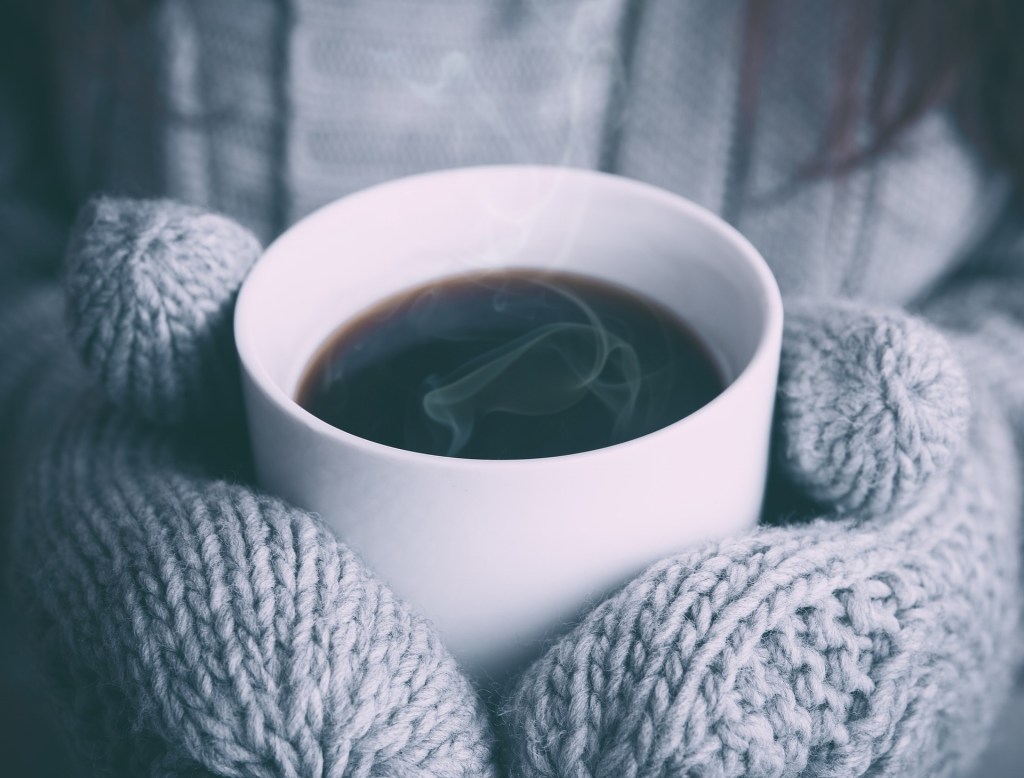
Photos by Free Photos on Pixabay

5 Steps To Be Healthy During the Winter

Winter, which is about to come, looks like a difficult season due to the cold temperatures that bring with it diseases such as colds, coughs, flu and this year Covid also. To protect yourself adequately, it is necessary to strengthen your immune system.

Here are 5 essential things to do for an efficient immunity.

  1. Healthy and balanced nutrition. Proper nutrition provides the energy needed to stay fit and to produce antibodies. You will therefore have to be careful to consume seasonal fruit and vegetables, limiting industrial and over-sweetened products. The ideal is to prepare your own meals, limiting sodas, pastries and alcoholic beverages because they can hinder the immune system. Some vegetables, such as mushrooms (like shiitaki), garlic, onion, shallot, and ginger have antibacterial properties. To stimulate our immune defences, you must also include fats in your diet, favouring mono-saturated or poly-saturated fats (fish such as sardines or mackerel and vegetable oils such as extra-virgin olive oil). It is highly recommended avoiding saturated fats like butter and whole milk. It would also be important to take a probiotic cure to strengthen our intestines. Perhaps you know that 70% of our immune system is in our intestines and probiotics strengthen the intestinal mucosa, especially in winter or if you have a serious or chronic illness. These micro-organisms are found in yoghurt and fermented milk. Another important part of winter nutrition are elements like zinc and selenium, which also contribute to stimulating the immune system and are found in foods rich in proteins such as crustaceans, egg yolk, poultry and the cheese.
  2. Vitamins. Vitamin A is a precious ally of immunity because it stimulates the production of antibodies. Products of animal origin such as meat, fish, whole milk and milk products in general are rich in vitamin A. Vitamin C, found in fruits and vegetables, helps the formation of immune cells. Vitamin E is naturally present in sunflower seeds and vegetable oils. It has to be an important part in the nutrition of elderly people because it compensates for the loss of immune defences due to ageing. As for vitamin D, its effectiveness is proven in the regulation of immunity. It also acts to counter the development of some autoimmune diseases such as multiple sclerosis. The main source of vitamin D is the sunlight. If you live in Belgium like me, or in another country in the Northern hemisphere, where the sun is scarce during the winter, taking supplement of vitamin D is recommended, especially if you are a woman in menopause or a person of a certain age. It is true that you can also find it in fatty fish, but in small quantities.
  3. The quality of sleep. Sleep disorders affect many people. The benefits of a pleasant night are well known. Stress and toxin are eliminated, tissues are repaired, cells are regenerated and you wake up in a good mood. A good sleep, in addition to having these effects, also strengthens your immune system and protects you from infections. To be well rested, you need to get enough sleep, between 6 and 8 hours. If you are having trouble falling asleep, have a ritual to clear your mind, avoid drinking coffee, overeating, and drinking too much alcohol in the evening. To prepare for a quiet night, remove from your room all the elements that stimulate your attention too much and emit blue light (TV, mobile phone, computer). Practising a relaxing activity such as meditation and reading before sleeping, may help you in falling asleep. An herbal tea before going to bed may also help you.
  4. Exposure to light. Light has an impact on the regulation of the biological clock. The lack of light, or the wrong light (artificial light, the blue light from the LED screens I mentioned earlier, night work shifts, or too rich diets), could have consequences on sleep and the immune system. To regulate your biological clock, try to get maximum exposure to sunlight, letting it into your home and workplace. In case of major disorders, you can buy a light therapy lamp that simulates sunlight in intensity and light spectrum. You can find them in every price range.
  5. Finally, physical activity. Regular physical activity has a direct effect on immunity. By improving blood circulation, exercise allows the different components of the immune system to spread better in the body. In older people, it helps prevent the decline of immune functions. But be careful not to practise too intensely as this could have a counterproductive effect. It is quite easy to practice good habits to get some physical activity on a daily basis. For example, you can take the stairs instead of taking the elevator or you can walk 30 minutes a day. If you want to go to the gym (a bit difficult in these Covid times), take it easy and listen to the advice of your coach or use an app.

So, are you ready to face the winter?

Photo by Okan Caliskan on Pixabay

Seven tips for Winter Time

With the arrival of the winter season, we change our clothes and also our habits would need to change. 

These tips are easy to follow and will help you to cope with the coming winter.

Our daily habits contribute to our happiness, well-being and health. That is why it is important to adapt to the season ahead, as it has an impact on our body and our spirit. 

Scientific studies have shown that seasonal fluctuations such as daylight, temperature and weather have a significant impact on us. Our mood, our metabolism, our balance and our biological clock change with the changing of the seasons.

Therefore, it is important to changes our habits so to restore the harmony between our body and the environment that surrounds us.

It is not as difficult as it seems. Here are some tips that you may want to follow for your health and well-being this winter.

  1. Walk more, drive less

There is nothing as good as an outdoors walk. Replacing journeys by car with a walk is ideal for taking your dose of fresh air, natural light and exercise. It also saves you from stress caused by the traffic. To benefit from the best of the walk, you could also listen to a guided walking meditation.

2. Take hot baths

Preparing a bath with hot water and jumping into it is the best way to relax during the cold weather. Create an ideal environment, putting bath oils in the water and some of your favourite music.

3. Adopt an evening routine

The winter season corresponds to a natural resting period. As the days get shorter and the exposure to natural light decreases, we feel less dynamic because our body produces less melatonin. To fight against the fatigue and the melancholy of winter, try to sleep eight hours a night and go to bed at about the same time each evening. Do not heat up your bedroom too much to avoid waking up sweaty in the middle of the night.

4. Eat properly

With the lowering of the temperatures comes the time to warm up with delicious and nutritious food. To prepare winter soup with relaxing effect, use warm and healthy ingredients, such as chickpeas, carrots and potatoes.

5. Take care of your skin (especially your hands)

Cold temperatures put a strain on your skin, so it is important to take care of it. To reduce dryness, use a good moisturizing and nourishing cream. In particular, the hands are more exposed to cold and need more attention and protection. To always have soft and well-groomed hands, keep a hand cream with you and use it when you need it.

6. Put your mobile aside

Due to a lower outdoors activity during winter, we are inclined to spend more time on social media. As you know, looking constantly to the mobile (or any other device) is not a good thing. Your mobile forces you to look within yourself and this may cause you a winter depression. Moreover, it disturbs your sleep. From time to time it would be better to put your mobile aside and read a good book.

7. Play games with friends

Sometimes when the evenings are particularly cold, you may want to call your friends to your place to play games. This activity is not only perfect to fight winter melancholy and apparent social isolation but it is also useful to improve your intellectual abilities. A study published by the New England Journal of Medicine has shown that playing social games keeps the brain young and active and would protect from senile dementia and Alzheimer’s disease.

What about you? Do you have your own winter routine?