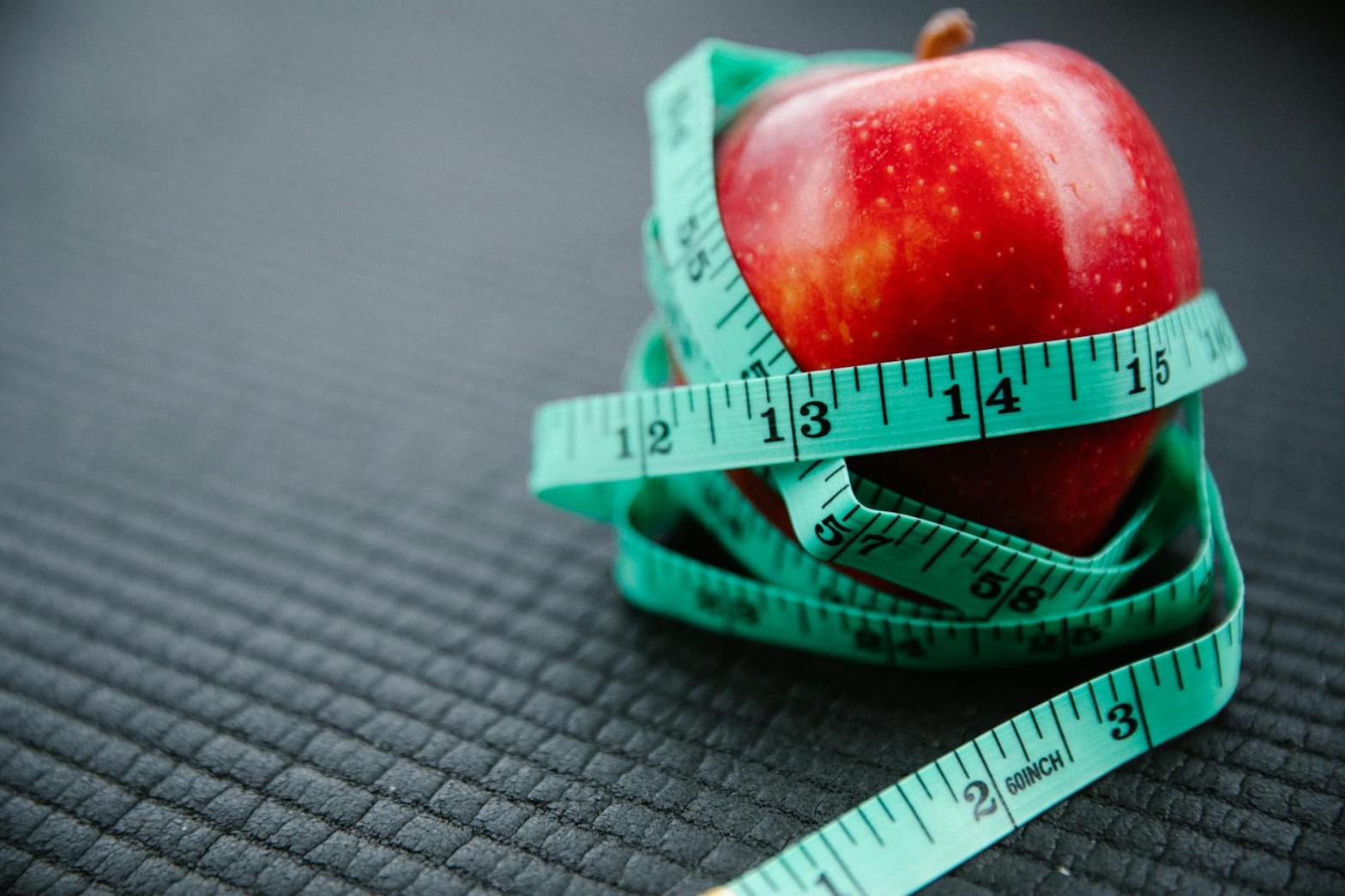
5 Scientific Facts About Weight Loss Everyone Should Know

Weight loss is often framed as a personal failure or a battle of willpower. But the reality is far more nuanced. Behind the headlines about “miracle diets” and the pressure to “eat better” or “move more” lies a complex interplay of biology, genetics, environment, and social determinants. Studies demonstrated that one thing is clear: the way we talk about weight loss is outdated. Here are five facts that challenge common myths and reshape how we understand this deeply personal journey.


1. Weight Loss Goes Against Our Biology

The human body is wired to resist weight loss. Evolutionarily, we were designed to survive periods of scarcity, not abundance. When we reduce calorie intake, our metabolism adapts by slowing down energy expenditure—a process called metabolic adaptation. Hormones like ghreline (which triggers hunger) spike, making it harder to stick to restrictive diets.

In France, 47.3% of adults had excess weight in 2020, with 17% classified as obese. Despite decades of public health campaigns focusing on individual responsibility, these numbers haven’t dropped. Why? Because our biology fights back. The body’s response to weight loss—increased hunger, reduced metabolic rate—was adaptive for hunter-gatherers facing famine. Today, supermarkets are flooded with cheap, hyper-processed foods, and it is not easy to make the correct choice.


2. It’s Not Just About Willpower

Assigning weight loss to “laziness” or “lack of discipline” ignores the role of genetics and systemic inequalities. Research shows that 40–70% of BMI variability is influenced by hereditary factors, including how our bodies regulate hunger and burn calories.

But biology isn’t the whole story. Access to affordable healthy food, safe spaces for physical activity, and the ability to prioritize self-care are privileges not everyone has. For example, low-income neighborhoods often lack grocery stores with fresh produce, while long work hours and chronic stress make healthy habits harder to maintain.

A 2021 review in The Lancet highlighted that socio-economic status significantly impacts diet and exercise opportunities, contributing to weight disparities.


3. Calories Don’t Tell the Whole Story

Counting calories is a popular strategy, but it’s far from foolproof. Our bodies don’t treat all calories equally. A 200-calorie slice of cake and a 200-calorie serving of salmon affect hunger, blood sugar, and satiety differently. Processed foods spike insulin and cravings, while whole foods like vegetables and lean proteins provide lasting fullness.

Fad diets that eliminate entire food groups (e.g., low-carb or juice cleanses) often lead to short-term weight loss but are unsustainable. They also risk nutrient deficiencies. A better approach? Focus on long-term habits: prioritize whole foods, reduce ultra-processed meals, and avoid over-reliance on “detox” products.


4. Exercise is Vital for Health, Not Just Weight Loss

Physical activity is one of the most powerful tools for overall well-being, but it’s not a guaranteed weight loss solution. The body compensates for exercise by reducing non-exercise movement (e.g., fidgeting) or increasing appetite. Studies show that even vigorous workouts may not significantly boost daily calorie burn due to metabolic efficiency.

However, exercise remains essential. It improves heart health, builds muscle, reduces inflammation, and enhances mental health. So even if the scale doesn’t budge, movement is non-negotiable.

While exercise alone may not lead to dramatic weight loss, it’s crucial for metabolic health and disease prevention.


5. Health Doesn’t Always Require Weight Loss

The pursuit of a lower number on the scale can overshadow real progress. For many, improving health doesn’t necessitate weight loss. Eating more fruits and vegetables, reducing alcohol intake, and managing stress can lower blood pressure, cholesterol, and diabetes risk—even if weight stays the same.

Focusing on health at every size (HAES) encourages sustainable habits rather than fixating on weight. Celebrate milestones like better sleep, more energy, or improved mood.

Final Thoughts: Redefine Your Relationship with Weight

Weight loss is rarely simple. It’s influenced by biology, environment, and systemic factors beyond our control. Instead of blaming ourselves, let’s adopt a compassionate, science-backed approach. Small, consistent changes—like choosing whole foods, staying active, and prioritizing mental health—can create lasting well-being, regardless of the scale.

Ready to shift your mindset? Let’s move beyond the stigma and toward a healthier, more inclusive conversation about weight.

Thank you for reading! Please sign up for my blog crisbiecoach so you don’t miss out on any posts!

Understanding Fat – The Good, the Bad, and the Ugly

Let’s start with a story. Imagine your body as a cozy house, and fat as the storage room. In ancient times, this storage room was a hero. When food was scarce, our ancestors relied on fat to survive. It was like a survival battery, storing energy from food to fuel hunts, migrations, and long winters. But here’s the twist: today, most of us aren’t foraging for berries or chasing game. We’re sitting at desks, ordering takeout, and binge-watching shows. Now, that once-heroic storage room has turned into a problematic hoarder.

What Is Fat, Anyway?

Fat, or adipose tissue, isn’t just a lazy sack of calories. It’s a dynamic organ with a mind (and hormones!) of its own. There are two main types: white fat and brown fat. White fat is the classic “storage” fat—think of it as the couch potato of the fat world. It hoards excess calories and releases them when needed. Brown fat, on the other hand, is the metabolism booster. It burns calories to generate heat, like a tiny furnace. New research even suggests we can “ recruit” beige fat, a hybrid that steps in when brown fat runs low.

Fat isn’t evil. It protects organs, insulates your body, and produces hormones that regulate appetite, immunity, and even mood. But here’s the rub: when the storage room overflows, chaos ensues. Excess white fat, especially around the belly (visceral fat), starts spewing inflammatory chemicals and disrupting hormones. It’s like having a leaky pipe that floods your house with chaos.

Why Does Fat Accumulate?

The answer seems simple: calories in vs. calories out. But it’s far more nuanced. Modern life is a fat-accumulation minefield. Let’s unpack the villains:

  1. The Sugar and Carb Tsar: Processed foods loaded with refined sugar and carbohydrates spike insulin levels, telling your body to store fat. Think of insulin as the bouncer at the fat club—when it’s overworked, it locks calories in storage rooms forever.
  2. The Sedentary Spell: Our ancestors moved constantly. Today, many of us sit for 10+ hours daily. Muscle, the fat-fighting ally, atrophies without use, slowing metabolism.
  3. The Stress Monster: Chronic stress pumps out cortisol, the “stress hormone,” which targets abdominal fat. It’s why stressed-out busybodies often sport “stress bellies.”
  4. The Sleep Depriver: Poor sleep disrupts hunger hormones (ghrelin and leptin), making you crave junk food and feel ravenously hungry.

The Domino Effect of Excess Fat

Too much fat doesn’t just make clothes tighter—it hijacks your health. Visceral fat is linked to insulin resistance (Type 2 Diabetes), heart disease, and chronic inflammation. It’s also tied to mood disorders like depression and cognitive decline. Imagine your body as a symphony orchestra, and excess fat as the rogue musician playing off-key. Suddenly, every system is out of harmony.

The Silver Lining: You’re Not Helpless

Understanding fat is the first step to rewriting your story. In the next post I am preparing, we’ll dive into how metabolism works and simple, science-backed ways to rev it up—no extreme diets or hard workout!

Ready to take control? Start today by asking yourself: What one habit could I change to keep my “storage room” in balance? Share your thoughts below and tag a friend who needs this journey! Let’s turn the tide on fat—one small step at a time.

Thank you for reading! Please sign up for my blog crisbiecoach so you don’t miss out on any posts.

Are High-Protein Products Really Beneficial for Your Health?

In recent years, high-protein products have surged in popularity, largely due to their marketing as superfoods that can enhance fitness goals, support weight loss, and boost overall health. However, the reality of these products is more nuanced than their marketing suggests. As consumers become more health-conscious, it’s important to peel back the marketing layers and evaluate the true benefits and downsides of high-protein products.

Not a Magic Bullet for Weight Loss

Contrary to what flashy advertisements might imply, high-protein products are not inherently weight-loss wonders. Many people are drawn to these items in the hope of losing weight, but the reality is that they don’t possess any magical properties that will automatically lead to weight loss. While protein is indeed an important macronutrient that supports muscle repair and growth, consuming it in excess does not necessarily translate to losing body fat. Effective weight management relies on a balanced diet and regular physical activity, not just on increasing protein intake.

Unveiling the Sugar and Additives

One of the biggest misconceptions about high-protein products is that they are entirely healthy. A closer look at the labels reveals that many of these products are loaded with sugars and additives that can undermine their health benefits. The added sugars can contribute to various health issues such as increased blood sugar levels, weight gain, and an elevated risk of heart disease. Moreover, chemical additives and artificial flavorings, often present in these products, raise concerns about their long-term effects on health. When choosing high-protein snacks or drinks, it’s crucial to scrutinize ingredient lists and be mindful of these often overlooked components.

The Cost Factor

Another important consideration is the cost of high-protein products. They often come with a significant price tag, making them an expensive addition to your diet. While protein is a necessary nutrient, it doesn’t have to be expensive. Affordable and natural sources of protein, such as eggs, legumes, lean meats, and dairy, can easily fulfill your nutritional needs without costing a fortune. Instead of investing in costly high-protein bars or shakes, focus on incorporating these natural sources into a balanced diet for a more economical and sustainable approach to nutrition.

A Marketing Strategy with Limited Substance

The surge in popularity of high-protein products can largely be attributed to effective marketing strategies. Brands capitalize on the health trends surrounding protein by aggressively promoting their products as essential for achieving health and fitness goals. However, this is often more a matter of marketing than real nutritional innovation. The label “high-protein” can be misleading if the product is high in other less desirable ingredients, such as sugar or unhealthy fats. Consumers should be skeptical of marketing claims and base their choices on nutritional content rather than catchy slogans.

Making Smarter Choices

The key to a healthy diet is finding the right balance. While protein is essential, it should be consumed as part of a varied and balanced diet that also includes carbohydrates, fats, vitamins, and minerals. Prioritizing whole foods and natural protein sources over processed, high-protein products ensures that you get a full spectrum of nutrients without unnecessary additives. Reading labels, understanding ingredient lists, and being aware of marketing tactics can empower you to make healthier, more informed food choices.

In conclusion, while high-protein products can offer convenience, they are not a one-stop solution for health or weight loss. The real value of these products may often be overstated in marketing materials. By focusing on whole, unprocessed foods and being mindful of ingredient quality and sugar content, you can support your health in a more effective and sustainable way.

What do you think about high-protein products? Share your experiences and insights in the comments box here below!

Thank you for reading! Please sign up for my blog crisbiecoach so you don’t miss out on any posts!

Small Natural Tricks To Keep You Fit and Healthy

Summer has arrived and we want to look fit and healthy, maybe losing a few kilos. There are many products that you can buy and that will help you lose weight, but there are also simple homemade tricks that you can use.

Citrus fruits are great for fitness and other body functions

Lemons, oranges, grapefruits, contain substances that help control weight because they favor the purification of the kidneys.

For example, bitter orange helps to:

1.      maintain a normal weight;

2.      fight against overweight;

3.      manage weight;

4.       metabolize fats;

5.       promote fat burning.

In addition, bitter orange essential oil promotes normal sleep because it helps you relax you from the tensions accumulated during the day, while grapefruit oil helps to keep the intestines healthy. Lemon on the other hand optimizes fat and cholesterol metabolism, and supports liver health.

Remember that all citrus fruits contribute to the optimal maintenance of the immune system.

There are also other natural products that can help you maintain a healthy weight, such as licorice, sage, anise, ginger, flaxseed. These all can keep your hunger under control.

Obviously, to maintain a healthy weight it  is not enough to eat citrus fruits or other recommended herbs, you have to adopt a healthy lifestyle, which includes not only eating and sleeping well, but also doing physical activity. The diet alone can’t do miracles, while combined with a sport or even a daily walk at a fast pace will allow you to regain shape more quickly.

A small warning. If you are overweight and want to lose weight, consult a doctor or nutritionist. These tips are aimed at people who want to lose a couple of pounds and feel fit for the summer.

On my blog you can find more tips to improve your well-being, why don’t you subscribe?   You won’t miss any posts!

The Link Between Sleep & Weight

Do you know that sleeping less than 7 hours will make you gain weight? Let’s see how.

It is known that sleep affects overall well-being, but few people know that it also has a direct link to your weight.

This relationship was highlighted by a study conducted by researchers at the University of Chicago, coordinated by Dr. Eva Van Cauter, director of the Center for Sleep and Metabolism. According to scientific research, sleeping less than 7 hours a night would contribute significantly to weight gain. The reason is that less sleep corresponds to a greater appetite during the day because the body automatically tends to feed more to stay awake longer. Sleep is in fact an essential condition for regulating many biological mechanisms, both mental and physical.

While you sleep, your metabolism slows down, allowing your body to consume less and optimize its energy reserves. Sleeping poorly and a few hours interrupts this rhythm, so increased appetite is one of the many ways nature tries to compensate for what it lacks. It is estimated that just one hour less sleep than the recommended average of 7/8 hours translates into a consumption of about 300 extra calories per day and 1 kilogram of extra body weight per week!

All this is due to the decrease in the satiety hormone, while ghrelin, the hunger hormone, increases. That is why, despite attempts to lose weight through exercise, few results are achieved. It is obvious that sleeping more and better is not the only thing you can do, but it is a good habit that should be part of a healthy lifestyle, including a rich and varied diet.

Therefore, to get back in shape, in addition to going to the gym and seeking advice from a nutritionist, you could simply increase the hours and quality of your sleep, thus restoring the balance of your body.

Sleeping Well Is One of The Secrets for Your Well-being

Sleeping well is one of the secrets for your well-being that has been confirmed by science several times.
Find out what a good night’s sleep can bring in terms of well-being.

In the past people would go to bed at sunset and get up at sunrise. Our ancestors had no alarm clocks, they did not have neither a schedule to stick to, nor morning meetings to participate in. Their sleep rhythm was simply based on the natural day/night cycle, basically on the light.

Maintaining a healthy and regular sleep pattern is one of the (many) challenges of modern life. With our busy schedules, long working hours and smartphones always on, it may happen that we don’t get enough sleep.

Yet even though we all have a schedule to stick to, cutting back on your sleep hours is never a good idea. Sleep really has fabulous benefits, and getting enough sleep is vitally important for your overall health and well-being. Sleeping well doesn’t just serve to look good: it keeps you healthy.

Discover six benefits of sleep for your happiness and health.

1. Sleep makes you look good

Sleep is perhaps the closest thing to a fountain of youth. During deep sleep, the brain secretes a growth hormone responsible for cell renewal and repair of damaged tissue. This growth hormone is only released at night and can work miracles for your skin. The skin cells themselves go into repair mode when you sleep. Their metabolism accelerates and they regenerate faster than at any other time of the day.

In addition to these freshly renewed and healthy cells, sleep also has the effect of increasing blood flow to your skin, which is why your cheeks are warm and pink when you sleep. Lack of sleep can make the skin dull or chalky.

Thanks to a good night’s sleep you will look naturally throughout the following day.

2. Sleep strengthens the immune system

Researchers are only confirming what your mom has always told you: when you’re sick, the best thing to do is stay in bed and sleep as much as possible. Sleep helps fight the flu and other similar conditions, because the body produces disease-fighting proteins called cytokines when you sleep. If you’re sick often, maybe you’re not getting enough sleep. To strengthen your immune defences, try going to bed earlier or napping during the day.

3. Sleep helps solve problems

When faced with a dilemma, a good night’s sleep can help make the right decision. Researchers have observed that sleep helps solve problems creatively, because it provides access to the mass of knowledge and memories stored in your brain. At rest, your brain looks for associations that are not obvious when you are awake. This makes it possible to imagine creative solutions to solve the most difficult problems using information you didn’t even know you had. 

stress handwritten text on white printer paper
Photo by Pedro Figueras on Pexels.com
4. Sleep reduces stress

Sleep and stress are back-feeding. Stress can cause a lack of sleep and lack of sleep can generate stress. It’s a vicious circle that can be hard to get out of. But by managing your sleep well, you learn to fight stress too. Better quality sleep helps your body and mind recover, but you’ll also be less sensitive to stress if you’ve slept well. All challenges are easier to face after at least 6 hours of good sleep!

5. Sleep helps to lose weight

If you’re looking to get back on your ideal weight, a good nap can be as effective as a workout. A study published by the American Journal of Clinical Nutrition claims that people who sleep well burn more calories during the day than people who don’t get enough sleep. According to researchers at the University of Chicago, sleep promotes weight loss, and another study in the journal Obesity shows that tired people tend to consume more caloric foods.  

6. Sleep is good for your social relationships

Sleeping well is not only good for your physical and mental well-being, it is also a way to keep healthy relationships. Lack of sleep makes us more irritable, less patient, and with less energy to devote to others. It also impacts our capacity for empathy, and prevents us from being sensitive to the emotions of our loved ones. In short, we are much more pleasant for others when we are well rested. A nap may not solve all your relationship problems, but sometimes all that’s missing is a few hours of sleep.

What do you think about your sleeping pattern? Do you sleep longer enough to be healthy?

alone bed bedroom blur
Sleeping – Photo by Pixabay on Pexels.com

6 Less Known Benefits of Ginger

Ginger is a flowering plant that originated in Southeast Asia. It’s among the healthiest (and most delicious) spices on the planet.

The rhizome (underground part of the stem) is the part commonly used as a spice. It’s often called ginger root or, simply, ginger.

Ginger can be used fresh, dried, powdered, or as an oil or juice or in infusion. It’s a very common ingredient in recipes. It’s sometimes added to processed foods and cosmetics.

The unique fragrance and flavour of ginger come from its natural oils, the most important of which is gingerol.

Gingerol is the main bioactive compound in ginger. It’s responsible for much of ginger’s medicinal properties.

Gingerol has powerful anti-inflammatory and antioxidant effects, according to research. For instance, it may help reduce oxidative stress, which is the result of having an excess amount of free radicals in the body.

Ginger has a very long history of use in various forms of traditional and alternative medicine. One well known benefits of ginger is the hot infusion with lemon and honey used to treat the flu and cold.

But there are less known benefits of ginger.

Let’s see them.

1. It can treat many forms of nausea, especially morning sickness

Ginger appears to be highly effective against nausea.

It may help relieve nausea and vomiting for people undergoing certain types of surgery, and also for chemotherapy-related nausea.

It may be also effective when it comes to pregnancy-related nausea, such as morning sickness.

Although ginger is considered safe, talk to your doctor before taking it if you’re pregnant.

2. It may help with weight loss

Ginger may play a role in weight loss and in achieving your BMI (Body Mass Index).

It appears that its ability to influence weight loss may be related to certain mechanisms, such as its potential to help increase the number of calories burned.

3. It can help with osteoarthritis

Osteoarthritis (OA) is a common health problem.

It involves degeneration of the joints in the body, leading to joint pain and stiffness.

Researches have found that a combination of topical ginger, cinnamon, and sesame oil can help reduce pain and stiffness in people with OA.

4. It may lower blood sugars

This area of research is relatively new, but ginger may have powerful anti-diabetic properties (not all types of diabetes though).

The results are incredibly impressive, but they need to be confirmed in larger studies before any recommendations can be made.

Therefore, consult your doctor before using large amount of ginger.

5. It can help treat chronic indigestion

Chronic indigestion is characterized by recurrent pain and discomfort in the upper part of the stomach.

It’s believed that delayed emptying of the stomach is a major driver of indigestion. Interestingly, ginger has been shown to speed up emptying of the stomach.

6. It may reduce menstrual pain

Dysmenorrhea is the scientific name given to pain felt during the menstrual cycle.

One of the traditional uses of ginger is for pain relief, therefore menstrual pain is included.

To conclude

Ginger is loaded with nutrients and bioactive compounds that have powerful benefits for your body.

It’s one of the very few superfoods actually worthy of that name.

I like candied ginger and also infusions with lemon and honey to help recovery from flu or cold, as said at the beginning.

Now that end of the year holidays are approaching, you may want to try the Pepparkakor, ginger biscuits typical of Scandinavia that are absolutely delicious!.

What about you? Have you ever tried ginger?

Photo by Congerdesign on Pixabay