Understanding Obesity: The Complexy of Diet, Appetite, and Behavior

Obesity is a global health challenge that affects millions of people worldwide. It is a complex condition influenced by a myriad of factors, including diet, appetite, genetics, environment, and psychology. Despite significant advancements in our understanding of obesity, there are still gaps in our knowledge that hinder effective prevention and treatment. This blog post explores the intricate web of obesity, what we know and what we still need to uncover.

The Physiology of Obesity

Obesity is fundamentally a result of an energy imbalance—consuming more calories than the body expends. However, the physiology of obesity is far more nuanced. Hormones such as leptin and ghrelin play crucial roles in regulating appetite and energy expenditure. Leptin, produced by fat cells, signals the brain to reduce appetite and increase energy expenditure. Ghrelin, on the other hand, stimulates hunger.

One of the intriguing aspects of obesity is the concept of “food addiction.” Some researchers suggest that certain foods, particularly those high in sugar and fat, can trigger addictive-like responses in the brain. This can lead to compulsive eating behaviors, making it difficult for individuals to control their food intake.

The Role of Diet and Appetite

Diet is a cornerstone in the development and management of obesity. The modern food environment, characterized by an abundance of high-calorie, palatable foods, contributes to overeating. Processed foods, sugary beverages, and large portion sizes are significant culprits.

Appetite control is a complex interplay of biological, psychological, and environmental factors. The brain’s hypothalamus plays a central role in regulating hunger and satiety. However, psychological factors such as stress, emotions, and early-life experiences can also influence eating behaviors.

Stress and Early-Life Experiences

Stress is a well-known trigger for overeating. High levels of stress can lead to emotional eating, where individuals turn to food for comfort. This is often linked to the release of cortisol, a stress hormone that can increase appetite and cravings for unhealthy foods.

Early-life experiences, including childhood trauma and adverse events, can also shape eating behaviors. These experiences can lead to maladaptive coping mechanisms, such as binge eating, which can persist into adulthood.

Barriers to Healthy Eating

Despite the known benefits of a healthy diet, numerous barriers can hinder individuals from making nutritious food choices. These barriers include:

  1. Food Insecurity: Lack of access to affordable, nutritious food is a significant barrier. Food insecurity can lead to reliance on cheap, high-calorie foods that are often less nutritious.
  2. Time Constraints: Busy lifestyles can make it challenging to prepare healthy meals. Convenience foods, which are often high in calories and low in nutrients, become an easy alternative.
  3. Cultural and Social Influences: Cultural norms and social environments can shape dietary habits. Social gatherings often revolve around food, making it difficult to resist unhealthy options.
  4. Knowledge and Education: A lack of nutrition education can lead to poor food choices. Many people may not be aware of the nutritional content of foods or how to prepare healthy meals.

The Psychology of Appetite Control

The psychology of appetite control is a fascinating area of study. Portion sizes play a crucial role in determining how much we eat. Larger portion sizes can lead to overeating, as they distort our perception of a “normal” serving size. This phenomenon, known as the “portion size effect,” highlights the importance of mindful eating.

Food insecurity, as said before, can also affect eating behaviors. When individuals are uncertain about their next meal, they may overeat when food is available, leading to cycles of feast and famine. This can disrupt normal appetite regulation and contribute to weight gain.

Gaps in Our Knowledge

Despite significant progress, there are still gaps in our understanding of obesity. For instance, the exact mechanisms underlying food addiction are not fully understood. Additionally, the interplay between genetics, environment, and behavior in the development of obesity remains a complex puzzle.

Obesity is a serious condition that requires a comprehensive approach to prevention and treatment. Understanding the complex interplay of diet, appetite, and behavior is crucial for developing effective strategies. By addressing the barriers to healthy eating and continuing to explore the gaps in our knowledge, we can make strides in combating this global health challenge.

Join the conversation on understanding and addressing obesity. Share your experiences and insights in the comments box here below.

Thank you for reading! Please sign up for my blog crisbiecoach so you don’t miss out on any posts!

Why Sustainable Eating Matters

Eating sustainably isn’t just a buzzword—it’s a powerful way to care for both your health and the planet. Every bite we take impacts more than just our bodies; it shapes ecosystems, influences climate change, and affects global food security. Choosing sustainable foods means prioritizing local, seasonal, and minimally processed options that respect natural resources and reduce waste.

A sustainable approach to eating supports farming practices that protect biodiversity and soil health, reduce greenhouse gas emissions, and ensure fair treatment of workers. At the same time, it’s a path to better health, as these choices often emphasize nutrient-dense, whole foods over heavily processed ones. Sustainable eating is about balance: nourishing yourself while contributing to a healthier world for future generations. It’s a small act with a big impact, proof that our daily choices truly matter.

Let’s see why it matters.

Buy Seasonal and Local Foods

Why it matters: Seasonal produce is harvested at its peak, meaning it’s fresher and more nutritious. It also has a lower environmental footprint because it doesn’t require energy-intensive storage and locally bought food doesn’t travel long-distance, which reduces greenhouse gas emissions.

Prioritize Plant-Based Proteins

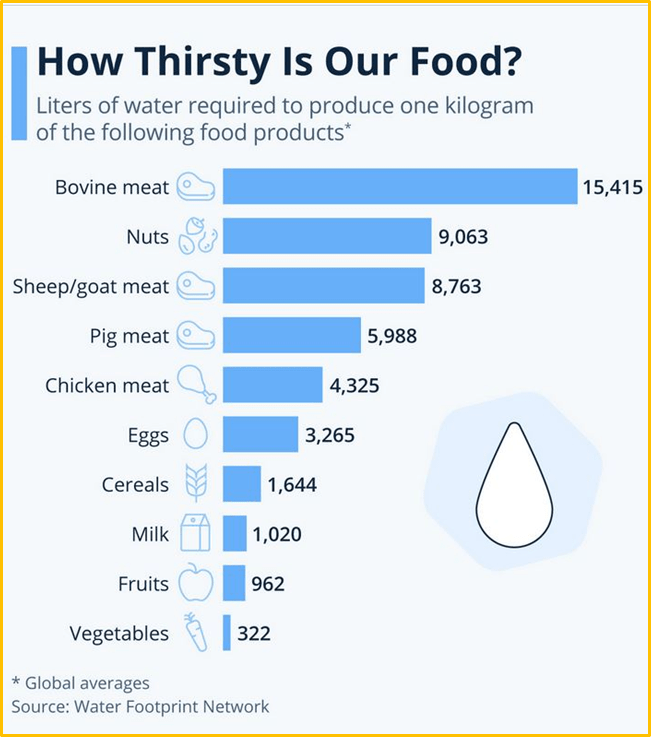
Why it matters: Producing plant-based proteins like lentils, beans, and tofu requires significantly fewer resources—such as water and land—than meat and dairy. This reduction in resource use helps lower greenhouse gas emissions and conserve biodiversity.

Reduce Food Waste

Why it matters: Food waste is a major contributor to greenhouse gas emissions. When food is wasted, all the resources used to produce, transport, and store it are also wasted. Reducing food waste helps conserve these resources and decreases methane emissions from landfills.

Opt for Whole Foods Over Processed Foods

Why it matters: Whole foods are less processed, retain more nutrients, and require less energy to produce. Additionally, they generate less packaging waste, which reduces environmental pollution.

Support Sustainable Seafood Choices

Why it matters: Overfishing and unsustainable fishing practices can deplete fish populations and damage marine ecosystems. Choosing sustainably sourced seafood helps protect these ecosystems and ensures that fish populations remain healthy for future generations. Moreover, you would avoid the economic decline of coastal communities reliant on fisheries.

Buy in Bulk Where Possible

Why it matters: Buying in bulk reduces the amount of packaging waste, which often ends up in landfills or as litter in the environment. It also tends to be more cost-effective, allowing you to save money while reducing your environmental impact.

Minimize Ultra-Processed Foods

Why it matters: Ultra-processed foods are often high in unhealthy fats, sugars, and salt, and their production is energy-intensive, contributing to higher greenhouse gas emissions. By choosing minimally processed foods, you support a healthier diet and a more sustainable food system.

Cook at Home More Often

Why it matters: Cooking at home gives you control over the ingredients and portion sizes, which can lead to healthier eating habits. It also reduces the need for takeout and packaged meals, which often come with excess packaging and food waste.

Rethink Portion Sizes

Why it matters: Overeating not only affects your health but also increases the demand for food production, which can strain natural resources. By serving smaller portions and eating mindfully, you can reduce food waste and promote a more sustainable food system.

Grow Your Own Food

Why it matters: Growing your own food reduces your reliance on store-bought produce, which often involves long supply chains and significant carbon footprints. It also allows you to enjoy fresh, organic produce right from your garden or balcony.

Be Informed About Certifications

Why it matters: Certifications like organic, Fair Trade and Rainforest Alliance indicate that products are produced using more sustainable and ethical practices. Supporting these products helps promote better environmental and social standards in the food industry.

Hydrate Wisely

Why it matters: Bottled water generates significant plastic waste and requires a lot of energy to produce and transport. Using a reusable water bottle and filtering tap water reduces plastic waste and conserves resources.


By understanding the reasons behind these recommendations, you can make more informed choices that benefit both your health and the environment. Knowing why it’s important to reduce plastic use can motivate you to opt for reusable bags and containers. Similarly, understanding the impact of a plant-based diet on both personal health and environmental sustainability can encourage you to incorporate more plant-based meals into your diet. This knowledge empowers you to make decisions that are not only good for you but also for the planet.

Feel free to ask me any questions, and don’t hesitate to comment in the box below.

Thank you for reading! Please sign up for my blog crisbiecoach so you don’t miss out on any posts!