
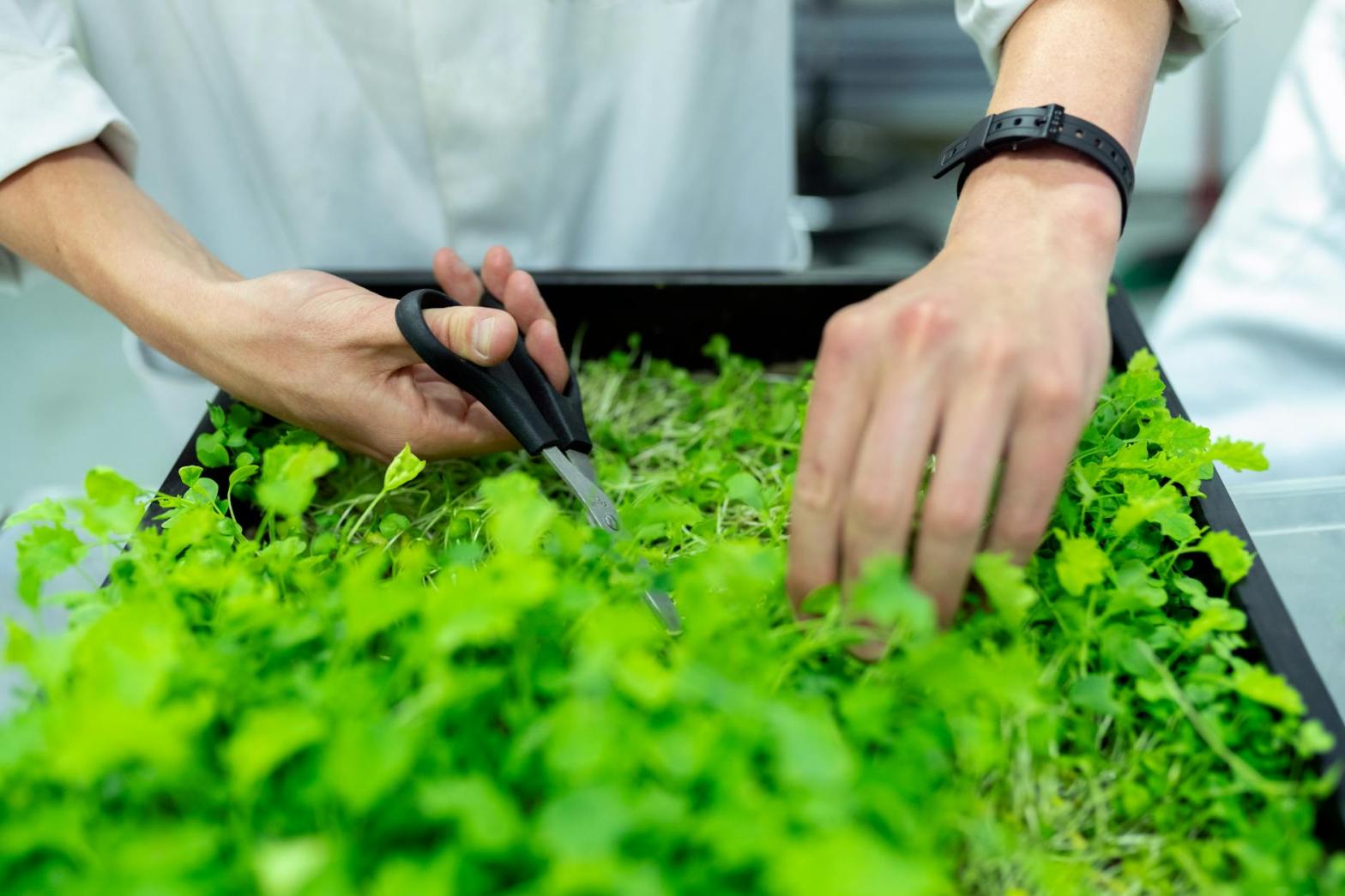
Why Sustainable Eating Matters

Eating sustainably isn’t just a buzzword—it’s a powerful way to care for both your health and the planet. Every bite we take impacts more than just our bodies; it shapes ecosystems, influences climate change, and affects global food security. Choosing sustainable foods means prioritizing local, seasonal, and minimally processed options that respect natural resources and reduce waste.

A sustainable approach to eating supports farming practices that protect biodiversity and soil health, reduce greenhouse gas emissions, and ensure fair treatment of workers. At the same time, it’s a path to better health, as these choices often emphasize nutrient-dense, whole foods over heavily processed ones. Sustainable eating is about balance: nourishing yourself while contributing to a healthier world for future generations. It’s a small act with a big impact, proof that our daily choices truly matter.

Let’s see why it matters.

Buy Seasonal and Local Foods

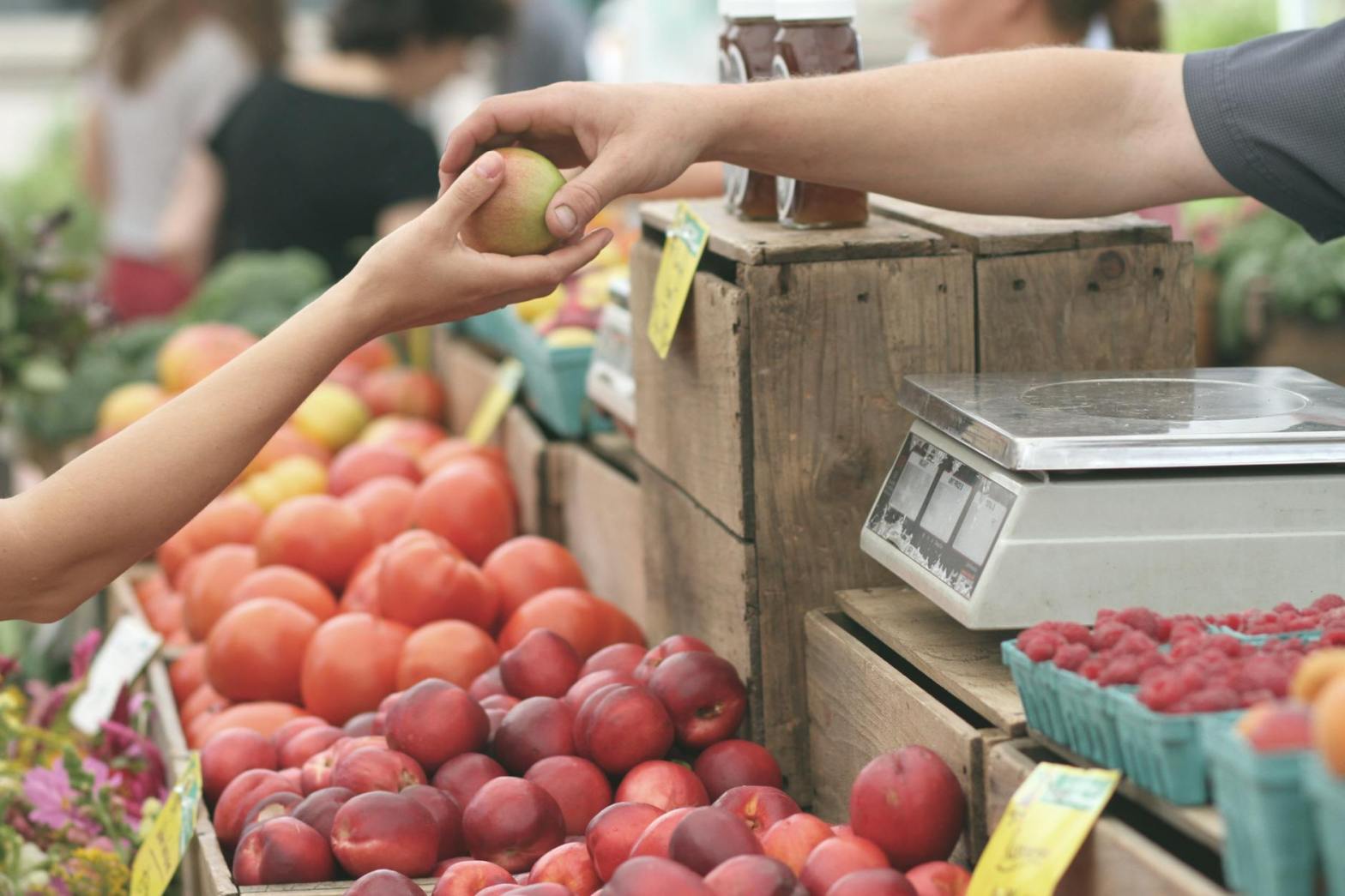
Why it matters: Seasonal produce is harvested at its peak, meaning it’s fresher and more nutritious. It also has a lower environmental footprint because it doesn’t require energy-intensive storage and locally bought food doesn’t travel long-distance, which reduces greenhouse gas emissions.

Prioritize Plant-Based Proteins

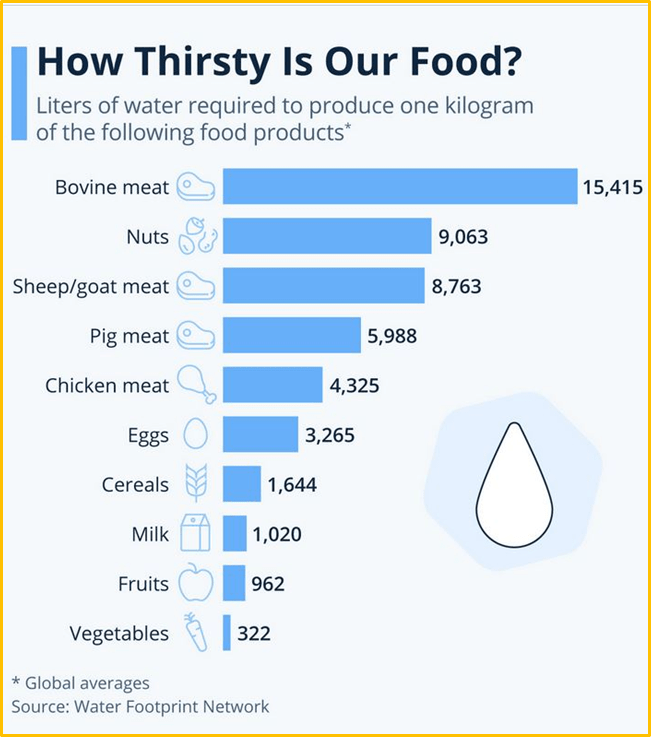
Why it matters: Producing plant-based proteins like lentils, beans, and tofu requires significantly fewer resources—such as water and land—than meat and dairy. This reduction in resource use helps lower greenhouse gas emissions and conserve biodiversity.
Reduce Food Waste

Why it matters: Food waste is a major contributor to greenhouse gas emissions. When food is wasted, all the resources used to produce, transport, and store it are also wasted. Reducing food waste helps conserve these resources and decreases methane emissions from landfills.

Opt for Whole Foods Over Processed Foods

Why it matters: Whole foods are less processed, retain more nutrients, and require less energy to produce. Additionally, they generate less packaging waste, which reduces environmental pollution.

Support Sustainable Seafood Choices

Why it matters: Overfishing and unsustainable fishing practices can deplete fish populations and damage marine ecosystems. Choosing sustainably sourced seafood helps protect these ecosystems and ensures that fish populations remain healthy for future generations. Moreover, you would avoid the economic decline of coastal communities reliant on fisheries.

Buy in Bulk Where Possible

Why it matters: Buying in bulk reduces the amount of packaging waste, which often ends up in landfills or as litter in the environment. It also tends to be more cost-effective, allowing you to save money while reducing your environmental impact.

Minimize Ultra-Processed Foods

Why it matters: Ultra-processed foods are often high in unhealthy fats, sugars, and salt, and their production is energy-intensive, contributing to higher greenhouse gas emissions. By choosing minimally processed foods, you support a healthier diet and a more sustainable food system.

Cook at Home More Often

Why it matters: Cooking at home gives you control over the ingredients and portion sizes, which can lead to healthier eating habits. It also reduces the need for takeout and packaged meals, which often come with excess packaging and food waste.

Rethink Portion Sizes

Why it matters: Overeating not only affects your health but also increases the demand for food production, which can strain natural resources. By serving smaller portions and eating mindfully, you can reduce food waste and promote a more sustainable food system.

Grow Your Own Food

Why it matters: Growing your own food reduces your reliance on store-bought produce, which often involves long supply chains and significant carbon footprints. It also allows you to enjoy fresh, organic produce right from your garden or balcony.

Be Informed About Certifications

Why it matters: Certifications like organic, Fair Trade and Rainforest Alliance indicate that products are produced using more sustainable and ethical practices. Supporting these products helps promote better environmental and social standards in the food industry.

Hydrate Wisely

Why it matters: Bottled water generates significant plastic waste and requires a lot of energy to produce and transport. Using a reusable water bottle and filtering tap water reduces plastic waste and conserves resources.


By understanding the reasons behind these recommendations, you can make more informed choices that benefit both your health and the environment. Knowing why it’s important to reduce plastic use can motivate you to opt for reusable bags and containers. Similarly, understanding the impact of a plant-based diet on both personal health and environmental sustainability can encourage you to incorporate more plant-based meals into your diet. This knowledge empowers you to make decisions that are not only good for you but also for the planet.

Feel free to ask me any questions, and don’t hesitate to comment in the box below.

Thank you for reading! Please sign up for my blog crisbiecoach so you don’t miss out on any posts!
What Does It Mean to Be a Sustainable Eater?

In a time when environmental and health issues are increasingly intertwined, sustainable eating has become a vital, personal way to support the planet’s future. According to the World Health Organization (WHO), sustainable eating extends beyond choosing foods for personal well-being. It’s about embracing food choices that also contribute to environmental health, social equity, and economic viability. But what does sustainable eating truly mean, and how do our choices impact both our bodies and our planet?

Key Principles of Sustainable Eating

The WHO’s guiding principles on sustainable eating emphasize a balance that considers health, environmental impact, and socio-economic factors. Here are some foundational principles to keep in mind:

  1. Prioritizing Plant-Based Foods
    A diet rich in fruits, vegetables, whole grains, nuts, and seeds is the cornerstone of sustainable eating. Plant-based diets generally require fewer natural resources than diets high in animal products, resulting in reduced greenhouse gas emissions, land use, and water consumption. By making plants the primary focus, we align our food habits with a lower environmental footprint.
  2. Emphasizing Variety and Local Sources
    Choosing seasonal, local produce supports biodiversity and reduces the carbon footprint associated with long-distance food transportation. The WHO suggests eating a variety of foods to maintain nutritional balance and avoid over-reliance on specific crops, which can degrade ecosystems over time. This approach not only promotes a healthy diet but also strengthens local economies and food systems.
  3. Minimizing Processed Foods and Waste
    Processed foods are often associated with higher energy consumption during production and packaging. A sustainable eater is mindful of food waste and aims to consume fresh, whole foods wherever possible. By reducing waste and prioritizing fresh ingredients, we lessen our environmental impact and conserve valuable resources.
  4. Opting for Responsibly-Sourced Protein
    Protein choice is a significant factor in sustainable eating. Animal-based proteins, especially red meat, have a considerable environmental impact. Sustainable eaters are encouraged to shift to plant-based proteins, such as legumes, tofu, and nuts, or to sustainably sourced fish and poultry if preferred. This balance can help reduce the environmental burden of meat production, from water usage to deforestation.

How Our Choices Shape Our Health and the Planet’s Health

Sustainable eating is a two-way relationship: the foods we consume shape our well-being while influencing the environment around us. Choosing nutrient-dense, plant-based foods doesn’t just help lower our risk of chronic illnesses like heart disease, obesity, and diabetes—it also aids in reducing pollution, preserving natural habitats, and promoting biodiversity. By aligning our diets with what is sustainable for the planet, we also consume foods that better support our health.

For example, fruits and vegetables are typically rich in fiber, vitamins, and minerals essential for overall health. And because plant-based diets tend to be lower in saturated fats than meat-heavy diets, they are associated with reduced rates of cardiovascular disease. So, a sustainable diet isn’t merely about minimizing environmental damage; it also has the potential to enhance our personal wellness.

Why Protein is Central to the Sustainable Eating Debate

Protein production, particularly animal-based protein, lies at the heart of the sustainability discussion. Livestock farming accounts for significant greenhouse gas emissions and requires extensive land, water, and feed. Conversely, plant-based proteins such as lentils, chickpeas, and beans require fewer resources and contribute less to carbon emissions. This distinction has spurred many to rethink traditional protein sources, encouraging a shift toward plant-based options.

However, sustainable protein choices aren’t limited to plants. For those who eat meat, opting for smaller portions, choosing sustainably sourced fish, or incorporating plant-based protein alternatives can reduce their carbon footprint while providing essential nutrients. It’s about balance and thoughtful selection rather than cutting out animal protein altogether.

Embracing the Role of the Sustainable Eater

Becoming a sustainable eater involves small, mindful changes that accumulate into meaningful impacts. Choosing locally-sourced produce, reducing meat consumption, and minimizing food waste can all contribute to a more sustainable world. Each choice we make resonates beyond our individual health, influencing the health of ecosystems, animals, and communities around the globe.

Sustainable eating isn’t simply a trend; it’s a thoughtful response to the urgent challenges of our era. By adopting WHO’s principles, we empower ourselves to contribute positively to the planet while nourishing our own health.

Remember: the choices we make truly matter.

What do you think about a plant-based diet? Are you ready to switch?

Thank you for reading! Please sign up for my blog crisbiecoach so you don’t miss out on any posts and also for Wise&Shine an incredible online magazine!