Six Tips to Make Physical Activity (and Continue Doing it)

We hear from all sides that we need to do more sports, that we have to move at least half an hour or take at least 10,000 steps a day. We would need that especially if we sit all day long at a desk, because “sitting is the new smoking”. But if we already have super busy days, how do we engage in a physical or sport activity?

Let’s first clarify what physical activity may be. It could simply be a matter of moving regardless if you do housework or sport.

Therefore, you can consider the activities you do every day, such as climbing stairs, walking, cycling and house cleaning.

Here are six tips on how to fit some physical exercise into your schedule:

  1. Look at your agenda and find the best time for you to play sports or go to the gym. Write it down and you won’t forget it. After some time it will be part of your daily routine. And if you have a friend who comes with you, it is even better because you will be more motivated.
  2. Create a calendar of your activities. Take a calendar and write down the days you managed to achieve your goals in terms of minutes of physical activity. At the end of the month you will be able to see your progress and you will be more motivated and satisfied! The ideal time per week is 150 minutes of moderate activity. A moderate activity is an activity that allows you to talk to someone and that makes you sweat slightly. An example of this activity could be also walking out your dog.
  3. Distribution. Three to five times a week would be ideal. 30 minutes of daily activity would be even better. You can distribute activities throughout the day like this, for example:
    • 5 minutes to go to the subway or bus stop;
    • 5 minutes walking to your office by getting off one stop before;
    • 10 minutes at lunch break to walk around the neighborhood;
    • 5 minutes walking from your office to the subway or bus stop;
    • 5 minutes to your place by getting off one stop before your place.
  4. Find the activity you really like. If you haven’t found it yet, try some and you’ll find it soon. Jogging, boxing, dancing or swimming are just a few examples of activities you could practice.
  5. Put your guilty feelings aside. The long-term goal is to make physical exercise a habit. If one evening when you come back home from work you feel tired and you want to be at home alone or with your family, do it without feeling guilty. Relaxing is just as important as moving. Moreover, if you’ve already followed your daily distribution, you’re okay, you don’t need to add more activity.
  6. Strengthen your muscles. You don’t necessarily have to lift weights. A Pilates or yoga session will help you strengthen your abs, for example.

What do you think? Could you make it?

A Glass Full of Water

You all know about the half empty or half full glass of water. By saying how you see it, you will understand if you are an optimist or not.

And if you would like another perspective on a half empty or half full glass, you can read Wynne’s post The Glass Is Refillable.

But what you are going to read here is something different that I saw recently in a simple, short but very effective video.

A professor during a lecture surprised his students by showing a full glass of water in his hand.  The students, who thought he would talk about the classic concept of a glass half empty or half full were amazed when he asked them about the weight of the glass. His intention was quite different, in fact he did not want to explain the concept of glass half empty or half full.

The answers were different and most of them could be considered acceptable. However, the explanation given by the professor was different and much deeper.

The weight of the glass depends on the time you will have to hold it. If you hold it in your hand for 5 minutes, it is very unlikely that you will have troubles. However, if you hold it in your hand for 2 hours, the arm will get tired. And if you hold it even longer, let’s say one day, the arm will be as if paralyzed and eventually the glass will fall.

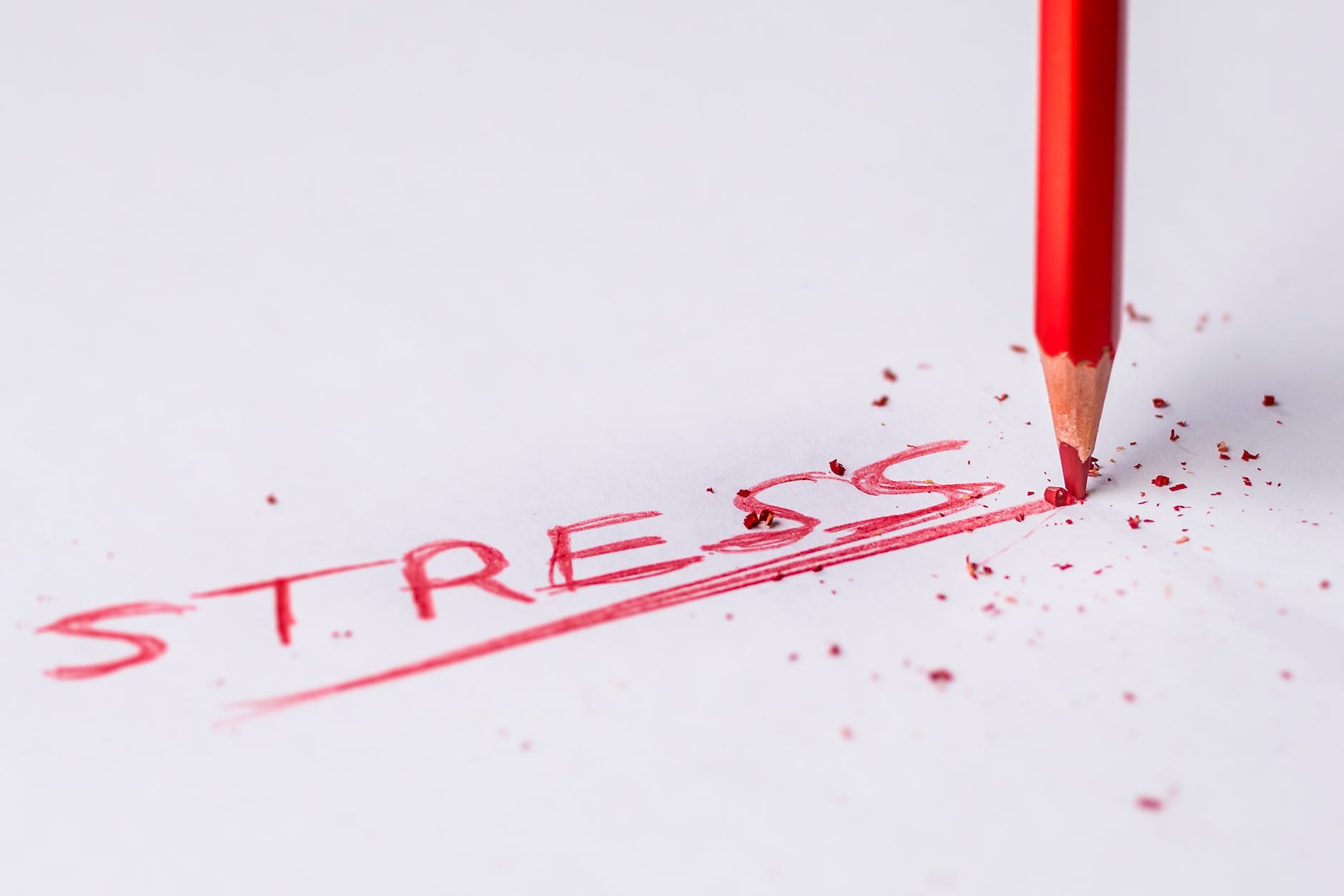
The same happens with stress.  If you are under stress for a relatively short period of time you will have no side effects. But if you experience stress for weeks and months, you may eventually get sick.

The disease in this case would be of psychosomatic origins.

What is a psychosomatic disorder?

The word psychosomatic comes from the Greek psyche “soul” and soma “body”. A psychosomatic illness occurs when the mind creates an alteration of the body.

For example, imagine that you have a colleague, or a person you know, who often criticizes you.

Their criticisms are not sporadic, on the contrary they are recurrent enough to become a habit. This behaviour also creates a negative environment around you.

If you can’t get rid of this stress in time, you’ll accumulate so much negativity that it could cause side effects on your health. It would be like holding a glass full of water for a whole day.

This reality is unfortunately so common that it is even believed that some physical illnesses can worsen due to mental factors such as stress and anxiety. It is believed, for example, that conditions such as psoriasis, eczema, gastric ulcers, hypertension and many heart diseases can occur due to psychosomatic problems such as stress or anxiety.

Would you like to learn some techniques to reduce stress: have a look at the conclusion on this article published on wiseandshinezine.com.

What about you? What are the solutions you adopt to fight your stress?

stress handwritten text on white printer paper
Stress – Photo by Pedro Figueras on Pexels.com

Ideas to Try out in Your Free Time (part 2)

Do you remember the ideas to try out in your free time published some time ago?

We have seen that writing, visiting an unknown city or village, creating a time capsule and learning a new skill are ideas that you could try out in your free time.

Now let’s see some others.

1. Rediscover a childhood pleasure. You surely have many good memories related to your childhood. Some are related to places, others to people, and others to activities. Why don’t you try to rediscover what you liked to do when you were a child? Did you like playing with Lego? Now you could try building something out of wood. Or did you like to draw and then you stopped because life led you to a different path? You could take up this passion again, turn it into a hobby and maybe find out that you also have talent. Let yourself be carried away by memories and choose one that is realistically possible to materialize again.

2. Get moving. Have you not been physically active for a long time? Did the pandemic stop you wanting to go to the gym? Why don’t you try running, walking, or cycling? These are activities that you can do outdoors, so don’t be afraid to get infected. Choose a route or destination then go! Don’t compete with others, just test yourself. Every time you go for a run, walk, or ride you can decide to challenge yourself and go further, or take a more difficult path. Keep track of your achievements with an app or simply by writing them in a notebook. Then, from time to time look at them and you will see the improvements.

3. Dare to “digital detox”. Whatever your degree of addiction to your computer, mobile phone or tablet is, a digital detox can only do some good to you. Stop watching compulsively if a new message has arrived, how many likes the photo you posted on Instagram received, do not download the update of the new trendy game. You may decide to suspend these activities for a weekend. See how it goes, even in this case you can challenge yourself and go beyond the two days.

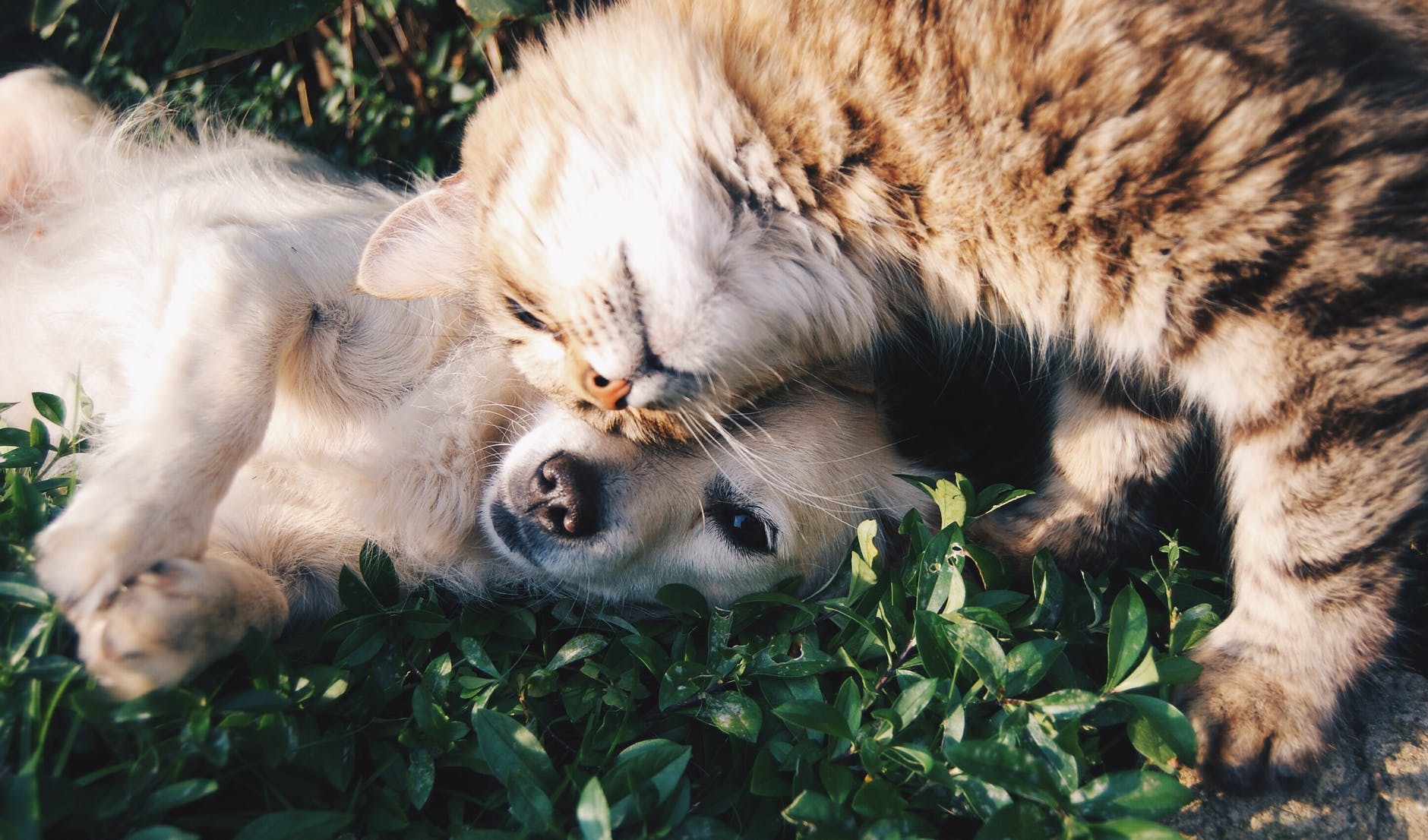
4. Take care of your pet or someone else’s pet. Studies have shown that spending time with a cat or dog reduces stress, improves physical and mental fitness, and increases our feelings of joy and satisfaction. If you don’t have a pet, you can go to a stray animal shelter and take care of them. You will be amazed by their gratitude!

5. Cook new recipes. We all have at least one cookbook that is gathering dust, as everything is now on the Internet. The advantage of a book over the web is that if you don’t have any ideas on what to prepare for dinner in the evening, you can grab the book and start leafing through it until you find something that inspires you. Then go shopping and start trying your hand at this new idea. Or you can come up with something with what you have already at home. You may also call a friend to prepare this recipe together. Do you know that cooking together is one of the best activities to build a team?  

If you have other ideas, please share them with me!

Don’t miss the next part on other ideas to try out in your free time!

orange tabby cat beside fawn short coated puppy
Cat and Dog – Photo by Snapwire on Pexels.com

3 Tips to Keep Active Your Brain

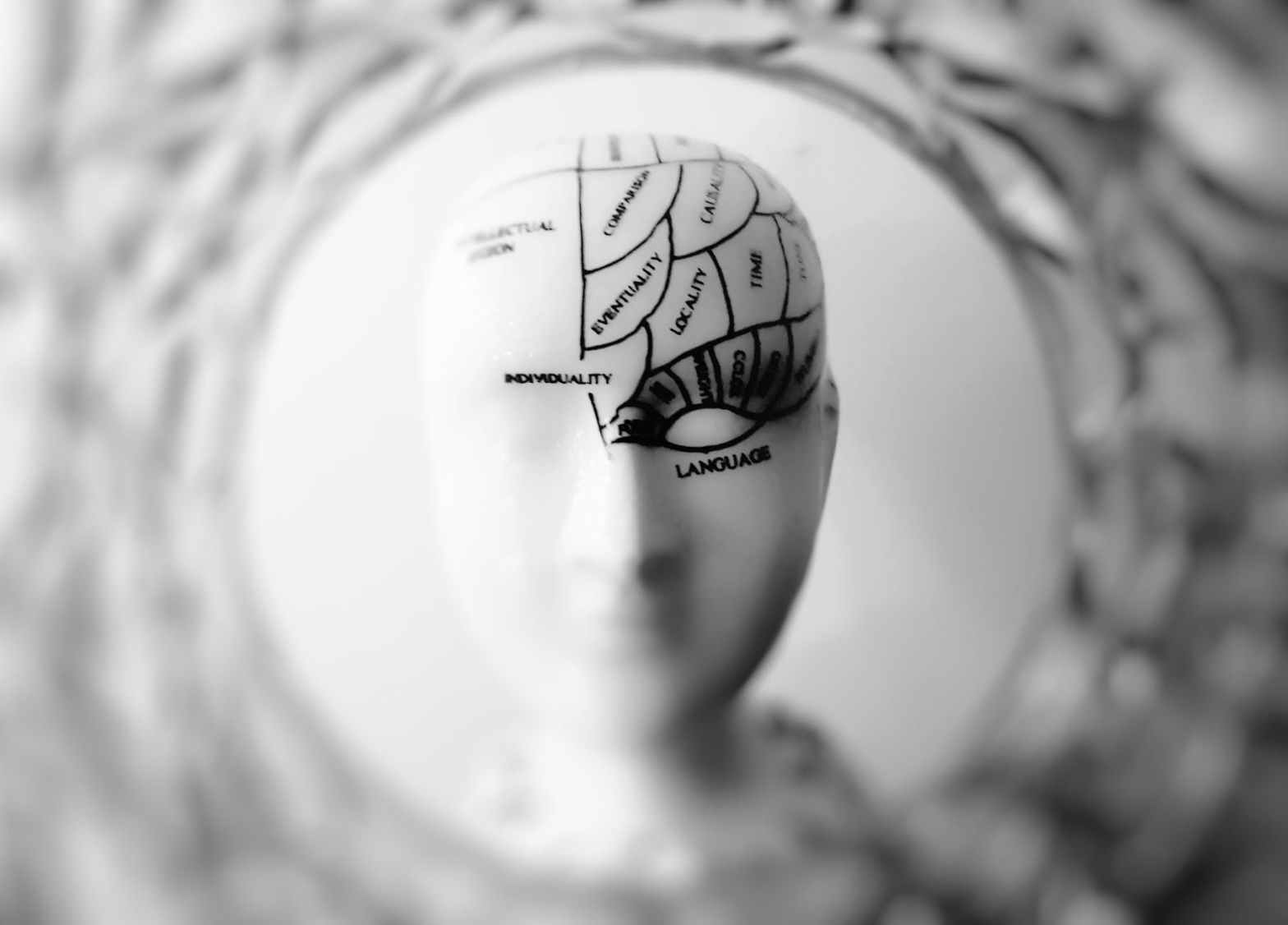
Like the whole human body, the brain also regresses with ageing.

At birth, each human being has 100 billion neurons. At 25, your brain is at its best. Then, it gradually begins to regress and, as we age, some neurons become defective, in particular those located at the level of memory, attention and awareness of what surrounds us.

This ageing process should not be regarded as a fatality. Thanks to some activities, we can preserve the functioning of the brain longer. This will allow us to have a better life from a physical and mental point of view.

elderly man and his trainer exercising
Photo by Kampus Production on Pexels.com

Let’s see how.

1.       Feed your brain well. A balanced diet is essential for good mental health. However, the brain needs specific substances to increase the connection of neurons and stimulate their regeneration. Therefore, eat food rich in antioxidants such as fruits and vegetables in general (in particular, artichokes, blueberries and ginger are really useful), fish and olive oil. Fatty fish (salmon, mackerel, herring, sardines) contains omega 3 which helps strengthen brain cells, optimizes learning and memory and contributes to the prevention of mental disorders such as depression and dementia. Remember that avocado and walnuts also contain omega 3 and that for a good brain oxygenation you need to eat glucose (bread and pasta) and food rich in iron (meat and fish).

2.       Stimulates attention. Like the muscles that must be kept in motion, the brain also must be trained to keep its performance. It is therefore important to keep it active with activities such as crosswords, sudoku, reading, puzzles or even some video games that offer programs to train the brain. The more diversified the exercises, the better. Continuing to broaden one’s knowledge such as learning a new foreign language, playing an instrument, visiting exhibitions, travelling, and having a lively social life, are all activities that contribute to the training of neurons and prevent brain ageing. Also meditation is an excellent activity not only for improving the ability to concentrate but also because it reduces stress, anxiety and negative emotions. Meditating from 10 to 15 minutes a day will allow you to develop new connections between neurons and thus slow down the ageing of the brain.  

3.       Practice physical activity regularly. Physical activity keeps neurons active because it promotes blood circulation which therefore also reaches the brain. There is no need to become a top-level athlete to slow down the ageing of the brain. A moderate intensity sport is already effective as long as it is regular. The recommended frequency is 30 minutes a day. To keep up the pace it is advisable to find an activity that you like and that is engaging. Group physical activity (such as dance for example) is useful for the perception of bodies into space and for the relationship with others that releases endorphins, the hormones of well-being and pleasure.  

What do you think about these three tips? Would they help you to slow down the ageing of the brain? Do you plan to adopt them?

pens colorful color paint
Photo by Pixabay on Pexels.com


How and Why You Should Listen to Your Body

In our times, we receive information from many sources: emails, social networks, television, people we know and colleagues. Our mind is over-stimulated for the duration of the day and this can cause stress and anxiety, which can also cause a real burn-out.

The excessive exposure to those information is detrimental to the activity of our body which is relegated to a mere container of organs that allow us to move (even if sometimes less than what we should).

Too many hours spent in front of the screen (mobile phone, computer or television) do not allow the body to tone up and therefore regenerate. During the pandemic, it has become even worse, because of the restrictions imposed to avoid the spreading of the virus. We could go out less often, or not at all.

Furthermore, it can happen that we ignore the pain from the body by using analgesics or other types of medicines to avoid feeling sick.

crop patient taking pill from table
Photo by Artem Podrez on Pexels.com

If you do this, know that you are waging war to yourself, because silencing your body will not help you solve the problem.

Our body is sending us important signals that we will need to start considering. By continuing to ignore the messages it sends us, there may come a time when the pain becomes unbearable and it might be too late.

As soon as you hear a strange noise coming from your car, you take it to the mechanic before it breaks down. The same thing you should do with your body.

For example, if you experience often back pain, it means that you need to change your position, adopt a more adequate posture, maybe change chairs or just go for a walk.

Try to think that pain is actually your ally because it wants to tell you that there is something wrong with you and which you should take care of.

Let’s see four techniques that you can use every day to learn listening to your body.

Mental scanner. This is a mindfulness technique that involves mentally scanning of your body from the top of your head to the bottom of your toes to check if each part is healthy.

Daily walks. This is the best way to get up of your chair. Usually all mobile phones have an app to calculate steps. I signed up for a monthly “race” with colleagues to take at least 6,000 steps a day. At the end of the race, there will be an award for the walker who has taken the most steps. Run a race with your friends or colleagues too!

Feeding your body and mind. The Japanese eat up to 80% of their hunger in order not to get heavy (this is a principle of Ikigai). Therefore, eat less but eat healthy, and sleep at least six hours a night so that your body and mind can do a complete “reset”.

Respect the messenger. Instead of taking medicines at the first symptom of discomfort or pain, try listening to your body, what it is communicating to you. Think that your body needs to be considered and looked after. Don’t wait for your body to ask you for help when you are in extreme pain, as remember that it might be too late.

When you don’t feel well, what do you do? Do you listen to your body or you take medications?

namaste sign on wall
Photo by Mikhail Nilov on Pexels.com

Late Bloomers: Instructions For Use

There is a direct relationship between ageing, physical, and mental activity. People who adopt a sedentary and passive lifestyle after retirement accelerate their ageing process. Lack of movement diminishes the body’s responsiveness and few social relationships inhibit intellectual abilities.

If we add also loneliness, the ageing process accelerates. Spending the day without stimuli other than television or cell phone, without seeing anyone or going out can cause you to lose motivation to take care of yourself and your health. Many of the illnesses we attribute to age are not due to age.

On the other hand, an active and purposeful person (a person with a purpose of life – ikigai) keeps connections and maintains healthy habits.

Photo by Alex Perri on Unsplash

Therefore, to keep fit, why don’t you follow those three tips coming from Japan?

1.  Give yourself a goal for your next birthday. For example, you may decide to practise some moderate physical activity every day to lose weight and reach that goal by your birthday. In addition, sport promotes the production of endorphins, the hormones of happiness.

2.  Reconnect with nature. Practice shinrin yoku at least once a week, or immersion in a forest recommended by Japanese doctors to promote longevity. Furthermore, this practice can also protect you from diseases because the proximity to plants strengthen the immune system.

3.  Be grateful. In the same way that an attitude of complaining and constant anger increases the level of cortisol (the stress hormone), an attitude of gratitude towards life and the people around us, promotes serenity and the joy of living.

Remember that life expectancy is statistically high in our Western societies. Most likely, you still have two good decades of “useful” life left after retirement that you could fill with meaning and activity.

Ageing with care is an art. The third age, which I prefer to call third youth, can become an opportunity to be able to love you more and take better care of yourself. Find something you enjoy doing or that you can attach an immediate reward to, and involve friends to add the lovely component of socializing.

What are your plans for your third youth?

Photo by Joanna Kosinska on Unsplash

5 Steps To Be Healthy During the Winter

Winter, which is about to come, looks like a difficult season due to the cold temperatures that bring with it diseases such as colds, coughs, flu and this year Covid also. To protect yourself adequately, it is necessary to strengthen your immune system.

Here are 5 essential things to do for an efficient immunity.

  1. Healthy and balanced nutrition. Proper nutrition provides the energy needed to stay fit and to produce antibodies. You will therefore have to be careful to consume seasonal fruit and vegetables, limiting industrial and over-sweetened products. The ideal is to prepare your own meals, limiting sodas, pastries and alcoholic beverages because they can hinder the immune system. Some vegetables, such as mushrooms (like shiitaki), garlic, onion, shallot, and ginger have antibacterial properties. To stimulate our immune defences, you must also include fats in your diet, favouring mono-saturated or poly-saturated fats (fish such as sardines or mackerel and vegetable oils such as extra-virgin olive oil). It is highly recommended avoiding saturated fats like butter and whole milk. It would also be important to take a probiotic cure to strengthen our intestines. Perhaps you know that 70% of our immune system is in our intestines and probiotics strengthen the intestinal mucosa, especially in winter or if you have a serious or chronic illness. These micro-organisms are found in yoghurt and fermented milk. Another important part of winter nutrition are elements like zinc and selenium, which also contribute to stimulating the immune system and are found in foods rich in proteins such as crustaceans, egg yolk, poultry and the cheese.
  2. Vitamins. Vitamin A is a precious ally of immunity because it stimulates the production of antibodies. Products of animal origin such as meat, fish, whole milk and milk products in general are rich in vitamin A. Vitamin C, found in fruits and vegetables, helps the formation of immune cells. Vitamin E is naturally present in sunflower seeds and vegetable oils. It has to be an important part in the nutrition of elderly people because it compensates for the loss of immune defences due to ageing. As for vitamin D, its effectiveness is proven in the regulation of immunity. It also acts to counter the development of some autoimmune diseases such as multiple sclerosis. The main source of vitamin D is the sunlight. If you live in Belgium like me, or in another country in the Northern hemisphere, where the sun is scarce during the winter, taking supplement of vitamin D is recommended, especially if you are a woman in menopause or a person of a certain age. It is true that you can also find it in fatty fish, but in small quantities.
  3. The quality of sleep. Sleep disorders affect many people. The benefits of a pleasant night are well known. Stress and toxin are eliminated, tissues are repaired, cells are regenerated and you wake up in a good mood. A good sleep, in addition to having these effects, also strengthens your immune system and protects you from infections. To be well rested, you need to get enough sleep, between 6 and 8 hours. If you are having trouble falling asleep, have a ritual to clear your mind, avoid drinking coffee, overeating, and drinking too much alcohol in the evening. To prepare for a quiet night, remove from your room all the elements that stimulate your attention too much and emit blue light (TV, mobile phone, computer). Practising a relaxing activity such as meditation and reading before sleeping, may help you in falling asleep. An herbal tea before going to bed may also help you.
  4. Exposure to light. Light has an impact on the regulation of the biological clock. The lack of light, or the wrong light (artificial light, the blue light from the LED screens I mentioned earlier, night work shifts, or too rich diets), could have consequences on sleep and the immune system. To regulate your biological clock, try to get maximum exposure to sunlight, letting it into your home and workplace. In case of major disorders, you can buy a light therapy lamp that simulates sunlight in intensity and light spectrum. You can find them in every price range.
  5. Finally, physical activity. Regular physical activity has a direct effect on immunity. By improving blood circulation, exercise allows the different components of the immune system to spread better in the body. In older people, it helps prevent the decline of immune functions. But be careful not to practise too intensely as this could have a counterproductive effect. It is quite easy to practice good habits to get some physical activity on a daily basis. For example, you can take the stairs instead of taking the elevator or you can walk 30 minutes a day. If you want to go to the gym (a bit difficult in these Covid times), take it easy and listen to the advice of your coach or use an app.

So, are you ready to face the winter?

Photo by Okan Caliskan on Pixabay

How And Why Adopting Resolutions Now.

When the holidays are over and you start working or studying again, you want to commit to getting back in shape.

Maybe you ate too much and did little physical activity but it is normal, you have been on holidays!

It could also be an opportunity to take stock of the resolutions taken at the beginning of the year and see where you are.

Often, however, among working or studying and other daily activities, you do not have neither time nor motivation.

How would it be following a program that helps you in achieving your objectives now?

Here are some ideas to help you stick to an easy-to-maintain schedule.

Small daily efforts

Decision taken, this year you will try to use less the car, both because it is a super ecological action and therefore good for the planet, and because you will be forced to find other means of transport to get around. You will also strengthen your body without realizing it.

Ready to include some physical activity in your daily life?

  1. Do not park the closest possible to the shop entrance. Park further away and take a stroll.

2. Stop taking the elevator if you live or work on a relatively low floor.

3. Get around by bike or on foot.

4. Don’t have your shopping delivered to you, do it yourself.

5. Go and buy a sandwich at lunchtime on foot. It allows you to relax a bit, change air and walk.

6. Go for walks of at least 30 minutes at least once a week (I walk at least 30 minutes every day, but I suffer from the restless legs syndrome – RLS). You can walk on the street, in the nature, on the beach, alone or with friends. The important thing is to walk.

7. Buy a Pilates ball and sit on it to watch your favourite TV series, movie, or whatever you like.

As you can see nothing strange and impossible! Start introducing one habit at a time and you will soon find your shape again with a minimum effort. To help you out, you can use an app or a bracelet that monitors your activity like a real coach.

Little efforts at home

We know that sometimes it is hard to find time to go to the gym. Why not doing some physical activity at home then? You can buy accessories that allow you to do some gym without leaving your place, such as electro-stimulators, vibrating platforms or abdominal belts, which tone the muscles by causing contractions. You can also follow some exercises online, YouTube offers them of all kinds. You can do Yoga to relax the body without forgetting the muscles, meditation and relaxation, perfect for learning to breathe deeply and to use breathing as a method to fight stress and anxiety. 10 minutes every morning when you wake up will be good for you. Find a trainer you like, subscribe to their channel and receive notifications every time they upload a new video.

Photo by Wee Lee on Unsplash

Small efforts on the plate

Holidays are sometimes synonymous with excess. To get back in shape you need to fill up on vitamins. Start the day with a smoothie or fresh fruit juice. Then continue with a healthy, non-fat lunch of seasonal vegetables. It will help you regain your shape.

You can also drink a glass of warm water in the morning on an empty stomach to stimulate metabolism, detoxify the body and facilitate digestion. Add some lemon and it will be tasty.

So, are you ready for this little revolution?

Photo by Chris Lawton on Unsplash

Why Don’t you STUFF?

STUFF (acronym for Stand-up for Fitness) for someone like me, who has been suffering from Restless legs syndrome (RLS) for almost one year, is very helpful.

Did you know that sitting for too long may be considered as smoking for what concerns the risk of chronic health problems? Too much sitting could be the cause of heart diseases, diabetes and some cancers, and also mental health troubles.

For RLS people like me, sitting for too long is just impossible. Generally speaking, I cannot sit longer than one hour! My legs feel the need to move. Therefore, I work standing all day long and I walk long distances every day. It helps me sleeping, even though sometimes is not enough and I spend sleepless nights (but in such cases I think the cause might also be anxiety or stress).

Photo by Ihor Malytskyi on Unsplash

But also if you don’t suffer from RLS interrupting long sitting periods by short breaks, for instance, interrupting sitting every 30-45 min by standing for at least 10-15 minutes, is very healthy.

Even if you are an active person, more than 6 hours sitting per day has negative effects you cannot compensate for. Have a look at this video, read some fact and practise STUFF by, for instance:

  1. have walking meetings,
  2. go for a stroll over lunch,
  3. get a sit-standing desk.

Remember: Don’t just sit there!

Photo by Adam Bentley on Unsplash

Being active is not as hard as you think. There are lots of simple ways to include some physical activity in your day.

So, are you ready to STUFF?

The Best Time to Practise Physical Activity

Have you ever wondered when is the best time to exercise? If it is better to eat before or after?

Recent studies state the importance of practicing moderate physical activity on an empty stomach.

Practicing physical activity in the morning on an empty stomach would favour a better response to insulin, better use of glucose by the muscles, better regulation of blood glucose and twice as effective fat disposal.

Ideally starting your day with 30 minutes of gentle exercises combined with endurance exercises would be really beneficial. Considering that it is not essential to eat shortly after waking up, prolonging the night fasting would also allow us to detoxify our intestines.

When can we eat then? The ideal would be eating after half an hour, or even better an hour after this short physical activity. Breakfast should be rich in animal and vegetable proteins to promote muscle recovery and anabolism, and also contain complex carbohydrates to obtain the energy needed to face the day. An example: low-fat yoghurt with muesli made with nuts and seeds.

What do you think about it? Would you be able to start your day like this? Honestly, my morning routine is different: I wake up, practise 10 minutes meditation, have breakfast, take a shower, make up, get dressed and finally I can go out. Total: one hour and 15 minutes. If I had to add another half hour at what time should I get up? Too early! But I was wondering whether I could start this morning practice during this confinement period, considering that I manage my time thanks to telework and I am not stressed by having to take public transport to go to the office.