
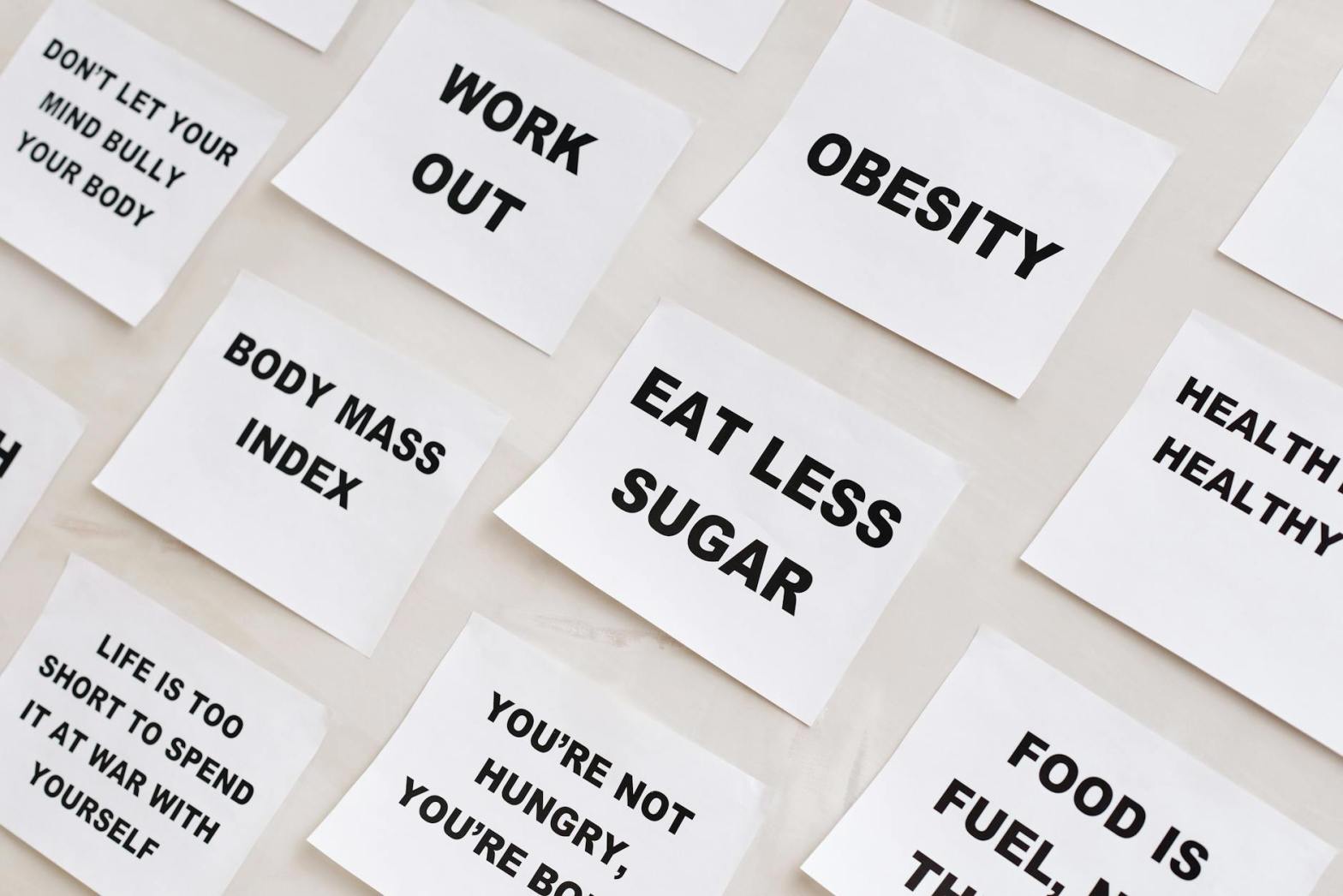
Understanding Obesity: The Complexy of Diet, Appetite, and Behavior

Obesity is a global health challenge that affects millions of people worldwide. It is a complex condition influenced by a myriad of factors, including diet, appetite, genetics, environment, and psychology. Despite significant advancements in our understanding of obesity, there are still gaps in our knowledge that hinder effective prevention and treatment. This blog post explores the intricate web of obesity, what we know and what we still need to uncover.

The Physiology of Obesity

Obesity is fundamentally a result of an energy imbalance—consuming more calories than the body expends. However, the physiology of obesity is far more nuanced. Hormones such as leptin and ghrelin play crucial roles in regulating appetite and energy expenditure. Leptin, produced by fat cells, signals the brain to reduce appetite and increase energy expenditure. Ghrelin, on the other hand, stimulates hunger.

One of the intriguing aspects of obesity is the concept of “food addiction.” Some researchers suggest that certain foods, particularly those high in sugar and fat, can trigger addictive-like responses in the brain. This can lead to compulsive eating behaviors, making it difficult for individuals to control their food intake.

The Role of Diet and Appetite

Diet is a cornerstone in the development and management of obesity. The modern food environment, characterized by an abundance of high-calorie, palatable foods, contributes to overeating. Processed foods, sugary beverages, and large portion sizes are significant culprits.

Appetite control is a complex interplay of biological, psychological, and environmental factors. The brain’s hypothalamus plays a central role in regulating hunger and satiety. However, psychological factors such as stress, emotions, and early-life experiences can also influence eating behaviors.

Stress and Early-Life Experiences

Stress is a well-known trigger for overeating. High levels of stress can lead to emotional eating, where individuals turn to food for comfort. This is often linked to the release of cortisol, a stress hormone that can increase appetite and cravings for unhealthy foods.

Early-life experiences, including childhood trauma and adverse events, can also shape eating behaviors. These experiences can lead to maladaptive coping mechanisms, such as binge eating, which can persist into adulthood.

Barriers to Healthy Eating

Despite the known benefits of a healthy diet, numerous barriers can hinder individuals from making nutritious food choices. These barriers include:

  1. Food Insecurity: Lack of access to affordable, nutritious food is a significant barrier. Food insecurity can lead to reliance on cheap, high-calorie foods that are often less nutritious.
  2. Time Constraints: Busy lifestyles can make it challenging to prepare healthy meals. Convenience foods, which are often high in calories and low in nutrients, become an easy alternative.
  3. Cultural and Social Influences: Cultural norms and social environments can shape dietary habits. Social gatherings often revolve around food, making it difficult to resist unhealthy options.
  4. Knowledge and Education: A lack of nutrition education can lead to poor food choices. Many people may not be aware of the nutritional content of foods or how to prepare healthy meals.

The Psychology of Appetite Control

The psychology of appetite control is a fascinating area of study. Portion sizes play a crucial role in determining how much we eat. Larger portion sizes can lead to overeating, as they distort our perception of a “normal” serving size. This phenomenon, known as the “portion size effect,” highlights the importance of mindful eating.

Food insecurity, as said before, can also affect eating behaviors. When individuals are uncertain about their next meal, they may overeat when food is available, leading to cycles of feast and famine. This can disrupt normal appetite regulation and contribute to weight gain.

Gaps in Our Knowledge

Despite significant progress, there are still gaps in our understanding of obesity. For instance, the exact mechanisms underlying food addiction are not fully understood. Additionally, the interplay between genetics, environment, and behavior in the development of obesity remains a complex puzzle.

Obesity is a serious condition that requires a comprehensive approach to prevention and treatment. Understanding the complex interplay of diet, appetite, and behavior is crucial for developing effective strategies. By addressing the barriers to healthy eating and continuing to explore the gaps in our knowledge, we can make strides in combating this global health challenge.

Join the conversation on understanding and addressing obesity. Share your experiences and insights in the comments box here below.

Thank you for reading! Please sign up for my blog crisbiecoach so you don’t miss out on any posts!

Is Food Addictive? The Impact of the Food Industry on Our Health

Maintaining a healthy diet is a challenge many of us face daily. But what if some of our food choices are beyond our control? Could food be as addictive as drugs or alcohol? Pulitzer Prize-winning investigative reporter Michael Moss explores these questions in his book Hooked. I recently read this book, and these are my takeaways.

The Addictive Nature of Food

Moss delves into the latest research on addiction, revealing that food can be even more addictive than alcohol, cigarettes, and drugs. Our bodies are naturally wired to crave sweets, and food manufacturers exploit this by adding various types of sugar to their products. This creates an expectation that everything we eat should be sweet. Studies have shown that certain foods, especially those high in sugar, fat, and salt, can trigger the release of dopamine in the brain, similar to the effects of addictive drugs [1][2]. This biochemical response can lead to cravings and compulsive eating behaviors.

The Role of the Food Industry

The processed food industry, including giants like Nestlé, Mars, and Kellogg’s, has not only ignored but also exploited the addictive nature of its products. In response to dieting trends, these companies have introduced “diet” foods that are often just as unhealthy as the original products. As obesity rates rise, manufacturers claim to add ingredients that can effortlessly curb our compulsive eating habits. However, these claims are often misleading. The industry uses strategic marketing, product engineering, and internal practices to drive consumer habits and health issues [3][4]. For example, the “bliss point” concept creates the perfect combination of sugar, fat, and salt to maximize palatability and consumption [3].

The Impact on Public Health

Moss’s Hooked provides a gripping account of the legal battles, insidious marketing campaigns, and cutting-edge food science that have led to our current public health crisis. The book highlights how the food industry deepens our addictions and why our food choices have never been more critical. The public health implications are significant, as food addiction can contribute to obesity, diabetes, heart disease, and other chronic conditions [5][6]. Understanding the addictive nature of food and the food industry’s role in exploiting our vulnerabilities is crucial. As we become more aware of these issues, we can make better-informed decisions about what we eat and push for greater transparency and accountability from food manufacturers.

Conclusion

Recognizing the addictive nature of certain foods and the tactics used by the food industry to exploit these cravings is essential for making healthier choices. By staying informed and advocating for better food policies, we can work towards a healthier future for ourselves and our communities.

It’s a choice you can make!

Thank you for reading! Please sign up for my blog crisbiecoach so you don’t miss out on any posts and also for Wise&Shine an incredible online magazine!


References

[1] The 18 Most Addictive Foods (and the 17 Least Addictive) – Healthline

[2] Why Are Certain Foods so Addictive? – Cleveland Clinic Health Essentials

[3] Episode: The Role of the Food Industry in Creating Food Addiction l …

[4] Episode: The Role of the Food Industry in Creating Food Addiction l …

[5] Can food be addictive? Public health and policy implications

[6] The Impact of Food Addiction on Food Policy – PEACH Lab

Modern Life and Obesity: Balanced Health Choices

Human life has transformed dramatically in the last century. We’ve moved from agrarian societies, where physical labor and homegrown food were central to existence, to urban environments dominated by convenience, speed, and processed meals. Along the way, our diets and lifestyles have shifted in ways that have quietly but powerfully contributed to the modern epidemics of overweight and obesity.

The Social and Cultural Shifts Behind the Crisis

Picture life a few decades ago: meals cooked from scratch, family dinners without distractions, and a pace of life that allowed time to prepare, eat, and enjoy food. Now, compare that to today’s way of eating. We rush through meals, rely on takeout, and often consume food in front of screens. These cultural shifts, coupled with the marketing of calorie-dense, nutrient-poor foods, have rewired our relationship with eating.

Portion sizes have ballooned, and processed foods‘ affordability often outweighs the fresh produce cost. Moreover, technological advancements have reduced the physical effort required in daily life, leaving us more sedentary than ever. Together, these factors create a perfect storm for rising obesity rates.

The Role of Nutrients in Our Diets

To understand how to support your health, we must first unpack the essential nutrients in our foods and their roles:

  • Carbohydrates provide energy, but not all carbs are equal. Refined carbs like white bread and sugary snacks spike blood sugar levels, while complex carbs found in whole grains and vegetables release energy slowly, sustaining us throughout the day.
  • Proteins are the building blocks of life, repairing tissues and supporting muscle growth. Lean sources like beans, lentils, eggs, offer high nutritional value with minimal environmental impact.
  • Fats are essential for brain health and energy, yet there’s a big difference between healthy fats from nuts, avocados, and olive oil, and harmful trans fats found in fried and processed foods.
  • Vitamins and minerals support countless bodily functions, from immune defense to bone health. Consuming a colorful variety of fruits and vegetables ensures we get a spectrum of these critical nutrients.

Choosing Wisely Without Harming the Planet

Our food choices influence not only our health but also the health of the planet. Animal agriculture, for instance, is a leading contributor to greenhouse gas emissions. We can lighten our environmental footprint by choosing plant-based proteins, reducing meat consumption, and opting for sustainably sourced seafood.

Consider these actionable strategies:

  • Prioritize whole foods: Fresh, unprocessed foods retain their nutrients and avoid the hidden sugars, sodium, and unhealthy fats lurking in packaged meals.
  • Diversify your plate: A mix of grains, legumes, vegetables, and fruits not only supports health but reduces reliance on resource-intensive food sources.
  • Practice portion mindfulness: The principle of eating until you’re satisfied, not full, aligns with many traditional eating cultures and can help combat overconsumption.

Reflecting on the Path Forward

The battle against obesity isn’t won with diets or quick fixes. It requires a collective reevaluation of how we view food, not just as fuel but as a cultural and environmental keystone. By choosing foods rich in nutrients and grown sustainably, we honor our bodies and the earth.

Slow down to reconnect with food, it can be transformative. Cooking a simple, balanced meal, savoring each bite, and sharing it with loved ones remind us of the joys and health that food brings.

Are you ready to rewrite your relationship with food, one thoughtful, sustainable choice at a time?

Thank you for reading! Please sign up for my blog crisbiecoach so you don’t miss out on any posts!

Revitalize Your Health – Embracing a Month Without Added Sugar

Embark on a transformative journey for your health with the “Month Without Added Sugar” challenge. Drawing inspiration from the well-known “month without alcohol” and “month without tobacco,” this endeavour encourages you to embrace a month free from the clutches of added sugar.

These insidious additives, devoid of nutritional value, are prominent culprits behind the surge in obesity, diabetes, cardiovascular diseases, and various other diseases. This challenge, with dual goals, sets the stage for personal success and collective exploration.

Primarily, it beckons as a personal odyssey, inviting you to conquer your own limits, experiment with your habits, and cultivate a keen awareness of your sugar intake. Secondly, it extends a collective invitation, encouraging you to engage in a shared experiment that weaves a richer fabric of experiences and insights.

Gather a cohort of likeminded friends or colleagues, and you’re all set to plunge into this enlightening venture. The collective initiation of the challenge fosters camaraderie and resilience — essential tools in the face of cravings. Together, you will engage in thoughtful discussions, exchange experiences, and inspire one another throughout this transformative month-long journey.

Remember, initiating this odyssey on your own can be invigorating, but rallying others to the cause amplifies the impact. During moments when you contemplate wavering, your fellow challengers will serve as beacons of encouragement, propelling you forward.

Reflecting on my personal journey with the challenge, the initial week posed formidable frustrations. Yet, the subsequent weeks brought forth an array of rewards:

  • A daily uplift in mood.
  • Reduced inclination towards snacking, thanks to prolonged satiety.
  • An exponential surge in energy levels.

The surge in energy is particularly noteworthy and deserving of special attention. After a sugar-free month, I felt replenished with vitality. This resurgence was a rejuvenating tonic, especially after a period of intense work preceding a well-deserved break.

However, it’s important to exercise caution and avoid always demonizing all forms of sugar. Curtailing added sugar intake is pivotal for health, yet the occasional indulgence should not be shunned. Savouring a slice of cake on a leisurely Sunday afternoon with friends becomes a delightful respite —nourishing both mood and overall well-being.

Basically, self-care remains paramount. The challenge’s summons is not about perfection but about fostering a deeper bond with oneself.

So, are you prepared to embrace this transformative undertaking?

The summer’s warmth ushers in the ideal ambiance to embark on this journey. As the heat diminishes our appetite, the “Month Without Added Sugar” challenge is poised to unfold. Carve out a month for yourself, your health, and a rejuvenated outlook on life.