5 Steps To Be Healthy During the Winter

Winter, which is about to come, looks like a difficult season due to the cold temperatures that bring with it diseases such as colds, coughs, flu and this year Covid also. To protect yourself adequately, it is necessary to strengthen your immune system.

Here are 5 essential things to do for an efficient immunity.

  1. Healthy and balanced nutrition. Proper nutrition provides the energy needed to stay fit and to produce antibodies. You will therefore have to be careful to consume seasonal fruit and vegetables, limiting industrial and over-sweetened products. The ideal is to prepare your own meals, limiting sodas, pastries and alcoholic beverages because they can hinder the immune system. Some vegetables, such as mushrooms (like shiitaki), garlic, onion, shallot, and ginger have antibacterial properties. To stimulate our immune defences, you must also include fats in your diet, favouring mono-saturated or poly-saturated fats (fish such as sardines or mackerel and vegetable oils such as extra-virgin olive oil). It is highly recommended avoiding saturated fats like butter and whole milk. It would also be important to take a probiotic cure to strengthen our intestines. Perhaps you know that 70% of our immune system is in our intestines and probiotics strengthen the intestinal mucosa, especially in winter or if you have a serious or chronic illness. These micro-organisms are found in yoghurt and fermented milk. Another important part of winter nutrition are elements like zinc and selenium, which also contribute to stimulating the immune system and are found in foods rich in proteins such as crustaceans, egg yolk, poultry and the cheese.
  2. Vitamins. Vitamin A is a precious ally of immunity because it stimulates the production of antibodies. Products of animal origin such as meat, fish, whole milk and milk products in general are rich in vitamin A. Vitamin C, found in fruits and vegetables, helps the formation of immune cells. Vitamin E is naturally present in sunflower seeds and vegetable oils. It has to be an important part in the nutrition of elderly people because it compensates for the loss of immune defences due to ageing. As for vitamin D, its effectiveness is proven in the regulation of immunity. It also acts to counter the development of some autoimmune diseases such as multiple sclerosis. The main source of vitamin D is the sunlight. If you live in Belgium like me, or in another country in the Northern hemisphere, where the sun is scarce during the winter, taking supplement of vitamin D is recommended, especially if you are a woman in menopause or a person of a certain age. It is true that you can also find it in fatty fish, but in small quantities.
  3. The quality of sleep. Sleep disorders affect many people. The benefits of a pleasant night are well known. Stress and toxin are eliminated, tissues are repaired, cells are regenerated and you wake up in a good mood. A good sleep, in addition to having these effects, also strengthens your immune system and protects you from infections. To be well rested, you need to get enough sleep, between 6 and 8 hours. If you are having trouble falling asleep, have a ritual to clear your mind, avoid drinking coffee, overeating, and drinking too much alcohol in the evening. To prepare for a quiet night, remove from your room all the elements that stimulate your attention too much and emit blue light (TV, mobile phone, computer). Practising a relaxing activity such as meditation and reading before sleeping, may help you in falling asleep. An herbal tea before going to bed may also help you.
  4. Exposure to light. Light has an impact on the regulation of the biological clock. The lack of light, or the wrong light (artificial light, the blue light from the LED screens I mentioned earlier, night work shifts, or too rich diets), could have consequences on sleep and the immune system. To regulate your biological clock, try to get maximum exposure to sunlight, letting it into your home and workplace. In case of major disorders, you can buy a light therapy lamp that simulates sunlight in intensity and light spectrum. You can find them in every price range.
  5. Finally, physical activity. Regular physical activity has a direct effect on immunity. By improving blood circulation, exercise allows the different components of the immune system to spread better in the body. In older people, it helps prevent the decline of immune functions. But be careful not to practise too intensely as this could have a counterproductive effect. It is quite easy to practice good habits to get some physical activity on a daily basis. For example, you can take the stairs instead of taking the elevator or you can walk 30 minutes a day. If you want to go to the gym (a bit difficult in these Covid times), take it easy and listen to the advice of your coach or use an app.

So, are you ready to face the winter?

Photo by Okan Caliskan on Pixabay

Micromanagement

“She asked me to put her in copy to all emails, even the most trivial ones. Sometimes she would knock on my office door to ask me if I was okay because I had spent a lot of time in the bathroom, when actually only five minutes have passed. She checked when I walked in and when I left my office to see how long I had been way. The pressure she exerted by checking every detail of my work was suffocating, more than exaggerated and above all counterproductive.”

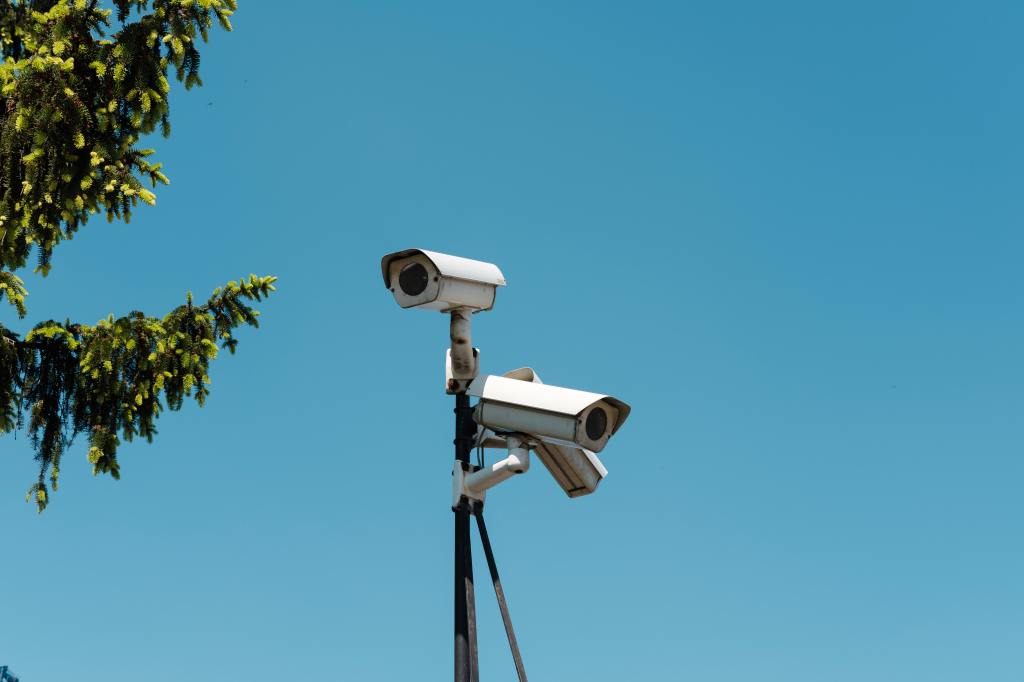
This is just a testimony from an employee who used to work with a micro-manager. What exactly is micromanagement? It is a managerial practice through which the manager exercises exhaustive control of the actions, tasks, functions and responsibilities of the people subordinated to him / her at a hierarchical level.

This type of managers may also ask to see an email before it is sent, and they may want to be informed of all the decisions that employees need to take, because they think that their staff cannot take decisions. A micromanager combines impatience and distrust with absolute control of the tasks assigned to their subordinates.

The situation look like the schemes used by the “Thought Police” to scrupulously monitor every moment of the characters in George Orwell’s “1984” novel. As in that book, the consequences of this practice of strict control on employees are devastating. The boss gains in peace of mind but staff suffer from it and are also less productive. Actually, this system creates bottlenecks that cause a slowdown in all activities. This type of manager wants to earn a good reputation and prevent a supervisor from blaming them that something was wrongly done.

Photo by Michal Jakubowski on Unsplash

But the worst part falls on the employees. Many times they do not know how to give priority, because the boss constantly changes their priorities based on the urgency that arrives, or because a superior asks him or her or it is the market requiring that. Employees lose creativity and self-esteem. A culture of fear is established, where everything is subject to the orders of the superior. This can lead to sickness absenteeism.

Apart from real psychosomatic diseases that can arise, psychological situations can also develop for which the person feels worthless, becomes smaller and smaller until they doubt their abilities. You begin to ask yourself: “Am I capable of doing it? ”,“ Am I in the wrong job? ”,“ Why do they control me like this, what have I done wrong? ”. And it can also happen that you quit your job, even if you have a good salary. When a situation cannot be changed or accepted, you have to leave it, and, in this case, you leave your job.

It is important to know that people do not quit jobs, they leave bosses.

But why do managers fall into this trap?

If micromanagement spoils the work environment, employees’ health, and it is harmful even to bosses who lose productivity and may lose also staff, why can’t this total and constant control be avoided? The bosses don’t have enough work to do?

Let’s see the possible causes.

First, managers themselves suffer pressure from the environment, be it from their own bosses, shareholders, markets or competition.

Second, incompetence. Either managers feel unsecure because their staff perform an excellent job compared to their own, or the employees are not suitable for that type of job.

The third cause is clear and straightforward: the boss’s obsessive personality making them unable to organize and manage the work.

Whatever the cause is, it is necessary to analyse what is happening in order to put an end to the situation as soon as possible. First, you should go to the human resources of your company. I have worked in human resources for over 10 years and have seen a lot of micromanagement.

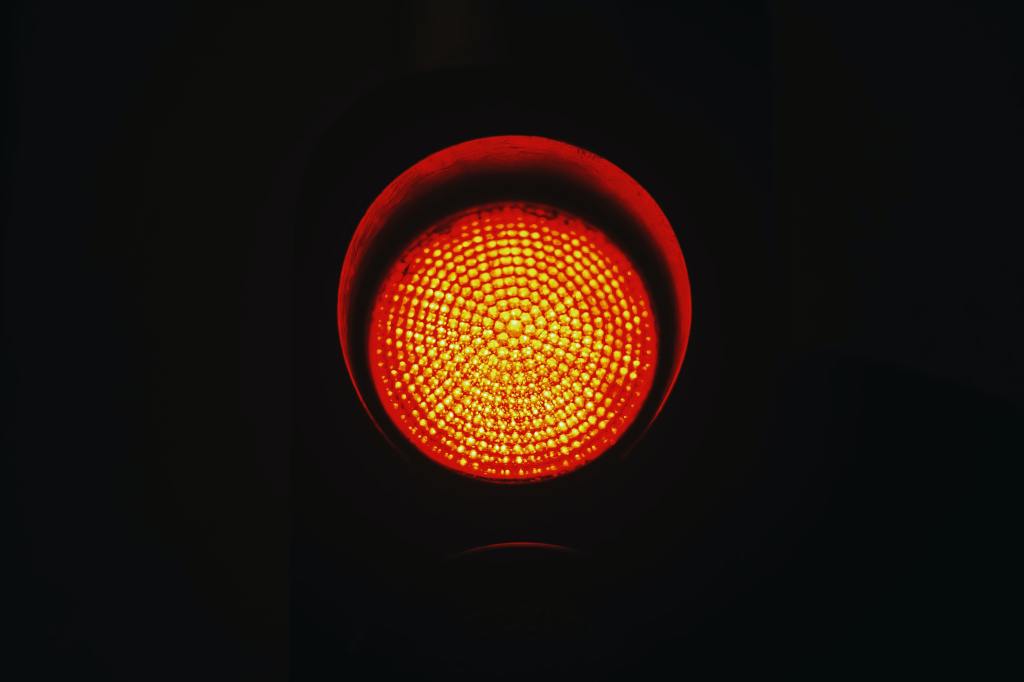
As an alternative, you could turn to your superior and ask them to implement one or more techniques, perhaps with the help of a coach. One technique could be that of the traffic light. Together with the boss, you define the admissible and acceptable control limits, that are not to be exceeded. If these limits should be overcome, some signals will be sent to the manager. When the manager receives them, they identify their behaviour and try to control it.

Another strategy is to define the profile of the boss and of each team members, analysing their personal, professional and communication style and characteristics. Once this “x-ray” is completed, the boss shall answer the following questions:

1. What leadership style they use with each employee;

2. What leadership style each employee would need;

3. Which leadership model they would like to use with the each employee.

By doing so, the boss can realize that the type of leadership they are using is in line with that person’s role, but it is not what that employee, due to his or her personality, needs. By adopting this paradigm shift, the boss begins to think not from their own point of view, but from that of the subordinate. While this strategy may sound like science fiction, with time and a willingness to change, success is assured.

Have you ever worked under the supervision of a micro-manager?

Photo by Erwan Hesry on Unsplash