Understanding Obesity: The Complexy of Diet, Appetite, and Behavior

Obesity is a global health challenge that affects millions of people worldwide. It is a complex condition influenced by a myriad of factors, including diet, appetite, genetics, environment, and psychology. Despite significant advancements in our understanding of obesity, there are still gaps in our knowledge that hinder effective prevention and treatment. This blog post explores the intricate web of obesity, what we know and what we still need to uncover.

The Physiology of Obesity

Obesity is fundamentally a result of an energy imbalance—consuming more calories than the body expends. However, the physiology of obesity is far more nuanced. Hormones such as leptin and ghrelin play crucial roles in regulating appetite and energy expenditure. Leptin, produced by fat cells, signals the brain to reduce appetite and increase energy expenditure. Ghrelin, on the other hand, stimulates hunger.

One of the intriguing aspects of obesity is the concept of “food addiction.” Some researchers suggest that certain foods, particularly those high in sugar and fat, can trigger addictive-like responses in the brain. This can lead to compulsive eating behaviors, making it difficult for individuals to control their food intake.

The Role of Diet and Appetite

Diet is a cornerstone in the development and management of obesity. The modern food environment, characterized by an abundance of high-calorie, palatable foods, contributes to overeating. Processed foods, sugary beverages, and large portion sizes are significant culprits.

Appetite control is a complex interplay of biological, psychological, and environmental factors. The brain’s hypothalamus plays a central role in regulating hunger and satiety. However, psychological factors such as stress, emotions, and early-life experiences can also influence eating behaviors.

Stress and Early-Life Experiences

Stress is a well-known trigger for overeating. High levels of stress can lead to emotional eating, where individuals turn to food for comfort. This is often linked to the release of cortisol, a stress hormone that can increase appetite and cravings for unhealthy foods.

Early-life experiences, including childhood trauma and adverse events, can also shape eating behaviors. These experiences can lead to maladaptive coping mechanisms, such as binge eating, which can persist into adulthood.

Barriers to Healthy Eating

Despite the known benefits of a healthy diet, numerous barriers can hinder individuals from making nutritious food choices. These barriers include:

  1. Food Insecurity: Lack of access to affordable, nutritious food is a significant barrier. Food insecurity can lead to reliance on cheap, high-calorie foods that are often less nutritious.
  2. Time Constraints: Busy lifestyles can make it challenging to prepare healthy meals. Convenience foods, which are often high in calories and low in nutrients, become an easy alternative.
  3. Cultural and Social Influences: Cultural norms and social environments can shape dietary habits. Social gatherings often revolve around food, making it difficult to resist unhealthy options.
  4. Knowledge and Education: A lack of nutrition education can lead to poor food choices. Many people may not be aware of the nutritional content of foods or how to prepare healthy meals.

The Psychology of Appetite Control

The psychology of appetite control is a fascinating area of study. Portion sizes play a crucial role in determining how much we eat. Larger portion sizes can lead to overeating, as they distort our perception of a “normal” serving size. This phenomenon, known as the “portion size effect,” highlights the importance of mindful eating.

Food insecurity, as said before, can also affect eating behaviors. When individuals are uncertain about their next meal, they may overeat when food is available, leading to cycles of feast and famine. This can disrupt normal appetite regulation and contribute to weight gain.

Gaps in Our Knowledge

Despite significant progress, there are still gaps in our understanding of obesity. For instance, the exact mechanisms underlying food addiction are not fully understood. Additionally, the interplay between genetics, environment, and behavior in the development of obesity remains a complex puzzle.

Obesity is a serious condition that requires a comprehensive approach to prevention and treatment. Understanding the complex interplay of diet, appetite, and behavior is crucial for developing effective strategies. By addressing the barriers to healthy eating and continuing to explore the gaps in our knowledge, we can make strides in combating this global health challenge.

Join the conversation on understanding and addressing obesity. Share your experiences and insights in the comments box here below.

Thank you for reading! Please sign up for my blog crisbiecoach so you don’t miss out on any posts!

How to Defeat Fatigue and Boost Immunity

Are you feeling drained and fatigued as autumn rolls in? The combination of reduced daylight, rainy weather, and work-related stress can sap your energy and leave you yearning to stay cocooned under your cozy duvet. But don’t worry! In this blog post, you’ll find effective strategies to help you revitalize your energy levels, conquer fatigue, and bolster your immunity. Let’s explore how sleep, diet, and lifestyle changes can make a significant difference in your well-being during this season.

The Immunity-Sleep Connection

The relationship between sleep and immunity is undeniably vital. Sleep is your immune system’s best ally because during this time your body releases crucial proteins that combat infections, inflammation, and stress. However, inadequate sleep leads to a decreased production of these essential proteins, leaving your immune system vulnerable to illnesses and viruses.

Here are some tips for a good night’s sleep

1. Establish a Sleep Routine – To reap the benefits of restful sleep, establish a consistent bedtime and wake-up time, even on weekends. Resisting the urge to oversleep helps maintain your body’s biological clock, resulting in increased energy levels and improved productivity, especially on dreaded Mondays.

2. Determine Your Ideal Sleep Duration – The ideal amount of sleep varies from person to person. While adults generally need 7-9 hours, teenagers require 8-10 hours, and children thrive on 9-11 hours. Pay attention to how many hours leave you feeling refreshed because this is your optimal sleep duration.

3. Create a Relaxing Evening Routine – Enhance your sleep quality by incorporating these habits into your evening routine:

  • Avoid heavy and hard-to-digest meals before bedtime.
  • Replace caffeine with calming herbal teas like lavender.
  • Refrain from physical activity just before bedtime.
  • Power down electronic devices at least 30 minutes before sleep, opting for a soothing read with soft lighting instead.

4. Optimize Your Sleep Environment – Make these adjustments to create an optimal sleeping environment:

  • Select a pillow that maintains proper neck and head alignment.
  • Choose a medium-firm mattress that supports your lower back.
  • Ensure the mattress base is flat to prevent deformations.
  • Keep the room temperature between 18 and 20°C (64-68°F) for a comfortable night’s sleep.
  • Make the room as dark as possible to tell your body that it’s time to rest.

Recharge Your Energy Levels

Are you struggling to get up each morning, resorting to excessive coffee consumption to combat yawning? These challenges are common in the autumn and winter months when natural light diminishes, affecting both sleep and mood-regulating hormone production.

To maintain high energy levels, consider these lifestyle changes:

1. Prioritize a Balanced Diet – Embrace a healthy, balanced diet rich in whole grains, legumes, nuts, fruits, vegetables, and fish. Limit your consumption of fast sugars found in refined grains, sugary drinks, chocolate, and processed snacks to prevent energy crashes.

2. Practice Physical Activity – Integrate physical activity into your daily routine by aiming for 10,000 steps a day. Simple changes like taking the stairs or going for a walk during your lunch break can significantly boost your energy levels.

To conclude, making these tips part of your daily routine can effectively banish fatigue, revitalize your energy levels, and fortify your immune system. By following them, you’ll be well on your way to a healthier and more energized you.

Are you ready to welcome newfound vitality this autumn? Embrace the season with confidence and vigor!

How to Keep Your Resolutions

Today is the first of January and many of us have decided about their resolutions for 2023, or are about to do so. The new year brings the desire for a change, the need for renewal. We would like to spend more time with our family, to take that trip that we have been dreaming about for so long, to change our job, to enrol in a gym club, to lose weight, to stop smoking…the main goal is feeling better with ourselves and with others.

Why does it happen then that along the way we forget about our resolutions or we abandon them?

Here are some questions you should ask yourself.

Are your resolutions too ambitious, vague or simply they are too many? In this case you are putting too much pressure on yourself. If you have decided to stop smoking or to lose 10 kilos, you must ask yourself why you have started smoking and why you are always hungry. Are they ways for relieving the daily tensions?

Are you positive in comparison to the achievement of your resolutions? If you think that you will never make it, it is sure that you will never make it. Henry Ford used to say: “If you believe you can make it or if you believe you cannot make it, you will always be right”.

Are your resolutions appealing? You have decided to lose weight or to stop smoking. As such, they are great objectives. But find a bigger reason for which you want to achieve these objectives. For instance, you want to stop smoking to be able to recover breath faster when you go jogging or you want to lose weight to put on those beautiful pants that suited you very well.

Bad habits are difficult to lose, above all you need time. If you have been sticking to them for years, you have your good reasons (to protect yourself from stress, for example). You cannot change your habits in some weeks. Some time ago, studies stated that you could take up a new habit in 21 days. Now, neuroscience has found out that you need at least 60 days! Take your time then, establish a new habit with calmness, don’t stretch your body too far, your body is comfortably used to the old habit and it doesn’t feel like changing it. You must make it understand, day after day, that another way is possible and it is also healthier!

Besides, remember that the path won’t always be linear and you may find obstacles. There will be some easy moments and some difficult ones but losing a battle doesn’t mean losing the war. Accept the ups and downs: your body will learn to adapt slowly.

Choose an objective that won’t sound like an obligation, in the sense that it must represent a real choice, a thing that you want to do, not that you must do. Control your thoughts, remember what Henry Ford said. Don’t focus on what you still have to achieve, but celebrate what you have already achieved. List the small victories and congratulate yourself. Stay positive!

Think about the strength that a seed has to become grass. It must come out from the soil to be able to live and flourish. It works slowly under the soil, up to when one day it comes out and sees the light! For you it is kind of the same thing. Work slowly and one day you will see the results, because you are stronger than you think.

And now four tips:

1. set one objective at the time, but define it well, use the SMART model (specific, measurable, attainable, relevant and time bound). Even though this model has been created for organisations, it may be helpful also to individuals engaged in goal setting.

2. Adopt the strategy of small steps by dividing your objective into smaller objectives.

3. Celebrate achievements: the first kilo you have lost, the first whole day without smoking. Put some post-it all over your place with your success on it. Tell yourself “Well done!”.

4. Inform your family and friends about your goals and ask them to help you with this. Getting their support will help you in achieving the results. Look for some groups on Facebook that share your same goals, and participate in forums on the Internet. Remember that you are not alone, there are other thousands of people that may have your same goals and exchanging ideas with them can be helpful to you. You can create a blog that can become your journal (a journal on paper is also okay).

I wish you a successful 2023!

Photo by Cristiana Branchini

Why Physical Activity Is Essential to Your Health

During the lock-down, the gym clubs have been closed (at least in Europe) and not all of us were able or willing to workout in our homes, perhaps following a video on YouTube. However, to prevent not only weight gain but also stress and anxiety from increasing, it is essential to exercise regularly.

Rhythmic physical activity (dancing, walking, cycling) alone is not enough, you need to maintain muscle mass which with ageing will be decreasing.

Maintaining muscle mass is particularly important in the case of a diet. In fact, thanks to a well developed muscle mass, you can avoid regaining fat and stabilize your weight. To do that, you should eat protein, do some resistance training, increase your Omega 3 intake, and check out your vitamin D levels.

In addition, there are at least 12 other benefits of moderate and regular physical activity. Let us see them.

1. More physical, mental and emotional well-being.

2. Reduce hunger.

3. Improve “bad” cholesterol and reduces triglycerides.

4. Decrease the risk of cardiovascular diseases.

5. Decrease resting heart rate.

6. Reduce abdominal fat.

7. Improve sleep quality.

8. Reduce the time to fall asleep.

Change your habits! Run, cycle, walk in the nature but also in the city, take a yoga or Pilates class even online or take a sports coach. You will see that you will soon get back your shape and motivation!

Are you willing to start or restart going to the gym?

photo of woman doing yoga
Photo by Li Sun on Pexels.com

A Vegetable-based Diet for a Good Night’s Sleep

Eating well to sleep better, it seems like a dream. What if I tell you that you could do it?

Studies show that a diet low in fibre and high in sugars and saturated fat makes sleep lighter, and less restful.

Incorporating vegetables into your weekly menu will be a game-changer.

Here are some tips on how to get more energy during the day and sleep better at night.

While we all know that having an espresso after dinner will not help us fall asleep and that it is better to drink water rather than wine before going to bed, studies show that our diet plays a role. Diets high in fibre and low in saturated fat can promote deeper, more restful sleep. The main reason why it is better to go for a vegetable-based diet is the presence of serotonin, tryptophan and melatonin in many vegan foods, essential elements for good sleep.

Photo by Cristiana Branchini

To boost your production of melatonin, known as the sleep hormone, eat fruits and vegetables like kiwis, spinach, tomatoes, lettuce, avocados, bananas, sour cherries, and red grapes. This hormone helps your body regulate its circadian rhythm and promotes healthy sleep. Researchers believe that fatty fish can help you fall asleep by providing a healthy dose of vitamin D and omega 3 fatty acids, which play a key role in the body’s regulation of serotonin. Serotonin is an essential hormone that works to stabilize mood, provide a feeling of well-being, promote happiness and improve sleep.

This hormone influences your whole body. It allows brain cells and the nervous system to communicate with each other.

In addition, consuming nuts, rice, and oily fish will help you rest. So eat almonds, walnuts, pistachios and cashews. These good treats contain melatonin, as well as essential minerals like magnesium and zinc that support the body in many essential functions, including sleep.

Eat protein to get energy during the day and complex carbohydrates at dinner to have a good sleep.

Did you strain a little last night and feel lazy now? Instead of going for a sugary snack, choose a snack that is high in protein. Experts say that, contrary to popular belief, they are more energizing than sugar. Protein will give you energy by making you alert and active.

Eating complex carbohydrates at night will keep you fuller for longer. In addition, they have the advantage of stimulating the sleep hormone.
Thus, a dinner consisting of food such as pasta, beans, quinoa, rice or potatoes will help for a good night’s sleep.

Last tips. At the supermarket, head straight for soybeans. One cup of soybeans contains 28 grams of protein, roughly the same amount as 150 grams of chicken. Also, stock up on lentils, cheese, sunflower seeds and Greek yogurt.

Are you ready to go for a vegetable-based diet? It would help also our planet!

planet earth
Photo by Pixabay on Pexels.com

Why Saying No To Temptations

How can you resist the temptation to drink a good glass of wine, eat a piece of cake or skip the gym and go to the cinema instead?

“The only way to get rid of temptation is to yield to it” said Oscar Wilde.

Diet, sport, sleeping enough are fine, but sometimes indulging in the breach of the rule helps your psycho-physical well-being and eases the performance anxiety that often accompanies a healthy lifestyle.

However, in addition to giving in to temptations, we can learn to control them.

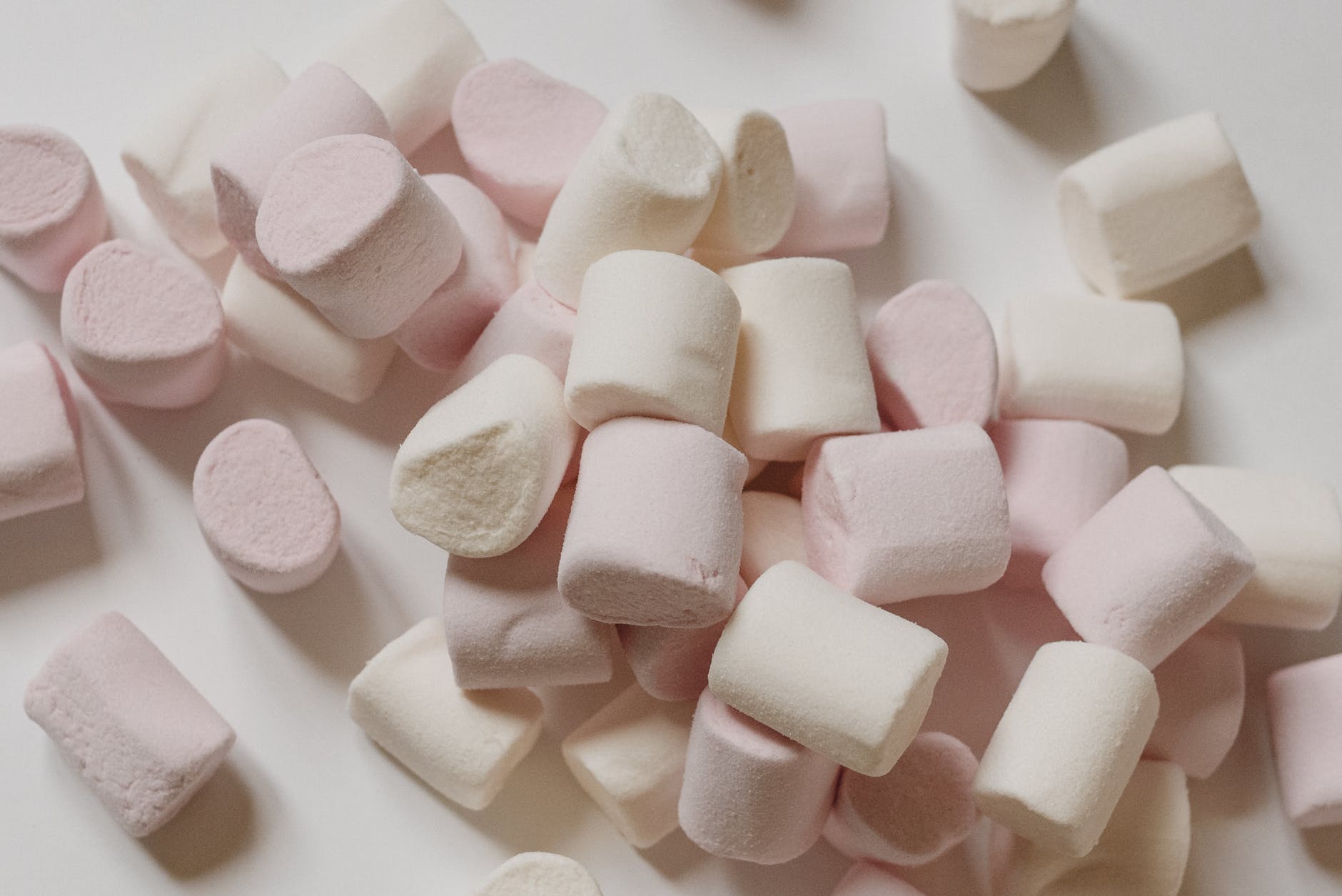
Have you ever heard of the “Marshmallow test“?

The “Marshmallow test” is a curious experiment, carried out by Professor Walter Mischel in the sixties at Stanford University.

yummy marshmallows heaped on white table
Photo by Arina Krasnikova on Pexels.com

A child is left alone in a room in front of a Marshmallow: they can choose whether to eat it immediately or wait 15 minutes and get two as a reward. Some children will know how to wait; others, unable to resist, will throw themselves on that inviting sugar candy.

The professor compared throughout the years the self-control skills shown by children with the successes achieved in their adult age and found out that those who did not eat the marshmallow achieved more goals in life.

Is self-control therefore the secret of success? Is it postponing rewards really more likely to bring success in life?

The Mischel experiment actually explains how self-control is fundamental in studying, in sport, at work and in many other circumstances of your life.

Self-control means knowing how to make decisions in the right time and in the right place to improve your skills to not yield to the temptation of a marshmallow.

People who are best at mastering their decision-making are generally people who are better off. They eat well, play sports, get enough sleep. These people structure their lives around good habits and build routines that are easy to follow.

Good news are that you can learn new habits.

Eating a piece of pie is not a moral failure, even if you have decided to go on a diet. Giving up on the piece of cake may cause you more stress and therefore cause you more harm than eating it. The trick is rather to avoid buying a cake or passing in front of a cake! But don’t feel guilty if you eat a slice. Don’t forget that an excess of willpower can also be more harmful because, as mentioned before, it can cause additional stress.

Self-control depends on your choices and it is your responsibility. Stress has become a personal burden, which you are called to manage alone with the help of techniques, like meditation, coaching, yoga.

Remember that it is important to recognize your own limits because it makes you become aware of the fact that you cannot be perfect and control everything.

Do you think that you can learn how you can control yourself?

assorted colorful lollipops on pink background
Photo by Karolina Grabowska on Pexels.com