When the Body Becomes the Hero: How Our Internal Detox System Works

Imagine a city with its own sanitation department, air filtration, and wastewater treatment plant, all running 24/7 without ever needing a gadget or “cleanse kit.” That’s your body. From the moment you wake, your internal systems quietly remove and neutralize waste, foreign molecules, and metabolic by‑products. Yet in wellness marketing you’ll find banners promising dramatic “detoxes” that outshine your liver, kidneys, and gut. Let me walk you through how the natural process works — and where the hype oversells.

1. The Body’s Built‑In Detox Machinery Versus Commercial “Cleanses”

Every day, our cells produce waste: old proteins break down, hormones are catabolized, and environmental chemicals drift into our bloodstream. To manage that, your body relies on several organs:

  • Liver — Acts in two main phases (often called Phase I and Phase II) to convert fat-soluble compounds into water-soluble forms that can be excreted via urine or bile.  
  • Kidneys — Filter the blood, remove urea, creatinine, and excess minerals; excrete them in urine.  
  • Lungs — Expel carbon dioxide and volatile molecules.
  • Intestinal tract — Carries out bile excretion and fecal elimination of compounds tied to fiber.
  • Skin & sweat — Minor route, but sweating can help release small water-soluble substances.

These systems cooperate constantly — you don’t need a juice fast or colon cleanse to “activate” them. In fact, many dietitians argue that commercial “detox” programs are unnecessary and sometimes harmful.  For example, activated charcoal cleanses may bind not only supposed “toxins” but also medications and nutrients. 

Supporting your natural detox system is far more sensible: maintain hydration, eat a balanced diet rich in antioxidants and fiber, get adequate sleep, and engage in movement. 

Remember that the body’s detoxification is continuous and internal. No external cleanse can outperform the liver–kidney–gut alliance.

2. Sugar’s Double Act: Common and Non-nutritive Sweeteners Under the Microscope

Sweetness is seductive, and the debate over sugar alternatives is intense.

Common (Nutritive) Sweeteners

These include sucrose, high-fructose corn syrup, honey, and others. They provide calories. When consumed in excess, they contribute to weight gain, insulin resistance, non-alcoholic fatty liver disease, and metabolic disturbances. Overuse stresses the liver and kidneys by increasing metabolic load.

Non-nutritive (Artificial or Low-Calorie) Sweeteners

Examples: aspartame, sucralose, stevia derivatives, saccharin.

A comprehensive meta‑analysis combining randomized trials and observational studies found:

  • In controlled trials, non-nutritive sweeteners had no clear effect on BMI.  
  • But in cohort (observational) studies, routine consumption was associated with slight increases in BMI, waist circumference, and higher incidence of obesity, hypertension, metabolic syndrome, and type 2 diabetes.  

In other words, they don’t reliably “help” with weight loss, and in real-world settings might correlate with worse outcomes. The cause–effect relationship remains unclear, but relying on them as a magic sugar substitute is risky.

A prudent approach is to reduce overall sweetness cravings (real or artificial) and favor whole fruits, moderate use of natural sweeteners (if needed), and a taste reset over time.

3. GMOs vs. Conventionally Grown Produce: Myth, Fact, and Nuance

The gulf between Genetically Modified Organisms (GMOs) and “conventional” is often painted as deep and dangerous — but science tells a more nuanced story.

What Are GMOs

GMOs are plants or organisms whose DNA has been modified using genetic engineering techniques (e.g. insertion or editing of genes). This differs from conventional breeding, where traits are crossed over generations.

Benefits & Concerns

Potential advantages include improved yield, pest resistance, reduced use of chemical inputs, and in some cases enhanced nutrient profiles (e.g. biofortified crops). 

Concerns raised include gene flow, ecological impact, corporate control of seed supply, and unknown long-term effects.

Nutrition: Do GMOs Differ from Conventional Produce?

To date, the consensus in independent reviews is that nutrient differences are minimal or inconsistent. Many studies show no significant advantage of organic (or GMO) produce in macro- or micro‑nutrient levels. 

However, what does differ is pesticide exposure: conventionally grown produce may carry higher pesticide residues (within legal limits), whereas organic farming limits synthetic pesticide use. 

It’s important to note that some GMO crops are engineered specifically to carry extra vitamins or traits, meaning in those cases they may surpass conventional types in specific nutrients. 

You should buy produce you will actually eat. Focus more on diversity, freshness, soil health, and low pesticide exposure — less on rigid labels.

4. Organic, Grass‑Fed, Pasture‑Raised Animals: What Do the Nutrient Numbers Say?

When meat labels shout words like “organic,” “grass-fed,” and “pasture-raised,” many consumers assume superior nutrition. But the reality is subtle.

Definitions

  • Organic: Animals raised without synthetic hormones, antibiotics, and on organic feed; farms follow organic standards.
  • Grass-fed / Pasture-raised: Animals eat grass or forage for a large portion of life, roam outdoors. These may or may not also be organic.

Nutrient Differences

A meta‑analysis of 67 studies comparing organic vs conventional meat found that:

To better understand, you should learn more about the difference between polyunsaturated fat and monounsaturated fat.

Still, critics point out that these relative differences may not translate into large absolute gains. For example, even with a 50 % relative increase in omega‑3 in meat, the absolute amount is still small compared to sources like fatty fish. 

Grass-fed animals also show slightly different metabolic profiles post‑meal, indicating meat from different feeding systems can shift how our bodies respond. 

What Should You Do?

  • Prefer sources you trust and that meet humane and ecological criteria.
  • If budget allows, choosing grass-fed/organic can modestly boost beneficial fatty acids and reduce exposure to synthetic residues.
  • But don’t chase perfect labels at the expense of diet variety, flavor, or affordability.

What do you think about our body’s super powers and how to keep it healthy?

Thank you for reading! Please sign up for my blog crisbiecoach so you don’t miss out on any posts and also for Wise&Shine an incredible online magazine!
Ideas to Try out in Your Free Time (part 2)

Do you remember the ideas to try out in your free time published some time ago?

We have seen that writing, visiting an unknown city or village, creating a time capsule and learning a new skill are ideas that you could try out in your free time.

Now let’s see some others.

1. Rediscover a childhood pleasure. You surely have many good memories related to your childhood. Some are related to places, others to people, and others to activities. Why don’t you try to rediscover what you liked to do when you were a child? Did you like playing with Lego? Now you could try building something out of wood. Or did you like to draw and then you stopped because life led you to a different path? You could take up this passion again, turn it into a hobby and maybe find out that you also have talent. Let yourself be carried away by memories and choose one that is realistically possible to materialize again.

2. Get moving. Have you not been physically active for a long time? Did the pandemic stop you wanting to go to the gym? Why don’t you try running, walking, or cycling? These are activities that you can do outdoors, so don’t be afraid to get infected. Choose a route or destination then go! Don’t compete with others, just test yourself. Every time you go for a run, walk, or ride you can decide to challenge yourself and go further, or take a more difficult path. Keep track of your achievements with an app or simply by writing them in a notebook. Then, from time to time look at them and you will see the improvements.

3. Dare to “digital detox”. Whatever your degree of addiction to your computer, mobile phone or tablet is, a digital detox can only do some good to you. Stop watching compulsively if a new message has arrived, how many likes the photo you posted on Instagram received, do not download the update of the new trendy game. You may decide to suspend these activities for a weekend. See how it goes, even in this case you can challenge yourself and go beyond the two days.

4. Take care of your pet or someone else’s pet. Studies have shown that spending time with a cat or dog reduces stress, improves physical and mental fitness, and increases our feelings of joy and satisfaction. If you don’t have a pet, you can go to a stray animal shelter and take care of them. You will be amazed by their gratitude!

5. Cook new recipes. We all have at least one cookbook that is gathering dust, as everything is now on the Internet. The advantage of a book over the web is that if you don’t have any ideas on what to prepare for dinner in the evening, you can grab the book and start leafing through it until you find something that inspires you. Then go shopping and start trying your hand at this new idea. Or you can come up with something with what you have already at home. You may also call a friend to prepare this recipe together. Do you know that cooking together is one of the best activities to build a team?  

If you have other ideas, please share them with me!

Don’t miss the next part on other ideas to try out in your free time!

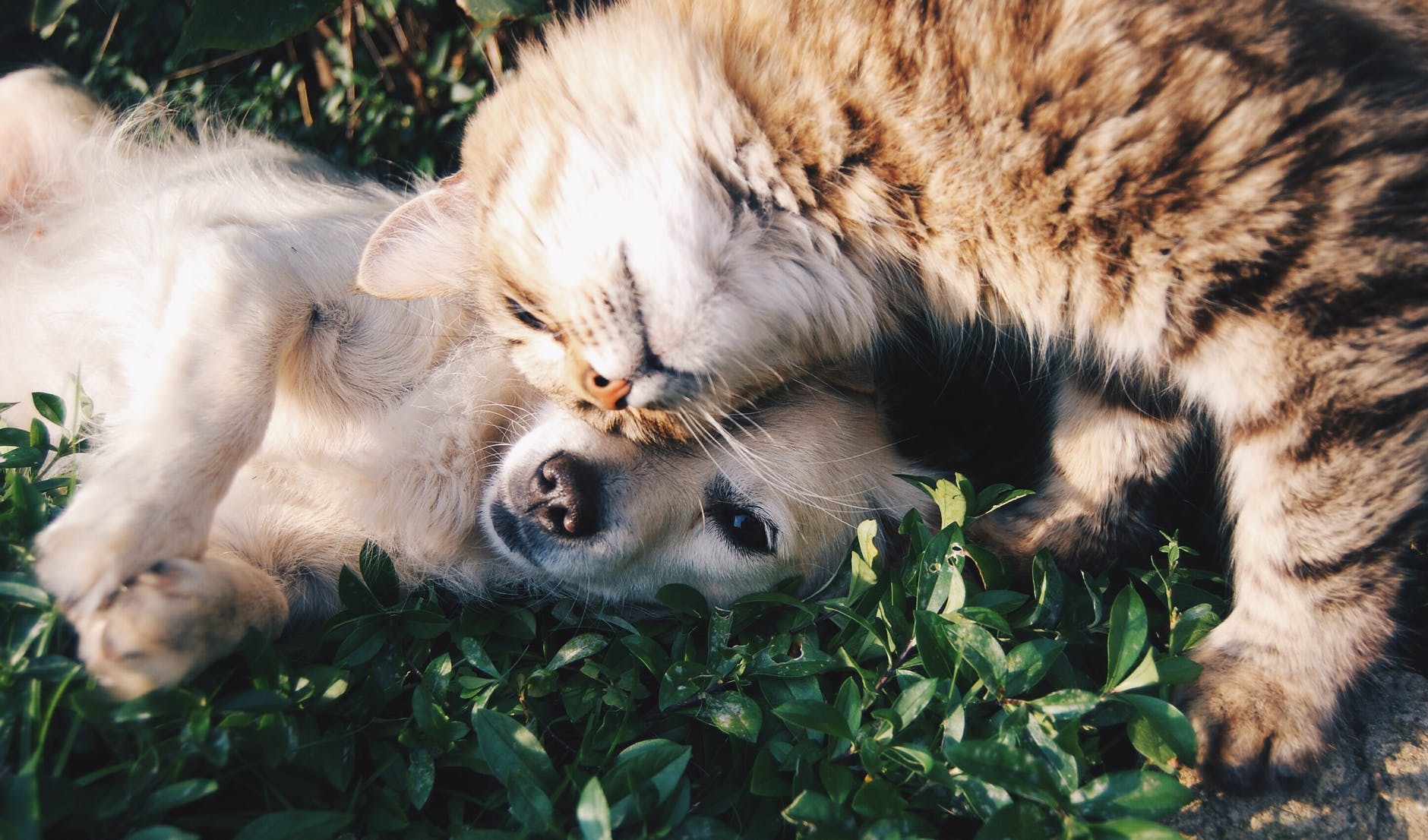
orange tabby cat beside fawn short coated puppy
Cat and Dog – Photo by Snapwire on Pexels.com

Idee da provare nel tuo tempo libero (seconda parte)

Ti ricordi le idee da provare nel tuo tempo libero pubblicate un po’ di tempo fa?

Dunque, abbiamo visto che scrivere, visitare una città o un borgo sconosciuto, creare una capsula del tempo e imparare una nuova competenza sono delle attività che potresti provare nel tuo tempo libero.

Vediamone ora delle altre.
  1. Riscoprire un piacere dell’infanzia. Hai sicuramente tanti bei ricordi legati alla tua infanzia. Alcuni sono legati a dei luoghi, altri a delle persone, altri ancora a delle attività. Perché non provi a riscoprire quello che ti piaceva fare quando eri bambino/a? Ti piaceva giocare con i Lego? Ora potresti provare a costruire qualcosa con il legno. Oppure ti piaceva disegnare e poi hai smesso perché la vita ti ha portato a fare altro? Potresti riprendere questa attività, trasformarla in un hobby e magari scopri che hai anche del talento. Lasciati trasportare dai ricordi e scegline uno che sia realisticamente possibile da mettere in pratica.
  2. È da tanto tempo che non fai un’attività fisica? La pandemia ti ha fatto passare la voglia di andare in palestra?  Perché non provi a correre, camminare o andare in bicicletta? Sono attività che puoi svolgere all’aperto, quindi niente paura di contagiarti. Scegli un percorso o una destinazione poi parti. L’unica gara che vale la pena di fare è quella contro te stesso/a. Ogni volta che fai una corsa, una camminata o esci in bicicletta puoi decidere di sfidarti e di andare più lontano, oppure fare un percorso più difficile. Tieni traccia dei tuoi traguardi con un app oppure semplicemente scrivendoli su un taccuino. Poi, ogni tanti guardali e vedrai i miglioramenti.
  3. Qualunque sia il tuo grado di dipendenza dal computer, cellulare o tablet, un digital detox non può che farti bene. Smetti di guardare compulsivamente se è arrivato un nuovo messaggio, quanti like ha avuto la foto che hai messo su Instagram, non scaricare l’aggiornamento del nuovo gioco tanto di moda. Decidi di sospendere queste attività per un fine settimana. Vedi come va, anche in questo caso puoi sfidarti e andare oltre ai due giorni.
  4. Degli studi hanno dimostrato che passare del tempo con un gatto o con un cane riduce lo stress, migliora la forma fisica e mentale e aumenta la sensazione di gioia e soddisfazione. Se non hai un animale da compagnia, puoi andare in un rifugio per animali randagi e occuparti di uno di loro. Vedrai la felicità che ti sapranno restituire.
  5. Tutti noi abbiamo almeno un libro di ricette che sta a prendere della polvere, visto che ora tutto si trova su Internet. Il vantaggio di un libro rispetto al Web è che se non hai delle idee su cosa preparare da mangiare la sera, puoi prendere il libro e iniziare a sfogliarlo fino a quando non trovi qualcosa che ti ispira. Poi fai la spesa e inizia a cimentarti in questa nuova attività. Oppure puoi inventarti qualcosa con quello che hai in casa. Chiama anche un amico/a per preparare questa ricetta insieme. Lo sapevi che cucinare insieme è una delle attività migliori per costruire una squadra?

Se hai delle idee, condividile con me!

Alla prossima!

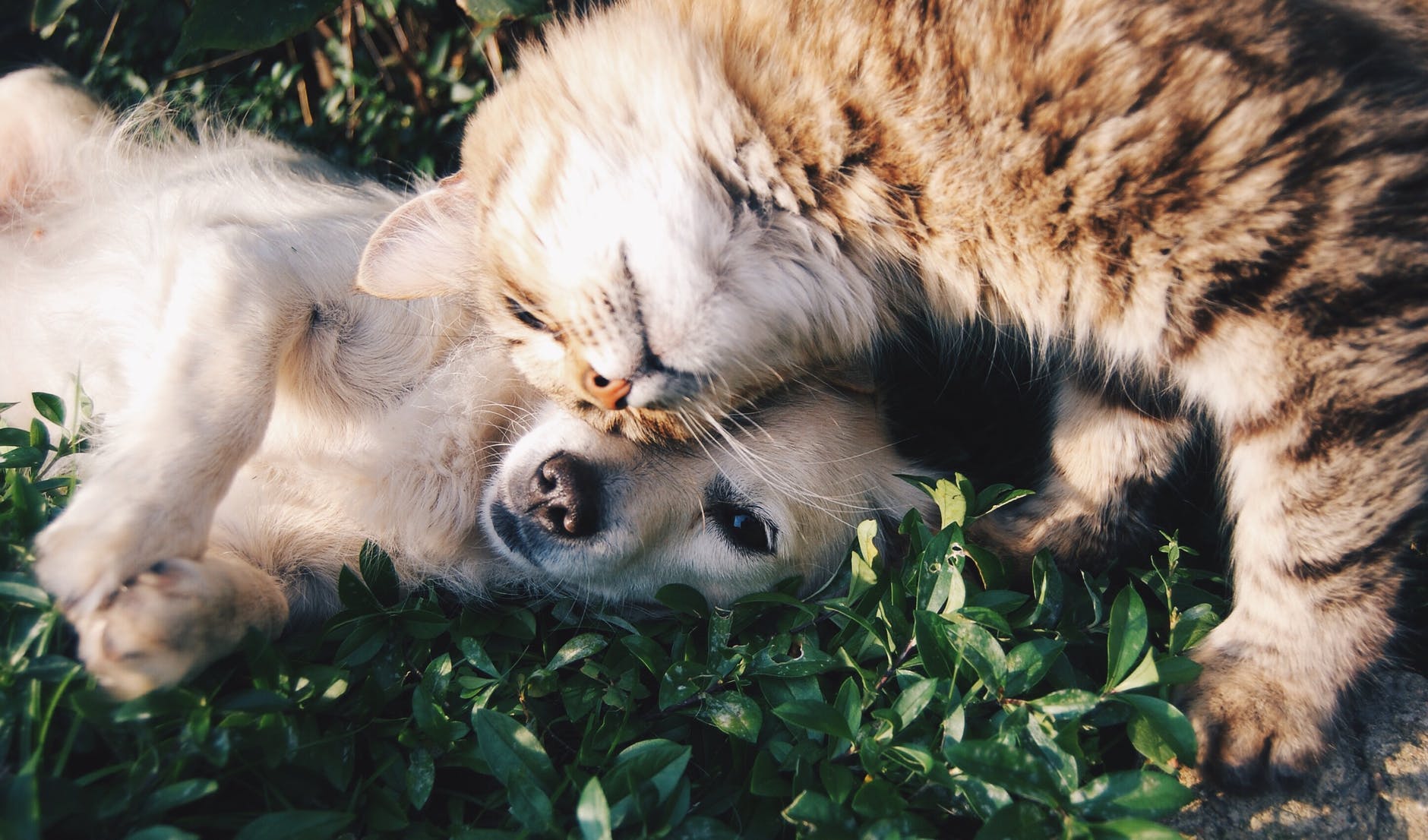
orange tabby cat beside fawn short coated puppy
Cat and Dog – Photo by Snapwire on Pexels.com

Unplug your mind, find yourself

When e-mails, text messages, conference calls, Webex, Whatspp, FB, Instagram, Tweeter, Google and anything else from your partner to your boss invade our lives, it becomes necessary for our survival to stop for a while and be silent.

Our always connected minds take us away from the best of ourselves and our creative potential.

Referring constantly to what one or the other has said, we forget to connect to our essential being, which is unique and precious.

We have become individuals driven by technological change that moved away from ourselves, from our awareness of being human, from the first component of Emotional Intelligence (EI). EI is recognized today as a condition of success in a Volatile, Uncertain, Complex and Ambiguous (VUCA) world, as it is the one we live today.

Refocusing, looking inside, listening to silence and our inner voice. In the depths of ourselves we find an enormous amount of resources and our most authentic creativity: it is our treasure, a unique, rich and colorful, magical place where everything is open and possible.

In this space, we can find synchronicity, messages and insights that will enable us to make the right decisions for our lives.

In this space real relationships can arise, authentic relationships between sincere people who are now masked by the ego that continues to rule us.

What to do then?

Give yourself moments of silence! Be for a while without your mobile phone. Go out for a walk without it, walk with no direction in the nature and feel, look, listen, use all your senses to the maximum.

Be present in this unique moment and let yourself be pervaded by the harmony that surrounds you.

Practice your favorite hobby, and if you do not have it, think about finding one. Quietly cooking at home, knitting, painting, drawing, gardening and all the other activities that you may be passionate about.

Stop for a moment and stop moving from one activity to another, from one piece of information to another. Your brain can not take it anymore, it also needs a rest. Give yourself time to deepen the reasons of your choices and discover the reason of your being, your purpose.

So many people today cannot make a decision, if it has not been recommended by someone, a friend, a colleague, or a family member.

People feel lost. Most probably they are really lost: they have disconnected from themselves to live in connection with the social networks.

It is not my intention to condemn social networks and sources of information, I also use them. The problem is their overuse: a lot of people nowadays lives constantly with an external reference and far away from their real life.

I can accompany you on a journey where you will learn to clear some space for your inner needs. I will show you techniques to manage your stress that will help you to go back to your daily occupations in a more balanced way. And live your life fully. You deserve it!