Ideas to Try Out in Your Free Time (part three)

Do you know what are you going to do today? Are you bored sometimes on Sundays?

Here are some ideas that you could try out in your free time, or when you feel bored. 

  1. Have you ever thought about becoming a juggler? In addition to the development of concentration and the improvement of psychomotricity, juggling is very fun to learn. Once you master it, it is an activity that will entertain children, but not only. Then, who knows, it could become a second source of income. 
  2. Offer yourself a moment of relaxation. Whether you go to a specialized center or have someone come to your home, offer yourself a moment to relax. A massage with essential oils made by expert hands is a panacea for relaxation. You can call someone to your place, as I do when I want to get a pedicure. You could also organize a complete home ritual: scented bath, candles, and of course relaxing music. 
  3. Organize a movie night. Choose your favorite film, or one you would like to share with your friends, prepare some popcorn, something to drink and start watching the movie. At the end you can discuss it with your friends. 
  4. Participate in a festival. Look on your town’s online agenda to see if you find a dance, music, or theater festival. If you don’t find it nearby, then look for it in other places, maybe in one of those places that you wanted to visit for a long time. And if you do not find anything today, look for something to do next Sunday.
  5. Plan a visit to a museum or exhibition. We usually are prepared to go more or less far to see an exhibition, forgetting about the treasures close to home. Search for the list of museums that are located in your area and book a guided tour with the one that interests you most. Of course, if you don’t like guided tour, you could also go on your own!

Have you come up with ideas for activities to try in your free time to share with others?

photo of cushion seats on ground
Cozy Space to Relax – Photo by Taryn Elliott on Pexels.com
More ideas here:
and here:

Working Four Days a Week

In Iceland they carried out an experiment. From 2015 to 2019, 2,500 people (equal to 1% of the inhabitants) participated in a very ambitious project: to reduce working time without reducing wages. Public sector employees, with different profiles and working in different sectors (schools, hospitals, social and administrative services), worked 4 days a week following their working hours, not necessarily during the day.

Objective

Analyse positive changes in professional and personal life.

How it was achieved

Communication mainly via emails, reduced time of breaks and daily activities redistributed in order to optimize the available time.

Results

The results speak for themselves. In 4 years, participants’ productivity and well-being have increased, while stress and risk of burn-out has decreased considerably.

The results show that the 2,500 workers involved used their free time to recover their energy, to spend more time with their families, or to practise their hobbies. This has led unions to renegotiate employment contracts and now 86% of Icelandic employees have chosen to work less for the same salary.

Benefits

A marked improvement in the quality of life has been noticed. In fact, it is often the work environment that increases states of anxiety and malaise.

This research could be replicated in the UK, because, according to a survey, 63% of the population would be in favour. In addition, 45 deputies voted a motion to ask the government to study this proposal.

Would you like to work 4 days a week? I think this is an inspiring model to be exported without hesitation!

person holding white stylus
Working Week – Photo by Jess Bailey Designs on Pexels.com

Ideas to Try out in Your Free Time (part 2)

Do you remember the ideas to try out in your free time published some time ago?

We have seen that writing, visiting an unknown city or village, creating a time capsule and learning a new skill are ideas that you could try out in your free time.

Now let’s see some others.

1. Rediscover a childhood pleasure. You surely have many good memories related to your childhood. Some are related to places, others to people, and others to activities. Why don’t you try to rediscover what you liked to do when you were a child? Did you like playing with Lego? Now you could try building something out of wood. Or did you like to draw and then you stopped because life led you to a different path? You could take up this passion again, turn it into a hobby and maybe find out that you also have talent. Let yourself be carried away by memories and choose one that is realistically possible to materialize again.

2. Get moving. Have you not been physically active for a long time? Did the pandemic stop you wanting to go to the gym? Why don’t you try running, walking, or cycling? These are activities that you can do outdoors, so don’t be afraid to get infected. Choose a route or destination then go! Don’t compete with others, just test yourself. Every time you go for a run, walk, or ride you can decide to challenge yourself and go further, or take a more difficult path. Keep track of your achievements with an app or simply by writing them in a notebook. Then, from time to time look at them and you will see the improvements.

3. Dare to “digital detox”. Whatever your degree of addiction to your computer, mobile phone or tablet is, a digital detox can only do some good to you. Stop watching compulsively if a new message has arrived, how many likes the photo you posted on Instagram received, do not download the update of the new trendy game. You may decide to suspend these activities for a weekend. See how it goes, even in this case you can challenge yourself and go beyond the two days.

4. Take care of your pet or someone else’s pet. Studies have shown that spending time with a cat or dog reduces stress, improves physical and mental fitness, and increases our feelings of joy and satisfaction. If you don’t have a pet, you can go to a stray animal shelter and take care of them. You will be amazed by their gratitude!

5. Cook new recipes. We all have at least one cookbook that is gathering dust, as everything is now on the Internet. The advantage of a book over the web is that if you don’t have any ideas on what to prepare for dinner in the evening, you can grab the book and start leafing through it until you find something that inspires you. Then go shopping and start trying your hand at this new idea. Or you can come up with something with what you have already at home. You may also call a friend to prepare this recipe together. Do you know that cooking together is one of the best activities to build a team?  

If you have other ideas, please share them with me!

Don’t miss the next part on other ideas to try out in your free time!

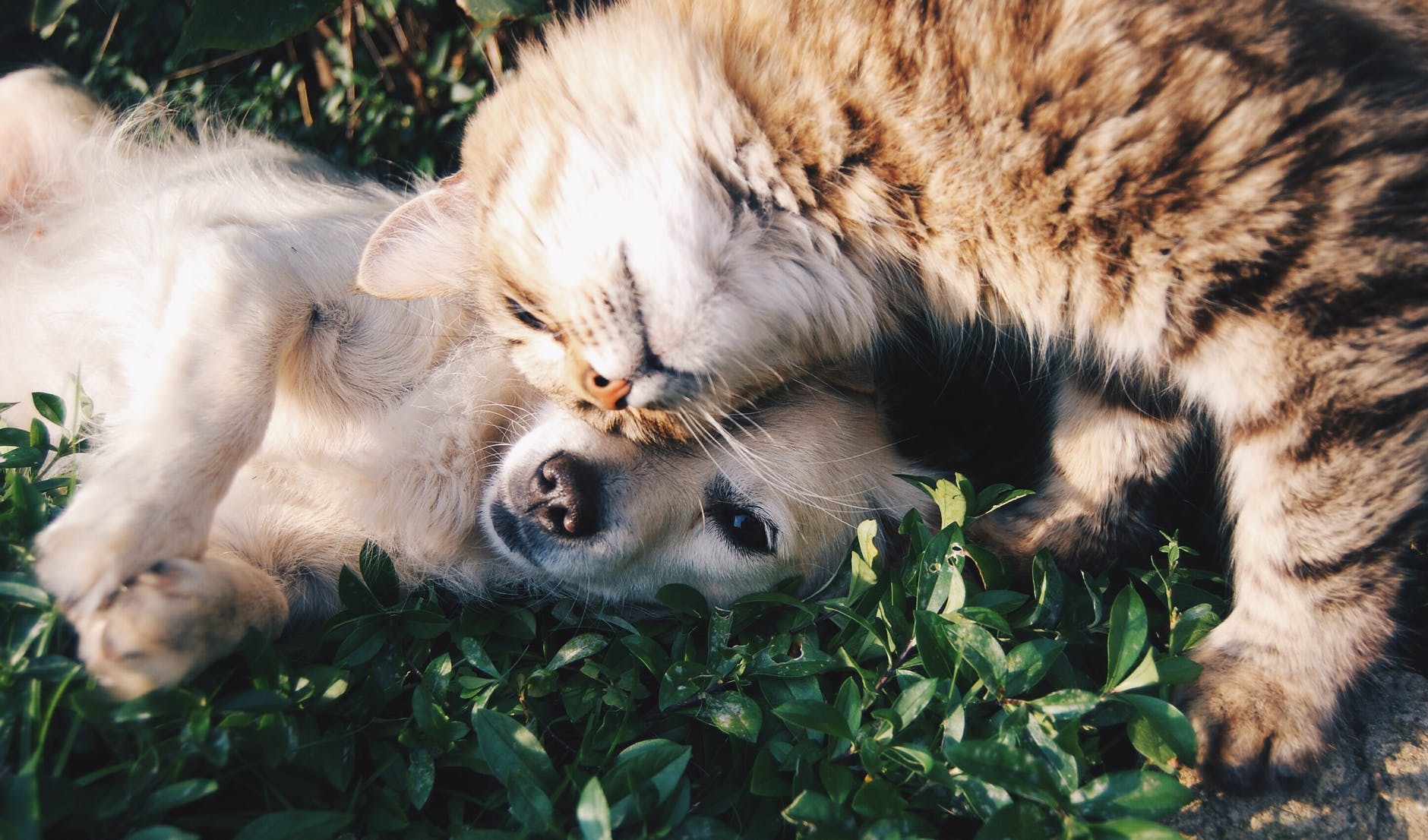
orange tabby cat beside fawn short coated puppy
Cat and Dog – Photo by Snapwire on Pexels.com

Is the Ego a Friend?

What is the ego? Is it really negative? How to keep it under control? Is the ego a friend?

The word ego comes from the Latin and means “I”. It is difficult to define it because it is not visible and it manifests mainly in a negative way.  It is easier to recognize the ego in others than in oneself.

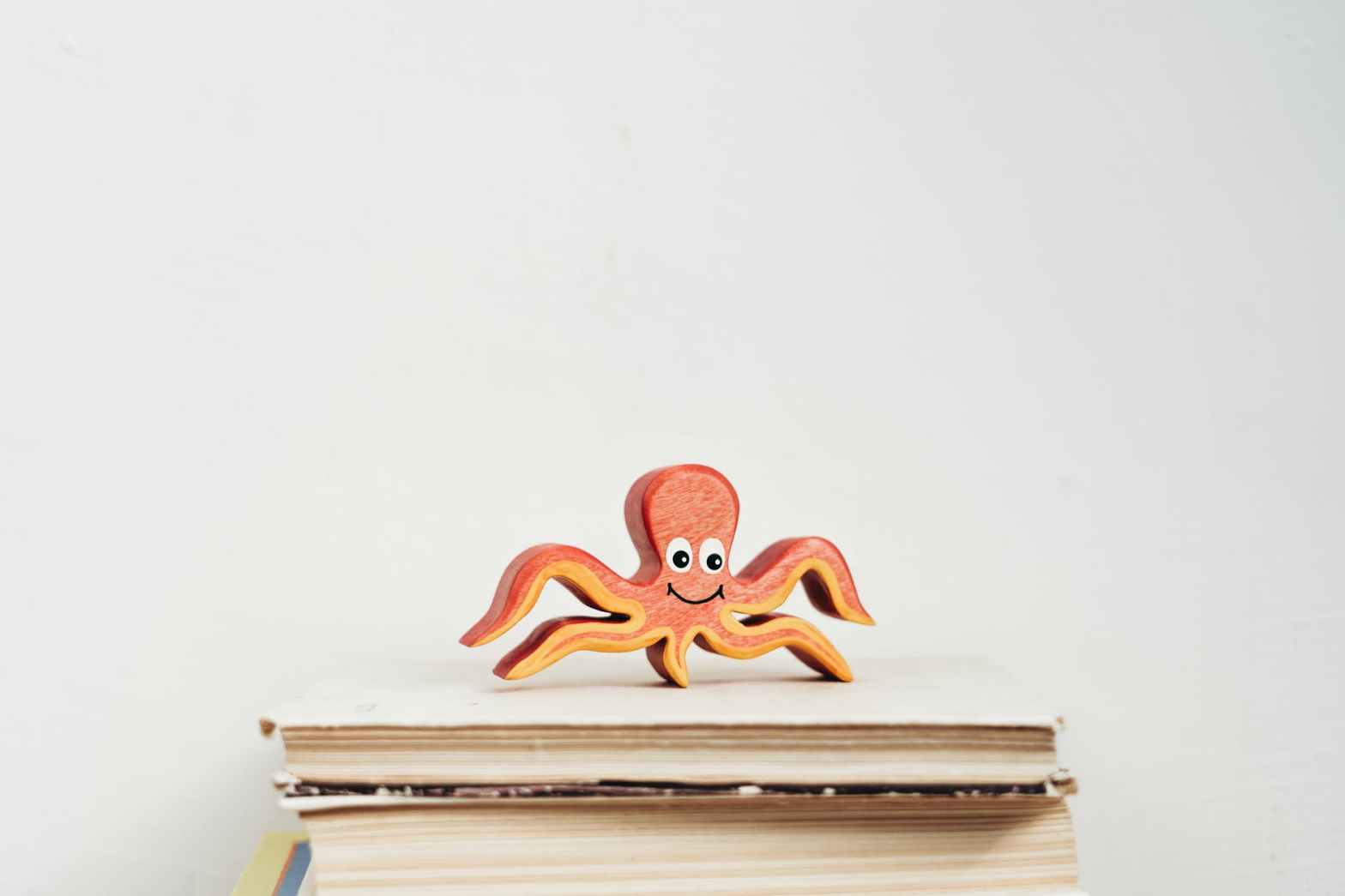
Sometimes, the ego is represented with animals. The octopus, the bloodsucker, any parasite, the wolf or the tiger. Or it is also represented with objects. Mask, dress, glasses, onion, egg or even serious illnesses.

It is a mystery and a paradox at the same time. The ego is us but not really us. It is a false self, or a pseudo self. It is not the personality but a part of the personality. It is not our true consciousness, but an altered, partial and non-objective consciousness. It does not represent a real need, but it wants to make us look perfect in a certain way, it wants to control everything and always be right. It is not real, but an illusion, an empty shell, which is based on fear, separation, loneliness and opposition. The ego can be a defensive or an aggressive reaction. In reality, the ego tries to protect us from showing our vulnerabilities.

Is the ego negative?

For Westerners, the ego is a necessary evil with which we must live, it is not so serious, indeed sometimes it can be useful or even positive. In fact, Western civilization since 1623 is based on the ego thanks to Descartes.

On the contrary, for spiritual masters, most of them Orientals, the ego has nothing positive, since it is the opposite of love, it represents our dark part, our Mr. Hyde, our shadow zone.

The ego is a false friend that makes us lack authenticity, honesty, and humanity. This is why certain traits of our character might be selfishness, self-centredness, narcissism, individualism, greed, possessiveness, materialism, avarice, susceptibility, and even paranoia. The ego is responsible for almost all of our negative emotions, especially hatred. It pushes us to defend ourselves, to justify ourselves, to rationalize, to deny the evidence, and generates childish behaviours. Escape, rejection, negative or destructive communication (like haters). It can also be responsible for toxic relationships, manipulation, harassment, and violence in a broad sense.

Why would we keep the ego under control?

On an individual level, keeping the ego under control would mean being happier, having better physical and mental health, more self-confidence, connecting better with others, living in harmony, having happier relationships, more energy, and being even more efficient.

On a social level, keeping it under control would help society overcome racism, sexism, nationalism, domination, oppression, exploitation, delinquency and even war! It would allow us to live better together, to develop a sense of brotherhood, equality, cohesion, solidarity, understanding and peace.

How to keep the ego under control?

It is impossible to eliminate the ego, because it is part of our personality. What we can do is trying to control it.

At the social level there are institutions such as the family and school that are delegated to this role. Other institutions, such as the police and justice, try to correct it.

We can try to transform the ego into our ally with meditation techniques, practising yoga, or using psychotherapeutic techniques that can help us to be more attentive, conscious, and to become more collaborative. We will be able to learn to listen, to help, to forgive, to let go, to create, to laugh and make people laugh, and of course to love.

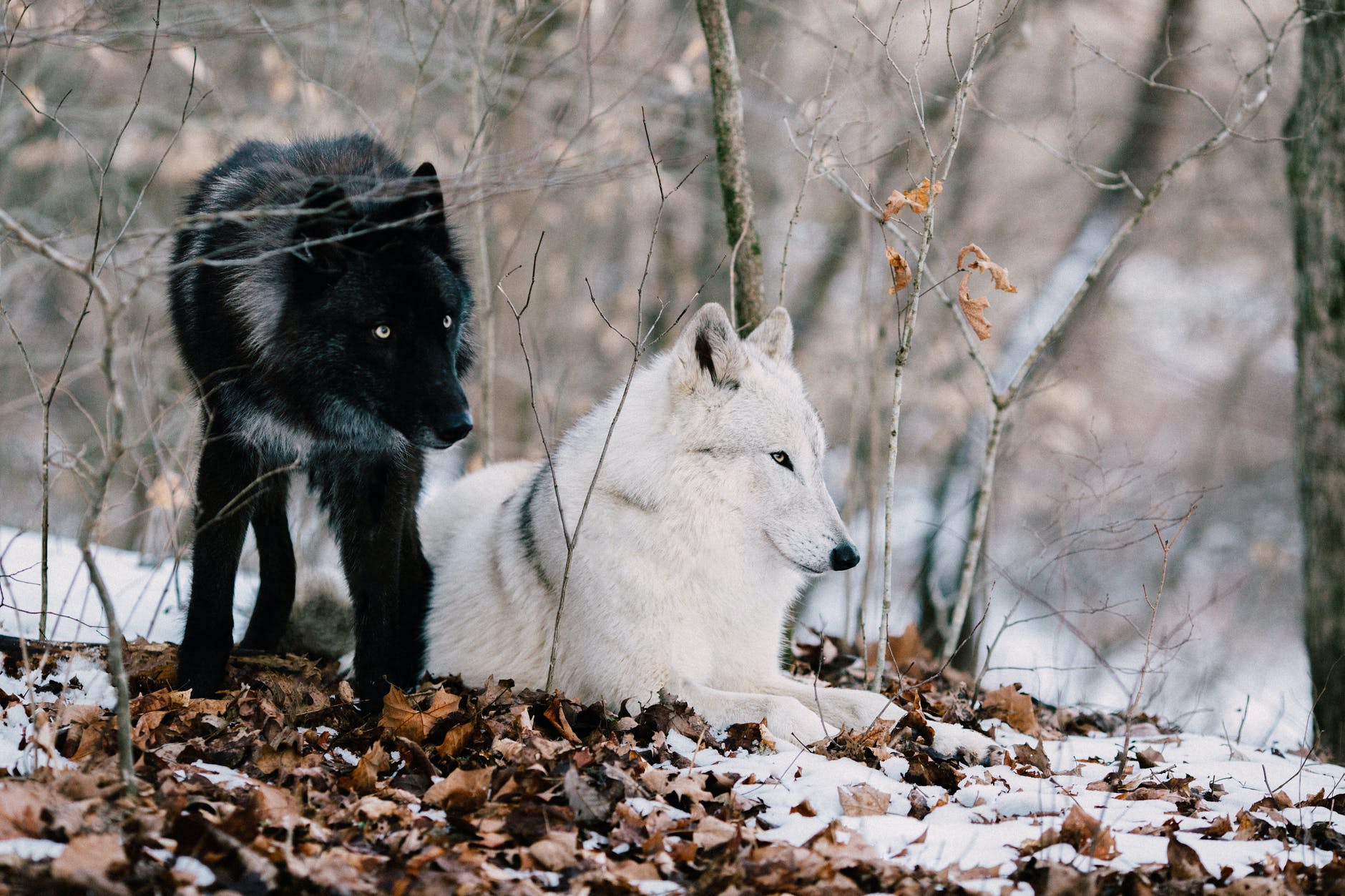
I would like to conclude with a short story, The Story of the Two Wolves.

“One evening, an old Indian grandfather tells his grandson the story of the two wolves.

In each of us coexist two wolves, constantly fighting. One is bad, angry, jealous, sad, greedy, arrogant, liar, feels superior to the other wolf.

The other wolf is kind, empathetic, generous, sincere, compassionate, cheerful, peaceful, serene, hopeful, and humble.

The grandson asks his grandfather: “Who wins between the two wolves?”

Grandpa simply answers, “The one you feed will be the winner.”

Which wolf do you give priority in your life?

white wolf on brown dried leaves
Wolves – Photo by Shelby Waltz on Pexels.com

How to Find Happiness

We all seek happiness because we think that when we are happy, we have everything. When joy fills our souls, life lights up, our hearts open up and our hands stretch out. On the contrary, when our soul is darkened, when sadness pervades our lives, everything becomes more difficult. Where and how to find happiness?

Where to find happiness

We often seek happiness outside of ourselves. Of course, the joy that comes from the outside brings us joy as well. Dinner with friends, a successful exam, a new experience…

Unfortunately, these are ephemeral moments that will not last long. It would be good for you if you can remember them with nostalgia.

However, there is also a type of joy that does not depend on external events, it does not have elements that have triggered it, in short, it does not depend on anything.

It can be said that this is a free happiness, as Jean Klein defined it, namely a form of joy without object. To quote some of his words: “spontaneous state of interior silence that we can open ourselves to our true nature: the ‘I Am’ of pure consciousness.”  

It is a joy without object because it does not come from the world, it has another origin. This happiness comes from pure existence, from our being in the here and now.

How to find happiness

We knew this joy very well when we were children. Then, slowly, growing up, we miss it.

Sometimes it returns when we do not have worries, we are particularly relaxed and in a good mood.

But if you can transcend everyday life, stay silent and focus on your breathing even for a few minutes, you find yourself and the essence of life in the here and now.

Among the positive affirmations, you can find the affirmation “I am” that does not mean identifying with oneself as a person with name, surname, date of birth, etc.

Transcending yourself means stripping yourself of your individual identity so that you can quickly experience the happiness of your pure being.

Where and how do you find happiness?

underwater photography of clear water
Pure Water – Photo by Tyler Lastovich on Pexels.com

Why Perfectionism Is Not Healthy

Extreme perfectionism is a compulsive lifestyle that has a high personal cost and can lead to anxiety or depression. Sometimes it hides a low self-esteem. That is why perfectionism is not healthy.

Being perfect means that you do not have imperfections, defects, or weaknesses. For some of us, perfectionism might seem an advantage, especially if it is referred to the work place. If you want to be successful, you should set high standards, have attention to details, and dedication.

However, this is a myth. Perfectionism does not mean to do things well.

Perfectionism affects people of all ages and lifestyles, and it is on the rise among students. An research in which 41,641 British, Canadian and American universities were included between 1989 and 2016, showed an increase in the percentage of young people who feel they need to aim for perfection to achieve their academic and professional goals.

Extreme perfectionism is a compulsive way of demanding that things and the way you do things shall be perfect and precise.

Aiming for perfection can have a high personal cost, it involves multiple negative effects, such as eating disorders, anxiety, or depression.

Especially among young people, the link between perfectionism and suicide risk is alarming.

According to the study, an increasing number of people have been experiencing what the researchers call “multidimensional perfectionism,” which includes perfectionism aimed at themselves, perfectionism aimed at others, and the socially prescribed perfectionism.

While self-oriented perfectionism focuses on extremely high personal standards, other-oriented perfectionism involves that others shall meet high and unmeasured expectations set by us.

In addition, the socially prescribed perfectionism implies the perception that other people, or also society at large, impose being perfect and having perfect performances.   

Every form of perfectionism has a negative aspect. When the person who aims for perfection fails, especially in the presence of others, they feel a deep sense of guilt and shame because they perceive it as a flaw or, even worse, as a failure.

Moving from being perfectionist to being a bit less perfectionist

We stigmatize ourselves when we fail, so it’s important to learn that failure is acceptable. This is an inevitable reality, as perfection does not apply to human beings.

Therefore:

  • give yourself permission to develop more realistic and flexible expectations;
  • keep your perspective and focus on what you are passionate about;
  • if you think, or have been told, that you are in a critical situation, do not hesitate to ask for professional help;
  • recognize that there is also meaning in failure, because you can learn from it.

To conclude, remember that to invent the light bulb, 2000 attempts were necessary!

What do you think about perfectionism? Do you recognise yourself in one category of perfectionism?

illuminated light bulb
Light Bulb – Photo by Brett Sayles on Pexels.com

Non-Violent Communication

Non-Violent Communication (NVC) developed by Marshall Rosenberg is a form of philosophy of life that seeks on the one hand to strengthen relationships (starting with the one with yourself) and on the other it is a way to begin a dialogue favouring mutual understanding, open mind and kindness.

NVC aims to connect people in a peaceful way, using words without offending people, without attacking them and at the same time without annihilating yourself. It is an assertive way of communication. We listen to understand.

In these times of uncertainty and difficulty due to the persistence of the Covid emergency, we are super stressed and sometimes we can have excessive verbal reactions, which we may regret later.

We can consider the NVC as a real tool for maintaining a healthy relationship with ourselves and with others. Who hasn’t ever wanted to express themselves so as not to hurt or attack the other?

NCV consists of a simple method of clear and empathic communication, based on these four steps.

Observation of the facts.

Try to identify the fact without expressing any judgement. E.g. “It’s two o’clock in the morning and I hear music coming from your room” (fact) is different from saying: “It’s too late to make all that noise” (judgement).

Feelings.

Express the feelings that accompany the observation. Or, imagine what the other person feeling is and ask them. E.g. “You are about to take an exam and I see you walking back and forth (observation). Are you nervous?”

Recognition of needs.

Express the needs that give rise to certain feelings. E.g. “I am a bit upset and would like to talk. Is this the right time for you?”

Formulation of requests.

Ask clearly and precisely what you want. E.g. “I noticed that you are very silent today (fact). Are you bored? (feeling).” If the answer is yes, try to communicate your feelings and make a proposal: “Well, I’m bored too. How about going out for a walk?”.

Finally, the ultimate purpose of NVC is to find a way in which each person can express what they consider important without blaming, humiliating, embarrassing, or threatening others. It serves to resolve conflicts, get in tune with people and live in a conscious and attentive way of their needs, finding a compromise with your own.

NCV helps us to discover our experiences and our aspirations and to express them with firmness and kindness.

Furthermore, it also allows us to make ourselves better understood and to understand others better, by easing intra and interpersonal tensions. NVC offers keys to understand our limits and to welcome the actions and reactions of others without letting ourselves be overwhelmed!

Thanks to this tool you can lose the fear of expressing yourself and gain more confidence in your abilities.

What do you think about NVC?

ground group growth hands
Trust – Photo by Pixabay on Pexels.com

Ideas to Try out in Your Free Time

To recharge your batteries, you do not need to go to an exotic place, do a daring trekking, or organize a party with a thousand guests (by the way, this is not the case considering the new variant of Covid.) There are many activities you can explore. Here are some ideas to try out in your free time.

Free time, it speaks for itself, is a time during which you do not do the usual things and you can plan your day without too many constraints or obligations. It is a unique opportunity to listen to your needs, without an agenda to follow, to enjoy and savour your moments of freedom that can allow you to take better care of yourself.

Vacations are certainly a panacea to authorize you to do something you have not had the time or energy to do before.

However, decelerate, take moments to listen to yourself, live the present moment, relearn to live at the rhythm of your body, listen to your heartbeat, do relaxing, creative or spiritual activities are things you can do also on weekends.

Starting today, I’ll be posting from time to time ideas to try out in your spare time.

Let’s start.

  1. Write a song, a poem or a letter. Write a song, a poem or a letter addressed to yourself telling something about your life, or your emotions, or what comes to your mind, no matter the topic. In addition, if you can write and play music, why don’t you try also to compose something for the text you have prepared? Then, when you feel confident, try making a great video to share with friends!
  2. Discover a town or a village near your place that you have never visited. Sometimes we don’t think about the treasures hiding close to where we live. Take a day to go and explore the area near you, eat in a typical restaurant, visit places of cultural and touristic interest, then if it’s worth, take a room at the hotel to continue the visit in complete tranquillity the day after.
  3. Create a time capsule. What is a time capsule? My idea of a time capsule is nothing more than a box (for shoes is absolutely fine) that you can personalize by putting inside photos, newspaper clippings, drawings, the letter you wrote to yourself. Use your imagination to create a box that contains everything that represents your current self. Keep it, and have a look at it in a few years time, to see how you have changed. You may be surprised at the progress you have made!
  4. Learn a new skill. If your old hobbies bore you or you don’t have any real hobbies, why not start one? What about learning a new language, a sport that has always attracted you, or a musical instrument? Listen to your passions and develop your talents. Make a list of the things you’d like to do, then choose what you like best.

I’d like to know your ideas! What do you do in your free time?

See you soon with other suggestions.

clear light bulb
Ideas to Try out in Your Free Time -Photo by Pixabay on Pexels.com

How to Help a Friend in Need

It hurts to see a loved one who is not psychologically well. How to help a friend need then?

Nobody taught you how to help a friend and you don’t know what to do. You celebrate successes with them but you would like to be able to listen to their anxieties, fears, frustrations and problems in general. It really depends on your sensitivity and empathy.

You have noticed that a friend of yours no longer looks like the one you used to know. They seem sad, dull, speak little, they are isolated and blocked in their thoughts. They may be also restless, nervous, hyperactive, anxious, irritable, and have started drinking a lot of alcohol.

You wonder if it was due to the pandemic. Maybe, but they were like that also in the summer, when the Covid situation had improved. They continue to see everything black, they don’t want to go out, see anyone or even talk to anyone.

Moreover, they sleep badly, and are not motivated to go to work.

The first thing that comes naturally to do is trying to reassure them, saying that they don’t need to worry, it will pass quickly, we all have problems and maybe you start telling them about yours, as if this could cheer them up. The result is that your friend is getting worse and worse.

Actually, this diminishing other people’s state of discomfort only contributes to making them feel worse.

Once a psychologist told me that when a person is agitated, you should never tell them to stay calm, because this would have the opposite effect. It is more or less the same thing. If a person is in distress, you should not underestimate their discomfort.

stormy sea with splashes and waves
Photo by Pok Rie on Pexels.com

Therefore, how to help a friend in need?

First, you have to listen to them, in an active and empathic way. Listening in this way is not easy, but you can learn. Validate what the friend feels; don’t underestimate their situation and make them understand that they are not alone.

Sometimes, giving advice is not useful. On the other hand, it may be useful to offer practical help, such as shopping for example.

Alternatively, you can propose to go out together, for a drink or to a restaurant, so that your friend can get distracted and maybe they relax and tell you about the difficult time they are going through. A walk in nature or a short hike are also activities that can prove useful. Visiting an art exhibition or a museum can really help raise the moral.

You don’t have to force them to do anything they don’t want to, you have to give your friend space and time, conveying hope that they will feel better later on. You can also tell them to remember some good times from the past that might be comforting. Or, you can tell them to think of other difficult moments they went through and ask themselves how they overcame them.

In addition, you don’t have neither to put pressure on them nor judge them. Only be available.

Obviously, you must not take responsibility for the mental health of the other person. If you are not a psychologist, you cannot know if what the person is going through is temporary or if it is a real mental disorder.

Therefore, if you see that your friend’s health does not improve, you should try to convince them to go to the doctor to explain the situation. Maybe you could even offer to accompany them, because friendship also means helping each other.

What are your strategies for helping a friend to overcome a difficult situation?

gray asphalt road surrounded by tall trees
Photo by Pixabay on Pexels.com

How to Deal with Eco-anxiety

Eco-anxiety or climate anxiety can be defined as the stress that some people feel due to environmental events even though they have not had to deal with them (yet).

Melting glaciers, fires that more and more often happen worldwide, unbelievable heat waves, just to mention some major events, could really cause eco-anxiety.

The dire effects of climate change are hard to miss, and they instil fear in many people who are worried about the future of the Earth and obviously of the human kind.

If these fears sound familiar to you, you are not the only one.

A recent survey, conducted by The Harris Poll on behalf of the American Psychological Association (APA), found that over two-thirds of respondents suffer at least some “eco-anxiety” and more than a quarter perceive stress.

Respondents between the ages of 18 and 34, who are likely thinking about what the meaning to inherit the Earth on the brink of environmental collapse, were more likely to say they were concerned about climate change, and actually nearly half said the anxiety affects their life every day.

The online survey, which involved 2,017 adults in the United States, covered ecological anxiety and changing habits to reduce the impact on the climate.

The survey results were weighted to reflect the national adult population, taking into account factors such as age, sex, education, region, family income, and ethnicity. 60% of respondents said they had made changes to their behaviour.

The most popular, adopted by over three-quarters of participants, included reducing waste through reuse and recycling of items. In addition to improving the insulation of your home, limiting the use of services such as water, heat and electricity and consuming less in general.

Not all respondents, however, could change daily transport or eating habits. Only two-thirds said they had or would do things like carpool, walk, cycle, eat less red meat, or become vegetarians or vegans.

People who suffered from ecological anxiety were much more likely to feel motivated to change their behaviour than those who didn’t.

While climate change anxiety may seem demoralizing, there are practical ways to manage this stress. It is especially important to gain control because anxiety can increase psychological distress.

woman sitting on wooden planks
Photo by Keenan Constance on Pexels.com

Here are 4 tips on how to deal with eco-anxiety:

Finding concrete ways to make a difference

The APA survey found out that half of adults did not know where to start to combat climate change. While it is true that governments and the private sector have the power to make the most radical changes, every citizen can change their habits. Eating less red meat, for example, can reduce carbon emissions. Participating in strikes and protests, such as those held by Greta Thunberg’s Fridays for Future, draws attention to the issue and helps get others to act. Asking local politicians to do more on climate change is also a good rule of thumb.

Re-framing negative thoughts

Overall, research shows that re-framing negative thoughts can help relieve stress, anxiety, and depression. If apocalyptic thoughts keep creeping into your mind, or even prevent you from making plans, it can be helpful to focus your attention on the present.

Addressing all the stressors

It is important to think about climate change-related stress as part of overall mental health. You may also experience financial, relationship, professional or physical stress, which can alter feelings about climate change and vice versa. It is essential to analyse the other stressors as well and, if necessary, seek the help of a professional, like a coach or a psychologist.

Building your resilience

Greater resilience can help resist eco-anxiety. You could increase your resilience by developing a close network of friends and family. Strong social and emotional support is linked to well-being, material aid during times of adversity, and lower rates of psychological distress following a disaster.

Do you think you suffer from eco-anxiety?

art abstract typography business
Photo by Ann H on Pexels.com