

Veganuary 2025 has marked a significant milestone in the global movement towards plant-based eating. For the first time ever, active Veganuary campaigns are now running in 20 countries across the globe, showcasing the growing enthusiasm and commitment to sustainable and ethical food choices. This year’s theme, “Food doesn’t have to be weird,” has resonated with people worldwide, highlighting that plant-based eating is not only delicious and sustainable but also the more sensible choice.
A Theme That Resonates
The “Food doesn’t have to be weird” theme has been instrumental in breaking down barriers and misconceptions about plant-based diets. By emphasizing the simplicity and familiarity of plant-based meals, Veganuary 2025 has encouraged more people to explore and adopt this lifestyle. The campaign has shown that plant-based eating can be just as satisfying and enjoyable as traditional diets, making it an accessible option for everyone.
Celebrity Endorsements
Veganuary 2025 has garnered support from a diverse range of celebrities, who have lent their voices to amplify the mission. Notable figures such as actor Woody Harrelson, comedian Preacher Lawson, and star of House of the Dragon Bethany Antonia have joined the cause, inspiring their fans and followers to consider the benefits of a plant-based diet. Their influence has helped spread awareness and encourage more people to participate in the campaign.
Corporate Participation
Hundreds of companies have taken part in Veganuary 2025, demonstrating their commitment to sustainability and ethical consumerism. In the UK, major retailers like Aldi and IKEA have actively participated, offering a wide range of plant-based products to their customers. In the US, Love & Sandwiches has been a prominent supporter, while in Germany, more than 1,000 businesses have joined the initiative. This widespread corporate involvement has made it easier for consumers to access plant-based options and contribute to the movement.
Tangible Impact on Consumer Behavior
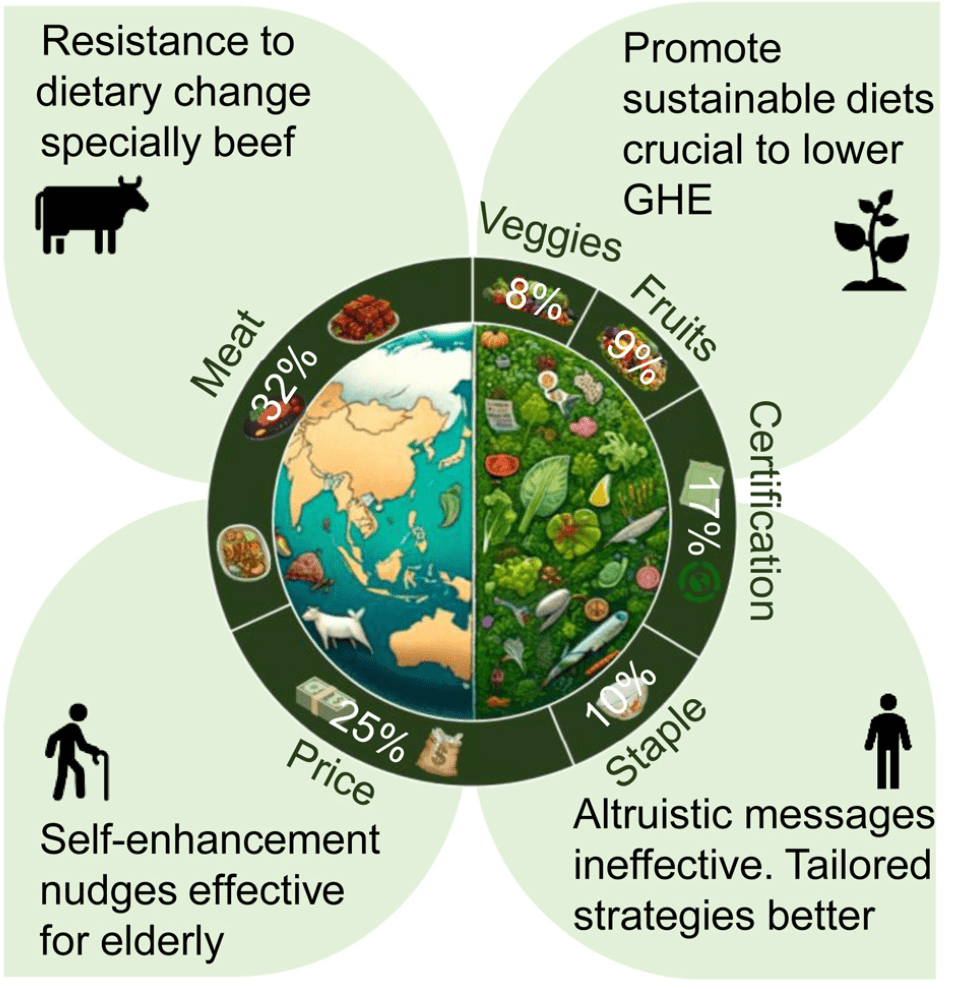
The impact of Veganuary on consumer behavior is evident, particularly in Germany. New data published this January revealed that during the last two campaigns, meat sales declined by 12.5% in January 2024 and 14.3% in January 2023 compared to the annual average. This significant reduction in meat consumption highlights the tangible influence of Veganuary on consumer choices, encouraging more people to opt for plant-based alternatives.
Join the Movement
Veganuary 2025 has shown that the shift towards plant-based eating is not just a trend but a growing global movement. By choosing plant-based options, we can make a positive impact on our health, the environment, and animal welfare. Whether you’re a seasoned vegan or just starting to explore plant-based eating, there’s never been a better time to join the movement.
So, are you ready to make the difference?
Thank you for reading! Please sign up for my blog crisbiecoach so you don’t miss out on any posts and also for Wise&Shine an incredible online magazine!








 Crisbie Coach