How To Cope With the Fatigue Caused by the Covid-19

For about a year, we have been facing a health crisis that does not give us a break and actually begins to cause psychological effects.

If you feel tired and have little energy to do things, know that you are not alone.

Fatigue is one of the most common consequences of this pandemic. We are exhausted for several reasons. The disease directly causes one of them. Obviously, if you had the Covid, you have been more tired afterwards; it takes some time to recover from it and to get back into shape.

The World Health Organization (WHO) has defined “pandemic fatigue” the fatigue resulting from always being super attentive to the precautionary measures that we must comply with in order not to catch the virus.

More and more people suffer from nervousness, anxiety and feel pushed to the limit of their ability to bear the situation.

This state of hyper vigilance with Covid represents a constant strain of our hormonal and endocrine system which results in greater anxiety and, sometimes might turn into depression.

The economic situation and the uncertainty about the future we are living now are working our nerves out.

Photo by RD LH on Pixabay

In addition, you have to consider the deprivation of liberty caused by the lockdown.

Knowing that we are vulnerable to pandemic fatigue, we must put into practice measures that help us regain some well-being.

Here are 3 ideas that may help you out:

  1. Normalize what you feel. It is normal for you to feel stressed or sad. These last months are even harder because we are in winter and we do not see the way out (during the 1st wave we had summer ahead).
  2. Your well-being must become your priority. Just as you pay attention to wearing a mask, respecting safety distances and washing often your hands, you must take care of your well-being. Try to eat healthy, practise physical activity even at home, and talk to friends or beloved ones even if you cannot do it in person. If the rules in force allow it, go out, especially when it is sunny. Vitamin D is good not only for the body but also for the spirit. Find a hobby, or if you had one before, start doing it again.
  3. Give your mind a break. Stop listening to the latest news on Covid. Take a break from the news. Give yourself permission to disconnect. If you miss the latest update on the contagion data, nothing will happen. When you talk to someone, try to avoid the Covid topic. It is not a matter of pretending nothing has happened, but simply of avoiding further fatigue.

Let me know which tips you find more useful!

Photo by Ivabalk on Pixabay

5 Steps To Be Healthy During the Winter

Winter, which is about to come, looks like a difficult season due to the cold temperatures that bring with it diseases such as colds, coughs, flu and this year Covid also. To protect yourself adequately, it is necessary to strengthen your immune system.

Here are 5 essential things to do for an efficient immunity.

  1. Healthy and balanced nutrition. Proper nutrition provides the energy needed to stay fit and to produce antibodies. You will therefore have to be careful to consume seasonal fruit and vegetables, limiting industrial and over-sweetened products. The ideal is to prepare your own meals, limiting sodas, pastries and alcoholic beverages because they can hinder the immune system. Some vegetables, such as mushrooms (like shiitaki), garlic, onion, shallot, and ginger have antibacterial properties. To stimulate our immune defences, you must also include fats in your diet, favouring mono-saturated or poly-saturated fats (fish such as sardines or mackerel and vegetable oils such as extra-virgin olive oil). It is highly recommended avoiding saturated fats like butter and whole milk. It would also be important to take a probiotic cure to strengthen our intestines. Perhaps you know that 70% of our immune system is in our intestines and probiotics strengthen the intestinal mucosa, especially in winter or if you have a serious or chronic illness. These micro-organisms are found in yoghurt and fermented milk. Another important part of winter nutrition are elements like zinc and selenium, which also contribute to stimulating the immune system and are found in foods rich in proteins such as crustaceans, egg yolk, poultry and the cheese.
  2. Vitamins. Vitamin A is a precious ally of immunity because it stimulates the production of antibodies. Products of animal origin such as meat, fish, whole milk and milk products in general are rich in vitamin A. Vitamin C, found in fruits and vegetables, helps the formation of immune cells. Vitamin E is naturally present in sunflower seeds and vegetable oils. It has to be an important part in the nutrition of elderly people because it compensates for the loss of immune defences due to ageing. As for vitamin D, its effectiveness is proven in the regulation of immunity. It also acts to counter the development of some autoimmune diseases such as multiple sclerosis. The main source of vitamin D is the sunlight. If you live in Belgium like me, or in another country in the Northern hemisphere, where the sun is scarce during the winter, taking supplement of vitamin D is recommended, especially if you are a woman in menopause or a person of a certain age. It is true that you can also find it in fatty fish, but in small quantities.
  3. The quality of sleep. Sleep disorders affect many people. The benefits of a pleasant night are well known. Stress and toxin are eliminated, tissues are repaired, cells are regenerated and you wake up in a good mood. A good sleep, in addition to having these effects, also strengthens your immune system and protects you from infections. To be well rested, you need to get enough sleep, between 6 and 8 hours. If you are having trouble falling asleep, have a ritual to clear your mind, avoid drinking coffee, overeating, and drinking too much alcohol in the evening. To prepare for a quiet night, remove from your room all the elements that stimulate your attention too much and emit blue light (TV, mobile phone, computer). Practising a relaxing activity such as meditation and reading before sleeping, may help you in falling asleep. An herbal tea before going to bed may also help you.
  4. Exposure to light. Light has an impact on the regulation of the biological clock. The lack of light, or the wrong light (artificial light, the blue light from the LED screens I mentioned earlier, night work shifts, or too rich diets), could have consequences on sleep and the immune system. To regulate your biological clock, try to get maximum exposure to sunlight, letting it into your home and workplace. In case of major disorders, you can buy a light therapy lamp that simulates sunlight in intensity and light spectrum. You can find them in every price range.
  5. Finally, physical activity. Regular physical activity has a direct effect on immunity. By improving blood circulation, exercise allows the different components of the immune system to spread better in the body. In older people, it helps prevent the decline of immune functions. But be careful not to practise too intensely as this could have a counterproductive effect. It is quite easy to practice good habits to get some physical activity on a daily basis. For example, you can take the stairs instead of taking the elevator or you can walk 30 minutes a day. If you want to go to the gym (a bit difficult in these Covid times), take it easy and listen to the advice of your coach or use an app.

So, are you ready to face the winter?

Photo by Okan Caliskan on Pixabay

Why Admiring Artworks Is Good For the Morale.

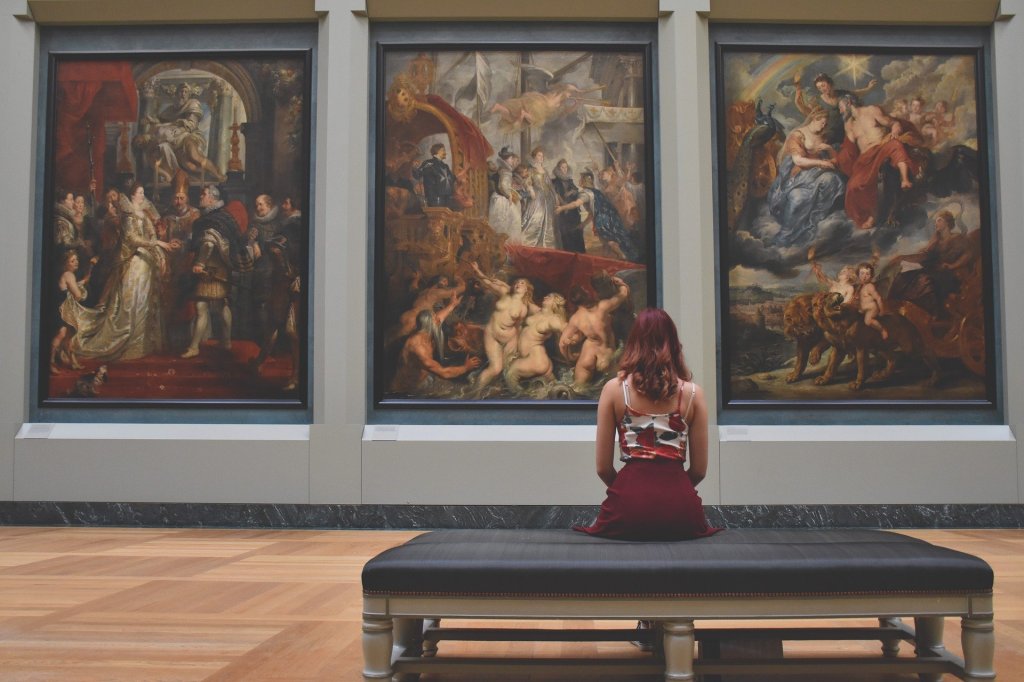
During the Second World War, the director of the National Gallery of London, Kenneth Clark, while reading the newspaper found out an article addressed to him. It was a letter from a reader who asked him if he could you reopen the doors of the museum that has been closed because of the German bombing.

Obviously, it would be very dangerous for the artworks but the director is impressed by this request. “It is precisely because of the war that we need to see beautiful things,” thinks the director.

How to do? The National Gallery, like other museums, has emptied their exhibition halls. Then all the artworks were put in an abandoned mine in Wales. This precaution proved to be effective because nine bombs have fallen on the National Gallery building since 1940. Because of that danger, the museum obviously cannot be reopened.

Photo by Lori Leidig on Pixabay

But Londoners need consolation and Kenneth Clark makes an unprecedented decision: he made arrive an artwork secretly every month. This operation is carried out following maximum security criteria, so that the “picture of the month” does not risk anything. Two assistants remain in proximity and at the slightest warning signal they are ready to evacuate the artwork. Every night, the artwork is placed in an underground secured room.

Much to Clark’s amazement, the public shows up at the monthly appointment and this initiative lasts until the end of the war. Paintings by Titian, Velázquez, Renoir, and many more, go back and forth to warm up the soul of Londoners. As the author of the letter says, “it’s risky, but worth!”

Do you agree that artworks are good for the morale?

Photo by Pexels on Pixabay

How Has The Curfew Changed Your Habits?

When I hear about curfews, dark times come to my mind, times of war. Actually we have been fighting a war against Covid since March this year. There are no bombs, we don’t have to be evacuated, we can eat every day because there are enough food supplies. But the curfew has changed our habits, most probably also those related to meal times.

From North to South of Europe we eat at different times. Soon in the north, later in the south. Maybe you are invited to dinner by someone and the curfew forces you to eat earlier because then you have to go home. Or you eat later because you finish work late and don’t have time to buy something for dinner, or to stop by in a restaurant. The restaurants are closed, they only offer take-away service and you must go back home within the time set by the curfew.

A friend from Paris, before the city was put into total lockdown, had to return home by 9 p.m. We know that Paris is a big city and people often use public transport, which is very efficient. To be home by 9 p.m., she had to take the subway by 8:30 pm at the latest and therefore she was eating later than her previous habits. And she began to sleep badly.

If you make an appointment before the curfew begins, you may feel stressed out because you will have to rush to get home on time. Perhaps it would be better to stay at home and respect the government’s directions and limit our social contacts. But sometimes you want to be out for a while, to meet some friends.

The effects of the curfew are not only on your social life, but also on your health as a result of adapting to a new pace of life and changing your routine.

Photo by Jan Vašek on Pixabay

The new schedule imposed by the curfew may have advantages, for example, you stop working earlier, go home earlier and have dinner earlier. For example, you arrive home at 7 p.m., have dinner between 8 p.m. and 8.30 p.m., go to bed around 11 p.m. and get up at 7 a.m. the next day.

This would be optimal for your health. Indeed, you would better synchronize with your internal, external environmental and external social biological clocks (time).

Internal time is what marks your endogenous rhythm, which helps you sleep at night, stay awake during the day and eat at the right time for you.

External environmental time is determined by the alternation of the phases of light and dark generated by the solar cycle.

External social time can alter these balances. If your working schedule, lunch, dinner and leisure are not suitable to your biological type (chronotype) you could enter a phase of temporal disruption that may cause several health problems, like insomnia.

Our ancestors got up with the light and went to sleep with the dark. This rhythm allowed for adequate production of melatonin (the hormone that regulates sleep), which allowed for a perfect balance between internal time and external time.

The habit of eating around 9:30 p.m. or even later goes against these natural cycles and makes it more difficult to rest well. A large dinner ending around midnight could cause difficult digestion at a time when the body should be resting instead.

It is therefore recommended to finish dinner at least two hours before going to bed to avoid poor quality sleep and an awakening marked by fatigue, irritability and low cognitive performance.

If you follow the biological rhythm of your body, you will have a big improvement in your overall health!

Do you think the curfew has made you change some of your habits?

Photo by Daria Yakovleva on Pixabay
Icona di Verificata con community


6 Less Known Benefits of Ginger

Ginger is a flowering plant that originated in Southeast Asia. It’s among the healthiest (and most delicious) spices on the planet.

The rhizome (underground part of the stem) is the part commonly used as a spice. It’s often called ginger root or, simply, ginger.

Ginger can be used fresh, dried, powdered, or as an oil or juice or in infusion. It’s a very common ingredient in recipes. It’s sometimes added to processed foods and cosmetics.

The unique fragrance and flavour of ginger come from its natural oils, the most important of which is gingerol.

Gingerol is the main bioactive compound in ginger. It’s responsible for much of ginger’s medicinal properties.

Gingerol has powerful anti-inflammatory and antioxidant effects, according to research. For instance, it may help reduce oxidative stress, which is the result of having an excess amount of free radicals in the body.

Ginger has a very long history of use in various forms of traditional and alternative medicine. One well known benefits of ginger is the hot infusion with lemon and honey used to treat the flu and cold.

But there are less known benefits of ginger.

Let’s see them.

1. It can treat many forms of nausea, especially morning sickness

Ginger appears to be highly effective against nausea.

It may help relieve nausea and vomiting for people undergoing certain types of surgery, and also for chemotherapy-related nausea.

It may be also effective when it comes to pregnancy-related nausea, such as morning sickness.

Although ginger is considered safe, talk to your doctor before taking it if you’re pregnant.

2. It may help with weight loss

Ginger may play a role in weight loss and in achieving your BMI (Body Mass Index).

It appears that its ability to influence weight loss may be related to certain mechanisms, such as its potential to help increase the number of calories burned.

3. It can help with osteoarthritis

Osteoarthritis (OA) is a common health problem.

It involves degeneration of the joints in the body, leading to joint pain and stiffness.

Researches have found that a combination of topical ginger, cinnamon, and sesame oil can help reduce pain and stiffness in people with OA.

4. It may lower blood sugars

This area of research is relatively new, but ginger may have powerful anti-diabetic properties (not all types of diabetes though).

The results are incredibly impressive, but they need to be confirmed in larger studies before any recommendations can be made.

Therefore, consult your doctor before using large amount of ginger.

5. It can help treat chronic indigestion

Chronic indigestion is characterized by recurrent pain and discomfort in the upper part of the stomach.

It’s believed that delayed emptying of the stomach is a major driver of indigestion. Interestingly, ginger has been shown to speed up emptying of the stomach.

6. It may reduce menstrual pain

Dysmenorrhea is the scientific name given to pain felt during the menstrual cycle.

One of the traditional uses of ginger is for pain relief, therefore menstrual pain is included.

To conclude

Ginger is loaded with nutrients and bioactive compounds that have powerful benefits for your body.

It’s one of the very few superfoods actually worthy of that name.

I like candied ginger and also infusions with lemon and honey to help recovery from flu or cold, as said at the beginning.

Now that end of the year holidays are approaching, you may want to try the Pepparkakor, ginger biscuits typical of Scandinavia that are absolutely delicious!.

What about you? Have you ever tried ginger?

Photo by Congerdesign on Pixabay

The Magic of Synchronicity

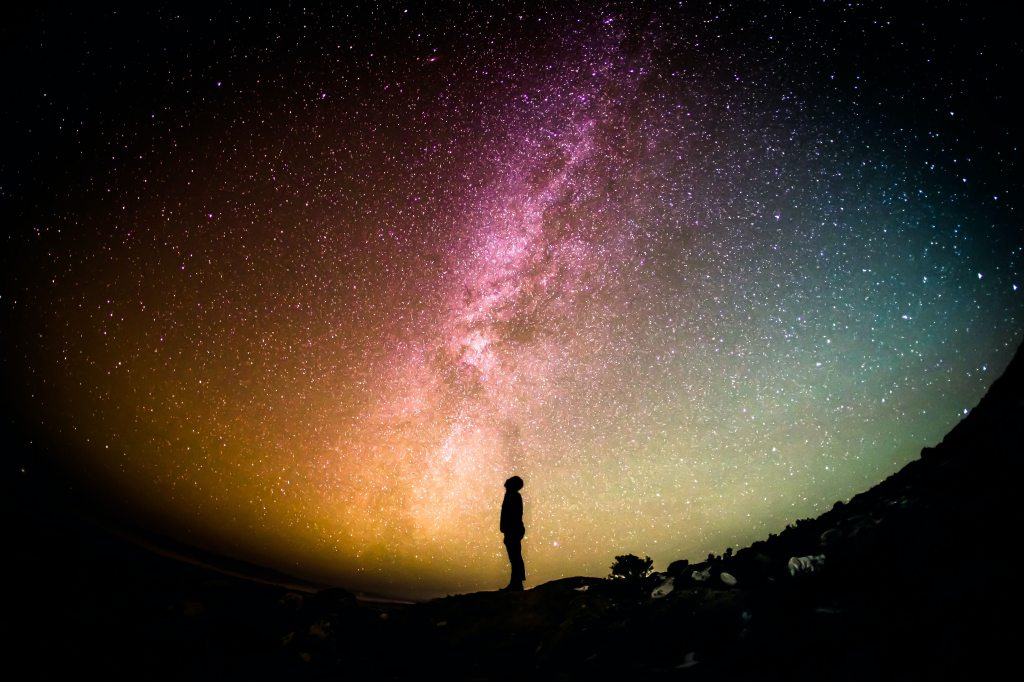
You miss the train and on the quay you meet the love of your life. You receive money in the exact moment you need it: this is the magic of synchronicity; they are coincidences that sometimes leave you speechless and let you see a new path.

What Is Synchronicity?

Psychiatrist Carl Gustav Jung brought us the term “synchronicity,” which literally means “falling together in time.” Synchronicity describes the surprise that occurs when a thought in the mind is mirrored by an external event to which it has no apparent causal connection.

Read this story told by Jung to understand what synchronicity is about.

A young woman of high education and serious demeanour entered Jung’s office. Jung could see that her quest for psychological change was doomed unless he was able to succeed in softening her rationalist shell with “a somewhat more human understanding.” He needed the magic of coincidence. He asked for it, searched his surroundings for it. He remained attentive to the young woman, while hoping something unexpected and irrational would turn up. 

As she described a golden scarab—a costly piece of jewellery—she had received in a dream the night before, he heard a tapping on the window. He looked and saw a gold-green glint. Jung opened the window to coincidence. He plucked the scarab beetle out of the air. The beetle, closely resembling to the golden scarab, was just what he needed—or just what she needed. “Here is your scarab,” he said to the woman, as he handed her a link between her dreams and the real world.

A synchronic event goes beyond mere coincidence because it has a transforming power, which marks a before and after in your personal history.

In order to notice synchronicity, you need to develop attention and spirit of observation.

If you begin to notice with curiosity what happens to you during the day, your everyday life would become a joyful space of possibility and opportunity.

Hidden or obvious, these ephemeral messages are so precious that they deserve our full attention. You will see that then, the more you notice these significant coincidences, the more they multiply and will help you get out of your routine. Moreover, you will be headed for something new. By changing your perspective, you will also be able to make your reality move.

Try one of these games and see what feelings you get.

Here is the first one that is called Bibliomancy.

  1. Write down a question in a notebook or a sheet.
  2. Pick up your favourite book, or the book that is nearest to you. Note down its title.
  3. Close your eyes, and open up randomly the book.
  4. Before opening your eyes, run your hands along the page and point with one finger at a random line.
  5. Open your eyes and read the sentence or paragraph. Note down the page number and line number.
  6. Consider what implication the passage you pointed to has on the question you posed, and write down some reflections.

Here is another one, that I call “The Sidewalk Observation Game”. Even with this game you can get an unexpected message by putting you in touch with a symbol or situation.

Start by writing down a question. Walk with your senses in full alert and notice all the details. For example, catch some elements of a conversation between two people you cross during your walk, read an advertisement, look at a graffiti or a newspaper left on a bench. These are signs that can help you find the answer to your question.

Even slips or dysgraphia can be a clue to explore. For example, I often write massage instead of message. I think I may need to get a massage …

These tips come to you so that you can open doors and not close them. They offer you the opportunity to enjoy meaningful experiences with enthusiasm and enjoyment and to abandon the plans established by your ego.

In this way, you have the opportunity to connect to the collective unconscious because you adhere to positive and non-blocking beliefs. The more you pay attention to synchronicity, the more your neurological and emotional circuits are positively stimulated and they create new behavioural patterns, installs beneficial habits that connect you with the consciousness of the universe.

Photo by Greg Rakozy

The time of synchronicity

As the Greek root of this word shows, synchronicity refers to time (syn means meeting and chronos means time). The ancient Greeks conceived synchronicity in three distinct ways: the chronos, which corresponds to a linear flow; the aion, or the endless cycles; the kairos, that is the right moment to act.

In the Greek mythology there is the winged god Kairos. When Kairos passes by there are three possibilities:

  1. You don’t see him;
  2. You see him but you do nothing;
  3. In the moment he passes by you give him your hand to grasp the chance he is offering you.

In practice, synchronicity is telling you carpe diem, namely seize the moment.

What do you do when Kairos passes by next to you ?

Photo by Alex Plesovkich on Unsplash

How and Why Fighting Your Stress Is Important

I’m sure you use the word stress often throughout your day.

We all feel a little stressed due to the multiple commitments we have, pending deadlines, and lack of time to dedicate to ourselves.

The common denominator of all forms of stress is a feeling of malaise, fatigue, irritability that makes us more fragile with illness and less tolerant of others and of daily problems.

Actually stress is an adaptive response that has allowed our species to survive throughout its evolution.

Hans Seyle, the first theorist of stress, conceived it as an adaptive response that the body puts into force to overcome all the situations that its alarm systems deem dangerous.

The stress reaction is indeed characterized by the secretion of hormones such as cortisol and adrenaline which make the muscles stronger and the person more reactive. In this sense, stress has a value that is not only positive but also necessary for the survival of the species.

Primitive men had to face dangers that were of a short duration. While they were hunting, for example, they might encounter an animal and had to decide whether to run away or face it (have you ever heard of the “fight or flight” response?), but once they made up their mind and acted accordingly, they had plenty of time to recover.

Photo by Crawford Jolly on Unsplash

In the contemporary age, we too have this type of reaction when facing what, on a conscious or unconscious level, we perceive as dangerous (stressor). But today’s stressors are definitely different from those our ancestors faced. Modern stressors are psychosocial and no longer physical. It’s about the work environment, social relationships, financial worries, the huge amount of commitments we have and the limited time to complete them. Above all, these stressors are not momentary but can persist for a long time and consequently we need more time to recover.

Look at these signs that may indicate that stress is becoming a threat to your health:

  1. Discomfort with sounds and lights
  2. Muscle pains, contractures and cramps
  3. Headache
  4. Sleeping Disorders
  5. Cardiac arrhythmia
  6. Hypertension
  7. Digestive difficulties
  8. Anxiety
  9. Depression
  10. Irritability
  11. General fatigue

What can you do concretely to combat stress, when the conditions in which you find yourself do not allow you to avoid it?

Physical activity, especially aerobic, such as brisk walking, swimming and cycling, is undoubtedly one of the best remedies for stress.

Breathing control, like getting used to using the diaphragm and slowing the respiratory rate, is another useful tool against stress.

Other activities may be: yoga, tai chi and meditation. In recent years, mindfulness has become popular. Mindfulness, by increasing the level of personal awareness, carries out an anti-stress action.

Obviously, a good massage that helps you increase the level of oxytocin, a hormone capable of counteracting cortisol, is certainly effective.

As regards food supplement, magnesium is the anti-stress mineral for excellence, also because we are chronically deficient. Remember that a supplement is such because it must be complementary to a healthy diet. Therefore, remember to eat well!

What about you? What are the solutions you adopt to fight your stress?

Photo by Sharon Wright on Unsplash

Why nostalgia is important

Nostalgia is a shield against existential challenges. Evoking positive experiences and feelings from the past can help you cope better with the present and the future.

Nostalgia is a rear view mirror that reflects a particular feeling of a time or place or an emotion that happened in the past. It could be the memory of your first love, a yellowed photograph found by chance, or an object that reminds you of something. The Internet can help make you nostalgic. With one click you can find, for example, the soundtrack of a pleasant moment you lived.

Photo by Laura Fuhrman on Unsplash

Today, experts tell us that nostalgia is a complex emotion, above all, but not always, positive, which can give you greater sensitivity and can help you understand the present.

The word nostalgia was invented in 1680 by a student (Johannes Hofer) from the University of Basel who combined the Greek word nóstos (homecoming) and algia (suffering). He described it as the pain that the Swiss soldiers felt in battle and that they wanted to go home.

Current studies distinguish nostalgia from melancholy because it has a stimulating effect and does not cause symptoms of illness, rather it tries to fight them.

Could it be said that nostalgia is a source of resilience and wellbeing?

Researchers from the University of Southampton (UK) have observed that nostalgia is a vital component of mental health that motivates us and increases our self-esteem.

Nostalgia also represents a reservoir of emotions that you can consciously access and which you unconsciously use in your daily life to reinforce the feelings of your past that help you cope with the present and the future.

But remember that the past can be recalled but cannot come back. Nostalgia does not give you back what you have lost but it helps you to better manage the life you are living.

Do you think nostalgia helps you with managing your life?

Photo by Alexander Schimmeck on Unsplash

Stop Using The Car Now

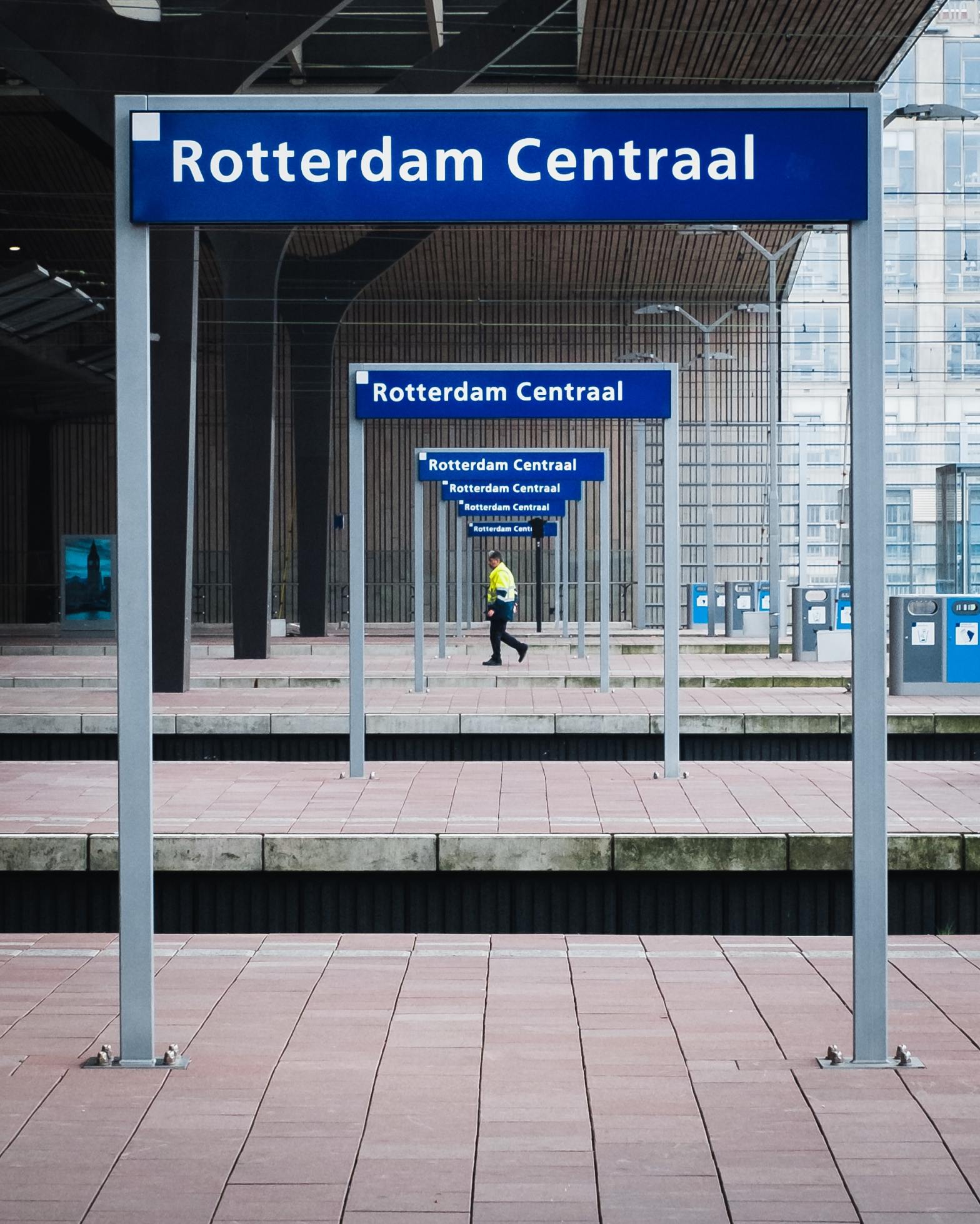
2009, The Netherlands. Some inhabitants of one Rotterdam’s neighbourhood receive a strange email: they have been watched while driving and are asked of not doing it any longer. Is it a threat or blackmail?

Absolutely not! The message comes for Rotterdam City and the company managing the highway that are allied to reduce traffic jams that has been polluting the cities day after day.

Wouldn’t it be easier to build bigger highways or built new ones?

Here comes the “Braess Paradox . According to this theory, increasing the road capacity to reduce traffic jams would make the situation worse.

Actually, with a new road, people who have given up to the car before, would go back and use the car again. In addition, those who were avoiding using the car during the rush hours would try to do it again.

Photo by Iwona Castiello D’Antonio on Unsplash

However, by eliminating roads, the journey time can be reduced, because some motorists will be inclined to abandon the car. This is the paradox.

Rotterdam City tries also another thing: the positive toll, also known as the reverse toll.

What is it? If the citizens leave the car into their garage during the rush hours, they will receive a small amount of money. Of course, they will receive also a device to control if they indeed have left the car into the garage.

It works! In a couple of years, the volunteers applying to that scheme increase and traffic jams decrease. Also when the money stop, people keep up with their good habit. Rotterdam starts to better breath.

Would you stop using your car in exchange of some money?