How to Deal with Eco-anxiety

Eco-anxiety or climate anxiety can be defined as the stress that some people feel due to environmental events even though they have not had to deal with them (yet).

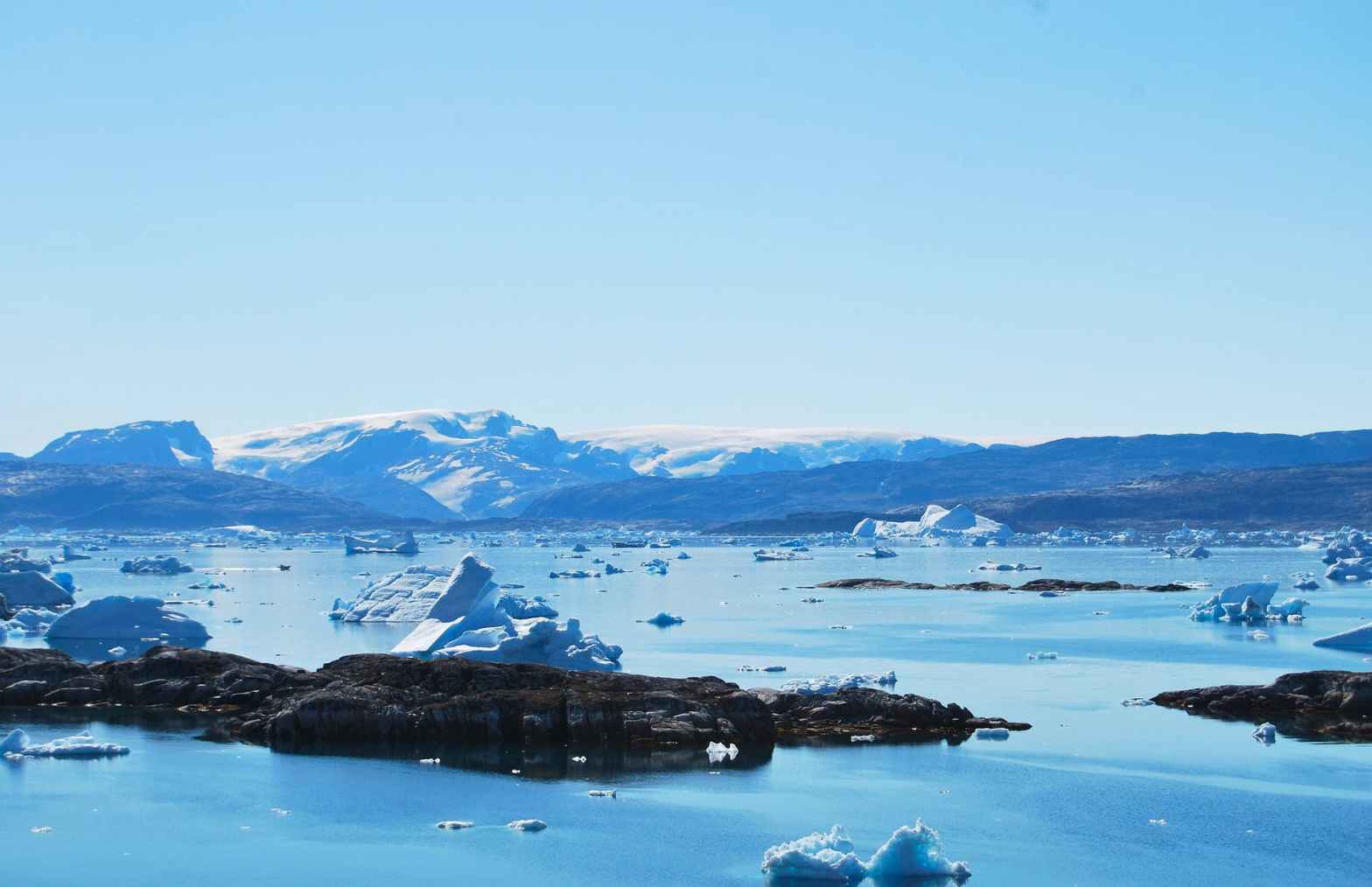
Melting glaciers, fires that more and more often happen worldwide, unbelievable heat waves, just to mention some major events, could really cause eco-anxiety.

The dire effects of climate change are hard to miss, and they instil fear in many people who are worried about the future of the Earth and obviously of the human kind.

If these fears sound familiar to you, you are not the only one.

A recent survey, conducted by The Harris Poll on behalf of the American Psychological Association (APA), found that over two-thirds of respondents suffer at least some “eco-anxiety” and more than a quarter perceive stress.

Respondents between the ages of 18 and 34, who are likely thinking about what the meaning to inherit the Earth on the brink of environmental collapse, were more likely to say they were concerned about climate change, and actually nearly half said the anxiety affects their life every day.

The online survey, which involved 2,017 adults in the United States, covered ecological anxiety and changing habits to reduce the impact on the climate.

The survey results were weighted to reflect the national adult population, taking into account factors such as age, sex, education, region, family income, and ethnicity. 60% of respondents said they had made changes to their behaviour.

The most popular, adopted by over three-quarters of participants, included reducing waste through reuse and recycling of items. In addition to improving the insulation of your home, limiting the use of services such as water, heat and electricity and consuming less in general.

Not all respondents, however, could change daily transport or eating habits. Only two-thirds said they had or would do things like carpool, walk, cycle, eat less red meat, or become vegetarians or vegans.

People who suffered from ecological anxiety were much more likely to feel motivated to change their behaviour than those who didn’t.

While climate change anxiety may seem demoralizing, there are practical ways to manage this stress. It is especially important to gain control because anxiety can increase psychological distress.

woman sitting on wooden planks
Photo by Keenan Constance on Pexels.com

Here are 4 tips on how to deal with eco-anxiety:

Finding concrete ways to make a difference

The APA survey found out that half of adults did not know where to start to combat climate change. While it is true that governments and the private sector have the power to make the most radical changes, every citizen can change their habits. Eating less red meat, for example, can reduce carbon emissions. Participating in strikes and protests, such as those held by Greta Thunberg’s Fridays for Future, draws attention to the issue and helps get others to act. Asking local politicians to do more on climate change is also a good rule of thumb.

Re-framing negative thoughts

Overall, research shows that re-framing negative thoughts can help relieve stress, anxiety, and depression. If apocalyptic thoughts keep creeping into your mind, or even prevent you from making plans, it can be helpful to focus your attention on the present.

Addressing all the stressors

It is important to think about climate change-related stress as part of overall mental health. You may also experience financial, relationship, professional or physical stress, which can alter feelings about climate change and vice versa. It is essential to analyse the other stressors as well and, if necessary, seek the help of a professional, like a coach or a psychologist.

Building your resilience

Greater resilience can help resist eco-anxiety. You could increase your resilience by developing a close network of friends and family. Strong social and emotional support is linked to well-being, material aid during times of adversity, and lower rates of psychological distress following a disaster.

Do you think you suffer from eco-anxiety?

art abstract typography business
Photo by Ann H on Pexels.com

The Importance of Trees in Cities

The importance of trees in cities, but not only, is also evident from the final declaration of the recent G20 summit in Rome which reads: “Recognizing the urgency to combat soil degradation and create new carbon sinks, we share the ambitious goal of planting 1,000 billion trees collectively, focusing on the most degraded ecosystems on the planet “.
“We urge other countries to join forces with the G20 to achieve this global goal by 2030, including through climate projects, with the involvement of the private sector and civil society”.

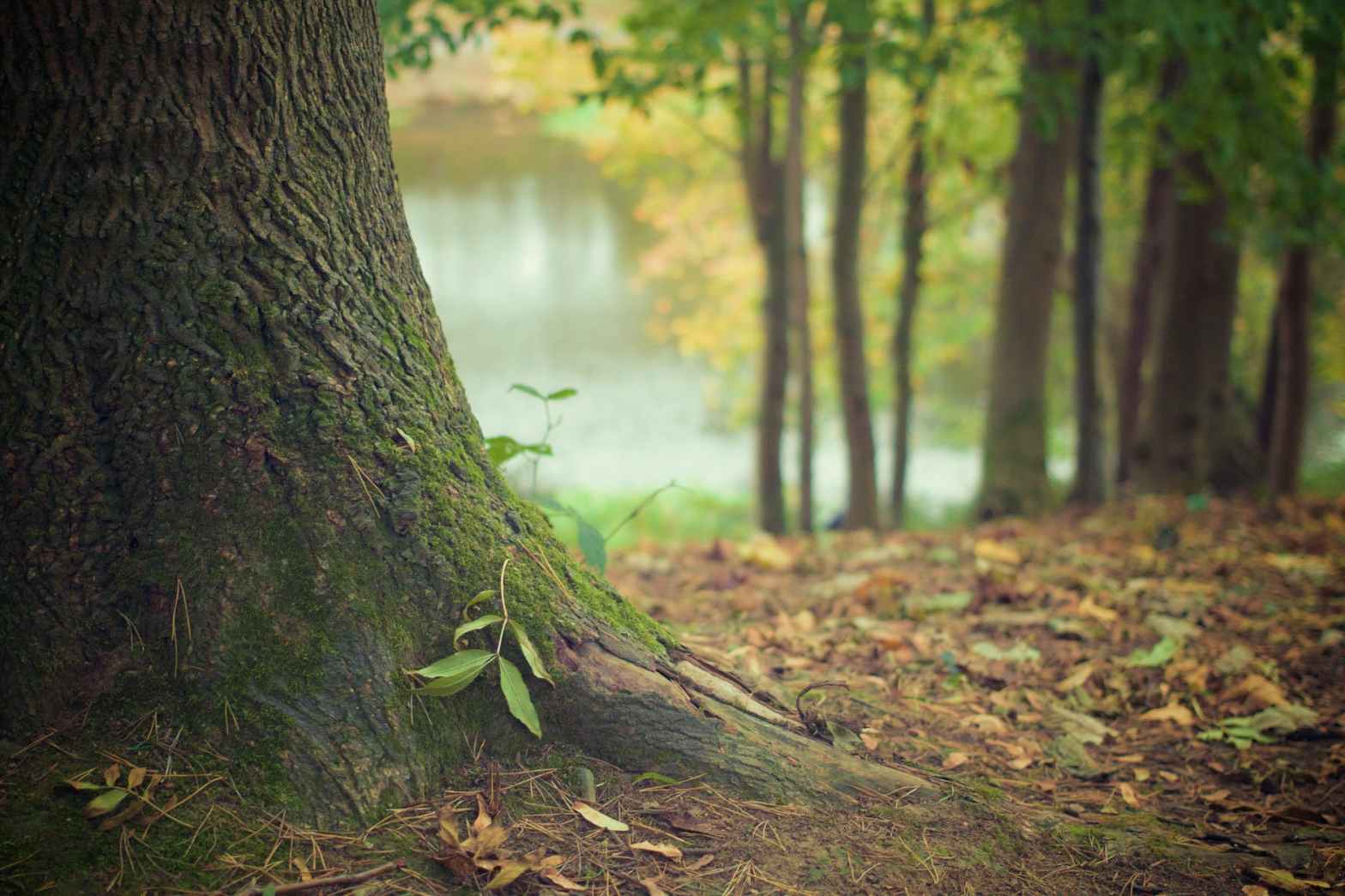
The importance of trees in cities does not have to be demonstrated. Natural filters, trees absorb carbon dioxide and other pollutants to return oxygen and naturally cool the air during hot summer days.

In addition, they also offer shelter to small animals, birds build their nests there and with their roots, trees carry out a flood protection action by helping the soil drainage.

Last year a local television crew from Brussels stopped me on the street to interview me about something that had happened where I live. A man had cut branches from a tree, obviously without having the right because it is the municipality that is in charge of cutting trees’ branches regularly.

Therefore, they asked me what my opinion was about it. My comment was negative. How could a citizen dare to cut branches from a tree that belongs to the whole community? Trees are our friends; they do a very important and priceless job for all of us. Maybe I exaggerate a little, because I also think they give me positive energy and when I walk in the forest, I do not miss the opportunity to hug some trees.

I am happy to see that more and more city administrations are moving towards the organization of events in honour of our friends, the trees of course, which are good not only for the environment but also for the health and psychological well-being of each of us.

What about you? Do you love trees? Do you also find that they perform a fundamental function for us all?

house covered with red flowering plant
Photo by Lisa on Pexels.com

Why Cultivating a Garden or a Vegetable Garden Is Good for Your Health

Plants improve the air we breathe and can be a place to grow vegetables. Therefore, green spaces have been increasing recently in urban spaces thanks to the creation of rooftop gardens.

For those who live in the city, the importance of having a green space close to home has become necessary during the lockdown due to Covid. From London to New York, parks and public gardens have always offered a precious refuge in the asphalt jungle of the streets, shops and offices that make up the typical urban landscape. But apart from these oases of peace, there is not much room left to become “greener”, which is why we are witnessing the development of rooftop gardens.

From improving physical and mental health to bringing communities closer passing by fighting pollution, the creation of green spaces at the top of the buildings can be truly seductive.

low angle photo of four high rise curtain wall buildings under white clouds and blue sky
Photo by Philipp Birmes on Pexels.com

Here are some benefits you can get from growing a rooftop garden.

They help purify the air

All cities in the world face the same challenge: maintaining quality of life despite the high pollution rate and rising CO2 concentrations. For this reason, planting trees or shrubs on the roofs can be useful to exchange carbon dioxide for pure oxygen. In addition, roof gardens can also improve the insulation of the building, reducing heat loss in winter and maintaining a cooler temperature in summer. In this way, besides making a gift of oxygen to the environment, you will lower the consumption of electricity and heating, paying less expensive bills.

They offer shelter to wildlife

Loss of natural habitat is a threat to wild animals in general.

A roof garden can quickly become a refuge for bees, butterflies and birds, where they can rest and nest, thus keeping the pollination cycle active, which is essential for human nutrition.

They allow you to grow your own vegetables

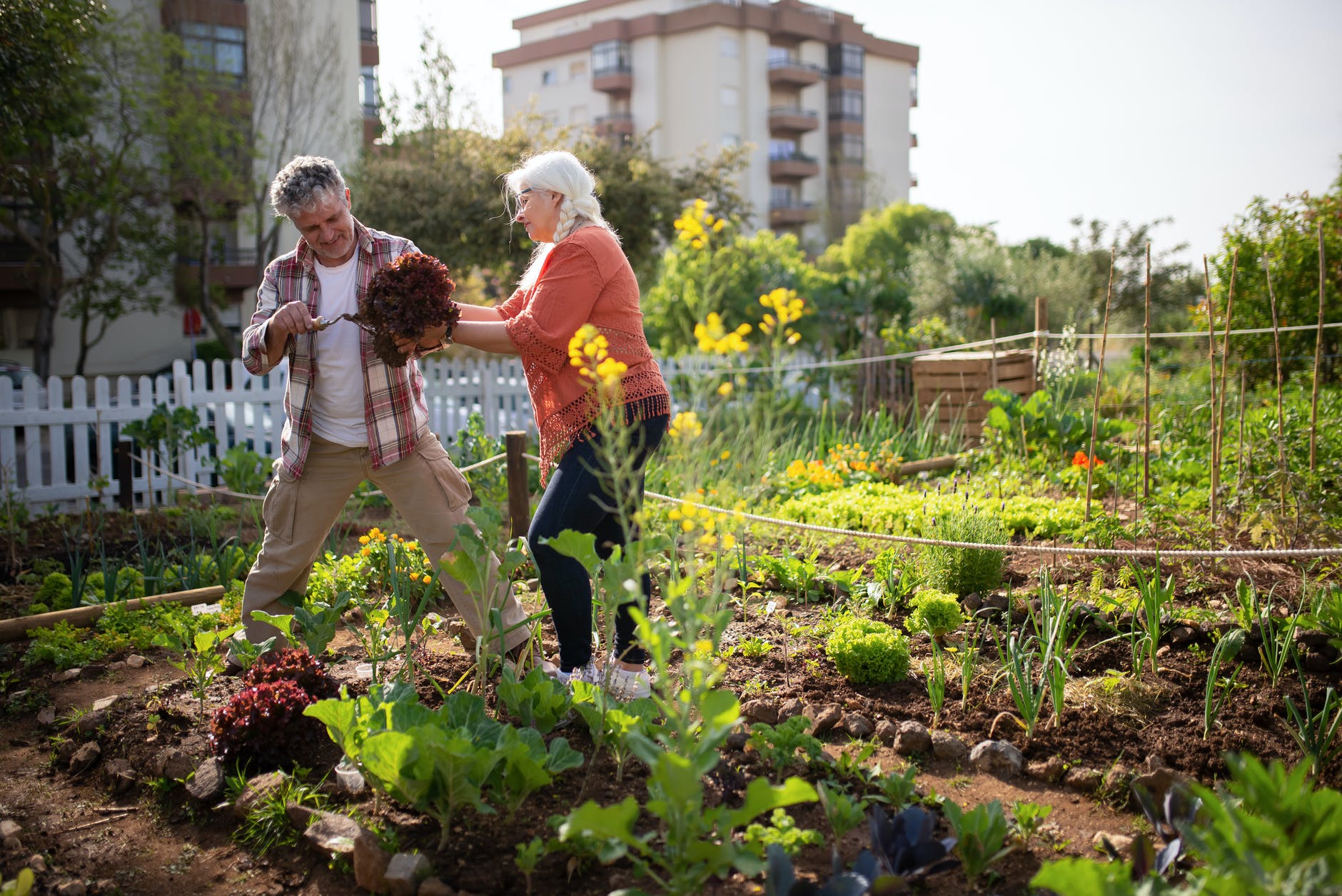
Tomatoes, courgettes, peas and strawberries, all organic. The fact of sowing and growing your own vegetables is an incredibly rewarding activity that allows you not only to save money but also to eat healthier.

They inspire engaging actions for communities

Why not thinking about involving the primary school close to home by inviting children to discover your garden or vegetable garden? You will be surprised to see the enthusiasm of the little boys and girls. Gardening is a real contribution to integration into the local community. Where I live in Brussels there is an association called Parck Farm that has taken over a greenhouse and created a botanical garden. In addition, it offers small plots of land to cultivate. We share the land together with Belgians of several origins, Poles, Portuguese, … The association also offers the possibility of organising team building activities there. Participants can help members of associations to remove weeds, collect garden products, prepare the soil for winter. Educational activities for boys and girls are regularly scheduled to make them discover the wonders of flowers and plants. Workshops for the preparation of creams and syrups are other events organized by the association to promote integration among the inhabitants of the neighbourhood.

They improve physical and mental health

We all know that spending time in nature revitalises the body, spirit and soul. This practice is known as shinrin-yoku (forest bath) in Japan and has been validated by scientific research. In 2019, a study revealed that spending at least 120 minutes a week (the equivalent of about 17 minutes a day) in nature can have a significant impact on our health and general well-being. Other research has established a link between regularly visiting green spaces, improving sleep and decreasing negative thoughts.

Do you think that those benefits are a good reason to launch yourself into the cultivation of a green space?

a couple in a vegetable garden
Photo by Kampus Production on Pexels.com

How Our Idea of Life in the City Has Changed During the Pandemic

Covid has radically changed our way of life in the city. Consequently, also our relationship with the city has changed.

If you were willing to pay more for a down-town rent or to buy a small apartment to live in the city, would you do the same today?

Data on home purchases in Belgium show that people during the pandemic wanted to buy or rent properties in the countryside, where homes are cheaper and bigger. Nature is a source of energy that can help us in difficult times such as those of Covid.

If being able to have a quick aperitif after work, to go out for dinner in the evening without having to travel too many kilometres, or going to the cinema or a concert, justified the fact of living in small apartments, where you are exposed to not always easy coexistence with the neighbours and outside noise and traffic, is this still the case now?

Cities during the pandemic have turned into places to mainly work and sleep. Maybe you started asking yourself, what kind of life is it?

If you were able to go to work during the pandemic, didn’t you have the impression of living in the office? If, on the other hand, you have always worked from remote, don’t you think that you have been experiencing difficulty in finding work-life balance?

With the rules of lockdown even using public transport was a problem, due to the fear of contagion. We started to do shopping close to home.

Photo by Matt Seymour on Unsplash

Staying at home all the time and respecting the rules of lockdown have caused spreading of anxiety in a worrying way. In fact, it has been proven that living in the city makes you feel more isolated, even if the opposite would seem to be true.

For a long time we have been deprived of our need and desire for sociability, our walks have been reduced to the tour of the neighbourhood to fulfil our daily commitment to take 6000 steps or not to forget the challenge of staying healthy despite everything.

Things as common as eating with friends or colleagues, going to the cinema or shopping, have turned into extraordinary things.

Is that why living in the countryside has perhaps become more popular? Would spending less on a house with a garden and nature nearby make you change your mind about living in the city?

Photo by Badiuth on Unsplash

5 Secrets To Sleep Better

We all know someone who complains about not sleeping or sleeping badly. In Europe, about one third of the adult population has difficulty falling asleep and between 10% and 15% suffer from chronic insomnia. I myself have suffered from insomnia for a long time. This is a problem that can have various causes (from the excessive use of digital devices that emit blue light – computers, tablets, TVs, etc. – to biological issues). One of the causes may also be the obsession with sleeping well.

What is this obsession? It is a phenomenon called orthosomnia (from the Greek ortho, “perfect”, and from the Latin somnia, “rest”) and, according to experts, although it is not yet considered a disorder, it is getting increasingly common. It consists in continually recurring thoughts, that I call “circular thoughts”, namely thoughts that enter a vicious circle precisely because they are always the same and recur all the time. The main causes of these thoughts are, guess what, stress and anxiety. Not being able to sleep, your mind does not stop thinking about the same things over and over (hence circular thoughts, i.e. thoughts that come back).

If you suffer from insomnia, even if not severe, it would be good to do a complete sleep study (polysomnography) to find an effective solution. I had this test. I was in a sleep clinic for one night, with electrodes attached all over the body including, of course, the head. I have found that, during my sleeping time, Alpha waves (the brain waves typical of the awaking period) intrude from time to time.

The obvious solution would be to try eliminating or at least reducing stress. I know, it’s not easy. Therefore, I propose that you try the following five tips.

Photo by Alex Basov on Unsplash
  1. Learn to breathe well and deeply by practising a discipline such as Yoga, Pilates or meditation.
  2. Create a relaxing environment. A quiet home is the key to a restful night. If you have trouble falling asleep, keep your bedroom clean and clear of unnecessary items, tidy up the things you have left lying around and you will see that you will have a more peaceful night.
  3. Use essential oils that are particularly suitable for inducing sleep, such as lavender or chamomile.
  4. Create a playlist to help you relax and fall asleep.
  5. Try using Bach Flowers and melatonin. White Chestnut against circular thoughts and Rescue Sleep to help you fall asleep. I used them for several months, then gradually I stopped and now I suffer much less from thoughts that come back and I also sleep much better. At the moment I use only melatonin and I think it is a good solution for my insomnia.

And you, do you suffer from insomnia? Do you have circular thoughts that haunt you? Would you try these tips?

Photo by Cristiana Branchini

Stop Using The Car Now

2009, The Netherlands. Some inhabitants of one Rotterdam’s neighbourhood receive a strange email: they have been watched while driving and are asked of not doing it any longer. Is it a threat or blackmail?

Absolutely not! The message comes for Rotterdam City and the company managing the highway that are allied to reduce traffic jams that has been polluting the cities day after day.

Wouldn’t it be easier to build bigger highways or built new ones?

Here comes the “Braess Paradox . According to this theory, increasing the road capacity to reduce traffic jams would make the situation worse.

Actually, with a new road, people who have given up to the car before, would go back and use the car again. In addition, those who were avoiding using the car during the rush hours would try to do it again.

Photo by Iwona Castiello D’Antonio on Unsplash

However, by eliminating roads, the journey time can be reduced, because some motorists will be inclined to abandon the car. This is the paradox.

Rotterdam City tries also another thing: the positive toll, also known as the reverse toll.

What is it? If the citizens leave the car into their garage during the rush hours, they will receive a small amount of money. Of course, they will receive also a device to control if they indeed have left the car into the garage.

It works! In a couple of years, the volunteers applying to that scheme increase and traffic jams decrease. Also when the money stop, people keep up with their good habit. Rotterdam starts to better breath.

Would you stop using your car in exchange of some money?

Exchange of Things: I Give Something to You, You Give Something to Me

Summer 1959, Moscow. During an official meeting, the head of the Soviet Union, Nikita Khrushchev, drinks a Pepsi Cola. Yes, victory! A member of the meeting discreetly welcomes.

The happy man is a representative of the famous American brand of drinks, Donald Kendall. That evening, Kendall had one goal: to convince the Russians to sell their drink in that immense country.

But Kendall shouted victory too early. If Khrushchev likes Pepsi, we are still in the times of the “cold war”. We don’t really talk about consuming a product from capitalist America!

But a few years later, when relations between the two countries improve, Pepsi tries again. And this time the Russians also see an interest in them because they can sell vodka to the Americans.

The deal can only be done without using the currency: Russia rejects the dollars of the American capitalists and cannot bring out the rubles from the country.

Then we return to the oldest form of exchange: bartering. The Russians authorize Americans to sell their drink on their soil in exchange for selling vodka on American soil.

This Pepsi exchange for vodka has continued for years, but in 1979 the US no longer wants to exchange Pepsi for vodka.

So Pepsi finds an alternative. Instead of regulating trade in vodka, the Russians will be able to pay with their old warships. Pepsi thus resells the old scrap metal to make a good profit.

Photo by Nick Jio on Unsplash

What do you think about it? Have you ever exchanged items with your friends? Would you like to do it, like when you were a child and you exchanged stickers?

Do you know that there are Local Exchange Trading Systems (LETS) where you can trade not only things but also services?

In times of crisis, it would be good to start applying new economic models, like the sharing economy, where individuals can hire out things like their cars, homes and time to others in a peer-to-peer modality. We exchanged our home for vacation for many years through a website called Home Based Holidays, and on the Web you can find many more. No worries about your belongings: they come to you place, but you go to theirs!

Once, at a second hand market I bought a sweater made by a famous French brand for 2 euros. I was astonished and the lady told me: What I don’t like any longer, you may like it.

Actually this is the principle: instead of buying things that we maybe use only once, or we get tired of soon, like children with their toys, we could start exchanging them.

It will be a step towards a more sustainable economy, that will bring us some benefits like reducing negative environmental impacts by decreasing the amount of goods needed to be produced, and cutting down on industry pollution. It will also increase recycling items and grant access to people who can’t afford buying certain types of goods or use them only from time to time.

All this is also in the perspective of the degrowth theory, that will let us go towards strengthening our belonging to our local community.

By the way, I have been using that sweater since then!

Photo by Norwood Themes on Unsplash

The Tour of the World

Some time ago I saw a nice pair of jeans in a shopping centre, which were not even expensive.

However, there was no label indicating its origin, no “made in”. Curios as I am, I decided to start a small investigation, first by asking to the shop owner, who had no idea. Then I pretended to be a member of a consumer association, I listed a whole series of regulations that he has been violating so that he gave me the address of the warehouse where he bought them.

Once home, I called that warehouse, always pretending to be an exponent of a consumer association. They started immediately to tell me the story of the jeans, without any problems, as some journalists have already made an investigation before. First of all, they were made with cotton from Benin. The cotton threads are then dyed in Spain, before being shipped to Taiwan to be woven into several separate pieces (pockets, legs, etc.).

Cottono Flower – Photo by Jan Haerer on Pixabay

The pieces are then sent to Tunisia to be sewn with Japanese polyester threads. The factory also adds buttons, zippers, rivets which are made in Japan with Australian metals.

So the jeans leave Tunisia for a warehouse in France from where they will be sold all over Europe. In short, the jeans traveled about 65,000 kilometres: once and a half the tour of the world.

The production of these jeans is definitely “globalized”: to sell jeans at the lowest possible price, manufactures look for the lowest cost of production at all levels. The manufacturer multiplies the steps to optimize its overall manufacturing cost. Dyeing is less expensive here, buttons are cheaper there, etc.

This causes several problems: the culture of cotton requires a lot of water for countries that do not have much, the working conditions of the workers are very bad, transport consumes a lot of oil and releases greenhouse gases.

At the end the jeans are very expensive for the planet, even if they are sold at an attractive final price for the consumer.

There are so many other examples like this. Danish prawns are cleaned in Morocco and then sent back to Denmark to be marketed. Scottish langoustines leave for Thailand to be decorticated by hand in a large multinational company and return to Scotland where they are cooked and then resold.

But is it worth? Wouldn’t it be better to bring production closer to places of sale, reducing energy and hydrocarbon consumption, finally doing some good to our planet?

What do you think about it?

Photo by Jason Leung on Unsplash