Sustainable Eating: Nourishing Ourselves without Devouring the Planet

Sustainability is a wide and sometimes unclear concept, so in this post, I will focus only on food, and what sustainable eating means.

What is Sustainable Eating?

Sustainable eating, within the framework of sustainable development, emphasizes careful food selection, and respect for seasonality and quality, by incorporating a balanced diet that won’t destroy our planet’s living conditions.

In this regard, FAO has provided international guidelines aimed at reducing environmental impact starting with agriculture and food.

Reducing food waste and supporting local economies is becoming imperative.

Principles of Sustainable Eating

There are three fundamental principles to follow for sustainable eating:

  1. Consume Less: Overexploitation of soil and land leads to an excessive burden on natural rhythms, significantly impacting the environment. And it’s bad for your health.
  2. Minimize Food Waste: Research indicates that approximately 88 million tons of food are wasted yearly.
  3. Reduce Animal Product Consumption: The overproduction of animal-derived foods, coupled with excessive consumption, is associated with increased risks of stroke, cancer, and other diseases. Encouraging a plant-based diet with increased fruit and vegetable intake is key.

Why the implementation of these beneficial recommendations is so difficult? The fundamental issue lies in the vast business of the food industry, focusing on low-cost products to reach wider markets. This often compromises product quality and our health, representing a core challenge of our times.

What Can We Do for Sustainable Eating?

One way to improve one’s diet and be more sustainable is to buy locally, especially from farmers or shops whose practices are known. In this way, we will help them also in increasing their income, which nowadays is very low.

Moreover, to reduce food waste, we could prepare meals for the week, store them properly, and put them in the freezer.

Additionally, going shopping with a list of products to buy for planned recipes, will ensure a full fridge and reduce the risk of waste.

Another tip is to drink tap water instead of purchasing plastic bottled water or you could refill glass bottles at water refill stations.

Suggestions such as eating seasonal produce, avoiding overly processed foods, consuming sustainably caught fish, and eliminating red meat intake all contribute to sustainable eating practices.

However, could everyone adopt this lifestyle?

Not everyone has the financial means to support certain expenses, as organic or locally sourced products often come at a higher cost than supermarket alternatives. But you could ask yourself why some food is so cheap, instead of asking yourself why quality food is so expensive.

Another hindrance is time constraints due to work and daily life commitments, making meticulous shopping trips to farmer’s markets less feasible than online or supermarket shopping.

So, what can we do?

Simply take one step at a time and put it as a milestone. Together, even small efforts can collectively contribute to the protection of the environment.

Thank you for reading! Please sign up for my blog crisbiecoach so you don’t miss out on any posts and also for Wise&Shine an incredible online magazine!

Drawing Inspiration from the Secrets of Trees

I recently read Peter Wohlleben’s captivating book “The Hidden Life of Trees“. Wohlleben believes trees talk to each other. Isn’t it fascinating? The world of forests unveils the extraordinary inner workings of these natural wonders. The author explains how trees interact, communicate, move, and defend themselves. He also describes their growth patterns.

From his words, we discover a profound truth: the silent, hidden trees that spend years in the shade foster a resilience that withstands the tests of time. Like whispered secrets shared among the ancient forest, these trees teach us patience and fortitude. Meanwhile, those that hastily reach for the sun find themselves vulnerable to decay, their fleeting growth unable to withstand the rigors of existence.

In nature, we find wisdom – a timeless reminder that endurance often lies in the shadows. Limited sunlight results in slow growth, leading to the development of dense wood that lasts for generations.

On the contrary, trees constantly exposed to the sun rapidly grow, producing porous wood susceptible to fungi, yeasts, molds, and mildew. A tree that quickly grows decays faster and never gets the chance to age.

We may find solace in the profound lessons echoed by ‘The Hidden Life of Trees.’ This insightful narrative reveals the intricate balance of nature, where trees patiently endure in the shadows, fostering resilience that transcends generations. As we grapple with the urgent need for sustainable solutions, we’re reminded that true endurance lies not in rapid growth, but in the quiet strength cultivated over time. Perhaps, in embracing the wisdom of the forest, we can uncover pathways to mitigate our carbon footprint and forge a more harmonious relationship with the natural world.

We can learn a lot from nature on how to apply its principles and strategies for lasting success and resilience. Peter Wohlleben’s storytelling prowess brings the forest to life, offering invaluable insights into the secrets of endurance found within its wooded realms.

Thank you for reading! Please sign up for my blog crisbiecoach so you don’t miss out on any posts.

Local Wonders: Why Domestic Travel Should Be Your Next Adventure

Are you ready to embark on a journey without crossing borders? Let’s delve into some reasons why staying local for your next vacation might just be the enriching experience you’re seeking.

Rediscovering Home

We often overlook the gems nestled within our own country. Each corner holds its own charm, from serene landscapes to vibrant cultural hubs. By opting for domestic travel, you unlock the door to a world waiting to be explored right at your doorstep.

Supporting Your Economy, One Trip at a Time

Amidst the ebb and flow of economic challenges, it’s always a good time to bolster local businesses and tourism. Your choice to explore your homeland isn’t just about sightseeing—it’s a powerful vote of confidence in your nation’s economy. Every cent spent on local adventures reverberates through communities, sustaining livelihoods and fostering growth.

A Wealth of Experiences

Forget the hefty price tags of international escapades. Domestic travel opens the door to a plethora of affordable adventures, allowing you to indulge in frequent getaways without draining your savings. By opting for mini-trips over grand voyages, you can savor a multitude of experiences while keeping your budget in check. And you help the environment.

Unveiling Hidden Treasures

Delve into the annals of your country’s history and heritage as you traverse its landscapes. From ancient landmarks to storied monuments, every destination holds a narrative waiting to be unearthed. Through domestic travel, you not only gain insights into your nation’s past but also forge a deeper connection with its cultural legacy.

Seamless Exploration, No Translation Required

Bid farewell to language barriers and translation woes. One of the perks of staying local is the comfort of navigating familiar terrain, where communication flows effortlessly and directions are easily deciphered. Embrace the freedom to explore without linguistic constraints, immersing yourself fully in the beauty of your surroundings.

Let your next adventure be a testament to the splendor that lies just beyond your doorstep.

Will you answer the call of domestic travel this season?

Would Degrowth Be a Sustainable Shift for a Greener Tomorrow?

In a groundbreaking study, the University of Massachusetts reveals that reducing working hours can contribute significantly to environmental conservation. Trimming just 10% of our work time could lead to a remarkable 14.6% reduction in our ecological footprint, primarily due to decreased travel and daily expenses.

This idea sparks a debate between two contrasting theories:

  1. Technological Advancements and Unchanged Wages: Some believe that despite reduced working hours, technological and energy improvements could sustain economic growth. Changes in daily habits, like preparing meals at home, could further reduce pollution.
  2. Degrowth Theory: Advocates of degrowth argue that a substantial reduction in ecological footprint by 2050 is achievable only by decreasing wages. This theory contends that with less disposable income, material consumption would decrease, subsequently reducing pollution and resource use. Essentially, earning a salary equivalent to the actual days worked, such as a four-day workweek, aligns with this approach.

Personally, I lean towards the degrowth theory. The current trajectory seems unsustainable, risking a rapid depletion of resources and an uncontrollable decline in population and industrial productivity. Despite its radical nature, an OECD report indicates a 50% increase in consumption over the past 30 years, correlating with a rise in environmental footprint. Degrowth proposes a gradual reduction in consumption, starting with a cut in working hours.

Economist Serge Latouche, a key proponent of degrowth, clarifies that it’s not about weakness or suffering but a transformation from consumption to use. This involves buying based on necessity, repairing items, and recycling at the end of their lifecycle—a shift towards a materially responsible society.

Degrowth advocates a celebration of slowness, drawing on tradition, and a shift from quantity to quality. It emphasizes that progress requires conservation and challenges the notion of new equating to better and old to outdated.

So, why work less and earn less? The reduction in working hours must be accompanied by a decrease in wages to avoid an increase in the ecological footprint due to leisure activities. However, this shift would allow more time for personal growth, extending beyond mere leisure.

In the face of our crucial choice between embracing sobriety across all levels or hurtling towards resource depletion and a global system collapse, it’s time to reflect on a different future. Especially in these challenging times marked by a threat of an increase of the planet’s temperature by over 1.5 degrees, we should choose a more sustainable and committed behavior as the path forward. Everyone should be ready to make some efforts to reduce their own consumption.

What are your thoughts? Would you consider working less, earning less, and consuming less, while embracing a more purposeful and conscientious way of life?

You can find more on the environment on my blog and also on the Boomer Eco Crusade blog, a blogger who is really engaged in making small changes towards a positive impact.

Why Returning to Past Habits Would Do Some Good to Our Environment

There are a lot of ways to incorporate responsible actions into your daily life. Climate crisis is one of the biggest challenges the humankind has to face. More and more people are trying to live responsibly and are also becoming aware that even small changes can have a positive impact on the future of our environment.

Time for change has come. Drastically changing your habits and sticking to them may be difficult. But this is the only way to let our planet flourish again (and the humankind too).

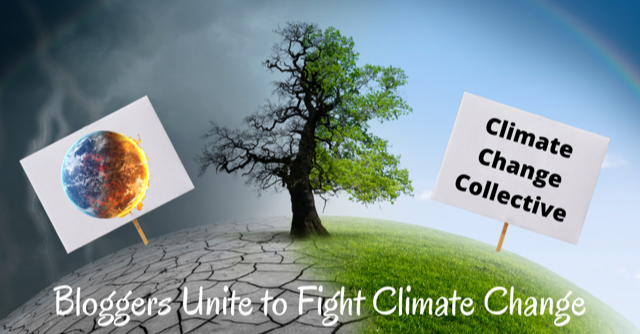
Here is the contribution by Smelly Socks and Garden Peas – Returning to Past Habits – to the series being run by the Climate Change Collective

The Climate Change Collective was born out of an exchange between Michelle over at Boomer Eco Crusader and Jamie Ad Stories. They both care deeply about the impact of human activity on our planet, as we all should, and wanted to find a way to keep the climate change message right at the forefront of all our thoughts.

Next to the useful and interesting suggestions of returning to past habits made by Smell, there is also something else you could try, upcycling.

What is upcycling

Upcycling is a creative, design and production process, of recovering existing materials and products that will be transformed into something of better quality or greater value than before. It is part of the recycling processes and is opposed to downcycling, generally perceived as a process that allows to extend the life of a product or material, to avoid waste and reuse, but obtaining something of less value.

With upcycling, on the other hand, the result obtained is something new and generally different, basically unique.

The concept of upcycling, also called creative reuse, is applied today at an industrial and eco-design level, as well as at an artisan and artistic level. Among the sectors that are most suitable for upcycling there are clothing and furniture.

Are you ready to return to past habits and try some upcycling?

Here you can read more about my ideas on the environment.

How You Can Reduce Your Energy Consumption and Save Money by Saving the Planet

Since the beginning of the war against Russia, in Europe we have been experiencing an unprecedent energy crisis. Our governments advised us to reduce our energy consumption and I am trying to cope with that, even though sometimes, I have to admit it, it’s difficult.

However, by taking small steps at home, not only you can save energy (and money) but also you will help to protect the environment by reducing your emissions.

Households generate roughly a quarter of all direct CO2 emissions produced in the EU today.

And did you know that three-quarters of the energy used by homes across the EU is for heating and cooling?

So, let’s see how you can reduce your energy consumption and contribute to the reductions of the global emissions.

Heating & cooling
  • Don’t overheat your water. Set your boiler at a maximum temperature of 60°C to make it run efficiently and hygienically.
  • Use the thermostat wisely. Did you know that your house won’t get warm faster if you turn the thermostat up? This only influences the maximum temperature in your house.
  • Close your curtains or shutters on hot days to reduce the sunlight entering your home.
  • Keep cool with a fan. Fans use much less energy than air conditioners.
Insulation
  • Replace single-glazed windows with double-glazed ones. Double-glazed windows lose 50-70% less heat.
  • Can’t install double-glazing? Thick curtains or removable insulating window panels will reduce the flow of cold air into your home.
  • Draught can be a big source of heat loss. You can save energy by sealing gaps around windows or installing draught-proofing beneath doors. Even adding covers to keyholes can make a difference!
  • Insulate hot water tanks, central heating pipes and wall cavities. If you can’t install cavity wall insulation, fit insulating radiator reflectors on the wall behind your radiators.
In the kitchen
  • Buy energy efficient appliances. When buying an appliance to help you choose an energy efficient model there are ratings. The rating ranges from A+++ (most efficient) to G (least efficient). An A+++ dishwasher uses as little as half the energy used by a D-rated one, for example.
  • Check your oven is properly sealed. If you have to replace your oven, go for an A-rated model – this could save you around €200 over its lifetime compared to a D-rated one.
  • Avoid washing dishes by hand if you have a dishwasher. Modern dishwashers use less water and energy – and most have an ‘Eco’ mode – but only use it when it’s full!
  • Only boil as much water as you need. If you have left hot water in a kettle only for a few minutes, you don’t need to re-boil it.
Wash smart
  • Fill up your washing machine. Don’t do a wash if you only have a few items of clothing. Wait until you have a full load – but don’t exceed the maximum weight.
  • Choose the lowest suitable temperature. These days, detergents are so efficient that they get most clothes clean at low temperatures.
  • Select the option “reduce time” if available on your washing machine.
  • Skip the pre-wash cycle if your clothes are not very dirty.
  • Avoid using a tumble dryer if possible. One tumble dryer cycle can use twice as much energy as an average washing machine cycle.
Save electricity
  • Replace incandescent or halogen light bulbs with more energy efficient ones. One LED light bulb could save you over €100 in electricity costs over its lifetime of about 20 years.
  • Switch off your devices. Internet-connected devices like smart TVs, printers and games consoles from 2016 or earlier can use up to 80 watts of electricity when on standby mode. You could use a single multi-socket power strip to switch them all off easily.
  • Ask your energy supplier about installing a smart meter. Smart metering systems for gas and electricity could save you 3% of your energy use.
  • Go for green power. Most energy suppliers offer ‘green’ electricity, which support the expansion of renewable energy sources such as wind and solar. If your home has its own roof, consider fitting solar panels to generate some of your electricity.

Are you ready to reduce your energy consumption by saving money and saving the planet?

Walking on the Beach

I came back from a fantastic trip to Cuba where I had a chance to walk a lot on beaches.

We all know that spending time outdoors is good physically and mentally, but the benefits of spending time at the beach have just been revealed by science. 

That incredible feeling of peace and calm you get on the beach is now called “blue space“. This is what scientists have dubbed the effect that the combination of soothing perfumes and water sounds has on the brain. The blue space is enough to make you feel comfortable in a hypnotic way. Overall, this blue space strikes you in four different ways:

1. It reduces stress. Water is nature’s remedy for life’s stressors. It’s full of natural positive ions that are known to have the ability to make you feel comfortable. So whether you’re swimming or just dipping your toes into the water, you’re sure to feel a sense of relaxation. It’s an instant mood booster that we could all use from time to time!

2. The beach stimulates your creativity. Do you feel like you’re in a creative routine? Well, scientists now believe that walking on the beach helps the creative process. Being in the blue space allows you to clear up your mind and tackle problems or projects more creatively. Just like meditation, being on the beach triggers a sense of calm that allows you to tune everything else together and reflect on what you need to focus on.

3. Going to the beach can help reduce states of depression. Just like the effects you have on stress and creativity, walking on the beach also offers some relief from states of depression. The hypnotic sound of the waves combined with the sight and perfumes of the beach can put you in a meditative mode. You can clear up your mind and reflect on life in a safe space away from the chaos of your daily life.

4. Overall, spending time at the beach will change your perspective on life. And that perspective will change for the better! Nature in general has always been a factor for a healthy and happy life, but being on the beach in particular is so good for the soul.

So grab your sunscreen because it’s time to go to the beach! It’s winter on my side of the world but you can dress properly and enjoy the positive effects of walking on the beach.

Did you like this article? For more on wellbeing, please have a look here.

5 Tips for Replacing Wrapping Paper

Why don’t you get rid of wrapping paper this year for your Christmas gifts? Try another fun and creative way of packaging and make the surprise all the greater. Here are 5 tips that will help you to replace wrapping paper.

1. Tote and handmade bags

There is something for everyone, in all colours and tastes: fabric bags are now available in many stores. They can be offered with the gift, which provides that little extra.

Another good idea: make your own gift-wrapping paper with nicely selected fabrics or scraps, which could be used again. Need help? There are certainly workshops for making bags in your area.

2. Furoshiki

Furoshiki is a Japanese art form. Take a square piece of fabric and fold it in countless ways into a gift box, bag, bottle holder… For example, use a scarf that you still have in the cupboard or a specially selected piece of textile.

You can then unpack the gift for the one who receives it. That makes an even bigger surprise because we are not used to packaging like that. You can of course choose to reuse or keep the Furoshiki.

3. Boxes and jars

You can buy a beautiful wooden box that can be reused, or a beautiful iron box that serves as a second storage or decorative gift.

And recycling is also a must: use boxes (of cake, chocolates or shoes), pots and glass jars in all shapes and sizes. A raffia ribbon, a lick of paint or a beautiful label immediately give the gift a personal touch.

4. Recycled paper or fabric

Newspapers, posters, magazines, drawings, old cards or comics that are too damaged… will always be original! It will not be zero waste, but it will be reused.

A pillowcase that you don’t like or the one that you don’t use any longer and it is stored in the cupboard, a paper sheet that is waiting for a second life, a T-shirt with worn edges,…: with some cutting, buttons and other adjustments, you will make a surprise effect.

5. Bags or socks under the chimney

A large bag, a decorated box that was used before for biscuits, a wooden box,… You can put all the gifts in it, and make a surprise to your kids.

You can put small gifts in socks, specially bought for the occasion or taken from your wardrobe because you don’t use them any longer.

What do you think about these tips? Are you ready to reduce your waste?

This article has been previously published on City of Brussels.

Spring, Spiritual Awakening and Freedom

It is the end of winter and spring appears timidly showing us the first blossoms, longer days and birds that build nests.

Spring marks the awakening of nature and therefore also our awakening, not only physical but also spiritual.

There is a Sanskrit word that defines spiritual awakening, but which actually means “liberation”. The word is Moksha.

According to the Indian tradition, the discovery of one’s Self is associated with that of freedom.

But why? What kind of freedom are we talking about?

First of all, let us remember that waking up our true nature means becoming aware that there is a much wider presence within ourselves than the individual we normally identify with. The Self is called Atman in Indian philosophy.

The first freedom that we should discover is to abandon identification with the body. In fact, by discovering our Self, we stop living as prisoners inside our body. Suddenly our presence, which was previously closed within the perimeter of our skin, becomes immense and limitless. We join the world. We are no longer inside our body, but it is our body that is inside us.

The second freedom is the discovery that we are not dependent on our thoughts. The Self is not a thought, but it is consciousness, the awakened space in which our thoughts appear and disappear. Liberation from thought is like liberation from a corvee, from a hellish cycle of recurring thoughts, and it gives us silence.

The third freedom consists in the discovery that our Self is free from our past, from what has happened to us of both positive and negative. Our past remains, of course, and constitutes our history, but the Self lives only in the present moment, so it is always new, original, fresh. It allows us to regenerate the source of our presence every moment.

The fourth freedom is that from the judgment of others, which too often is very heavy. Others see us, judge us and this makes us lose some of our freedom. But others cannot see our true Self, they cannot see who we really are. They only see our appearance, our body, but they cannot see our true nature. Thanks to awakening we are able to free ourselves from the gaze of others and finally to be free.

Which of these four freedoms do you think is most useful for your individual journey?

woman walking on pathway under the sun
Individual Journey – Photo by Andrea Piacquadio on Pexels.com

10 Ideas for Eco-responsible Actions

There are a lot of ways to incorporate responsible actions into your daily life. Climate crisis is one of the biggest challenges the human kind has to face. More and more people are trying to live responsibly and are also becoming aware that even small changes can have a positive impact on the future of our planet.

Time for change has come. Drastically changing your habits and sticking to them may be difficult. To help you get started, I have come up with 10 eco-responsible actions that you could easily apply daily.

1. Choose where to buy your clothes

Today, unfortunately, many fashion items are still produced in factories with deplorable working conditions. Before buying your clothes, do some research and choose brands that sell ethically produced clothing.

 2. Refill, reduce, reuse

Choosing sustainability does not mean any longer being able to enjoy moments of well-being. It is simply a matter of integrating these moments into your daily life in a sustainable and meaningful way. Buy refills for a large number of products, such as face creams or liquid soaps, so you can continue to take care of yourself and enjoy moments of well-being by helping to reduce unnecessary waste.

Use skincare and home care products that can be refilled, and while it may seem obvious, only buy the products you use. Be sure to finish them before buying new ones. When considering buying a refill, take a look at the figures that show the impact reductions. They will tell you the efforts you are making by using them.

3. Switch to a bike

Carbon dioxide and other greenhouse gases emitted by cars contribute to global warming. If you work far away from your home, taking the bike every morning may seem difficult. If you can’t ride all along the way, why do not you ride at least to the bus, subway or train station? There are only benefits: let the planet breathe for a few moments, save some money and keep you fit.

4. Eat less meat and sugar

According to scientists, the most effective way to protect the future of our planet is to adopt a vegetable-based diet on a more regular basis and limit sugar intake. The food industry consumes a lot of energy. By consuming seasonal, vegetable-based and, ideally, locally produced foods, you too can act for the planet. Vegan and vegetarian foods can be incredibly tasty. You can try shopping at your local grocer instead of at the supermarket. Maybe there’s a farm near you, or even a local vegetable garden where your neighbours grow and sell fruits and vegetables? Or you could grow your own vegetables and fruits!

5. Travel with discernment

Because of the pandemic, in 2020 many of us travelled less than in previous years. Now that “normal” life resumes, you can try to limit unnecessary air travel as much as possible. Turn your next trip abroad into a holiday at home or consider another means of transport, such as the train or bicycle. Think of travel as part of your vacation. Don’t just focus on the destination. Why do not you go on holiday by train reading a good book?

gray and red train on subway
Train – Photo by Dom J on Pexels.com
6. Choose green energy

When you think of green energy, the first things that come to mind are electric cars and solar panels. Actually, you might invest in these solutions, but it’s not always possible. A very simple way to provide sustainable energy to your home can be to opt for a green energy supplier. These companies offer gas or electricity in the same way as traditional companies, but in a more environmental friendly way thanks to energy from renewable sources, such as wind, sun or water.

7. Borrow instead of buying

Opt for sharing, lending or borrowing rather than buying items. Borrow your neighbour’s drill, temporarily refresh your wardrobe with clothes rental (perfect for fast fashion or special occasions), and swap books with friends (or look for books in book-crossing points).

8. Optimize daily commutes

Because of the pandemic, many of us don’t take public transport any longer. If you’re driving to work or planning a day trip, why do not you suggest your colleagues or friends to go together?

Did you know that your tire pressure has an impact on your car’s carbon emissions? Deflated tires need to be replaced more often and consume more fuel. You can check them also at gas stations.

9. Take smart showers

In the bathroom, the greatest impact on the environment does not come from care products, but from the energy used to heat the shower water. This accounts for about 77% of the impact, as the water is often heated with gas. According to research, skincare products account for only 5% of the impact of your overall environmental footprint. Consider buying an inexpensive water-saving shower head. You will save a lot of water and taking a shower will be the same.

10. Think outside of the box

Small actions add up and if you experiment with creative solutions, your mindset will also change for the better. For example, your gift boxes can be reused to store small souvenirs, jewellery, letters or photos.

What actions will you start tomorrow?

think outside of the box
Think Outside of the Box – Photo by Kaboompics .com on Pexels.com