For about a year, we have been facing a health crisis that does not give us a break and actually begins to cause psychological effects.
If you feel tired and have little energy to do things, know that you are not alone.
Fatigue is one of the most common consequences of this pandemic. We are exhausted for several reasons. The disease directly causes one of them. Obviously, if you had the Covid, you have been more tired afterwards; it takes some time to recover from it and to get back into shape.
The World Health Organization (WHO) has defined “pandemic fatigue” the fatigue resulting from always being super attentive to the precautionary measures that we must comply with in order not to catch the virus.
More and more people suffer from nervousness, anxiety and feel pushed to the limit of their ability to bear the situation.
This state of hyper vigilance with Covid represents a constant strain of our hormonal and endocrine system which results in greater anxiety and, sometimes might turn into depression.
The economic situation and the uncertainty about the future we are living now are working our nerves out.
Photo by RD LH on Pixabay
In addition, you have to consider the deprivation of liberty caused by the lockdown.
Knowing that we are vulnerable to pandemic fatigue, we must put into practice measures that help us regain some well-being.
Here are 3 ideas that may help you out:
Normalize what you feel. It is normal for you to feel stressed or sad. These last months are even harder because we are in winter and we do not see the way out (during the 1st wave we had summer ahead).
Your well-being must become your priority. Just as you pay attention to wearing a mask, respecting safety distances and washing often your hands, you must take care of your well-being. Try to eat healthy, practise physical activity even at home, and talk to friends or beloved ones even if you cannot do it in person. If the rules in force allow it, go out, especially when it is sunny. Vitamin D is good not only for the body but also for the spirit. Find a hobby, or if you had one before, start doing it again.
Give your mind a break. Stop listening to the latest news on Covid. Take a break from the news. Give yourself permission to disconnect. If you miss the latest update on the contagion data, nothing will happen. When you talk to someone, try to avoid the Covid topic. It is not a matter of pretending nothing has happened, but simply of avoiding further fatigue.
The year that has just ended changed the ways of working and managing people. The different lockdown periods (stronger or lighter) have forced many employees at home who have done “smart working” as they call it in Italy, teleworking otherwise said, and perhaps will do so for another good part of 2021.
Let’s see 4 major changes that I hope will happen in 2021.
New leadershipstyles. In recent years, a change in leadership has already begun with the new generations (millennials and generation Z). Young people no longer accept that their managers know everything and want to be actively involved in the decision-making process. Due to the Covid pandemic, this trend has intensified. For old-fashioned managers, getting rid of old habits while managing staff during teleworking was a challenge. I think leadership should develop in the direction of offering opportunities to staff as well as empowering them.
Diversity and inclusion. The past year has also brought news regarding inequality. The “Black Lives Matter” movement, launched in the United States, was exported to Europe in no time. Some consider the refugee issue problematic but others consider it a solution to the problem of ageing. Gender equality, right to equal pay between men and women and among people regardless of their origin: these are some signals sent to us in 2020. Diversity and equality will therefore be the watchwords for human resources sectors. Companies that will adapt better to new circumstances will be the strongest.
Evolution of recruitment. Recruiting new staff will never be the same. Recruitment in 2020 has been characterized by technology and artificial intelligence. Online applications have been the norm for some years already, but asynchronous interviews, such as those in which a candidate receives questions from a video recorded on an information system and replies via the system itself, are becoming increasingly popular. Candidates are also encouraged to leave their feedback to improve artificial intelligence tools.
More committed employees. The use of surveys to assess the satisfaction of human resources policies will become increasingly important. Whether it is the integration processes in the workplace, the actions aimed at the well-being of employees or performance evaluation, the opinion of employees is increasingly important. Actually, a company that does not want to let its best talents leave will have to pay more and more attention to the satisfaction of its employees. However, not only they will have to listen to their opinions, they will also have to implement actions as a follow-up to the results of the surveys.
We identify it as if it were a wooden horse different from all horses. We adorn its forehead with a ribbon, we hang on its neck colourful rattles, and at midnight we get ready to receive it as if it were an explorer descending from a star.
The way bread resembles yesterday’s bread, a ring all rings: the days blink clearly, jingling, fleetingly, and lie down in the dark night.
I see the last day of this year on a train, toward the rains of a distant purple archipelago, and the man on the machine, complicated like a clock from heaven, lowering his eyes to the infinite ruler of the rails, to the shining handles, to the nimble bonds of fire.
Of conductor of trains accelerating toward the black stations of the night, this end of the year, without wife or children, is it not the same for the one gone, the one coming? From the roads and workshops, the first day, the first dawn of the starting year, has the same rusty colour as the iron train: and people along the way greet it, cows, villages, the vapour of the first light of day, without knowing it is the year’s door, a day heralded by bells, adorned with plumes and carnations.
The earth does not know it: it will receive that golden day, gray, heavenly, it will extend it over hills, it will wet it with arrows of translucent rain, and then it will curl it in a tube, will store it in the shadows. It is thus, but a small door of hope, new year’s day, although you are like the bread of all breads, we will live you in a different way, we will eat you, flower you, wait for you. We will place you like a cake in our lives, we will light you like candelabra, we will drink you as if you were a topaz. New Year’s Day, electric day, fresh, all the leaves emerge green from the trunk of time.
Crown us with water, with open jasmine, with all the aromas deployed, yes, even though you’re only a day, a poor human day, your halo beats over so many tired hearts, and you are, oh new day, oh forthcoming cloud, bread unseen before, permanent tower!
“She asked me to put her in copy to all emails, even the most trivial ones. Sometimes she would knock on my office door to ask me if I was okay because I had spent a lot of time in the bathroom, when actually only five minutes have passed. She checked when I walked in and when I left my office to see how long I had been way. The pressure she exerted by checking every detail of my work was suffocating, more than exaggerated and above all counterproductive.”
This is just a testimony from an employee who used to work with a micro-manager. What exactly is micromanagement? It is a managerial practice through which the manager exercises exhaustive control of the actions, tasks, functions and responsibilities of the people subordinated to him / her at a hierarchical level.
This type of managers may also ask to see an email before it is sent, and they may want to be informed of all the decisions that employees need to take, because they think that their staff cannot take decisions. A micromanager combines impatience and distrust with absolute control of the tasks assigned to their subordinates.
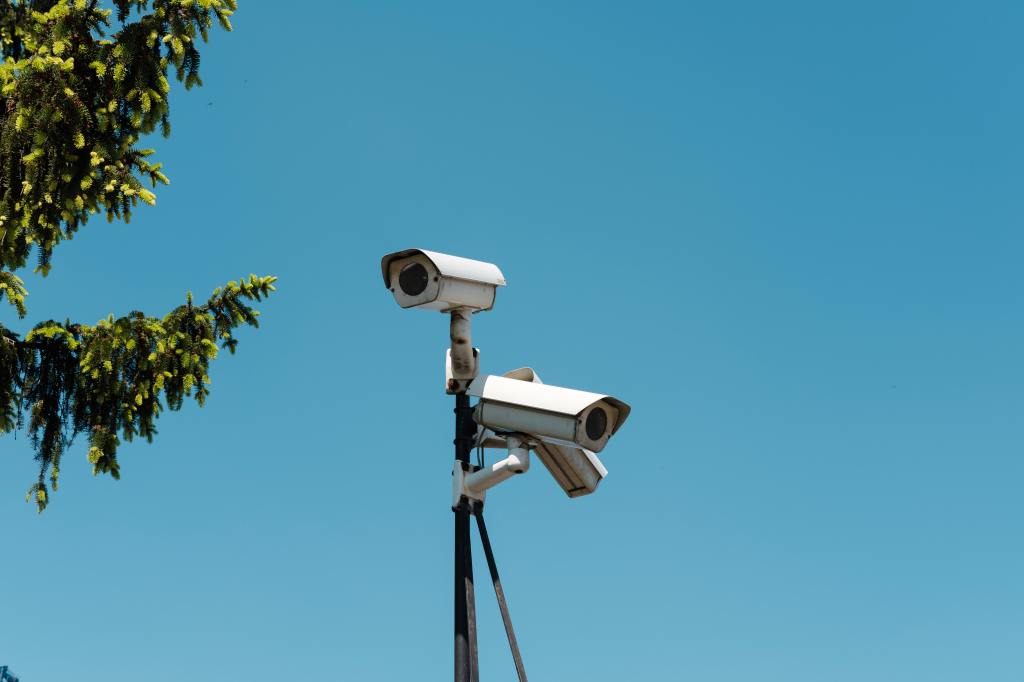
The situation look like the schemes used by the “Thought Police” to scrupulously monitor every moment of the characters in George Orwell’s “1984” novel. As in that book, the consequences of this practice of strict control on employees are devastating. The boss gains in peace of mind but staff suffer from it and are also less productive. Actually, this system creates bottlenecks that cause a slowdown in all activities. This type of manager wants to earn a good reputation and prevent a supervisor from blaming them that something was wrongly done.
Photo by Michal Jakubowski on Unsplash
But the worst part falls on the employees. Many times they do not know how to give priority, because the boss constantly changes their priorities based on the urgency that arrives, or because a superior asks him or her or it is the market requiring that. Employees lose creativity and self-esteem. A culture of fear is established, where everything is subject to the orders of the superior. This can lead to sickness absenteeism.
Apart from real psychosomatic diseases that can arise, psychological situations can also develop for which the person feels worthless, becomes smaller and smaller until they doubt their abilities. You begin to ask yourself: “Am I capable of doing it? ”,“ Am I in the wrong job? ”,“ Why do they control me like this, what have I done wrong? ”. And it can also happen that you quit your job, even if you have a good salary. When a situation cannot be changed or accepted, you have to leave it, and, in this case, you leave your job.
It is important to know that people do not quit jobs, they leave bosses.
But why do managers fall into this trap?
If micromanagement spoils the work environment, employees’ health, and it is harmful even to bosses who lose productivity and may lose also staff, why can’t this total and constant control be avoided? The bosses don’t have enough work to do?
Let’s see the possible causes.
First, managers themselves suffer pressure from the environment, be it from their own bosses, shareholders, markets or competition.
Second, incompetence. Either managers feel unsecure because their staff perform an excellent job compared to their own, or the employees are not suitable for that type of job.
The third cause is clear and straightforward: the boss’s obsessive personality making them unable to organize and manage the work.
Whatever the cause is, it is necessary to analyse what is happening in order to put an end to the situation as soon as possible. First, you should go to the human resources of your company. I have worked in human resources for over 10 years and have seen a lot of micromanagement.
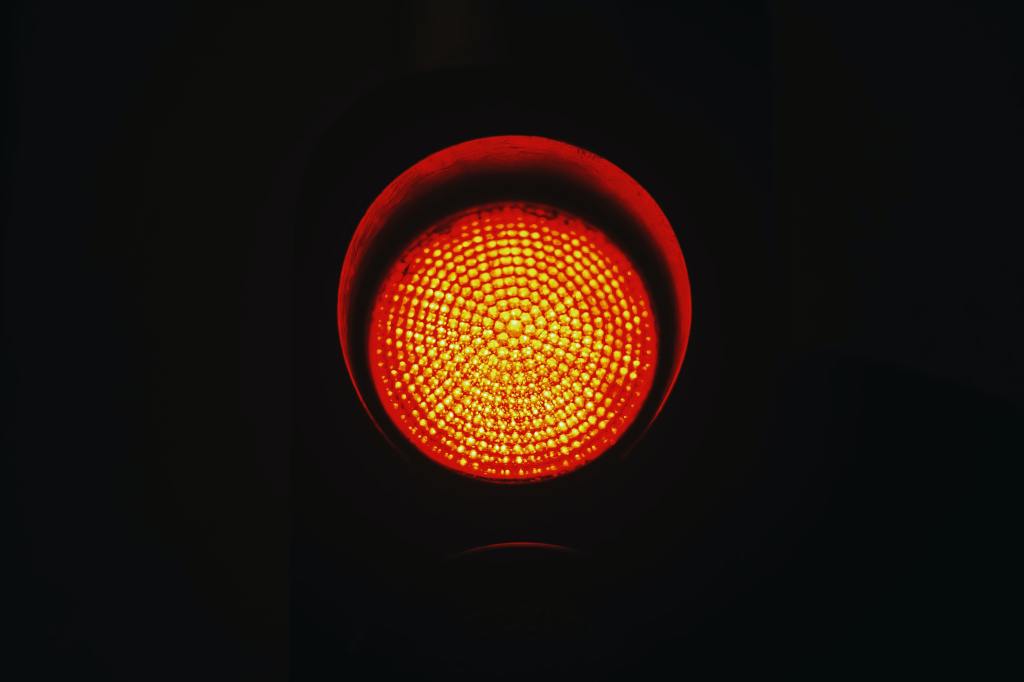
As an alternative, you could turn to your superior and ask them to implement one or more techniques, perhaps with the help of a coach. One technique could be that of the traffic light. Together with the boss, you define the admissible and acceptable control limits, that are not to be exceeded. If these limits should be overcome, some signals will be sent to the manager. When the manager receives them, they identify their behaviour and try to control it.
Another strategy is to define the profile of the boss and of each team members, analysing their personal, professional and communication style and characteristics. Once this “x-ray” is completed, the boss shall answer the following questions:
1. What leadership style they use with each employee;
2. What leadership style each employee would need;
3. Which leadership model they would like to use with the each employee.
By doing so, the boss can realize that the type of leadership they are using is in line with that person’s role, but it is not what that employee, due to his or her personality, needs. By adopting this paradigm shift, the boss begins to think not from their own point of view, but from that of the subordinate. While this strategy may sound like science fiction, with time and a willingness to change, success is assured.
When I hear about curfews, dark times come to my mind, times of war. Actually we have been fighting a war against Covid since March this year. There are no bombs, we don’t have to be evacuated, we can eat every day because there are enough food supplies. But the curfew has changed our habits, most probably also those related to meal times.
From North to South of Europe we eat at different times. Soon in the north, later in the south. Maybe you are invited to dinner by someone and the curfew forces you to eat earlier because then you have to go home. Or you eat later because you finish work late and don’t have time to buy something for dinner, or to stop by in a restaurant. The restaurants are closed, they only offer take-away service and you must go back home within the time set by the curfew.
A friend from Paris, before the city was put into total lockdown, had to return home by 9 p.m. We know that Paris is a big city and people often use public transport, which is very efficient. To be home by 9 p.m., she had to take the subway by 8:30 pm at the latest and therefore she was eating later than her previous habits. And she began to sleep badly.
If you make an appointment before the curfew begins, you may feel stressed out because you will have to rush to get home on time. Perhaps it would be better to stay at home and respect the government’s directions and limit our social contacts. But sometimes you want to be out for a while, to meet some friends.
The effects of the curfew are not only on your social life, but also on your health as a result of adapting to a new pace of life and changing your routine.
The new schedule imposed by the curfew may have advantages, for example, you stop working earlier, go home earlier and have dinner earlier. For example, you arrive home at 7 p.m., have dinner between 8 p.m. and 8.30 p.m., go to bed around 11 p.m. and get up at 7 a.m. the next day.
This would be optimal for your health. Indeed, you would better synchronize with your internal, external environmental and external social biological clocks (time).
Internal time is what marks your endogenous rhythm, which helps you sleep at night, stay awake during the day and eat at the right time for you.
External environmental time is determined by the alternation of the phases of light and dark generated by the solar cycle.
External social time can alter these balances. If your working schedule, lunch, dinner and leisure are not suitable to your biological type (chronotype) you could enter a phase of temporal disruption that may cause several health problems, like insomnia.
Our ancestors got up with the light and went to sleep with the dark. This rhythm allowed for adequate production of melatonin (the hormone that regulates sleep), which allowed for a perfect balance between internal time and external time.
The habit of eating around 9:30 p.m. or even later goes against these natural cycles and makes it more difficult to rest well. A large dinner ending around midnight could cause difficult digestion at a time when the body should be resting instead.
It is therefore recommended to finish dinner at least two hours before going to bed to avoid poor quality sleep and an awakening marked by fatigue, irritability and low cognitive performance.
If you follow the biological rhythm of your body, you will have a big improvement in your overall health!
I’m sure you use the word stress often throughout your day.
We all feel a little stressed due to the multiple commitments we have, pending deadlines, and lack of time to dedicate to ourselves.
The common denominator of all forms of stress is a feeling of malaise, fatigue, irritability that makes us more fragile with illness and less tolerant of others and of daily problems.
Actually stress is an adaptive response that has allowed our species to survive throughout its evolution.
Hans Seyle, the first theorist of stress, conceived it as an adaptive response that the body puts into force to overcome all the situations that its alarm systems deem dangerous.
The stress reaction is indeed characterized by the secretion of hormones such as cortisol and adrenaline which make the muscles stronger and the person more reactive. In this sense, stress has a value that is not only positive but also necessary for the survival of the species.
Primitive men had to face dangers that were of a short duration. While they were hunting, for example, they might encounter an animal and had to decide whether to run away or face it (have you ever heard of the “fight or flight” response?), but once they made up their mind and acted accordingly, they had plenty of time to recover.
Photo by Crawford Jolly on Unsplash
In the contemporary age, we too have this type of reaction when facing what, on a conscious or unconscious level, we perceive as dangerous (stressor). But today’s stressors are definitely different from those our ancestors faced. Modern stressors are psychosocial and no longer physical. It’s about the work environment, social relationships, financial worries, the huge amount of commitments we have and the limited time to complete them. Above all, these stressors are not momentary but can persist for a long time and consequently we need more time to recover.
Look at these signs that may indicate that stress is becoming a threat to your health:
What can you do concretely to combat stress, when the conditions in which you find yourself do not allow you to avoid it?
Physical activity, especially aerobic, such as brisk walking, swimming and cycling, is undoubtedly one of the best remedies for stress.
Breathing control, like getting used to using the diaphragm and slowing the respiratory rate, is another useful tool against stress.
Other activities may be: yoga, tai chi and meditation. In recent years, mindfulness has become popular. Mindfulness, by increasing the level of personal awareness, carries out an anti-stress action.
Obviously, a good massage that helps you increase the level of oxytocin, a hormone capable of counteracting cortisol, is certainly effective.
As regards food supplement, magnesium is the anti-stress mineral for excellence, also because we are chronically deficient. Remember that a supplement is such because it must be complementary to a healthy diet. Therefore, remember to eat well!
Nostalgia is a shield against existential challenges. Evoking positive experiences and feelings from the past can help you cope better with the present and the future.
Nostalgia is a rear view mirror that reflects a particular feeling of a time or place or an emotion that happened in the past. It could be the memory of your first love, a yellowed photograph found by chance, or an object that reminds you of something. The Internet can help make you nostalgic. With one click you can find, for example, the soundtrack of a pleasant moment you lived.
Photo by Laura Fuhrman on Unsplash
Today, experts tell us that nostalgia is a complex emotion, above all, but not always, positive, which can give you greater sensitivity and can help you understand the present.
The word nostalgia was invented in 1680 by a student (Johannes Hofer) from the University of Basel who combined the Greek word nóstos (homecoming) and algia (suffering). He described it as the pain that the Swiss soldiers felt in battle and that they wanted to go home.
Current studies distinguish nostalgia from melancholy because it has a stimulating effect and does not cause symptoms of illness, rather it tries to fight them.
Researchers from the University of Southampton (UK) have observed that nostalgia is a vital component of mental health that motivates us and increases our self-esteem.
Nostalgia also represents a reservoir of emotions that you can consciously access and which you unconsciously use in your daily life to reinforce the feelings of your past that help you cope with the present and the future.
But remember that the past can be recalled but cannot come back. Nostalgia does not give you back what you have lost but it helps you to better manage the life you are living.
The pandemic has put us in front of an uncertain future and left us with negative emotions.
We have all experienced as children the disappointment of asking for something that was then denied. It could also happen that we started crying and this drove our parents crazy. They labelled this behaviour as a whim.
Actually, frustration is present in all stages of life and our success also depends a little on how we manage this typical human emotion.
A Zen master summarizes happiness in a simple formula: happiness is the reality that we live less than what we want or hope to achieve.
When what you want outweighs what you have, then you are faced with what Carl Gustav Jung used to say: “Life not lived is a disease from which you can die.”
In our society where competition and instant satisfaction prevail, frustration necessarily accompanies us more or less always, because as soon as we have satisfied a wish, another one comes.
This period of pandemic has made us move from unbridled consumerism to a culture of cancellation (cancellation of holidays, cancellation of dinners with friends, cancellation of medical appointments, etc.).
Has this sudden change affected your life? See if you have any of the symptoms listed below to understand if you have become a frustrated person:
you are often melancholic;
you experience increased irritability, tension and stress. Things that didn’t bother you before now make you jump up;
you have negative thoughts that come back all the time, stealing you energy and sometimes sleep;
you have increased consumption of alcohol and medicines taken without medical advice;
you want to run away.
Photo by Oscar Aguilar Elías on Unsplash
If you recognize yourself in one or two of these characteristics, then it means that frustration has taken over part of your life.
Here are some tips that will help you get through this moment:
cultivate patience. It may seem obvious, but it is very effective. As a child as well as an adult, frustration occurs when you don’t get what you want. If the parents don’t buy you the toy you want when you ask for it, but they tell you they will offer it to you over your birthday, that doesn’t make you feel better. In times of crisis, if we do not know when the situation that creates frustration will end (as now, which the spread of Covid has resumed in a rather important way) we could lose hope. Against this view, only a long-term perspective will help you. Although you don’t know how long the situation will last, knowing that there is light at the end of the tunnel helps you to live in the present moment.
analyse what you get from it. Just as energy is not created or destroyed, but it is transformed, even losses can bring you gains. If you could not leave for that trip you wanted so much, think that you have saved some money and as soon as you can leave again, you will have greater financial availability. If you have lost your job because the company where you used to work has closed down, you will be forced to evaluate other possibilities, to get back into the game and maybe you can start an independent business that you never would have thought of before and that finally it is worthy. To fight frustration you have to ask yourself: What do I gain from this loss?
think that everything changes. Nothing we have will last for ever. Even if we could satisfy all our wishes, it would always be a temporary satisfaction. If nothing remains as it is but everything changes, then the frustration loses its meaning.
The following thought is attributed to the painter Eugéne Delacroix: “Desire the best, avoid the worst and take what comes”. If you follow this motto, instead of holding on to expectations, you will take things as they happen. You will feel more in the flow of events, even chaotic, that life sometimes offers you.
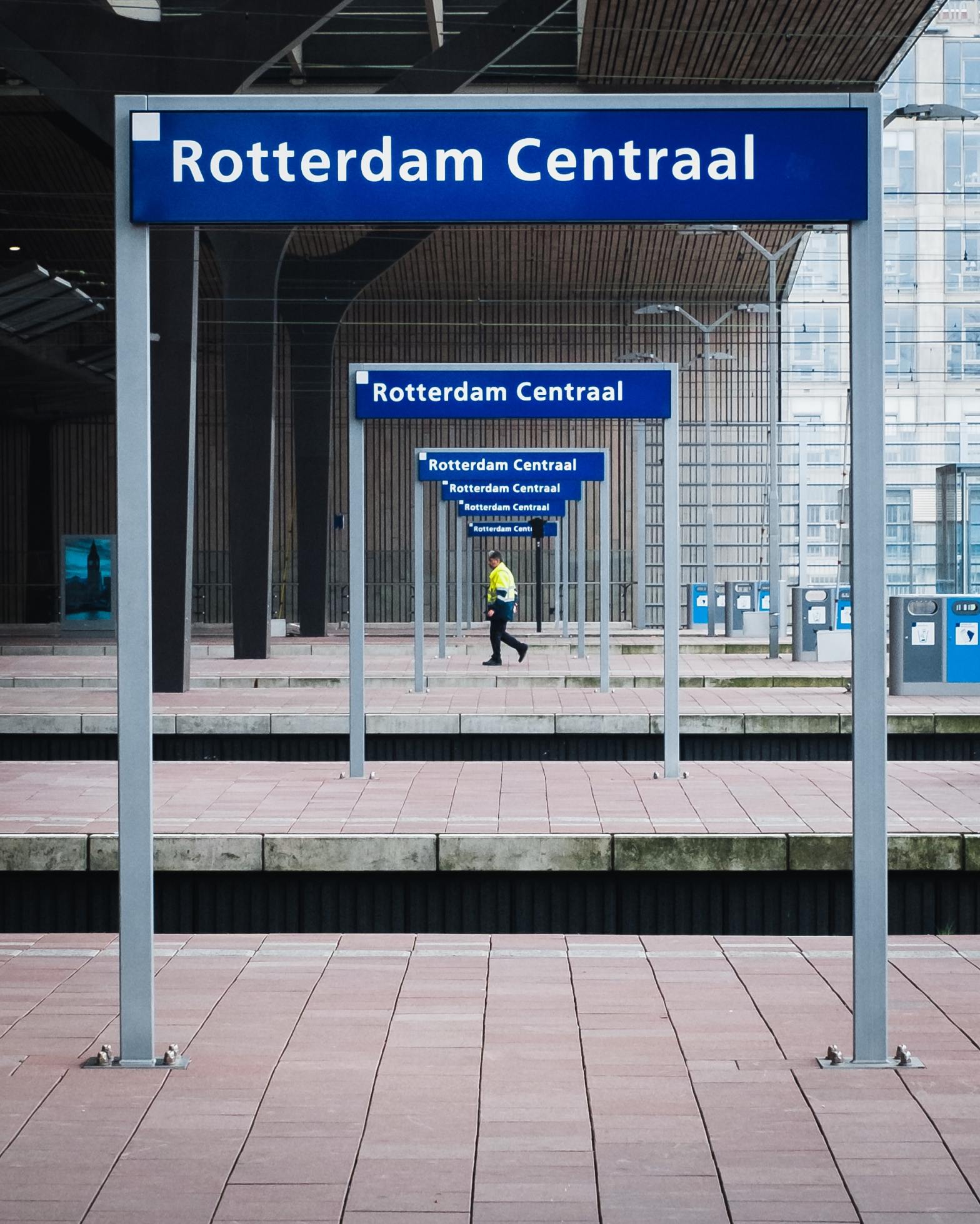
2009, The Netherlands. Some inhabitants of one Rotterdam’s neighbourhood receive a strange email: they have been watched while driving and are asked of not doing it any longer. Is it a threat or blackmail?
Absolutely not! The message comes for Rotterdam City and the company managing the highway that are allied to reduce traffic jams that has been polluting the cities day after day.
Wouldn’t it be easier to build bigger highways or built new ones?
Here comes the “Braess Paradox”. According to this theory, increasing the road capacity to reduce traffic jams would make the situation worse.
Actually, with a new road, people who have given up to the car before, would go back and use the car again. In addition, those who were avoiding using the car during the rush hours would try to do it again.
Photo by Iwona Castiello D’Antonio on Unsplash
However, by eliminating roads, the journey time can be reduced, because some motorists will be inclined to abandon the car. This is the paradox.
Rotterdam City tries also another thing: the positive toll, also known as the reverse toll.
What is it? If the citizens leave the car into their garage during the rush hours, they will receive a small amount of money. Of course, they will receive also a device to control if they indeed have left the car into the garage.
It works! In a couple of years, the volunteers applying to that scheme increase and traffic jams decrease. Also when the money stop, people keep up with their good habit. Rotterdam starts to better breath.
When the holidays are over and you start working or studying again, you want to commit to getting back in shape.
Maybe you ate too much and did little physical activity but it is normal, you have been on holidays!
It could also be an opportunity to take stock of the resolutions taken at the beginning of the year and see where you are.
Often, however, among working or studying and other daily activities, you do not have neither time nor motivation.
How would it be following a program that helps you in achieving your objectives now?
Here are some ideas to help you stick to an easy-to-maintain schedule.
Small daily efforts
Decision taken, this year you will try to use less the car, both because it is a super ecological action and therefore good for the planet, and because you will be forced to find other means of transport to get around. You will also strengthen your body without realizing it.
Do not park the closest possible to the shop entrance. Park further away and take a stroll.
2. Stop taking the elevator if you live or work on a relatively low floor.
3. Get around by bike or on foot.
4. Don’t have your shopping delivered to you, do it yourself.
5. Go and buy a sandwich at lunchtime on foot. It allows you to relax a bit, change air and walk.
6. Go for walks of at least 30 minutes at least once a week (I walk at least 30 minutes every day, but I suffer from the restless legs syndrome – RLS). You can walk on the street, in the nature, on the beach, alone or with friends. The important thing is to walk.
7. Buy a Pilates ball and sit on it to watch your favourite TV series, movie, or whatever you like.
As you can see nothing strange and impossible! Start introducing one habit at a time and you will soon find your shape again with a minimum effort. To help you out, you can use an app or a bracelet that monitors your activity like a real coach.
Little efforts at home
We know that sometimes it is hard to find time to go to the gym. Why not doing some physical activity at home then? You can buy accessories that allow you to do some gym without leaving your place, such as electro-stimulators, vibrating platforms or abdominal belts, which tone the muscles by causing contractions. You can also follow some exercises online, YouTube offers them of all kinds. You can do Yoga to relax the body without forgetting the muscles, meditation and relaxation, perfect for learning to breathe deeply and to use breathing as a method to fight stress and anxiety. 10 minutes every morning when you wake up will be good for you. Find a trainer you like, subscribe to their channel and receive notifications every time they upload a new video.
Photo by Wee Lee on Unsplash
Small efforts on the plate
Holidays are sometimes synonymous with excess. To get back in shape you need to fill up on vitamins. Start the day with a smoothie or fresh fruit juice. Then continue with a healthy, non-fat lunch of seasonal vegetables. It will help you regain your shape.
You can also drink a glass of warm water in the morning on an empty stomach to stimulate metabolism, detoxify the body and facilitate digestion. Add some lemon and it will be tasty.











 Crisbie Coach