Locus of Control

In psicologia si definisce il Locus of Control – LoC – (luogo di controllo), come la modalità con cui un individuo ritiene che gli eventi della sua vita siano prodotti da suoi comportamenti o azioni, oppure da cause esterne indipendenti dalla sua volontà.

Nel primo caso ci si riferisce ad un soggetto che è molto più indirizzato a considerare gli eventi che gli capitano come un effetto delle sue azioni e quindi una variabile sulla quale può intervenire nei limiti del possibile (LoC interno).

Un LoC esterno appartiene invece a quei soggetti che attribuiscono prevalentemente al proprio destino la causa di tutti gli eventi che gli capitano e quindi sono gli altri che controllano quanto gli accade (LoC esterno).

Il Locus of Control rappresenta perciò l’atteggiamento mentale con cui noi sentiamo di essere in grado di determinare le nostre azioni e i relativi risultati, contrapposto al controllo esercitato dal caso e dalle circostanze esterne.

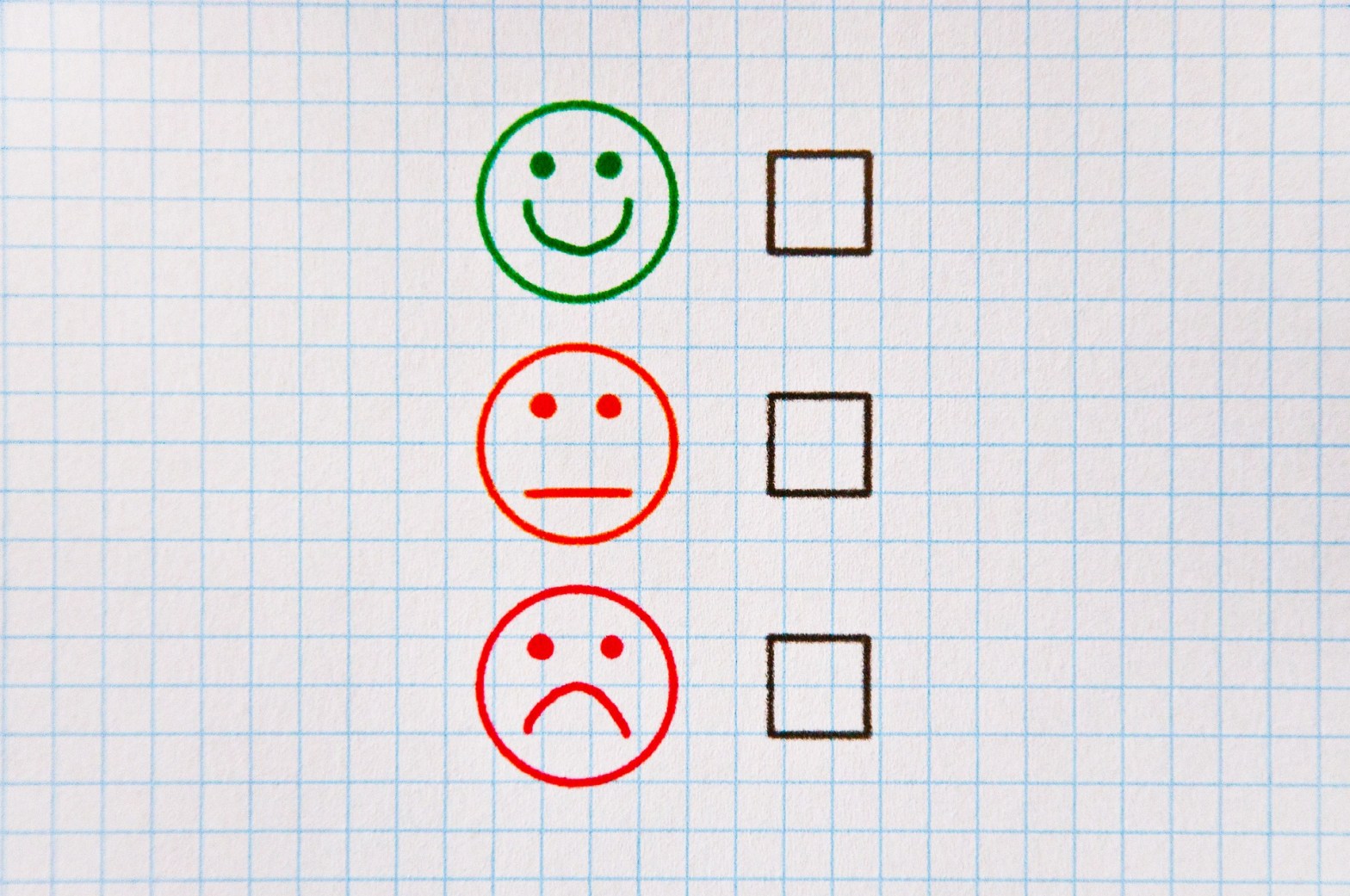
Sei una persona con prevalenza di locus of control esterno?

Oppure sei piuttosto una persona con presenza maggiore di locus of control interno?

Scoprilo con questo test!

Se ti interessa saperne di più, scrivimi!

Eating Well for Sleeping Better

It is well-known that what we eat influences the quality of our sleep. It is even more important to eat well in the evening, because we go to sleep afterwards. Eating out a hamburger with friends coming out from work, eating a whole tablet of chocolate in front of the television, or eating too much on coming back late from work, they are not good habits. 

Why don’t we sleep well after having eaten late in the evening, or having eaten a lot or to having eaten a fat or sweet meal?
Which are the effects on health and on wellbeing if you sleep badly?
Which are the recommendations in order to sleep well and wake up completely restored?

Let’s see.

Why eating late it’s not good?
The body accumulates more fat. Recent studies have compared people eating late in the evening some food and people eating earlier the same kind of food. The former show more fat in their blood test.

This also represents a cardio-vascular risk for those people who would eat just before going to bed and after 10 p.m..
You may have some cramps or refluxes because of the lying down position in bed and therefore you may not sleep.
A bad digestion may wake you up during the night and therefore it may alter the quality of your sleep.

When you don’t sleep well, the whole body will suffer and you may become nervous, be in a bad mood and may not be able to focus well. Besides, the sleep regulates also our hormonal balance. The hunger hormone (the ghrelin) and the satiety hormone (the leptin) are produced while sleeping. If you don’t sleep well or don’t sleep enough, the two hormones are unbalanced: more ghrelin than leptin is produced. Then, you will be prone to eat more for compensating the lack of sleep or the bad sleep. You will eat more and sleep worse, in short you will find yourself in a vicious circle.
The stress hormone (cortisol) and the sleeping hormone (melatonin) are also regulated by the sleep. If they get unbalanced, the whole quality of your life will suffer.

Finally, the hemoglobin becomes rarer. This antibody protects the organism against bacteria, viruses and some toxins, therefore it is needed for a good immunity. As it is also produced during the sleep, you may become more vulnerable if you don’t sleep well. That’s why fatigue or stress can provoke illnesses.

In the long term, an irregular sleep or lack of sleep will increase the risk of depression, obesity, cardiac illnesses and diabetes. It is therefore fundamental sleeping well and also trying to pay attention to what you eat in the evening.

Try to privilege some foods rich in tryptophan and vitamin B2, because they make sleeping easier. The tryptophan, needed to produce the melatonin (the sleeping hormone) can be found in bananas, tuna, chickpeas, dates and milk. The vitamin B2, that also make sleeping easier, can be found in all dairy products (milk, yoghurt, cheese), green beans, tomatoes, mushrooms and in asparagus.

Recommendations for a healthy evening meal:

  1. eating at least three hours before going to bed;
  2. eating slowly, without stress;
  3. eating up to when you start feeling full, not more;
  4. eating with moderation foods as pasta, potatoes, cheese;
  5. avoiding sauces, excessively salty or excessively sweet food;
  6. avoiding alcoholic and energising drinks and other stimulants like caffeine;
  7. it would be better to avoid smoking too;
  8. sugar gives immediately available energy, therefore avoid also sweet drinks, sweets in general, above all if you would eat them in front of the television.

Do you feel hungry before going to bed?

Someone say that it would be better going to bed being a bit hungry, also your shape would benefit. But if you cannot really make it, then eat a light yoghurt with no sugar, some walnuts, drink some warm milk or an herbal infusion. The good old chamomile is an excellent option.

Ready for this challenge?

Mangiare bene per dormire meglio: 10 consigli

È risaputo che la nostra alimentazione influisce sulla qualità del nostro sonno. Ma è ancora più importante mangiare bene la sera, perché dopo si va a dormire. Fermarsi a mangiare un hamburger con gli amici rientrando dal lavoro, mangiare un’intera tavoletta di cioccolata davanti alla televisione, o abbuffarsi quando si rientra tardi dal lavoro non sono delle buone abitudini.

Perché si dorme peggio dopo aver mangiato tardi la sera, aver mangiato molto oppure aver consumato un pasto grasso o dolce?

Quali sono gli effetti sulla salute e sul benessere se si dorme male?

Quali sono le raccomandazioni da seguire per dormire bene e svegliarsi riposati?

Vediamo un po’.

Perché mangiare tardi non fa bene?

Il corpo incamera più grassi. Studi recenti confermano che mangiando la stessa cosa ad orari differenti, le persone che hanno mangiato più tardi si ritrovano con più grassi nelle analisi del sangue.

Questo rappresenta anche un rischio cardio-vascolare per coloro che mangiano poco prima di andare a letto e dopo le 22.

Si possono avere dei crampi o il riflusso a causa della posizione allungata e quindi non si riesce a dormire.

Una cattiva digestione ci può far svegliare durante la notte e quindi alterare la qualità del nostro sonno.

Quando non si dorme bene, il corpo intero ne risente e diventiamo nervosi, siamo di cattivo umore e non riusciamo a concentrarci bene. Inoltre, il sonno regola anche il nostro equilibrio ormonale. L’ormone della fame (la grelina) e l’ormone della sazietà (la leptina) vengono prodotti durante il sonno. Se non si dorme bene o non si dorme a sufficienza, i due ormoni si sbilanciano: si produce più grelina e meno leptina. Quindi, si avrà la tendenza a mangiare di più per compensare la mancanza di sonno o il cattivo sonno. Dunque, si mangerà di più e si dormirà peggio, insomma si innesca un circolo vizioso.

L’ormone dello stress (il cortisolo) e l’ormone del sonno (la melatonina) sono anch’essi regolati dal sonno. Se viene prodotto più cortisolo o meno melatonina, sarà tutta la qualità della nostra vita a risentirne.

Infine, l’emoglobina diventa più rara. Questo anticorpo protegge l’organismo contro i batteri, i virus e alcune tossine, perciò è necessario per una buona immunità.  Siccome è prodotta anch’essa durante il sonno, diventiamo più vulnerabili se non dormiamo bene. Ecco perché la fatica o lo stress possono provocare malattie.

Nel lungo termine, il cattivo sonno (sonno irregolare o mancanza di sonno) aumenta il rischio di depressione, d’obesità, di malattie cardiache e di diabete. È perciò fondamentale dormire bene e cercare anche di fare attenzione a ciò che si mangia la sera.

10 raccomandazioni per un sano pasto serale:

  1. mangia almeno tre ore prima di andare a letto;
  2. mangia con calma e lentamente, senza stress;
  3. mangia fino a quando cominci sentirti sazio, non di più;
  4. mangia con moderazione alimenti come pasta, patate, formaggio;
  5. evita le salse, i cibi eccessivamente salati o eccessivamente dolci;
  6. evita bevande alcoliche ed energizzanti e altri eccitanti come la caffeina e la teina;
  7. sarebbe meglio anche evitare di fumare;
  8. gli zuccheri danno molta energia disponibile subito, quindi dovresti evitare i dolci in generale, soprattutto se mangiati davanti alla televisione, e anche le bevande dolci e gassate;
  9. privilegia gli alimenti ricchi di triptofano, perché favorisce il sonno. Il triptofano é, infatti, necessario per produrre la melatonina e si trova nelle banane, nel tonno, nei ceci, nei datteri e nel latte;
  10. anche la vitamina B2 favorisce il sonno. Si trova in tutti i prodotti lattieri (latte, yoghurt, formaggi), nei fagiolini, nei pomodori, nei funghi e negli asparagi.

Senti un po’ fame prima di andare a letto?

C’è chi dice che sarebbe meglio andare a dormire con un po’ di fame, anche la tua linea ne gioverebbe. Se però non ce la fai proprio, allora mangia uno yoghurt magro senza zucchero, oppure qualche noce, o preparati un latte caldo o una tisana di tiglio. La buona vecchia camomilla è un’eccellente opzione.

Pronta per questa sfida?

Keeping Your 2019 Resolutions

We are still in January and many of us have decided about their objectives for 2019, the so-called resolutions. The new year brings with itself the desire of change, the need of renewal. We would like to spend more time with the family, to take that trip that we have been dreaming about for so long, to change job, to enrol in a gym club, to lose weight, to stop smoking…the main goal is feeling better with themselves and with the others.
Why does it happen then that along the way we forget about them or we abandon them?

Here are some questions you should ask yourself.

Are your objectives too much ambitious, vague or simply they are too many? In this case you are putting too much pressure to yourself. If you have decided to stop smoking or to lose 10 kilos, you must ask yourself why you have started smoking and why you are always hungry. Are they not ways for relieving the so many daily tensions?

Are you positive in comparison to the achievement of your objectives? If you think that you will never make it, it is sure that you will never make it. Henry Ford used to say: “If you believe you can make it or if you believe you cannot make it, you will be always right”.

Is your goal appealing? You have decided to lose weight or to stop smoking. As such, they are great objectives. But find a bigger reason for which you want to achieve these objectives. For instance, you want to stop smoking for being able to recover breath faster when you go jogging or you want to lose weight to put again on those beautiful pants that suited you very well.

Bad habits are difficult to lose, above all you need time. As I said before, if you have been sticking to them for years, you have your good reasons (to protect you from stress, for example). You cannot change your habits in some weeks. Some time ago, studies told us that you can take up a new habit in 21 days. Now, neuroscience has found out that you need at least 60 days! Take you your time then, establish a new habit with calm, don’t stretch your body too far, your body is comfortably used to the old habit and it doesn’t feel like to replace it. You must make it understand, day after day, that another way is possible and it is also healthier!

Besides, remember that the path won’t be always linear and you may find obstacles. There will be some easiest moments then others but losing a battle doesn’t mean losing the war. Accept the ups and downs: your body will learn to adapt slowly.

Choose an objective that won’t sound like an obligation, in the sense that it must represent a real choice, a thing that you want to do, not that you must do. Control your thoughts, remember what Henry Ford said. Don’t focus on what you still have to achieve, but celebrate what you have already achieved. List the small victories and congratulate yourself. Stay positive!

Think about the strength that a seed has to become grass. It must come out from the soil to be able to live and flourish. It works slowly under the soil, up to when one day it comes out and sees the light! For you it is a kind of the same thing. Work slowly and one day you will see the results, because you are stronger than you think.

And now the four tips:

1. set one objective at the time, but define it well, use the SMART model (specific, measurable, attainable, relevant and time bound). Even though this model has been created for organisations, it may be helpful also to individuals engaged in goal setting.

2. Adopt the strategy of small steps by dividing your objective in some smaller objectives.

3. Celebrate achievements: the first kilo you have lost, the first whole day without smoking. Put some post-it all over your place with your success on it. Tell yourself “Well done!”.

4. Inform your family and friends about your goals and ask them to help you with this. Getting their support will help you in achieving the results. Look for some groups on Facebook that share your same goals, participate in forums on the Internet. Remember that you are not alone, there are other thousands of people that may have your same goals and exchanging ideas with them can be helpful to you. You can create yourself a blog, that can become your journal (a journal on paper is also okay).

Always remember that you are stronger than you believe!

Come mantenere le risoluzioni per il 2019

Siamo ancora in gennaio e molti di noi hanno stabilito degli obiettivi da raggiungere nel 2019, le cosiddette risoluzioni.

Il nuovo anno porta con sé la voglia di cambiamento, di rinnovamento. Vorremmo passare più tempo in famiglia, fare quel viaggio che sogniamo da tanto tempo, cambiare lavoro, iscriversi in palestra, dimagrire, smettere di fumare…con l’obiettivo principale di sentirsi meglio con sé stessi e con gli altri.

Perché succede che strada facendo e man mano che passa il tempo ce ne dimentichiamo o li abbandoniamo?

Ecco alcune domande che puoi porti.

I tuoi obiettivi sono troppo ambiziosi, vaghi o semplicemente troppi? In questo caso ti stai mettendo troppo sotto pressione. Se hai deciso di smettere di fumare o di perdere 10 chili, devi chiederti perché fumi e perché hai sempre fame. Non sono questi dei modi per allievare le tante tensioni giornaliere?

Sei positiva rispetto al raggiungimento dei tuoi obiettivi? Se pensi che non ce la farai mai, è sicuro che non ce la farai mai. Henry Ford diceva: “Che tu creda di farcela o di non farcela avrai comunque ragione”.

Il tuo obiettivo è allettante? Hai deciso di dimagrire o di smettere di fumare. In sé sono degli obiettivi grandiosi. Trova un motivo per cui vuoi raggiungere questi obiettivi. Ad esempio, vuoi smettere di fumare per poter recuperare fiato più velocemente quando corri oppure vuoi dimagrire per tornare a metterti quei bellissimi pantaloni che ti piacciono tanto.

Le cattive abitudini sono difficili da perdere, soprattutto ci vuole del tempo. Come dicevo prima, se le hai prese, avrai avuto i tuoi buoni motivi (proteggerti dallo stress, per esempio). Non credere di cambiare abitudine in alcune settimane. Una volta si pensava che per cambiare un’abitudine bastassero 21 giorni. Ora, nuove ricerche neuro-scientifiche hanno stabilito che ce ne vogliono almeno 60! Quindi prenditi il tuo tempo, introduci la nuova abitudine con calma, non mettere fretta al tuo corpo, che è comodamente adagiato sulla vecchia abitudine e non ha nessuna voglia di sostituirla. Devi fargli capire, passo dopo passo, che un altro modo di funzionare è possibile anzi è persino salutare!

Inoltre, sappi che il cammino non sarà sempre lineare ma potrai incontrare degli ostacoli. Ricordati che ci saranno dei momenti più facili di altri e che perdere una battaglia non significa perdere la guerra. Anzi, accetta gli alti e i bassi: il corpo avrà modo di adattarsi lentamente.

Scegli un obiettivo che non sia un’imposizione, nel senso che deve rappresentare veramente una scelta, una cosa che vuoi fare, non che devi fare.

Controlla i tuoi pensieri, ricorda quello che diceva Henry Ford. Non concentrarti su quello che resta da fare, ma celebra quello che hai già fatto. Elenca le piccole vittorie e fatti i complimenti. Resta positiva!

Pensa alla forza che ha un seme per diventare un filo d’erba. Deve bucare la terra per vivere. Lavora lentamente sotto terra, fino a quando un giorno buca la terra e vede la luce! Per te è un po’ la stessa cosa. Lavora lentamente e un giorno vedrai il risultato, perché sei più forte di quello che credi.

E ora i quattro consigli:

  1. Programma un solo obiettivo alla volta, ma definiscilo bene, seguendo il modello SMART (specifico, misurabile, raggiungibile, rilevante e circoscritto nel tempo) che, anche se si riferisce ad un ambito aziendale, risulta ugualmente efficace.
  2. Adotta la politica dei piccoli passi dividendo il tuo obiettivo in tanti piccoli obiettivi.
  3. Celebra i successi: il primo chilo che hai perso, il primo giorno intero senza fumare. Metti dei post-it un po’ per tutta la casa con scritto quanto sei stata brava.
  4. Annuncia ai tuoi cari che hai questo obiettivo e chiedegli di aiutarti in questo percorso. Avere il loro sostegno ti aiuterà nel cammino verso la riuscita. Cerca dei gruppi su Facebook che hanno il tuo stesso obiettivo, partecipa a dei forum su Internet. Ricordati che non sei sola, ci sono altre migliaia di persone che hanno il tuo stesso obiettivo e scambiare delle idee con loro può esserti d’aiuto. Puoi creare tu stessa il tuo blog, che può diventare il tuo diario (ma un diario su carta va benissimo).

Ricorda: sei più forte di quanto credi!

6 consigli per meditare camminando

Camminare e meditare sono due potenti rimedi anti-stress. Praticarli insieme porta dei benefici fisici e psichici enormi.  Dieci minuti al giorno sono sufficienti e si può praticare la meditazione camminando in un qualsiasi momento della giornata e in qualsiasi luogo. Nessuna scusa dunque! Vuoi provare?

La camminata meditativa, sia in piena natura che nel caos cittadino, permette di liberarci dallo stress quotidiano.

Camminare di per sé fa bene alla salute. Permette di prevenire le malattie cardiovascolari e il male alla schiena, per esempio. Siccome normalmente quando si cammina non si fa altro che camminare, perché non combinare questa pratica con la meditazione? Ecco 6 consigli su come fare.

  1. Mantieni la schiena dritta.
  2. Sincronizza il respiro sui tuoi passi, mantenendo un ritmo di camminata tranquillo.
  3. Prendi coscienza del tuo corpo: concentrati sui tuoi piedi, sulle tue gambe, sul movimento, sul contatto con la terra. Cerca di eliminare le tensioni e di concentrarti sui passi.
  4. Concentrati sulle sensazioni che questa pratica ti procura. Sono piacevoli? Il tuo corpo si rilassa? La tua mente si distende?
  5. Sposta quindi la tua attenzione sulle tue emozioni. Che cosa senti? Non giudicare le emozioni che provi, lasciale andare, osservale da spettatore.
  6. Finisci la pratica restando in piedi, contemplando la sensazione di pienezza e ringrazia il corpo e la mente per questa bella passeggiata meditativa.

Non cercare di non pensare. Pensare é l’attività del cervello, é impossibile fermarlo! Cerca piuttosto di approfittare del momento di distensione che stai vivendo, di prendere coscienza del tuo corpo e delle tue emozioni senza che questo influisca sul tuo umore e senza giudicare.

Praticando regolarmente la passeggiata meditativa, ti sentirai sempre più equilibrata e in pace con te stessa.

6 Tips To Meditate While Walking

Walking and meditating are two powerful anti-stress remedies. Practicing them together brings enormous physical and psychological benefits. Ten minutes a day are enough and you can practice meditation walking at any time of day and anywhere. No excuses, then! Do you want to try?

The meditative walk, both outdoor in the nature and in the chaos of the city, allows us to free ourselves from everyday stress.

Walking by itself is good for your health. It allows to eliminate cardiovascular diseases and back pain, for example. Why not combining this practice with meditation? Here are 6 tips on how to do it.

  1. Keep your back straight.
  2. Synchronise the breath on your steps, by keeping a quiet walking pace.
  3. Become aware of your body: focus on your feet, on your legs, on the movement, on the contact with the soil. Try to eliminate tensions and concentrate only on the steps.
  4. Focus on the feelings this practice gives you. Are they pleasant? Does your body relax? Does your mind relax?
  5. Then move your attention on your emotions. What do you feel? Do not judge the emotions you feel, let them go, observe them as a spectator.
  6. Finish your practice by standing, contemplating the feeling of fullness and thanking your body and mind for the beautiful meditative walk.

Do not try not to think. Thinking is the activity of the brain, it is impossible to stop it! On the other hand, try to take advantage of the moment of relaxation you are experiencing, to become aware of your body and your emotions without this affecting your mood and without judging.

By regularly practicing the meditative walk, you will feel more and more balanced and at peace with yourself.

Come realizzare le tue risoluzioni in 5 passi

A fine anno siamo tutti armati di buoni propositi da perseguire nel anno che verrà. Chi vuole iniziare una dieta, chi vuole iniziare ad andare in palestra regolarmente, chi vuole mettersi seriamente alla ricerca di un nuovo lavoro, chi vuole iscriversi a quel corso a cui sta pensando da tanto tempo.

Qualsiasi sia il tuo obiettivo, a un certo punto dell’anno potresti essertene dimenticata. Oppure sarai scoraggiata, perché ti sembra impossibile da raggiungere, o non trovi il tempo per iniziare o la perseveranza per continuare.

Ecco una piccola astuzia per realizzare i tuoi obiettivi.

Conosci il modello S.M.A.R.T? SMART é un acronimo inglese he identifica le cinque caratteristiche che deve avere un obiettivo e ti consente di capire se il tuo obiettivo é ben formulato. Vediamole.

La S sta per Specific, cioè specifico. Il tuo obiettivo deve essere preciso, non vago. Ad esempio “voglio perdere 6 chili” é un obiettivo preciso, mentre “voglio dimagrire” é un obiettivo vago.

La M sta per Measurable, cioè misurabile. Tornando all’esempio della dieta, puoi decidere di pesarti una volta al mese per vedere i progressi che hai fatto.

A sta per Achievable, cioè raggiungibile. Devi stabilire un obiettivo che sia realistico e non impossibile fa raggiungere. Continuiamo con l’esempio della dieta, potresti decidere che per te é realistico perdere 500 grammi al mese, obiettivo che puoi raggiungere senza troppi sforzi, con una dieta moderata e praticando un’attività sportiva regolare.

R sta per Relevant, cioè il raggiungimento di questo ti deve importare davvero. Chiediti: Voglio davvero dimagrire? Ne vale la pena? Adesso é il momento giusto? Se rispondi sì a queste domande, allora vuol dire che l’obiettivo é realizzabile.

Infine vediamo la T che sta per Time bound, cioè circoscritto nel tempo. Devi stabilire un arco temporale nel quale dovrai raggiungere questo obiettivo. Guarda quello che hai stabilito nei punti precedenti e cerca di essere coerente. Se hai deciso di perdere 500 grammi al mese, come nel nostro esempio, allora dovrai stabilire che per perdere 6 chili ti occorre un anno.

La cosa più importante che ogni piccola vittoria andrà celebrata e quindi tutti i mesi, quando ti pesi e vedi che hai perso davvero 500 grammi, regalati qualcosa, vai a vedere quel film che da tanto tempo vorresti vedere, oppure chiama una tua amica per uscire con lei.

Ricordati anche che tutti i viaggi cominciano con un piccolo passo. Fammi sapere come va, scrivimi!

Buon 2019!

5 Tips to Avoid Stress During the Festive Period if You Are an Expat

I like very much Christmas holidays. They remind me my childhood when I used to wait for Midnight opening the presents with my family. Now, that I am an expat, I like going back home at Christmas time, because I like to share this peaceful time with my dearest. 

However, I can understand that it can turn out in a stressful period. Buying presents at the last minute, preparing dinner for the Christmas’ Eve or lunch (or both, as we do in my family, not to miss anything…).  Wishing Merry Christmas to all your relatives and friends, hoping not to forget anyone. 

Here are 5 tips to keep a positive mind-set and enjoy yourself. Follow these tips for coping with some of the stress that the holidays can cause.

  1. Reach out to loved ones

Family and friends back home may want to spend time with you during the holidays, and expect a visit. You can try your best to keep in touch – a phone conversation or spending a few minutes chatting with a loved one can make a big difference, and lift both your and their spirit. And you will not feel guilty 🙂

2. Make the most of it

Adjusting to new traditions can bring up mixed feelings and emotional struggle. Try not to put yourself under too much pressure. Embracing the new, while maintaining a sense of tradition to your new surroundings, can help you feel better.

3. Don’t let the publicity affect you

You may feel surrounded by images and ideas of what the perfect holidays should look like – but the truth is that holidays can be stressful emotionally and financially. Don’t let the media get into you and avoid comparing yourself to unrealistic depictions. 

4. Seek support

People who are going through difficult situations, such as grieving, the loss of a loved one or dealing with the break of a relationship, can be particularly vulnerable and experience further emotional stress with the holiday season. It’s important not to ignore your feelings. Reaching out for support from specialists or counselling sessions can help you analyse your feelings and cope with overwhelming emotional struggle.

5. Find your balance

Take time to reflect and think about what works best for you. Whether you can or want to visit relatives abroad or spend the festive season in your host country must be in tune with your personal priorities and needs. Finding the balance that is right for you is essential for your mental health.

Happy Holidays!

I am going on holidays too. Look for next post in 2019!

What Is Stress?

Stress is considered the result of the interaction between the person and its environment.

It can be considered as a state of inadequacy, of divergence between how the person perceives the situation and how the person thinks about being able to face the situation (or not being able to). The person can then feel a sense of incapability and may think that she is losing control of the situation: this is the reaction of stress.

The reaction of stress goes back to our mechanism of survival, to the stone age when men had to hunt to procure themselves food. A classical example that is done during the training courses on stress management is the following: if you find yourself alone in front of a lion, what would you do? There are three possibilities: fight, flight or freeze. These reactions allow us to react rapidly in a situation of danger. And they are still applicable today.

Nevertheless, our brain, and our body as a consequence, can react in this way also to situations that don’t represent a threat, like for instance being stuck in traffic jams, family or work difficulties.

At a somatic level the reaction to stressful situations is translated in a series of hormonal and metabolic changes, like for example the acceleration of the cardiac pulsation, increase of the arterial pressure, excessive production of sweat.

At a psychological level, stress is translated as an accentuation of the state of vigilance and emotional state (tension, feeling of discomfort) that causes a state of nervousness or an inhibition of the psycho-engine.

If the reaction of stress is short, the person succeeds in adapting. If the reaction persists hours or even days,  it becomes intense or chronic, then you may have some health problems.

Recently, I watched a TED talk on how to make stress your friend. It is a very interesting and innovative approach, have a look at it and let me know what you think.