
Una storia Zen: La qualità del nostro sforzo

Conosci la storia zen del giovane che attraversa il Giappone per raggiungere la scuola di un famoso maestro di arti marziali? Eccola qui.

Quando arriva al dojo il maestro gli chiede: «Cosa desideri da me?»

Il ragazzo risponde: «Voglio studiare con te e diventare il miglior combattente di tutta la regione.»

«Quanto tempo mi ci vorrà?»
«10 anni almeno» risponde il maestro.
«10 anni è un tempo lunghissimo» risponde il ragazzo «…e se studio 2 volte di più di tutti i tuoi studenti?»
«20 anni allora» risponde il maestro.
Il ragazzo, perplesso risponde «e se mi alleno giorno e notte con tutto me stesso?»
«30 anni» risponde il maestro.
A questo punto il giovane risponde: «come è possibile che più dico che lavorerò sodo, più è il tempo che mi dici ci vorrà?»
La risposta è semplice, conclude il maestro: «quando hai un occhio fisso sulla meta, ne hai solo uno rimasto per percorrere la strada.»

Quale interpretazione daresti a a questa storia?

Personalmente la considero un messaggio importante di quanto non sia necessariamente uno sforzo più intenso che può aiutarci ad arrivare prima alla destinazione che abbiamo in mente, quanto piuttosto un’attenzione alla qualità del nostro sforzo. 

Fare meglio un passo dopo l’altro piuttosto che cercare di farne di più bruciando le tappe e creando piú stress e ansia alla nostra vita.

È un po’ come quando alleniamo il nostro corpo. Un sforzo eccessivo non regolare nel tempo servirà solo a traumatizzarlo. Mentre uno sforzo costante ma attentamente calibrato permetterá non solo di ottenere risultati duraturi, ma di rendere ogni tappa del viaggio molto più piacevole.

Dove pensi di poter ridurre l’intensità dello sforzo migliorandone la qualità?
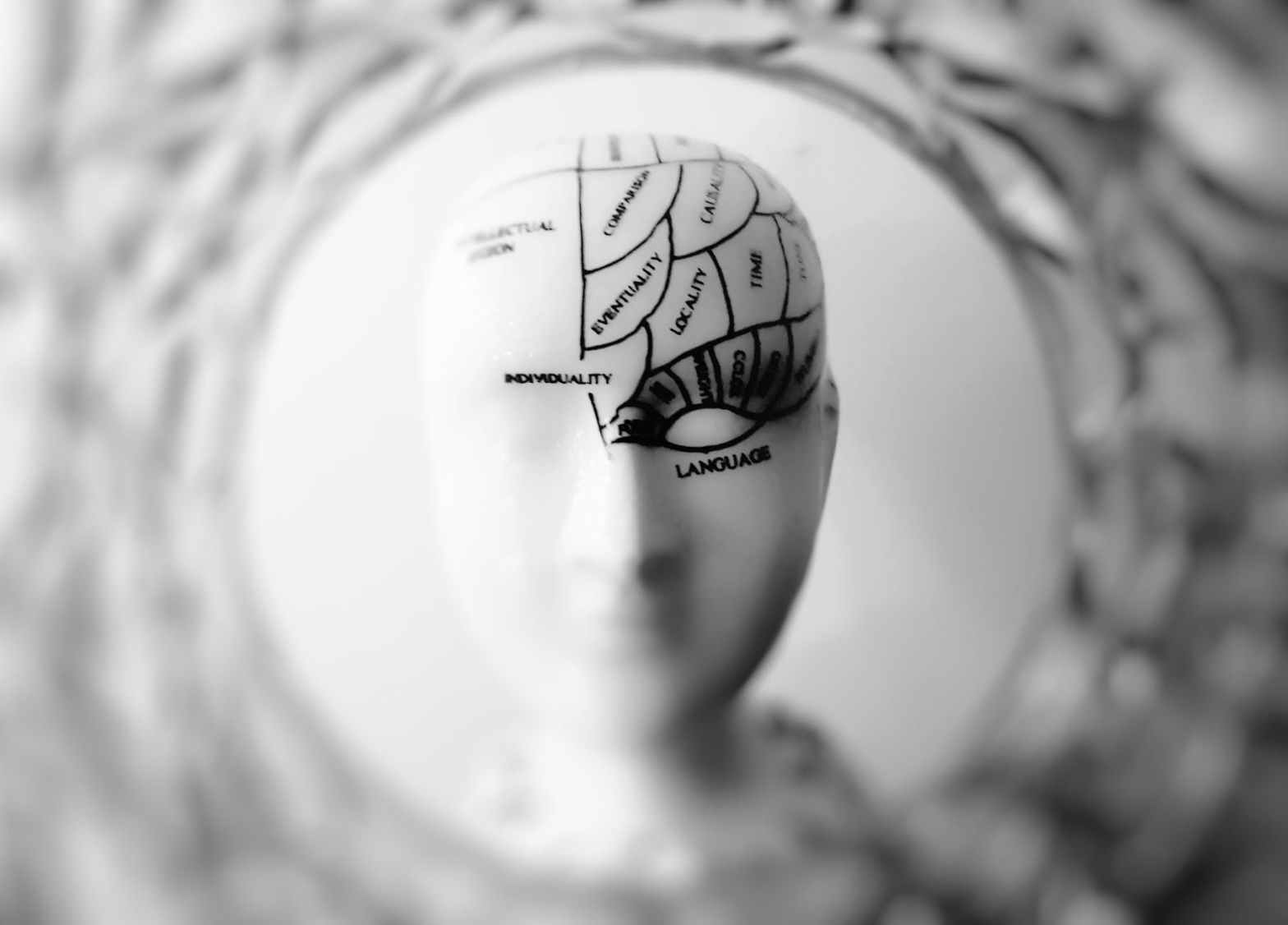
Do You Often Forget Things?

Do you often forget things, from the most trivial trifle to the most important thing you have in mind?

Don’t worry, as one study has found out that:

“The point of memory is not being able to remember who won the Stanley Cup in 1972 but to make you an intelligent person who can make decisions”

While shopping, you may forget one of the most important items you were supposed to buy, or in the middle of a conversation with friends, it’s impossible for you to remember the title or the name of the author of a book you were recommending.

In short, it feels like starting Alzheimer’s because you notice that you have difficulties remembering (almost) everything.

But don’t worry, because a study by two researchers at the University of Toronto (Canada) reveals how important it is to forget.

Paul Frankland and Blake Richards, researchers at the University of Toronto conducted a study that found out that people who are more likely to forget are also the smartest!

“It is of utmost importance that the brain is able to select the information it acquires and eliminates irrelevant details, thus focusing on a more general view to ensure that decisions are made in the most correct way.”

These are the words of Blake Richards denying the belief that those who can remember more things are also the smartest, and confirming almost the opposite. The elimination of unimportant information allows us to increase our analytical abilities, focusing our attention on the fundamental things and avoiding unnecessary work of our brain.

The researchers developed this study after several years of research on memory loss and brain activity, including both humans and animals.

The conclusion is that:

“If you forget occasional details,” Richards says, “it may mean your memory is healthy and doing exactly what it should be doing”.

Are you someone who often forgets things?

You can find more on brain here.

Ti dimentichi spesso quello che devi fare?

Ti dimentichi spesso quello che devi fare, dalla più banale sciocchezza alla più importante delle cose che hai in mente?

Non ti preoccupare perché uno studio rivela che:

Lo scopo della memoria non é ricordarsi chi ha vinto l’ultima coppa del mondo di calcio, ma é quello di farti diventare una persona intelligente che puó prendere delle decisioni.

Quando vai a fare la spesa, puó capitarti di non ricordarti di comprare una delle cose più importanti che avevi in mente e a cui avevi pensato qualche ora prima a casa o, nel bel mezzo di una conversazione con gli amici, non ti ricordi il titolo o il nome dell’autore di un libro o di un film del quale stavi parlando.

Se non sei piú tanto giovane come me, potresti iniziare a pensare che hai l’Alzheimer perché ti dimentichi tante cose.

Ma niente paura, perché uno studio condotto da due ricercatori dell’Università di Toronto (Canada) rivela quanto sia importante dimenticare.

Paul Frankland e Blake Richards, ricercatori dell’Università di Toronto, hanno condotto uno studio che ha scoperto che le persone che hanno maggiore propensione a dimenticare sono anche le più intelligenti. Gli studiosi affermano che é della massima importanza che il cervello sia in grado di selezionare le informazioni che acquisisce ed eliminare dettagli irrilevanti, concentrandosi così su una visione più generale. Ció assicura che le decisioni siano prese nel modo più corretto.

Queste sono le parole di Blake Richards che nega la convinzione che chi riesce a ricordare più cose sia anche il più intelligente, confermando quasi il contrario. L’eliminazione di informazioni non importanti ci permette infatti di aumentare le nostre capacità analitiche, focalizzando la nostra attenzione sulle cose fondamentali ed evitando lavoro inutile al nostro cervello.

I ricercatori hanno sviluppato questo studio dopo diversi anni di ricerca sulla perdita di memoria e sull’attività cerebrale, includendo sia gli esseri umani che gli animali.

La conclusione é questa:

“Se dimentichi dettagli occasionali”, dice Richards, “può significare che la tua memoria è sana e fa esattamente quello che dovrebbe fare.”

Tu sei una persona che dimentica spesso?

Puoi trovare qui altri articoli sul cervello.

I Accept Myself As I Am

After finishing my training to become a coach (already a long ago, in 2017), I began to recite a mantra that sounds like this: 

I love and accept myself as I am.

Every time I argue with my husband, especially when he doesn’t like some of my behaviour, I go with my mantra: I love and accept myself as I am.

What does it mean to love and accept ourselves as we are?

First, it means having a healthy relationship with ourselves, namely clogging the genuine belief that we are enough and not continuing to try to be “validated” by others.

Self-acceptance is not just about your body. Sometimes when we look in the mirror (especially us women) we do not like ourselves, we see ourselves fat, a little older, with dark circles under our eyes and who knows what other defects. Our body is the most visible part of ourselves, and commercials make us see people in great shape, always perfect and beautiful.

But also our personality is important of course, and it is crucial to accept ourselves as we are.

Why is accepting oneself so important?

Research has shown that non-acceptance of oneself or poor self-acceptance can be the cause of depression and anxiety. In addition, a negative image of ourselves can even cause eating disorders that could also turn into obesity.

Although accepting ourselves as we are would make us feel better, it is not easy, because we always seek others’ approval. This is also the result of social conditioning, which pushes us to always seek validation from the group, from the community we belong and feel part of.

Moreover, today, with the massive use of social media, we tend more and more to compare ourselves to others, we want to get as many likes as possible, to feel part of something that goes beyond our identity, and prevents us from achieving a well-being based on who we really are and what we seek in life, our purpose, why we are on this planet, in one word, your Ikigai, as the Japanese would say.

We think that judgment, the approval of others contributes to our well-being, when in reality it is not like that.

Ask yourself the following questions:

  1. Who are these “others” whom you trust so much that you let them judge you?
  2. Do you really know them well?
  3. Why do you trust their judgment?

Remember: accept yourself for what you are, with all your strengths and weaknesses.

Make my mantra yours: I love and accept myself as I am.

Mi accetto così come sono

Dopo aver terminato la formazione per diventare coach nell’ormai lontano 2017, ho cominciato a recitare un mantra che suona così:

Io mi amo e mi accetto così come sono.

Tutte le volte che discuto con mio marito, soprattutto quando mi fa notare che non gradisce certi miei comportamenti, ecco che gli recito questo mantra: Io mi amo e mi accetto così come sono.

L’accettazione di sé stessi non riguardo solo il proprio corpo. A volte quando ci guardiamo allo specchio (soprattutto noi donne) non ci piacciamo, ci vediamo grasse, un po’ piú vecchie, con le occhiaie scure e chissá quali altri difetti.

Il nostro corpo é ovviamente la parte piú visibile di noi stessi, poi la pubblicitá ci fa vedere delle persone in forma smagliante, sempre perfette e belle.

Ma anche la nostra personalitá ha un impatto sul nostro morale e sul nostro accettarci cosí come siamo.

Cosa significa amarsi e accettarsi così come siamo?

Innanzitutto, significa avere una relazione sana con noi stessi, cioè costruire la genuina convinzione di essere abbastanza e non continuare a cercare di essere “validati” dagli altri.

Perché accettarsi è così importante?

Ricerche hanno dimostrato che la non accettazione o una scarsa accettazione di sé stessi può essere la causa di depressione e ansia. Inoltre, un’immagine negativa di noi stessi può causare perfino disturbi alimentari che potrebbero sconfinare anche nell’obesità.

Anche se accettarci così come siamo ci farebbe stare meglio, non è facile, perché cerchiamo sempre l’approvazione degli altri. Questo è anche frutto del condizionamento sociale, che ci spinge a cercare sempre la convalida da parte del gruppo, della comunità di cui ci sentiamo parte.

Oggi poi, con l’utilizzo massiccio dei social media, l’abitudine di paragonarci agli altri, di cercare di avere più like possibile, di sentirci parte di un qualcosa che va al di là della nostra identità, ci impedisce di raggiungere un benessere basato su chi siamo veramente e quello che cerchiamo nella vita, il nostro scopo, il motivo per cui siamo su questo pianeta, in una parola il nostro Ikigai, come viene definito dai giapponesi.

Pensiamo che il giudizio, l’approvazione degli altri contribuisca al nostro benessere, mentre in realtà non è così.

Prova a chiederti:

  1. Chi sono questi “altri” dei quali mi fido così tanto da permettergli di valutarmi?
  2. Li conosco davvero bene?
  3. Perché mi fido del loro giudizio?

Ricorda: accettati per quello che sei, con tutti i tuoi pregi e tutti i tuoi difetti.

Fai diventare tuo il mio mantra: Io mi amo e mi accetto così come sono.

Appreciating the Differences

This story tells us why we should appreciate the differences to build up collective intelligence.

Alone we go faster, together we go further – African proverb

An Indian story tells us about the discovery of an elephant by six blind people.

Each of them touching only a part of the elephant described it differently depending on where they had touched the animal. So, one compared it to a wall, another said a spear, another a snake, or a tree, a fan, or a rope.

They began to argue about what they had felt by touching the elephant. The discussion became very animated because each of them wanted to be right.

A wise man passed by and heard them arguing. Then, he approached them and with a smile said: “The elephant has all the traits that you have described, because you have touched only one part of the animal.  That’s why you describe it differently.”

This story explains well that it is quite inappropriate to be sure that we are right because reality always exceeds our personal visions, our context based on a unique path and limiting beliefs.

Differences when they become obstacles take away the opportunity to broaden our consciousness and enrich collective intelligence, where 1 + 1 equals 3.

Therefore, considering an ally the one who thinks differently rather than an enemy or a rival, would not lead us to add up our different approaches but we will reach new solutions, which would exceed the individual contribution of each of us.

Once again, common sense invites us to be tolerant rather than judgmental, because to judge means to separate but, as the African proverb says, “Alone we go faster, together we go further”.

What do you think about this story?

Apprezzare le differenze

Questa storia racconta l’importanza dell’apprezzare le differenze per costruire l’intelligenza collettiva.

Soli si va più veloci, insieme si va più lontano – Proverbio africano

Una favola indiana racconta la scoperta di un elefante da parte di sei persone cieche.

Ognuno di loro toccando solo una parte dell’elefante lo descriveva in modo diverso a seconda di dove aveva toccato l’animale. Quindi, uno lo comparò ad un muro, un altro disse una lancia, un altro ancora un serpente, oppure un albero, un ventaglio o una corda.

Cominciarono a discutere su quello che avevano sentito toccando l’elefante. La discussione diventò molto animata perché ciascuno di loro voleva aver ragione.

Un saggio passò vicino e li sentì discutere. Quindi, si avvicinò e con un sorriso disse loro: “L’elefante ha tutti i tratti che avete descritto, perché voi avete toccato solo una parte dell’animale. E’ per questo che lo descrivete diversamente”.

Questa storia spiega bene che è molto incauto essere certi di aver ragione e che la realtà supera sempre le nostre visioni personali e il nostro contesto che é basato su un percorso unico e su delle credenze limitanti.

Le differenze quando diventano ostacoli ci tolgono l’occasione di ampliare la nostra coscienza e di arricchire l’intelligenza collettiva, dove la somma degli individui é superiore al loro risultato numerico (in altre parole 1+1 non fa 2 ma 3).

Perciò, considerare un alleato colui che la pensa diversamente piuttosto che un nemico o un rivale, non ci condurrebbe a sommare i nostri approcci diversi ma a far nascere delle soluzioni inedite, che supererebbero l’apporto individuale di ciascuno di noi.

Ancora una volta, il buon senso ci invita ad essere tolleranti piuttosto che giudicare. Perché giudicare significa separare e, come dice il proverbio africano “Soli si va più veloci, insieme si va più lontano”.

Cosa ne pensi di questa storia?

Why You Shouldn’t Tell This to Depressed People

Whether you went through depression or have a loved one who suffers from it, we all know that depression is not easy to live with. And what makes the situation worse is often the feeling that people around us don’t understand our being unwell and try to minimize the importance of this disorder.

I explained it in my last post on Wise&Shine last week.

Therefore, I would like to list here some phrases that you shouldn’t tell to depressed people:

1. “Focus on getting better.”  We tend to forget that the state of depression affects us physically and psychologically. It is not enough to get out of bed, get some fresh air and take a walk to get rid of it. If this were the case, depressives would be the first ones to do so, without your advice, because it is very likely that they want to get out of this state.

2.”It will be better tomorrow.”  This phrase could worsen the condition of the depressed person. They may expect to get better the next day, but depression cannot be treated overnight.

3.”Just be happy” For a depressed person, being happy is inconceivable because their disorder alters the image they have of reality. Talking to them about happiness will not improve their disorder, on the contrary. You cannot talk to them about things they are unable to do and sometimes even understand.

4. “It’s your fault.”  Often, when something negative happens to our life, we imagine that it is our fault, and that we deserve it. This kind of approach can aggravate the situation of the depressive person.

5. “Don’t be so negative.”  Negativity is part of how depressive people see life. It doesn’t make sense to tell them something like this. Most probably they will not understand.

6.”Stop complaining, there are people who have a more terrible life.”  This is what I hate the most. It’s not by comparing to some other people that a depressed person would feel better. Being unable to get out of their depression, they would feel even more guilty and miserable for being unwell when they see that terrible things are happening around them. Depressives have very low self-esteem, and this kind of sentence will only increase their self-hatred.

Remember that we all may face difficult times in life. Try to be compassionate with anyone who is suffering also making a good use of your words.

What about you? Do you feel compassionate when someone is suffering?

Non dire queste cose a una persona depressa

Sia che tu abbia attraversato la depressione o conosci una persona cara che ne soffre, sai bene che con questo disturbo non è facile convivere. E ciò che peggiora la situazione è spesso sentirsi incompresi dalle persone che ti stanno intorno, familiari o amici, che cercano di minimizzare l’importanza di questo disturbo. Perció, non dire queste cose a una persona depressa.

Ecco le frasi che non dovrebbero mai essere dette alle persone che soffrono di depressione:

1.”Concentrati sul miglioramento.”  Tendiamo a dimenticare che lo stato di depressione colpisce sia fisicamente che psicologicamente. Non è sufficiente alzarsi dal letto, fare una passeggiata e prendere un po’ d’aria fresca. Se così fosse, i depressi sarebbero i primi a farlo, senza il tuo consiglio, perché é molto probabile che vogliano uscire da questo stato.

2.”Starai meglio domani.”  Questa frase potrebbe peggiorare la condizione della persona depressa, perché potrebbe aspettarsi di migliorare il giorno dopo, ma non succederà. La depressione non può essere curata durante la notte.

3. “Sii felice” Per una persona depressa, essere felice è inconcepibile perché il disturbo di cui soffre altera l’immagine che ha della realtà. Parlare con un depresso della felicità non migliorerà la sua posizione, al contrario. Significherebbe parlare di cose che non sono in grado di fare e forse nemmeno di capire.

4. “È colpa tua.”  Spesso, quando ci succede qualcosa di brutto nella vita, immaginiamo di meritarcelo, di essercelo guadagnato. Anche questo tipo di discorso potrebbe nuocere alla situazione della persona in stato di depressione perché potrebbe creargli dei sensi di colpa.

5. “Non essere così negativo.”  La negatività fa parte del modo in cui i depressi vedono la vita. Quindi non ha senso dire una cosa del genere, difficilmente la capirebbero.

6.”Smettila di lamentarti, ci sono persone che hanno una vita più terribile.”  Questa é la frase che odio di più. Non ci si può paragonare agli altri, ogni persona ha la sua storia. Inoltre, questa frase non permetterebbe alla persona depressa di sentirsi meglio, anzi. Non essendo in grado di uscire dalla depressione, la persona che soffre si potrebbe sentire ancora più colpevole e infelice perché ci sono altre persone che stanno attraversando momenti terribili; quindi, banalizzando lo stato di malessere di una persona si puó peggiorarne lo stato. I depressi hanno un’autostima molto bassa e questo tipo di frase non farebbe che aumentare il loro odio verso sé stessi.

Ricorda che tutti noi potremmo trovarci in momenti difficili durante la nostra vita e bisognerebbe cercare di superare i preconcetti e i pregiudizi che abbiamo verso le persone che non stanno mentalmente bene. Anche se non si vede che una persona sta male non vuol dire che stia fingendo (per quale motivo poi una persona dovrebbe fare finta di star male?). Quindi, fai attenzione alle parole che usi.

Hai mai avuto a che fare con una persona depressa? Oppure tu stesso sei mai stato depresso?

Why Reading Makes You a Better Person

I want to share a story with you on why reading makes you a better person.

“I’ve read a lot of books, but I’ve forgotten most of them. So what is the purpose of reading?”

This was the question that a pupil once asked his Master.

The Master at that moment did not answer.

After a few days, however, while he and the young pupil were sitting by a river, he said he was thirsty and asked the boy to get him water using an old bucket all dirty that was there on the ground.

The pupil flinched, as he knew it was a request without any logic.

However, he could not contradict his Master, and taking the bucket, he began to accomplish this absurd task. Every time he immersed the bucket in the river to pull up water to take to his Master, he could not take even one single step towards him that the bucket was empty.

He tried and tried again dozens of times, but no matter how hard he tried to run faster from the shore to his Master, the water kept passing through all the holes in the bucket and got lost along the way.

Exhausted, he sat down beside the Master and said:

“I can’t catch water with that bucket. Forgive me Master, it is impossible and I have failed in my task.”

“No,” replied the old man, smiling, “you didn’t fail. Look at the bucket now. Thanks to the water that filtered from the holes, it’s clean and looks new.”

“When you read books,” continued the old Master, “you are like that bucket, and the books are like the water of the river.”

“It doesn’t matter if you can’t remember all the books you read. The books with their ideas, emotions, feelings, and knowledge, that you will find among the pages, will cleanse your mind and your spirit, and make you a better and renewed person. That’s the purpose of reading.”

What about you? Do you think that reading would make you a better person, and that it will also improve the quality of your life?