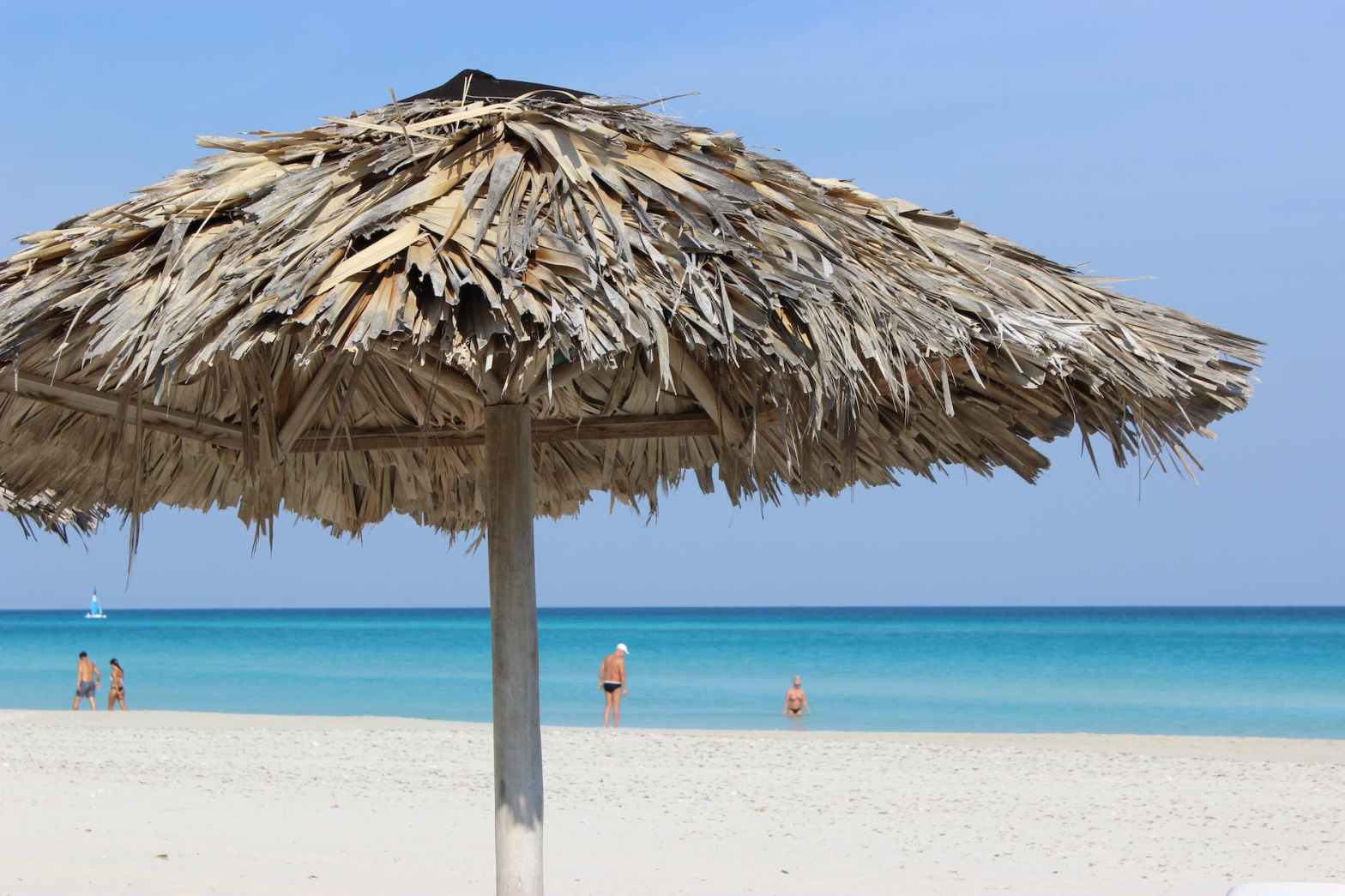
Il benessere della passeggiata in spiaggia

Sono appena tornata da una bellissima vacanza a Cuba, dove ho potuto ritrovare il benessere di passeggiare in spiaggia.

Sappiamo tutti che trascorrere del tempo all’aperto fa bene fisicamente e mentalmente, ma recentemente sono stati rivelati anche i benefici del trascorrere del tempo in spiaggia.

Quell’incredibile sensazione di pace e calma che si prova in spiaggia è dovuta al colore blu del mare, che gli scienziati hanno chiamato “spazio blu“. L’effetto della combinazione di odori rilassanti e suoni che il movimento dell’acqua del mare ha sul cervello, sono sufficienti per farti sentire a tuo agio e quasi ipnotizzato. 

Lo spazio blu contribuisce al tuo benessere in quattro modi diversi:

1. Riduce lo stress: l’acqua è il rimedio offerto della natura per affrontare i fattori di stress della vita. Contiene ioni positivi naturali che sono noti per avere la capacità di farti sentire bene. Quindi, sia che tu stia nuotando o semplicemente immergendo le dita dei piedi nell’acqua, é sicuro che stai provando un senso di relax. Il tuo umore migliora istantaneamente e tutti dovremmo beneficiarne di tanto in tanto!

2. La spiaggia stimola la tua creatività: ti senti come se avessi delle idee piú brillanti del solito? La passeggiata in spiaggia sviluppa la tua creativitá. Gli scienziati ritengono che camminare vicino allo spazio blu consente di schiarirti le idee e perció potrai affrontare problemi o progetti in modo più creativo. Proprio come la meditazione, la spiaggia innesca un senso di calma che ti permette di centrarti sul tuo spirito e quindi di riflettere su ciò che ritieni piú importante in quel momento.

3. Andare in spiaggia può aiutare a ridurre gli stati di depressione: proprio come gli effetti che la passeggiata nello spazio blu provoca sullo stress e sulla creativitá, la spiaggia puó offrire anche un po ‘di sollievo da uno stato depressivo. Il suono ipnotico delle onde in combinazione con la vista e gli odori della spiaggia può facilitare lo stato meditativo, che ti aiuta a liberare la mente e a riflettere sulla vita in uno spazio sicuro, lontano dal caos della tua vita quotidiana.

4. Nel complesso, trascorrere del tempo in spiaggia cambierà in meglio la tua prospettiva di vita. La natura in generale ci aiuta da sempre ad avere una vita sana e felice, ma passeggiare sulla spiaggia in particolare fa veramente bene allo spirito e al morale.

Quindi prendi la crema solare e vai a fare una passeggiate in spiaggia! Anche d’inverno il mare ha il suo fascino ed esercita il suo potere benefico.

Ti é piaciuto questo articolo? Se vuoi leggere altro sul benessere, visita queste pagine.

How to Keep Your Resolutions

Today is the first of January and many of us have decided about their resolutions for 2023, or are about to do so. The new year brings the desire for a change, the need for renewal. We would like to spend more time with our family, to take that trip that we have been dreaming about for so long, to change our job, to enrol in a gym club, to lose weight, to stop smoking…the main goal is feeling better with ourselves and with others.

Why does it happen then that along the way we forget about our resolutions or we abandon them?

Here are some questions you should ask yourself.

Are your resolutions too ambitious, vague or simply they are too many? In this case you are putting too much pressure on yourself. If you have decided to stop smoking or to lose 10 kilos, you must ask yourself why you have started smoking and why you are always hungry. Are they ways for relieving the daily tensions?

Are you positive in comparison to the achievement of your resolutions? If you think that you will never make it, it is sure that you will never make it. Henry Ford used to say: “If you believe you can make it or if you believe you cannot make it, you will always be right”.

Are your resolutions appealing? You have decided to lose weight or to stop smoking. As such, they are great objectives. But find a bigger reason for which you want to achieve these objectives. For instance, you want to stop smoking to be able to recover breath faster when you go jogging or you want to lose weight to put on those beautiful pants that suited you very well.

Bad habits are difficult to lose, above all you need time. If you have been sticking to them for years, you have your good reasons (to protect yourself from stress, for example). You cannot change your habits in some weeks. Some time ago, studies stated that you could take up a new habit in 21 days. Now, neuroscience has found out that you need at least 60 days! Take your time then, establish a new habit with calmness, don’t stretch your body too far, your body is comfortably used to the old habit and it doesn’t feel like changing it. You must make it understand, day after day, that another way is possible and it is also healthier!

Besides, remember that the path won’t always be linear and you may find obstacles. There will be some easy moments and some difficult ones but losing a battle doesn’t mean losing the war. Accept the ups and downs: your body will learn to adapt slowly.

Choose an objective that won’t sound like an obligation, in the sense that it must represent a real choice, a thing that you want to do, not that you must do. Control your thoughts, remember what Henry Ford said. Don’t focus on what you still have to achieve, but celebrate what you have already achieved. List the small victories and congratulate yourself. Stay positive!

Think about the strength that a seed has to become grass. It must come out from the soil to be able to live and flourish. It works slowly under the soil, up to when one day it comes out and sees the light! For you it is kind of the same thing. Work slowly and one day you will see the results, because you are stronger than you think.

And now four tips:

1. set one objective at the time, but define it well, use the SMART model (specific, measurable, attainable, relevant and time bound). Even though this model has been created for organisations, it may be helpful also to individuals engaged in goal setting.

2. Adopt the strategy of small steps by dividing your objective into smaller objectives.

3. Celebrate achievements: the first kilo you have lost, the first whole day without smoking. Put some post-it all over your place with your success on it. Tell yourself “Well done!”.

4. Inform your family and friends about your goals and ask them to help you with this. Getting their support will help you in achieving the results. Look for some groups on Facebook that share your same goals, and participate in forums on the Internet. Remember that you are not alone, there are other thousands of people that may have your same goals and exchanging ideas with them can be helpful to you. You can create a blog that can become your journal (a journal on paper is also okay).

I wish you a successful 2023!

Photo by Cristiana Branchini

Come mantenere le risoluzioni per l’anno nuovo

Oggi é il primo giorno dell’anno e molti di noi hanno giá stabilito degli obiettivi da raggiungere nel 2023, o stanno per farlo. Si tratta delle cosiddette risoluzioni, che sono facili da decidere ma difficili da mantenere lungo tutto il corso dell’anno.

Il nuovo anno porta con sé la voglia di cambiamento, di rinnovamento. Vorremmo passare più tempo in famiglia, fare quel viaggio che sogniamo da tanto tempo, cambiare lavoro, iscriversi in palestra, dimagrire, smettere di fumare…con l’obiettivo principale di sentirsi meglio con sé stessi e con gli altri.

Perché succede che strada facendo e man mano che passa il tempo ci dimentichiamo delle nostre risoluzioni o le abbandoniamo?

Ecco alcune domande che puoi porti.

I tuoi obiettivi sono troppo ambiziosi, vaghi o semplicemente troppi? In questo caso ti stai mettendo sotto pressione. Se hai deciso di smettere di fumare o di perdere 10 chili, devi chiederti perché fumi e perché hai sempre fame. Non sono questi dei modi per allievare le tante tensioni giornaliere?

Sei positiva/o rispetto al raggiungimento delle tue risoluzioni? Se pensi che non ce la farai mai, è sicuro che non ce la farai mai. Henry Ford diceva:

“Che tu creda di farcela o di non farcela avrai comunque ragione”.

La tua risoluzione è allettante? Hai deciso di dimagrire o di smettere di fumare. In sé sono degli obiettivi grandiosi. Trova un motivo per cui vuoi raggiungere questi obiettivi. Ad esempio, vuoi smettere di fumare per poter recuperare fiato più velocemente quando corri oppure vuoi dimagrire per tornare a metterti quei bellissimi pantaloni che ti piacciono tanto.

Le cattive abitudini sono difficili da perdere, soprattutto ci vuole del tempo. Come dicevo prima, se le hai prese, avrai avuto i tuoi buoni motivi (proteggerti dallo stress, per esempio). Non credere di cambiare abitudine in alcune settimane. Una volta si pensava che per cambiare un’abitudine bastassero 21 giorni. Ora, nuove ricerche neuro-scientifiche hanno stabilito che ce ne vogliono almeno 60! Quindi prenditi il tuo tempo, introduci la nuova abitudine con calma, non mettere fretta al tuo corpo, che è comodamente adagiato sulla vecchia abitudine e non ha nessuna voglia di sostituirla. Devi fargli capire, passo dopo passo, che un altro modo di funzionare è possibile anzi è persino salutare!

Inoltre, sappi che il cammino non sarà sempre lineare ma potrai incontrare degli ostacoli. Ricordati che ci saranno dei momenti più facili di altri e che perdere una battaglia non significa perdere la guerra. Anzi, accetta gli alti e i bassi: il corpo avrà modo di adattarsi lentamente.

Scegli un obiettivo che non sia un’imposizione, nel senso che deve rappresentare veramente una scelta, una cosa che vuoi fare, non che devi fare.

Controlla i tuoi pensieri, ricorda quello che diceva Henry Ford. Non concentrarti su quello che resta da fare, ma celebra quello che hai già fatto. Elenca le piccole vittorie e fatti i complimenti. Resta positiva/o!

Photo by Cristiana Branchini

Pensa alla forza che ha un seme per diventare un filo d’erba. Deve bucare la terra per vivere. Lavora lentamente sotto terra, fino a quando un giorno buca la terra e vede la luce! Per te è un po’ la stessa cosa. Lavora lentamente e un giorno vedrai il risultato, perché sei più forte di quello che credi.

E ora i quattro consigli:

  1. Programma un solo obiettivo alla volta, ma definiscilo bene, seguendo il modello SMART (specifico, misurabile, raggiungibile, rilevante e circoscritto nel tempo) che, anche se si riferisce ad un ambito aziendale, risulta ugualmente efficace.
  2. Adotta la politica dei piccoli passi dividendo il tuo obiettivo in tanti piccoli obiettivi.
  3. Celebra i successi: il primo chilo che hai perso, il primo giorno intero senza fumare. Metti dei post-it un po’ per tutta la casa con scritto quanto sei stata brava/o.
  4. Annuncia ai tuoi cari che hai questo obiettivo e chiedegli di aiutarti in questo percorso. Avere il loro sostegno ti aiuterà nel cammino verso la riuscita. Cerca dei gruppi su Facebook che hanno il tuo stesso obiettivo, partecipa a dei forum su Internet. Ricordati che non sei sola/o, ci sono altre migliaia di persone che hanno il tuo stesso obiettivo e scambiare delle idee con loro può esserti d’aiuto. Puoi creare tu stessa/o il tuo blog, che può diventare il tuo diario (ma un diario su carta va benissimo).

Non mi resta che augurarti uno splendido 2023!

This Christmas

This Christmas I didn’t go home to Italy. This Christmas I am in Cuba.

Many have asked me why Cuba.

For many years I wanted to visit Cuba and finally I decided to book the flight, organize a small tour with a local agency and then finish the holiday in a hotel on a beach, that looks like the photo you see above.

I have been travelling alone with my son, my husband did not feel like coming with us. It’s a pity, this makes me a little sad, because Christmas is meant to be with the family.

But this Christmas is different. After two years of Covid, now there is war in Europe, we must save on energy, our homes and offices are all rather cold.

So, I said to myself:

  1. Carpe diem. Life is short, sometimes it is also difficult, my son will be finishing his master, I received a promotion at work, this year is the right time that we will go to Cuba.
  2. Considering the temperatures there are here in Brussels (but in Bologna it would not be better), I decide to go to get some sun on a beautiful Caribbean island rich in history, and an outpost of communism in the American continent.

That Cuba is the outpost of communism in America has not benefited them much nor does it continue to benefit them. In fact, the island has been under an embargo since the sixties precisely because of this, because they are communists. Life on the island is difficult, many things are missing. My guide told me that what for us is normal here for them is a luxury. Unfortunately, medicines are also not easily found. So, this Christmas, instead of making the usual donation to an association that wants to protect human rights or the environment, I decided to show my solidarity with the Cuban people by going to visit their island.

Wherever you are right now, I wish you a Merry Christmas and a wonderful New Year

And remember: carpe diem!

Questo Natale

Questo Natale non sono andata a casa in Italia. Questo Natale mi trovo a Cuba.

In tanti mi hanno chiesto perché proprio Cuba.

Da tanti anni volevo visitare Cuba e finalmente mi sono decisa a prenotare il volo, organizzare un piccolo tour con un’agenzia locale per finire poi la vacanza in un hotel su una spiaggia da cartolina, tipo la foto che vedi qui sopra.

Sono partita sola con mio figlio, mio marito non se l’é sentita di viaggiare con noi. E’ un peccato, questa cosa mi rende un po’ triste, perché Natale é la festa della famiglia.

Poi questo Natale é diverso. Dopo due anni di Covid, ora in Europa c’é la guerra, dobbiamo risparmiare sull’energia, le nostre case e i nostri uffici sono tutti piuttosti freddi.

Dunque, mi sono detta:

  1. Carpe diem. La vita é breve, a volte é anche difficile, mio figlio finisce il master, io ho ricevuto una promozione sul lavoro, quest’anno é la volta buona che andiamo a Cuba.
  2. Considerando il freddo che abbiamo qui a Bruxelles (ma a Bologna non sarebbe meglio), andiamo a prendere un po’ di sole in una bella isola dei Caraibi ricca di storia, e avamposto del comunismo nel continente americano.

In sé, che Cuba sia l’avamposto del comunismo in America, non le ha giovato molto né continua a giovarle. Infatti, l’isola subisce un embargo dagli anni sessanta proprio per questo, perché sono comunisti. La vita sull’isola é difficile, mancano tante cose. La mia guida mi ha detto che quello che qui da noi é normale per loro é un lusso. Purtroppo anche le medicine non si trovano facilmente. E allora questo Natale, anziché fare la solita donazione ad un’associazione che si occupa di diritti umani o ambientali, ho deciso di dimostrare la mia solidarietá al popolo cubano andando a visitare la loro isola.

Dovunque ti trovi in questo momento, ti auguro un felice Natale e uno stupendo anno nuovo

E ricorda: carpe diem!

5 Tips for Replacing Wrapping Paper

Why don’t you get rid of wrapping paper this year for your Christmas gifts? Try another fun and creative way of packaging and make the surprise all the greater. Here are 5 tips that will help you to replace wrapping paper.

1. Tote and handmade bags

There is something for everyone, in all colours and tastes: fabric bags are now available in many stores. They can be offered with the gift, which provides that little extra.

Another good idea: make your own gift-wrapping paper with nicely selected fabrics or scraps, which could be used again. Need help? There are certainly workshops for making bags in your area.

2. Furoshiki

Furoshiki is a Japanese art form. Take a square piece of fabric and fold it in countless ways into a gift box, bag, bottle holder… For example, use a scarf that you still have in the cupboard or a specially selected piece of textile.

You can then unpack the gift for the one who receives it. That makes an even bigger surprise because we are not used to packaging like that. You can of course choose to reuse or keep the Furoshiki.

3. Boxes and jars

You can buy a beautiful wooden box that can be reused, or a beautiful iron box that serves as a second storage or decorative gift.

And recycling is also a must: use boxes (of cake, chocolates or shoes), pots and glass jars in all shapes and sizes. A raffia ribbon, a lick of paint or a beautiful label immediately give the gift a personal touch.

4. Recycled paper or fabric

Newspapers, posters, magazines, drawings, old cards or comics that are too damaged… will always be original! It will not be zero waste, but it will be reused.

A pillowcase that you don’t like or the one that you don’t use any longer and it is stored in the cupboard, a paper sheet that is waiting for a second life, a T-shirt with worn edges,…: with some cutting, buttons and other adjustments, you will make a surprise effect.

5. Bags or socks under the chimney

A large bag, a decorated box that was used before for biscuits, a wooden box,… You can put all the gifts in it, and make a surprise to your kids.

You can put small gifts in socks, specially bought for the occasion or taken from your wardrobe because you don’t use them any longer.

What do you think about these tips? Are you ready to reduce your waste?

This article has been previously published on City of Brussels.

6 consigli per evitare lo stress del periodo natalizio

A me piace molto il periodo natalizio. Mi porta indietro al periodo della mia infanzia quando aspettavo con impazienza l’apertura dei pacchi regalo la mattina di Natale. Oggi, che abito lontano dai miei cari, rappresenta per me un momento di condivisione e di serenità.

Capisco, tuttavia, che possa diventare stressante. Comprare i regali all’ultimo minuto, preparare cena o il pranzo (a seconda della tradizione a cui appartenete, noi facciamo tutti e due, tanto per non farci mancare nulla…), fare gli auguri a tutti, sperando di non dimenticarsi nessuno.

Ecco alcuni consigli per cercare di vivere al meglio questo natalizio senza stress:

  1. Se non riesci a vedere tutti per fare gli auguri di persona, fai una telefonata o invia un messaggio. Ti assicuro che fa questo fa la differenza perché non ti sentirai in colpa.
  2. Non rifiutare la tradizione ma nemmeno le cose nuove: cerca di stare bilanciata tra l’osservanza della tradizione e non farti mancare esperienze nuove. La tua curiosità va soddisfatta e farai delle cose diverse
  3. Non farti influenzare dalla pubblicità. Sei sicuramente circondata da immagini e idea di come sia perfetto il Natale. Per te, però, potrebbe essere stressante a livello emotivo e forse anche a livello finanziario. Non immergerti in questa finzione e non paragonarti a queste rappresentazioni assolutamente irreali.
  4. Cerca di andare in posti in cui sai che starai bene, che ti danno gioia. Cerca di passare del tempo con le persone che ti piacciono di più.
  5. Se stai attraversando un periodo difficile, sei più vulnerabile e sperimenti uno stress emotivo maggiore durante le feste. È importante per te non ignorare i tuoi sentimenti, le tue sensazione. Non aver paura a cercare il supporto di specialisti che possono aiutarti ad analizzare quello che ti sta accadendo.
  6. Trova il tuo equilibrio. Prenditi il tempo per riflettere e pensare a quello che funziona meglio per te. Se vuoi andare a trovare qualcuno fallo solo se ti va, non devi farlo per forza. E non inventare nemmeno delle scuse (per te e gli altri), non te la senti e basta. Trovare il tuo equilibrio è essenziale per la tua salute.

Buone Feste!

Anch’io vado in vacanza, il prossimo articolo sarà nel 2023!

Windows

Windows are thresholds for the human mind.

Windows are thresholds for the human mind. Looking out the window, leaving your gaze suspended beyond a glass pane is not synonymous with wasting your time.  

Sometimes, the person looking beyond this threshold doesn’t want to see the outside world. They simply want to cross their reflection to navigate through the waves of introspection and reach inner worlds in search of new possibilities. In reality, there are few mental exercises that can be more useful than this one.

Windows are often indispensable resources for any dreamer. And also for that person who needs to rest after a stressful day and leans their head against the icy glass of a subway window. It is at this moment that the gaze relaxes and the imagination begins. At this time, we start to daydream and our brain finally finds relief, freedom, and well-being.

Windows allow daydreaming

Expert psychologists in the world of creativity like Scott Barry Kaufman and Jerome L. Singer, explain in one of their studies that today daydreaming is almost considered a stigma. Whoever chooses to look out the window for half an hour instead of continuing to work on their computer is nothing but lazy.

In addition, in another study by these psychologists, they showed that 80% of business leaders believe that creativity is enhanced by work and continuous activity. Thus, the person who, at some point, chooses to go for coffee in front of a window is someone who cannot stand the pressure, someone who may also be unproductive.

Today, we continue to associate action with productivity and passivity with laziness. We shall change these old and rusty ideas. Daydreaming is the art of going in search of the wonders hidden in our brain. It means training our mind to develop a little more introspection, curiosity, and imagination.

As Art, one of the authors of Wise and Shine, would say: Dare to dream.

Are you a daydreamer?

Finestre

Le finestre sono soglie per la mente umana. 

Le finestre sono soglie per la mente umana perché spesso sono una risorsa indispensabile per ogni sognatore. Oppure per quella persona che ha bisogno di riposare dopo una giornata di stress e appoggia la testa contro il finestrino ghiacciato di un vetro di una carrozza di un treno.

È in questo momento che lo sguardo si rilassa e la nostra immaginazione inizia a correre. E’ in questo momento che iniziamo a sognare ad occhi aperti e il nostro cervello trova finalmente sollievo, libertà, e benessere.

Guardare fuori dalla finestra, lasciare lo sguardo sospeso oltre una lastra di vetro non è sinonimo di perdita di tempo.  A volte, chi guarda oltre questa soglia non cerca di vedere il mondo esterno. Vuole semplicemente attraversare le sue frontiere per navigare attraverso le onde dell’introspezione e raggiungere mondi interiori alla ricerca di nuove possibilità.

In realtà, ci sono pochi esercizi mentali che possono essere più utili di questo.

Guardare attraverso una finestra permette di sognare ad occhi aperti.

Esperti psicologi nel mondo della creatività come Scott Barry Kaufman e Jerome L. Singer, spiegano che oggi, sognare ad occhi aperti è considerato quasi uno stigma. Chi sceglie di guardare fuori dalla finestra per mezz’ora invece di continuare a lavorare sul suo computer non è altro che un pigro.

In effetti, uno studio condotto da questi psicologi dimostra che l’80% dei leader aziendali ritiene che la creatività possa essere migliorata dal lavoro e dall’attività continua. Così, la persona che sta lavorando ma a un certo punto va a prendere un caffè davanti a una finestra, viene considerata una persona che non sopporta la stress, e potrebbe addirittura essere improduttiva.

Oggi continuiamo ad associare il movimento alla produttivitá e la passività alla pigrizia. E’ necessario cambiare questo punto di vista, dobbiamo cambiare queste idee vecchie e arrugginite. Sognare ad occhi aperti è l’arte di ricercare le meraviglie nascoste nel nostro cervello. 

Se sogni ad occhi aperti, stai allenando la tua mente e stai sviluppando la tua introspezione, la tua curiosità, e la tua immaginazione.

Come direbbe un amico che scrive su Wise and Shine “Dare to Dream”.

Tu sogni ad occhi aperti?

A Zen Story – The Quality of Our Effort

Do you know the Zen story of the young man who crosses Japan to reach the school of a famous martial arts master?

When he arrives at the dojo, the teacher asks him:

What can I do for you?”

The boy replies: “I want to study with you and become the best fighter in the whole region.”

How long will it take me?

10 years at least,” the teacher replies. “10 years is a very long time – replies the boy – What if I study two times more than all your students?

20 years then” – the master replies.

The boy, puzzled, replies “and if I train all day and night long with all of myself?

“30 years,” the teacher replies.

At this point the young man replies: “How is it possible that the more I say that I will work hard, the longer it will take me?

The answer is simple – concludes the master – “when you have one of your eyes fixed on the goal, you have only the other one left to find the way. »

How would you interpret this story?

Personally I consider it an important reminder of how it is not necessarily a more intense effort that can help us get sooner to the destination we have in mind, but rather an attention to the quality of our effort.  
Doing better step by step than trying to do more by burning down the steps will put less stress and anxiety in our lives.

It’s a bit like when we train our body. Practising intensive sports from time to time will only serve to traumatize your body. While a constant but carefully calibrated effort allows us not only to achieve lasting results, but to make each step of the journey much more enjoyable.

How could you reduce the intensity of the effort by improving its quality?