5 Steps To Be Healthy During the Winter

Winter, which is about to come, looks like a difficult season due to the cold temperatures that bring with it diseases such as colds, coughs, flu and this year Covid also. To protect yourself adequately, it is necessary to strengthen your immune system.

Here are 5 essential things to do for an efficient immunity.

  1. Healthy and balanced nutrition. Proper nutrition provides the energy needed to stay fit and to produce antibodies. You will therefore have to be careful to consume seasonal fruit and vegetables, limiting industrial and over-sweetened products. The ideal is to prepare your own meals, limiting sodas, pastries and alcoholic beverages because they can hinder the immune system. Some vegetables, such as mushrooms (like shiitaki), garlic, onion, shallot, and ginger have antibacterial properties. To stimulate our immune defences, you must also include fats in your diet, favouring mono-saturated or poly-saturated fats (fish such as sardines or mackerel and vegetable oils such as extra-virgin olive oil). It is highly recommended avoiding saturated fats like butter and whole milk. It would also be important to take a probiotic cure to strengthen our intestines. Perhaps you know that 70% of our immune system is in our intestines and probiotics strengthen the intestinal mucosa, especially in winter or if you have a serious or chronic illness. These micro-organisms are found in yoghurt and fermented milk. Another important part of winter nutrition are elements like zinc and selenium, which also contribute to stimulating the immune system and are found in foods rich in proteins such as crustaceans, egg yolk, poultry and the cheese.
  2. Vitamins. Vitamin A is a precious ally of immunity because it stimulates the production of antibodies. Products of animal origin such as meat, fish, whole milk and milk products in general are rich in vitamin A. Vitamin C, found in fruits and vegetables, helps the formation of immune cells. Vitamin E is naturally present in sunflower seeds and vegetable oils. It has to be an important part in the nutrition of elderly people because it compensates for the loss of immune defences due to ageing. As for vitamin D, its effectiveness is proven in the regulation of immunity. It also acts to counter the development of some autoimmune diseases such as multiple sclerosis. The main source of vitamin D is the sunlight. If you live in Belgium like me, or in another country in the Northern hemisphere, where the sun is scarce during the winter, taking supplement of vitamin D is recommended, especially if you are a woman in menopause or a person of a certain age. It is true that you can also find it in fatty fish, but in small quantities.
  3. The quality of sleep. Sleep disorders affect many people. The benefits of a pleasant night are well known. Stress and toxin are eliminated, tissues are repaired, cells are regenerated and you wake up in a good mood. A good sleep, in addition to having these effects, also strengthens your immune system and protects you from infections. To be well rested, you need to get enough sleep, between 6 and 8 hours. If you are having trouble falling asleep, have a ritual to clear your mind, avoid drinking coffee, overeating, and drinking too much alcohol in the evening. To prepare for a quiet night, remove from your room all the elements that stimulate your attention too much and emit blue light (TV, mobile phone, computer). Practising a relaxing activity such as meditation and reading before sleeping, may help you in falling asleep. An herbal tea before going to bed may also help you.
  4. Exposure to light. Light has an impact on the regulation of the biological clock. The lack of light, or the wrong light (artificial light, the blue light from the LED screens I mentioned earlier, night work shifts, or too rich diets), could have consequences on sleep and the immune system. To regulate your biological clock, try to get maximum exposure to sunlight, letting it into your home and workplace. In case of major disorders, you can buy a light therapy lamp that simulates sunlight in intensity and light spectrum. You can find them in every price range.
  5. Finally, physical activity. Regular physical activity has a direct effect on immunity. By improving blood circulation, exercise allows the different components of the immune system to spread better in the body. In older people, it helps prevent the decline of immune functions. But be careful not to practise too intensely as this could have a counterproductive effect. It is quite easy to practice good habits to get some physical activity on a daily basis. For example, you can take the stairs instead of taking the elevator or you can walk 30 minutes a day. If you want to go to the gym (a bit difficult in these Covid times), take it easy and listen to the advice of your coach or use an app.

So, are you ready to face the winter?

Photo by Okan Caliskan on Pixabay

5 modi per affrontare l’inverno e restare in forma

L’inverno, che ormai é alle porte, si presenta come una stagione difficile per il freddo che porta con sé malattie come il raffreddore, la tosse, l’influenza e quest’anno ci si mette pure il Covid.

Per proteggersi in modo adeguato è necessario rafforzare il nostro sistema immunitario e condurre uno stile di vita sano.

Ecco 5 fattori essenziali da mettere in pratica per avere un’immunitá efficiente.

  1. Alimentazione sana e equilibrata. L’alimentazione corretta fornisce l’energia necessaria per essere in forma e produrre anticorpi. Dovrai perciò fare attenzione a consumare frutta e verdura di stagione, limitando i prodotti industriali e troppo zuccherati. L’ideale è prepararsi da soli i pasti, limitare le bevande gassate, i prodotti di pasticceria e le bevande alcoliche perché possono ostacolare il sistema immunitario. Alcune verdure, come i funghi (come ad esempio i shiitaki), l’aglio, la cipolla, lo scalogno e lo zenzero hanno delle proprietà antibatteriche. Per stimolare le nostre difese immunitarie, devi anche includere dei grassi nella tua alimentazione, privilegiando i grassi monosaturi o polisaturi (pesce come le sardine o lo sgombro e oli vegetali come l’olio EVO). Sarebbe meglio evitare invece grassi saturi come il burro. Forse sai che il 70% del nostro sistema immunitario si trova proprio nel nostro intestino e i probiotici rafforzano la mucosa intestinale, soprattutto in inverno oppure se si è affetti da una malattia grave o cronica. Questi micro-organismi si trovano nello yoghurt e nel latte fermentato. Perció, sarebbe anche importante fare una cura di probiotici per rafforzare il tuo intestino. Altra parte importante per l’alimentazione invernale sono gli oligoelementi, come lo zinco e il selenio, che contribuiscono anch’essi a stimolare il sistema immunitario e si trovano in alimenti ricchi in proteine come i crostacei, il tuorlo d’uovo, il pollame e il formaggio.
  2. Vitamine. La vitamina A é una preziosa alleata dell’immunitá perché stimola la produzione di anticorpi. I prodotti di origine animale come la carne, il pesce, il latte intero e i prodotti derivati dal latte in genere, sono ricchi in vitamina A. La vitamina C, che si trova nella frutta e nella verdura, aiuta la formazione delle cellule immunitarie. La vitamina E è naturalmente presente nei semi di girasole e negli oli vegetali. Deve essere parte importante nell’alimentazione delle persone anziane perché compensa la perdita di difese immunitarie dovute all’invecchiamento. Per quanto riguarda la vitamina D, la sua efficacia è dimostrata nella regolazione dell’immunità. Svolge anche un’azione di contrasto contro lo sviluppo di alcune malattie autoimmuni come la sclerosi a placche. La principale fonte di vitamina D è la luce del sole. Se abiti come me in Belgio, o nel Nord Europa in generale, dove il sole scarseggia durante l’inverno, l’assunzione di vitamina D è raccomandata, soprattutto se sei una donna in menopausa o una persona di una certa età. E’ vero che la puoi trovare anche nel pesce grasso, ma in piccole quantità.
  3. La qualità del sonno. I disturbi del sonno interessano molte persone. È noto che i benefici di una notte piacevole sono molti. Vengono eliminati lo stress e le tossine, i tessuti si riparano, le cellule si rigenerano e ci si sveglia di buon umore. Un buon sonno, oltre ad avere questi effetti, rafforza anche il tuo sistema immunitario e ti protegge dalle infezioni. Per essere ben riposati, bisogna dormire abbastanza, tra le 6 e le 8 ore. Se hai delle difficoltà ad addormentarti, instaura un rituale per svuotare la mente, evita di bere caffè, di mangiare troppo pesante e non bere troppo alcol la sera. Per prepararti ad una notte serena, allontana dalla tua stanza tutti gli elementi che stimolano troppo a tua attenzione e emettono luce blu (TV, cellulare, computer). Pratica, invece, prima di dormire, un’attività rilassante come la meditazione e la lettura. Una tisana a base di melissa, passiflora o tiglio potrebbe aiutarti.
  4. Esposizione alla luce. La luce ha un impatto sulla regolazione dell’orologio biologico. La mancanza di luce, o una luce sbagliata (la luce artificiale, la luce blu degli schermi LED di cui parlavo prima, il lavoro notturno, o un’alimentazione troppo ricca), potrebbe provocare delle conseguenze sul sonno e sul sistema immunitario. Per regolare il tuo orologio biologico, cerca di esporti al massimo alla luce del sole, lasciandola entrare in casa tua e sul tuo posto lavoro. In caso di disturbi importanti, puoi acquistare una lampada di luminoterapia che simula la luce solare per intensità e spettro luminoso. Ne puoi trovare in ogni fascia di prezzo.
  5. Infine, l’attività fisica. La pratica regolare di un’attività fisica ha un effetto diretto sull’immunità. Migliorando la circolazione del sangue, l’esercizio fisico permette alle diverse componenti del sistema immunitario di propagarsi meglio nel corpo. Nelle persone anziane aiuta a prevenire il declino delle funzioni immunitarie. Attenzione però a non muoverti troppo intensamente perché questo potrebbe avere un effetto controproducente. È abbastanza facile mettere in pratica delle buone abitudini per fare un po’ di attività fisica quotidianamente. Ad esempio, puoi fare le scale anziché prendere l’ascensore o camminare 30 minuti al giorno. Se vuoi andare in palestra (un po’ difficile in questi tempi di Covid), vacci piano e ascolta i consigli del tuo coach o usa un app.

Allora, sei pronto/a per affrontare l’inverno?

Photo by Okan Caliskan on Pixabay

Micromanagement

“She asked me to put her in copy to all emails, even the most trivial ones. Sometimes she would knock on my office door to ask me if I was okay because I had spent a lot of time in the bathroom, when actually only five minutes have passed. She checked when I walked in and when I left my office to see how long I had been way. The pressure she exerted by checking every detail of my work was suffocating, more than exaggerated and above all counterproductive.”

This is just a testimony from an employee who used to work with a micro-manager. What exactly is micromanagement? It is a managerial practice through which the manager exercises exhaustive control of the actions, tasks, functions and responsibilities of the people subordinated to him / her at a hierarchical level.

This type of managers may also ask to see an email before it is sent, and they may want to be informed of all the decisions that employees need to take, because they think that their staff cannot take decisions. A micromanager combines impatience and distrust with absolute control of the tasks assigned to their subordinates.

The situation look like the schemes used by the “Thought Police” to scrupulously monitor every moment of the characters in George Orwell’s “1984” novel. As in that book, the consequences of this practice of strict control on employees are devastating. The boss gains in peace of mind but staff suffer from it and are also less productive. Actually, this system creates bottlenecks that cause a slowdown in all activities. This type of manager wants to earn a good reputation and prevent a supervisor from blaming them that something was wrongly done.
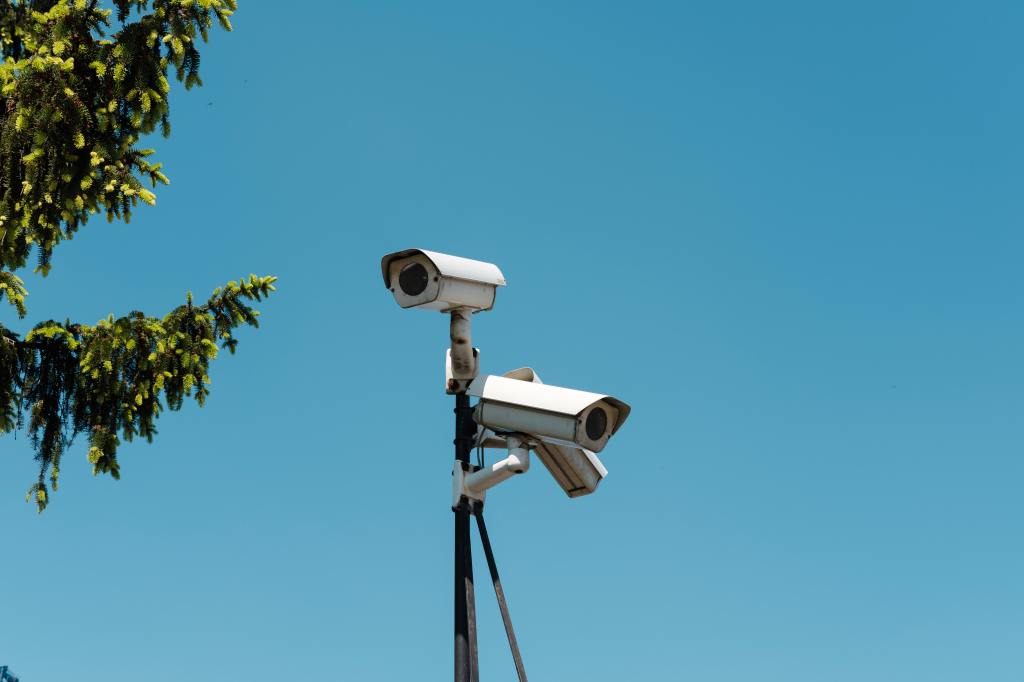
Photo by Michal Jakubowski on Unsplash

But the worst part falls on the employees. Many times they do not know how to give priority, because the boss constantly changes their priorities based on the urgency that arrives, or because a superior asks him or her or it is the market requiring that. Employees lose creativity and self-esteem. A culture of fear is established, where everything is subject to the orders of the superior. This can lead to sickness absenteeism.

Apart from real psychosomatic diseases that can arise, psychological situations can also develop for which the person feels worthless, becomes smaller and smaller until they doubt their abilities. You begin to ask yourself: “Am I capable of doing it? ”,“ Am I in the wrong job? ”,“ Why do they control me like this, what have I done wrong? ”. And it can also happen that you quit your job, even if you have a good salary. When a situation cannot be changed or accepted, you have to leave it, and, in this case, you leave your job.

It is important to know that people do not quit jobs, they leave bosses.

But why do managers fall into this trap?

If micromanagement spoils the work environment, employees’ health, and it is harmful even to bosses who lose productivity and may lose also staff, why can’t this total and constant control be avoided? The bosses don’t have enough work to do?

Let’s see the possible causes.

First, managers themselves suffer pressure from the environment, be it from their own bosses, shareholders, markets or competition.

Second, incompetence. Either managers feel unsecure because their staff perform an excellent job compared to their own, or the employees are not suitable for that type of job.

The third cause is clear and straightforward: the boss’s obsessive personality making them unable to organize and manage the work.

Whatever the cause is, it is necessary to analyse what is happening in order to put an end to the situation as soon as possible. First, you should go to the human resources of your company. I have worked in human resources for over 10 years and have seen a lot of micromanagement.

As an alternative, you could turn to your superior and ask them to implement one or more techniques, perhaps with the help of a coach. One technique could be that of the traffic light. Together with the boss, you define the admissible and acceptable control limits, that are not to be exceeded. If these limits should be overcome, some signals will be sent to the manager. When the manager receives them, they identify their behaviour and try to control it.

Another strategy is to define the profile of the boss and of each team members, analysing their personal, professional and communication style and characteristics. Once this “x-ray” is completed, the boss shall answer the following questions:

1. What leadership style they use with each employee;

2. What leadership style each employee would need;

3. Which leadership model they would like to use with the each employee.

By doing so, the boss can realize that the type of leadership they are using is in line with that person’s role, but it is not what that employee, due to his or her personality, needs. By adopting this paradigm shift, the boss begins to think not from their own point of view, but from that of the subordinate. While this strategy may sound like science fiction, with time and a willingness to change, success is assured.

Have you ever worked under the supervision of a micro-manager?
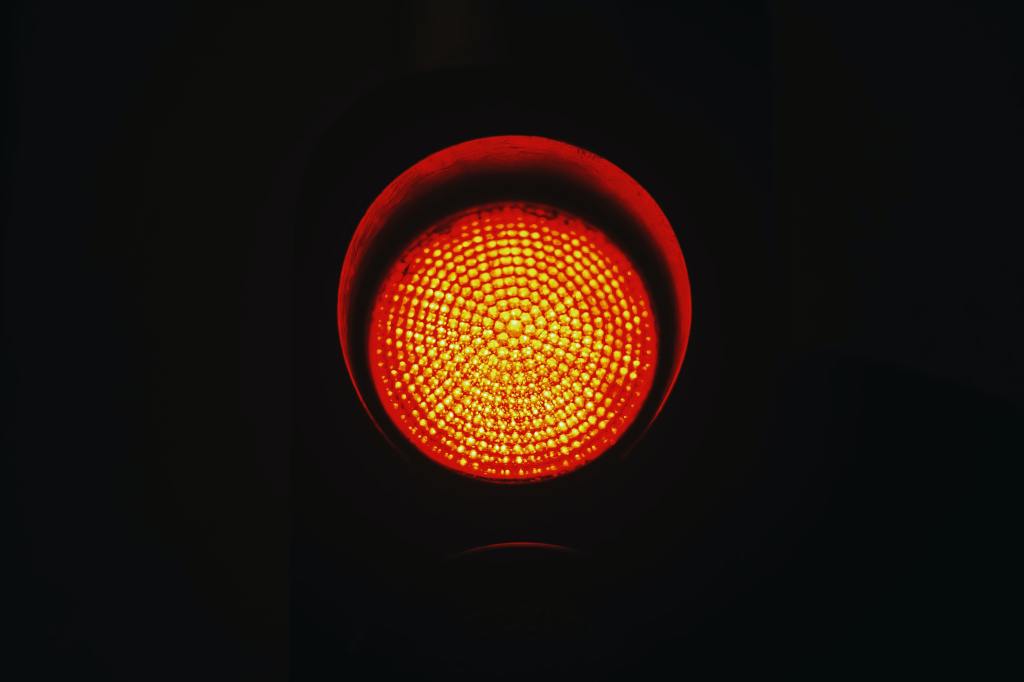
Photo by Erwan Hesry on Unsplash

Why Admiring Artworks Is Good For the Morale.

During the Second World War, the director of the National Gallery of London, Kenneth Clark, while reading the newspaper found out an article addressed to him. It was a letter from a reader who asked him if he could you reopen the doors of the museum that has been closed because of the German bombing.

Obviously, it would be very dangerous for the artworks but the director is impressed by this request. “It is precisely because of the war that we need to see beautiful things,” thinks the director.

How to do? The National Gallery, like other museums, has emptied their exhibition halls. Then all the artworks were put in an abandoned mine in Wales. This precaution proved to be effective because nine bombs have fallen on the National Gallery building since 1940. Because of that danger, the museum obviously cannot be reopened.
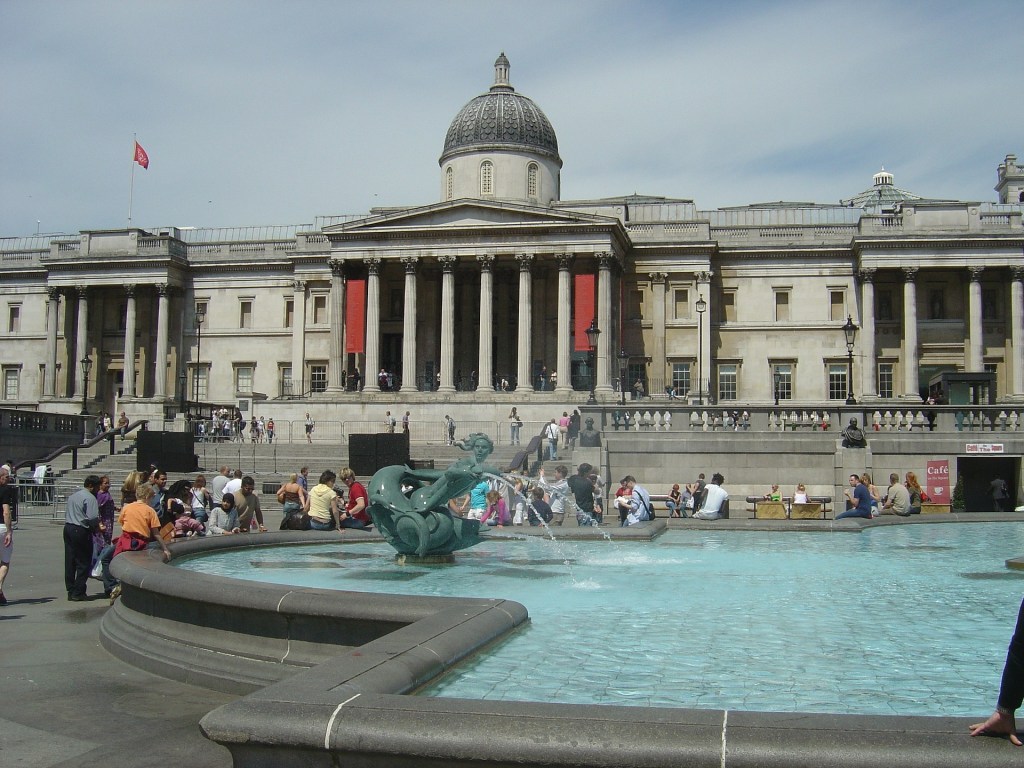
Photo by Lori Leidig on Pixabay

But Londoners need consolation and Kenneth Clark makes an unprecedented decision: he made arrive an artwork secretly every month. This operation is carried out following maximum security criteria, so that the “picture of the month” does not risk anything. Two assistants remain in proximity and at the slightest warning signal they are ready to evacuate the artwork. Every night, the artwork is placed in an underground secured room.

Much to Clark’s amazement, the public shows up at the monthly appointment and this initiative lasts until the end of the war. Paintings by Titian, Velázquez, Renoir, and many more, go back and forth to warm up the soul of Londoners. As the author of the letter says, “it’s risky, but worth!”

Do you agree that artworks are good for the morale?
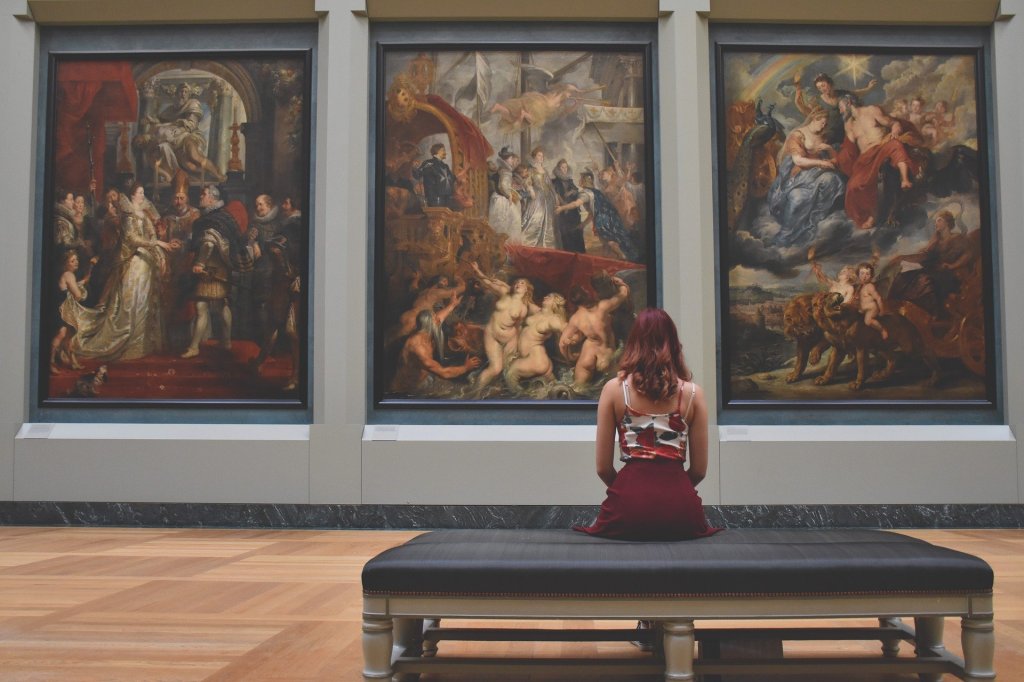
Photo by Pexels on Pixabay

Perché ammirare un’opera d’arte fa bene al morale.

Durante la seconda guerra mondiale il direttore della National Gallery di Londra, Kenneth Clark, leggendo il giornale, scopre un articolo a lui destinato. Si tratta della lettera di un lettore che gli lancia un appello. “Potrebbe riaprire le porte del museo, chiuse a causa dei bombardamenti tedeschi?”

Certo, sarebbe molto pericoloso per le opere ma il direttore è colpito da questa richiesta. “È proprio a causa della guerra che abbiamo bisogno di vedere delle belle cose”, pensa il direttore.

Come fare? La National Gallery, come gli altri musei, ha svuotato le sale d’esposizione. Ha poi nascosto le sue opere in una miniera abbandonata nel Galles. Questa precauzione si è rivelata efficace perché dal 1940 nove bombe sono cadute sull’edificio della National Gallery. Di fronte al pericolo, il museo non può ovviamente essere riaperto.

Foto di Lori Leidig da Pixabay

Ma i londinesi hanno bisogno di conforto e Kenneth Clark prende una decisione inedita: fa arrivare tutti i mesi un’opera di nascosto. Questa operazione è svolta seguendo dei criteri di massima sicurezza, in modo che il “quadro del mese” non rischi nulla. Due assistenti restano in prossimità e al minimo segnale di allerta sono pronti a evacuarla. Tutte le notti, l’opera viene messa in una stanza sotterranea chiusa con porta di acciaio e con combinazione.

Con grande stupore di Clark, il pubblico si presenta all’appuntamento mensile e questa iniziativa dura fino alla fine della guerra. Dei quadri di Tiziano, Velázquez, Renoir e molti altri pittori, fanno andata e ritorno per scaldare l’animo dei londinesi. Come dice l’autore della lettera, “è rischioso, ma ne vale la pena!”

Cosa ne pensi? Credi anche tu che l’arte faccia bene al morale?

Foto di Pexels da Pixabay