Personally I consider it an important reminder of how it is not necessarily a more intense effort that can help us get sooner to the destination we have in mind, but rather an attention to the quality of our effort. Doing better step by step than trying to do more by burning down the steps will put less stress and anxiety in our lives.
It’s a bit like when we train our body. Practising intensive sports from time to time will only serve to traumatize your body. While a constant but carefully calibrated effort allows us not only to achieve lasting results, but to make each step of the journey much more enjoyable.
Do you often forget things, from the most trivial trifle to the most important thing you have in mind?
Don’t worry, as one study has found out that:
“The point of memory is not being able to remember who won the Stanley Cup in 1972 but to make you an intelligent person who can make decisions”
While shopping, you may forget one of the most important items you were supposed to buy, or in the middle of a conversation with friends, it’s impossible for you to remember the title or the name of the author of a book you were recommending.
In short, it feels like starting Alzheimer’s because you notice that you have difficulties remembering (almost) everything.
But don’t worry, because a study by two researchers at the University of Toronto (Canada) reveals how important it is to forget.
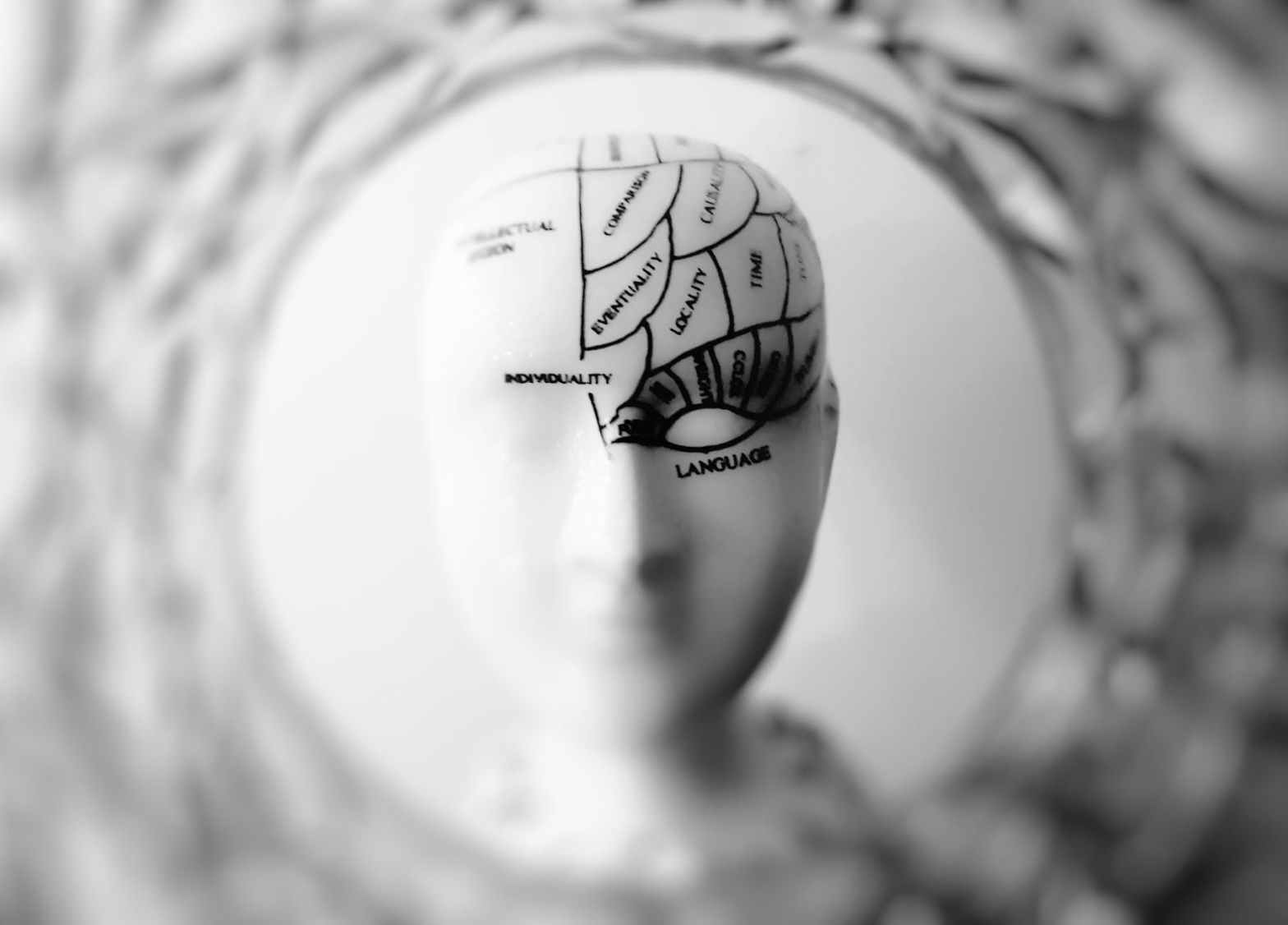
Paul Frankland and Blake Richards, researchers at the University of Toronto conducted a study that found out that people who are more likely to forget are also the smartest!
“It is of utmost importance that the brain is able to select the information it acquires and eliminates irrelevant details, thus focusing on a more general view to ensure that decisions are made in the most correct way.”
These are the words of Blake Richards denying the belief that those who can remember more things are also the smartest, and confirming almost the opposite. The elimination of unimportant information allows us to increase our analytical abilities, focusing our attention on the fundamental things and avoiding unnecessary work of our brain.
The researchers developed this study after several years of research on memory loss and brain activity, including both humans and animals.
The conclusion is that:
“If you forget occasional details,” Richards says, “it may mean your memory is healthy and doing exactly what it should be doing”.
How can you resist the temptation to drink a good glass of wine, eat a piece of cake or skip the gym and go to the cinema instead?
“The only way to get rid of temptation is to yield to it” said Oscar Wilde.
Diet, sport, sleeping enough are fine, but sometimes indulging in the breach of the rule helps your psycho-physical well-being and eases the performance anxiety that often accompanies a healthy lifestyle.
However, in addition to giving in to temptations, we can learn to control them.
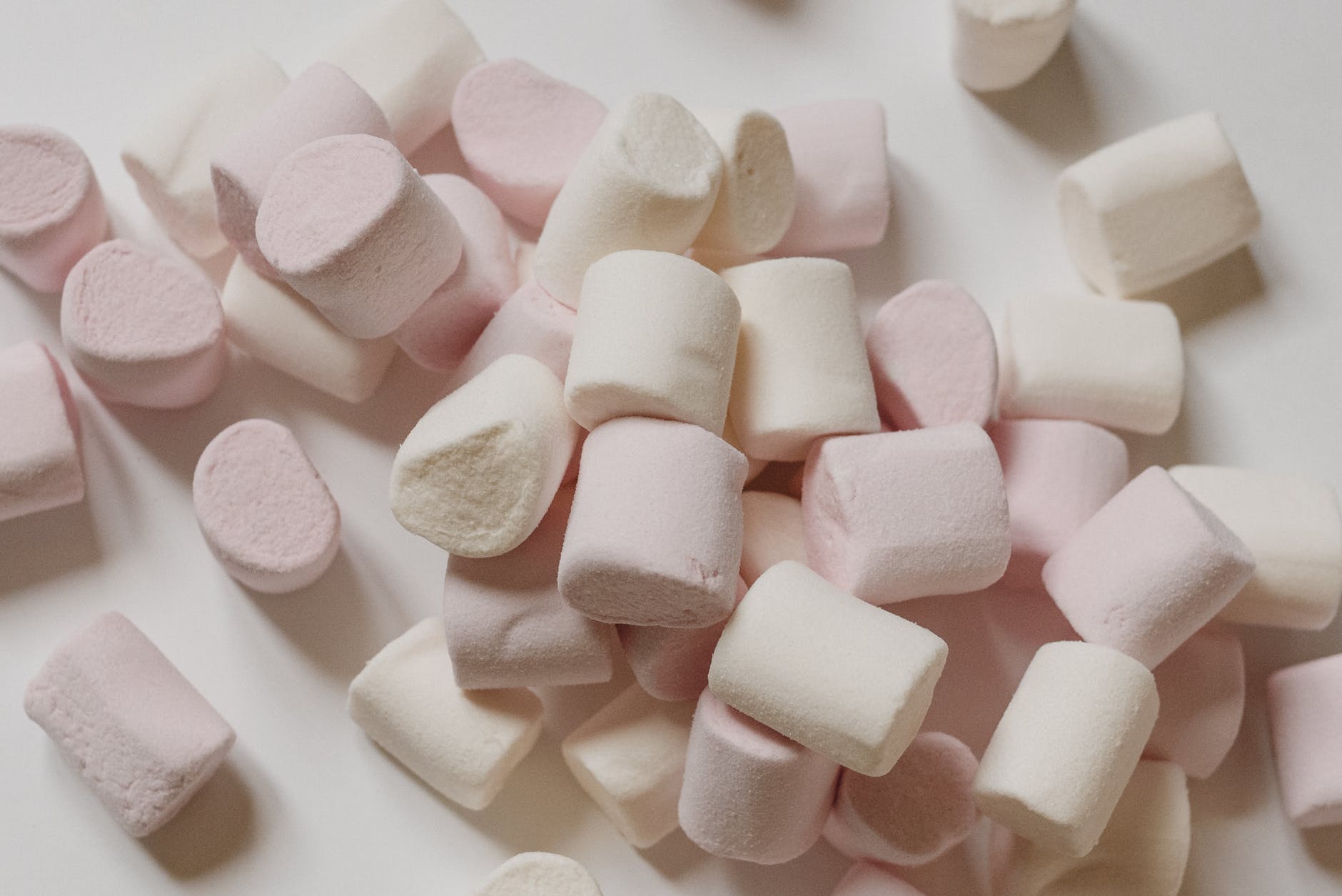
A child is left alone in a room in front of a Marshmallow: they can choose whether to eat it immediately or wait 15 minutes and get two as a reward. Some children will know how to wait; others, unable to resist, will throw themselves on that inviting sugar candy.
The professor compared throughout the years the self-control skills shown by children with the successes achieved in their adult age and found out that those who did not eat the marshmallow achieved more goals in life.
Is self-control therefore the secret of success? Is it postponing rewards really more likely to bring success in life?
The Mischel experiment actually explains how self-control is fundamental in studying, in sport, at work and in many other circumstances of your life.
Self-control means knowing how to make decisions in the right time and in the right place to improve your skills to not yield to the temptation of a marshmallow.
People who are best at mastering their decision-making are generally people who are better off. They eat well, play sports, get enough sleep. These people structure their lives around good habits and build routines that are easy to follow.
Eating a piece of pie is not a moral failure, even if you have decided to go on a diet. Giving up on the piece of cake may cause you more stress and therefore cause you more harm than eating it. The trick is rather to avoid buying a cake or passing in front of a cake! But don’t feel guilty if you eat a slice. Don’t forget that an excess of willpower can also be more harmful because, as mentioned before, it can cause additional stress.
Self-control depends on your choices and it is your responsibility. Stress has become a personal burden, which you are called to manage alone with the help of techniques, like meditation, coaching, yoga.
Remember that it is important to recognize your own limits because it makes you become aware of the fact that you cannot be perfect and control everything.
A few days ago, I came across an article on the Internet that recommended sleeping three consecutive hours and then taking three 20-minute naps throughout the day. This sleeping pattern was indicated as a model for obtaining success inspired by great world managers or businessmen, in particular they referred to Elon Musk.
As a person who has trouble with sleeping, I can tell you that science warns that too little sleep affects cognitive performance, behaviour and metabolism. With this strategy, you may be successful at the price of your health.
Sleeping is also productive. To get enough energy and focus to devote to work or another productive activity such as studying, you need to sleep at least 7 and half hours.
One of the functions of sleep is to process and consolidate learning, focus and memory. Sleeping implies continuing to work, because the brain clears up the bombing of information accumulated during the day that is generally very intense due to the different sources available today. Our biology is prepared for short periods of sleeplessness in stressful or urgent situations.
Several studies have revealed that the habit of dedicating a few hours to sleep reduces cognitive performance, causes focusing deficit and loss of the ability to make decisions, as well as increases states of stress, anxiety and depression. Humans are ‘circadian animals’, programmed for 24-hour sleep-wake cycles. Sleeping for a few hours is a physiological assault on our body and, in particular, on the brain. If sleeping little is your choice, know that this alters the neuron-hormonal pattern which can cause:
Thinking that sleeping is a waste of time is wrong because it has health consequences. Sleepiness and loss of focus are evident the next day, while other problems could arise in the long term, such as an increased risk of cancer, cardiovascular disease, hypertension, neurodegenerative disorders and metabolic disorders. Actually, sleeping for short time also increases appetite, with obvious consequences on your weight. Lack of sleep, in fact, leads to have frequent snack and drink sugary or caffeinated beverages.
Another important question is whether these negative health effects also occur when you wake up very early. Studies show that getting up too early does not necessarily cause alterations, as long as your sleep has been restorative enough. Remember that it is very important to complete five or six sleeping cycles every night (a sleep cycle lasts an average of 90 minutes).
When the holidays are over and you start working or studying again, you want to commit to getting back in shape.
Maybe you ate too much and did little physical activity but it is normal, you have been on holidays!
It could also be an opportunity to take stock of the resolutions taken at the beginning of the year and see where you are.
Often, however, among working or studying and other daily activities, you do not have neither time nor motivation.
How would it be following a program that helps you in achieving your objectives now?
Here are some ideas to help you stick to an easy-to-maintain schedule.
Small daily efforts
Decision taken, this year you will try to use less the car, both because it is a super ecological action and therefore good for the planet, and because you will be forced to find other means of transport to get around. You will also strengthen your body without realizing it.
Do not park the closest possible to the shop entrance. Park further away and take a stroll.
2. Stop taking the elevator if you live or work on a relatively low floor.
3. Get around by bike or on foot.
4. Don’t have your shopping delivered to you, do it yourself.
5. Go and buy a sandwich at lunchtime on foot. It allows you to relax a bit, change air and walk.
6. Go for walks of at least 30 minutes at least once a week (I walk at least 30 minutes every day, but I suffer from the restless legs syndrome – RLS). You can walk on the street, in the nature, on the beach, alone or with friends. The important thing is to walk.
7. Buy a Pilates ball and sit on it to watch your favourite TV series, movie, or whatever you like.
As you can see nothing strange and impossible! Start introducing one habit at a time and you will soon find your shape again with a minimum effort. To help you out, you can use an app or a bracelet that monitors your activity like a real coach.
Little efforts at home
We know that sometimes it is hard to find time to go to the gym. Why not doing some physical activity at home then? You can buy accessories that allow you to do some gym without leaving your place, such as electro-stimulators, vibrating platforms or abdominal belts, which tone the muscles by causing contractions. You can also follow some exercises online, YouTube offers them of all kinds. You can do Yoga to relax the body without forgetting the muscles, meditation and relaxation, perfect for learning to breathe deeply and to use breathing as a method to fight stress and anxiety. 10 minutes every morning when you wake up will be good for you. Find a trainer you like, subscribe to their channel and receive notifications every time they upload a new video.
Photo by Wee Lee on Unsplash
Small efforts on the plate
Holidays are sometimes synonymous with excess. To get back in shape you need to fill up on vitamins. Start the day with a smoothie or fresh fruit juice. Then continue with a healthy, non-fat lunch of seasonal vegetables. It will help you regain your shape.
You can also drink a glass of warm water in the morning on an empty stomach to stimulate metabolism, detoxify the body and facilitate digestion. Add some lemon and it will be tasty.








 Crisbie Coach