Do You Like Your Job?

You finish the chore tasks of the day in an hour and you dedicate yourself to kill the time you have left to complete your workday. You might ask your boss something more to do, but you would rather go out. If they need you, they will call you.

It sounds like an enviable plan, but as soon as you have posted something on social media, searched for the best book deals to buy, and eaten a sandwich, you wish the call would come. It does not come, and you realize that you have already become chronically bored, and you feel undervalued. It is not normal.

This type of boredom is called by specialists bore-out syndrome. According to psychologists, this boredom can be as damaging as overwork exhaustion, the best-known burnout syndrome. We tend to think that a bored employee will take the opportunity to pay more attention to performing a certain task, but this is not often the case. According to a study by the University of Lancashire (England), bored people actually perform poorly at work and make more mistakes.

Of course, to avoid getting involved in the source of their boredom, people with this syndrome tend to be distracted by social media and may even develop an addiction. Food, alcohol, and tobacco are great candidates to fill in your time.

Does it sound familiar to you?

It is important to distinguish normal, even healthy, boredom from constant and chronic boredom that ends up making you feel useless. Chronic boredom can generate profound anxiety and can negatively affect all aspects of life, from private and family life to social life.

We already know that, usually, the things that bore us are the same things that we do not like. This lowers the levels of motivation and involvement, the levels of responsibility and makes you adopt a passive attitude. You are procrastinating. However, there is more.

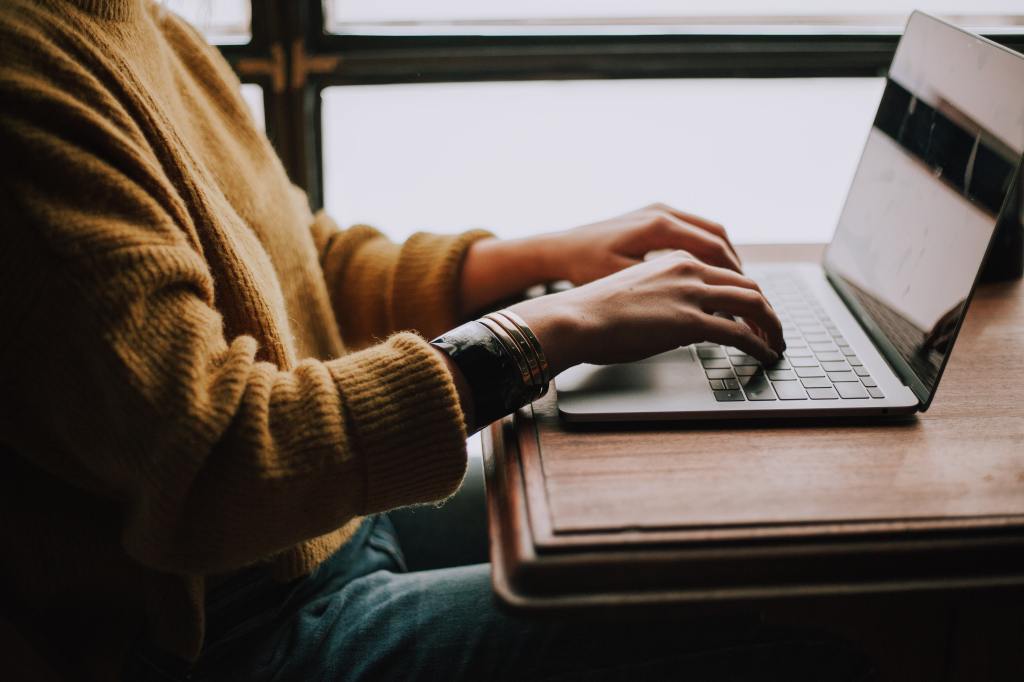
Photo by Scott Graham on Unsplash

To begin with, know that getting bored during the working day does not depend on the type of work you do, but on the type of interests you have. You can have the best job, even be the boss, but feel deeply bored and undervalued. In other words, working on something that does not match your education or experience, and that does not allow you to develop professionally, is a time bomb. Other causes of demotivation are also lack of communication with others, carrying out monotonous tasks that do not represent any kind of challenge and having a definite contract.

All of these factors increase when you have no other choice than taking a whatever job, or you cannot afford to change your current job. The situation is getting worse in these times due to the economic downturn caused by the pandemic. People in that situation, run a much higher risk of boredom and exhaustion because they do something they know from the start that they do not like. Their only motivation is financial and over the years this becomes hard to bear. It is extremely serious because people spend about 33% of their day at work, and sometimes even more.

To limit the damages you could try finding small motivations that could be incorporated into your work. The idea would be about making each day meaningful and interesting. Communicating interest and commitment to superiors by developing new tasks could also help. Finding an exciting activity to bond downtime at work would be interesting but sometimes impossible to do. In those cases, you could, for example, move it to immediately after working hours.

If despite this, your motivation does not increase, it might be better to look for another job that best suites you, something you could do while keeping your current job. Indeed, it would not be wise to replace the anxiety generated by the lack of motivation at work with the one arising from being unemployed. You could consider a part-time job or volunteering activities if you have enough resources to live on.

What about you? Do you like your job?

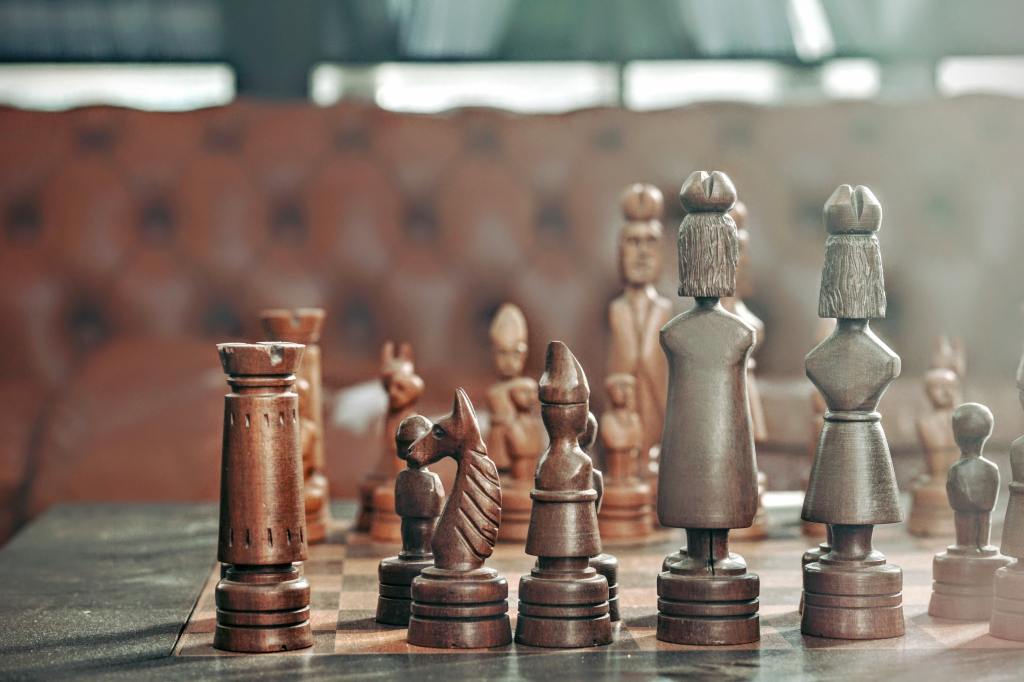
Photo by Anne Nygard on Unsplash

Has the Pandemic Made You Select Your Friends?

The blow the pandemic has been giving us is clear. Even in the same city, restrictions force us to select who we want to see and who we don’t. A difficult decision, but it can have a positive side: selecting those friendships that contribute most to our well-being.

This selection could be actually a good thing. It has been studied that qualitative relationships are limited. And in the current context, we cannot expect the number of friends we have to be the same as before. The pandemic is teaching us to prioritize and truly care for the people we consider important. This is an improvement that compensates for a possible loss.

But how to choose? The answer is not that difficult. If we think carefully, we realize that the people we have stopped seeing are mainly those people we have never seen regularly (for example, the colleagues we only met at work). This situation shows clearly who we must meet in favour of those with whom we want to meet. What makes a friendship satisfactory is presence and dedication.

In her book “We Should Get Together: The Secret to Cultivating Better Friendships“, Kat Vellos talks about what she calls the “seeds of connection”, which are proximity, frequency, compatibility and commitment, and which help to identify good friends.

Studies conducted define the four characteristics of authentic friendship: trust, sincerity, fidelity and reciprocity. When you lose one of these pillars, you may want to say goodbye to your friend.

But the pandemic has not only made us stop seeing some people, it has also made us fight with some others. We are all more anxious and stressed. Also the fact of wearing the mask incorrectly could trigger a conflict. When this happens, it is advisable to stop relationships until the tension fades away. We already have to endure all what the pandemic entails that we don’t need to add any more stress.

For friends who have passed the “selection”, it is time to find time and space to share with them to interact without distractions and have a relaxing chat. Looking into each other’s eyes when we speak, taking care of the posture of our body, using appropriate tone and words, are only some elements of an effective communication also among friends..

Maintaining and caring for our good friendships can also improve our health and increase our ability to bear stress.

To have a full and healthy life, we should spend more time with friends, albeit only in a virtual way for the time being. With the difficulties caused by the pandemic we must find new ways to relate to each other, and continue to invest time in finding new subjects of conversation, for example talking about a series that you are watching, being on platforms to carry out online activities together, or having a drink together on a video call.

These are just a few ideas for maintaining your friendships during the pandemic. What do you do to stay in touch with your friends?

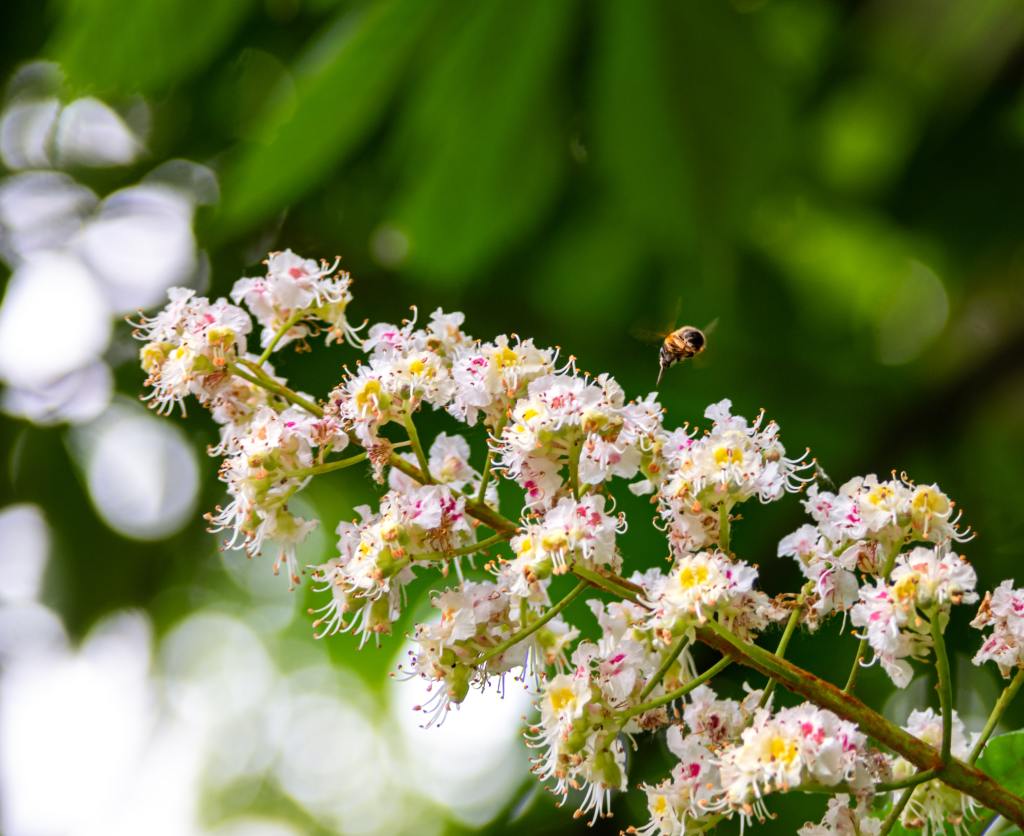
Photo by Yogendra Singh on Unsplash

10 Ideas For Spending Your Holidays At Home.

In this period of mobility restrictions caused by the pandemic, the time when we could travel freely seems a long ago. Last year for Easter, I had planned a trip to Berlin and I would not have expected to cancel it. This year too, I would have liked to leave for the Easter break, but the virus is still among us and it is better to stay where we are.

Covid has changed many aspects of our life and going on vacation is one of them. It is obvious that going on vacation is very important for physical and mental health. You should think about taking rest periods even without being able to travel.

When we work we look forward to the weekend but it is not long enough to fully recharge ourselves. To be able to really disconnect from work we need more time.

Holidays are a period of time that we need, we need it as well as sleep, eat, drink, in short, they are a necessity. If we want to stay healthy, we have to take vacations.

Waiting for the pandemic to pass and then taking a long vacation is not a good idea. It is better to take shorter vacations but more often.

Of course, we cannot travel now, it is strongly discouraged, but this does not mean that a period of rest at home or close to your place, depending on what you can do in the country where you live, will do some good. Holidays allow us to recover and when we come back, we often feel better, full of energy and even more creative.

Photo by Wee Lee on Unsplash

It does not matter where you go on vacation. The main thing is that you can rest and put aside your daily worries. Choose what to do, with whom and when to do it. Not everyone likes travelling. Some like to have time to read more, do more physical activity, spend time outdoors. Others like to take small hikes, without straying too far from home. Some people enjoy long trips, some other like only short ones.

With the health crisis, many of us had their vacations at home. Let us see the positive aspects of it: definitely less pollution, you saved some money and also the stress of travelling.

However, there are people who do not like being at home. They do not know what to do, they get bored, they do not want to tidy up the house (but for this one could call someone to help), and the children (when they are there) need care and attention. They have to think about many things, as if they were working. On the other hand, they may simply want to change air and get to know new places, or return to places they have loved before.

If, however, you are forced to stay at home due to travel restrictions, take some days off and try to take advantage of your free time anyway, as doing so will make you feel better. Moreover, think that the pandemic will be hopefully over soon.

If you find yourself in the position of having to stay at home during your holidays, try these tips:

1. Don’t read professional emails;

2. Do little housework;

3. Establish rules and times for being at the computer or television (both for you and your children, if you have any);

4. Look for new places to discover in your neighbourhood;

5. Spend time in nature because nature is a source of energy;

6. Make a list of what you would normally do on vacation, eliminating the things you cannot do due to anti-Covid rules. For example, in Belgium, where I live, you can ride a bike, but you cannot go to a restaurant;

7. Organize a movie marathon with friends and discuss with them to find out which ones you all liked the most;

8. You can do the same thing with a book. Choose with your friends a book you all would like to read. When finished, you gather together (on-line if not possible a real gathering together) to comment on it;

9. Why do not you sign up for an online course to learn new things? There are many possibilities even for free!

10. Indulge yourself with little vices: buy some chocolate (soon it will be Easter, the best moment to buy it), a good bottle of wine, or have a three-course meal delivered.

What kind of vacation do you like? Do you prefer to travel far away or stay closer?

Photo by Emma Simpson on Unsplash

How the Pandemic Has Changed Our Lives

It is undeniable that the restrictions imposed by the ongoing pandemic have drastically changed our habits and our lifestyle. There is no doubt that the stress produced by uncertainty, prohibitions and lockdowns, whether partial or total, have prompted us to search for distractions that can give us some relief. As Ovid said, human beings seek what is forbidden and desire what is denied them.

There is a thread that links excessive behaviors (drinking too much, smoking too much, overeating, spending too much time on the computer or watching television) to stress.

Photo by Christin Hume on Unsplash

Clearly, the pandemic puts our desires on hold and it is normal to wish for what cannot be done. Only when we go back to a more or less normal life and our desires will be satisfied, our lives will be brighter. The pursuit of pleasure is an absolutely human behaviour, there is nothing to worry about.

Our brain identifies and reinforces beneficial behaviours such as eating well, socializing, having fun. This complex reward circuit that generates pleasure is the result of the evolution that guarantees our survival, that orients us in daily life and that keeps us going on. The more we can produce dopamine (the pleasure and reward hormone), the more we can generate pleasant sensations in a natural way. As a consequence, we would not need to adopt excessive behaviours that can lead to addictions.

However, the situation we have been experiencing for about a year has affected and affects motivation and self-control. We are no longer able to generate pleasant sensations and situations naturally and we have to look for different means to improve our life condition. The sudden lack of dopamine results in a short circuit of pleasant sensations which then pushes us to seek pleasure in another way.

It is important to be careful that these behaviours do not turn into addictions. Luckily, few people drive themselves to the point of becoming addicted to new harmful habits.

To prevent addiction it is necessary to put in place strategies that favour self-control, especially anti-stress strategies. Practising physical exercise, walking in the nature, trying not to isolate yourself but to maintain contact even remotely, are just some suggestions.

Do you have any anti-stress strategies? Let me know!

Photo by Maarten van den Heuvel on Unsplash

5 Secrets To Sleep Better

We all know someone who complains about not sleeping or sleeping badly. In Europe, about one third of the adult population has difficulty falling asleep and between 10% and 15% suffer from chronic insomnia. I myself have suffered from insomnia for a long time. This is a problem that can have various causes (from the excessive use of digital devices that emit blue light – computers, tablets, TVs, etc. – to biological issues). One of the causes may also be the obsession with sleeping well.

What is this obsession? It is a phenomenon called orthosomnia (from the Greek ortho, “perfect”, and from the Latin somnia, “rest”) and, according to experts, although it is not yet considered a disorder, it is getting increasingly common. It consists in continually recurring thoughts, that I call “circular thoughts”, namely thoughts that enter a vicious circle precisely because they are always the same and recur all the time. The main causes of these thoughts are, guess what, stress and anxiety. Not being able to sleep, your mind does not stop thinking about the same things over and over (hence circular thoughts, i.e. thoughts that come back).

If you suffer from insomnia, even if not severe, it would be good to do a complete sleep study (polysomnography) to find an effective solution. I had this test. I was in a sleep clinic for one night, with electrodes attached all over the body including, of course, the head. I have found that, during my sleeping time, Alpha waves (the brain waves typical of the awaking period) intrude from time to time.

The obvious solution would be to try eliminating or at least reducing stress. I know, it’s not easy. Therefore, I propose that you try the following five tips.

Photo by Alex Basov on Unsplash
  1. Learn to breathe well and deeply by practising a discipline such as Yoga, Pilates or meditation.
  2. Create a relaxing environment. A quiet home is the key to a restful night. If you have trouble falling asleep, keep your bedroom clean and clear of unnecessary items, tidy up the things you have left lying around and you will see that you will have a more peaceful night.
  3. Use essential oils that are particularly suitable for inducing sleep, such as lavender or chamomile.
  4. Create a playlist to help you relax and fall asleep.
  5. Try using Bach Flowers and melatonin. White Chestnut against circular thoughts and Rescue Sleep to help you fall asleep. I used them for several months, then gradually I stopped and now I suffer much less from thoughts that come back and I also sleep much better. At the moment I use only melatonin and I think it is a good solution for my insomnia.

And you, do you suffer from insomnia? Do you have circular thoughts that haunt you? Would you try these tips?

Photo by Cristiana Branchini

How Has The Curfew Changed Your Habits?

When I hear about curfews, dark times come to my mind, times of war. Actually we have been fighting a war against Covid since March this year. There are no bombs, we don’t have to be evacuated, we can eat every day because there are enough food supplies. But the curfew has changed our habits, most probably also those related to meal times.

From North to South of Europe we eat at different times. Soon in the north, later in the south. Maybe you are invited to dinner by someone and the curfew forces you to eat earlier because then you have to go home. Or you eat later because you finish work late and don’t have time to buy something for dinner, or to stop by in a restaurant. The restaurants are closed, they only offer take-away service and you must go back home within the time set by the curfew.

A friend from Paris, before the city was put into total lockdown, had to return home by 9 p.m. We know that Paris is a big city and people often use public transport, which is very efficient. To be home by 9 p.m., she had to take the subway by 8:30 pm at the latest and therefore she was eating later than her previous habits. And she began to sleep badly.

If you make an appointment before the curfew begins, you may feel stressed out because you will have to rush to get home on time. Perhaps it would be better to stay at home and respect the government’s directions and limit our social contacts. But sometimes you want to be out for a while, to meet some friends.

The effects of the curfew are not only on your social life, but also on your health as a result of adapting to a new pace of life and changing your routine.

Photo by Jan Vašek on Pixabay

The new schedule imposed by the curfew may have advantages, for example, you stop working earlier, go home earlier and have dinner earlier. For example, you arrive home at 7 p.m., have dinner between 8 p.m. and 8.30 p.m., go to bed around 11 p.m. and get up at 7 a.m. the next day.

This would be optimal for your health. Indeed, you would better synchronize with your internal, external environmental and external social biological clocks (time).

Internal time is what marks your endogenous rhythm, which helps you sleep at night, stay awake during the day and eat at the right time for you.

External environmental time is determined by the alternation of the phases of light and dark generated by the solar cycle.

External social time can alter these balances. If your working schedule, lunch, dinner and leisure are not suitable to your biological type (chronotype) you could enter a phase of temporal disruption that may cause several health problems, like insomnia.

Our ancestors got up with the light and went to sleep with the dark. This rhythm allowed for adequate production of melatonin (the hormone that regulates sleep), which allowed for a perfect balance between internal time and external time.

The habit of eating around 9:30 p.m. or even later goes against these natural cycles and makes it more difficult to rest well. A large dinner ending around midnight could cause difficult digestion at a time when the body should be resting instead.

It is therefore recommended to finish dinner at least two hours before going to bed to avoid poor quality sleep and an awakening marked by fatigue, irritability and low cognitive performance.

If you follow the biological rhythm of your body, you will have a big improvement in your overall health!

Do you think the curfew has made you change some of your habits?

Photo by Daria Yakovleva on Pixabay
Icona di Verificata con community


How and Why Fighting Your Stress Is Important

I’m sure you use the word stress often throughout your day.

We all feel a little stressed due to the multiple commitments we have, pending deadlines, and lack of time to dedicate to ourselves.

The common denominator of all forms of stress is a feeling of malaise, fatigue, irritability that makes us more fragile with illness and less tolerant of others and of daily problems.

Actually stress is an adaptive response that has allowed our species to survive throughout its evolution.

Hans Seyle, the first theorist of stress, conceived it as an adaptive response that the body puts into force to overcome all the situations that its alarm systems deem dangerous.

The stress reaction is indeed characterized by the secretion of hormones such as cortisol and adrenaline which make the muscles stronger and the person more reactive. In this sense, stress has a value that is not only positive but also necessary for the survival of the species.

Primitive men had to face dangers that were of a short duration. While they were hunting, for example, they might encounter an animal and had to decide whether to run away or face it (have you ever heard of the “fight or flight” response?), but once they made up their mind and acted accordingly, they had plenty of time to recover.

Photo by Crawford Jolly on Unsplash

In the contemporary age, we too have this type of reaction when facing what, on a conscious or unconscious level, we perceive as dangerous (stressor). But today’s stressors are definitely different from those our ancestors faced. Modern stressors are psychosocial and no longer physical. It’s about the work environment, social relationships, financial worries, the huge amount of commitments we have and the limited time to complete them. Above all, these stressors are not momentary but can persist for a long time and consequently we need more time to recover.

Look at these signs that may indicate that stress is becoming a threat to your health:

  1. Discomfort with sounds and lights
  2. Muscle pains, contractures and cramps
  3. Headache
  4. Sleeping Disorders
  5. Cardiac arrhythmia
  6. Hypertension
  7. Digestive difficulties
  8. Anxiety
  9. Depression
  10. Irritability
  11. General fatigue

What can you do concretely to combat stress, when the conditions in which you find yourself do not allow you to avoid it?

Physical activity, especially aerobic, such as brisk walking, swimming and cycling, is undoubtedly one of the best remedies for stress.

Breathing control, like getting used to using the diaphragm and slowing the respiratory rate, is another useful tool against stress.

Other activities may be: yoga, tai chi and meditation. In recent years, mindfulness has become popular. Mindfulness, by increasing the level of personal awareness, carries out an anti-stress action.

Obviously, a good massage that helps you increase the level of oxytocin, a hormone capable of counteracting cortisol, is certainly effective.

As regards food supplement, magnesium is the anti-stress mineral for excellence, also because we are chronically deficient. Remember that a supplement is such because it must be complementary to a healthy diet. Therefore, remember to eat well!

What about you? What are the solutions you adopt to fight your stress?

Photo by Sharon Wright on Unsplash

How And Why Adopting Resolutions Now.

When the holidays are over and you start working or studying again, you want to commit to getting back in shape.

Maybe you ate too much and did little physical activity but it is normal, you have been on holidays!

It could also be an opportunity to take stock of the resolutions taken at the beginning of the year and see where you are.

Often, however, among working or studying and other daily activities, you do not have neither time nor motivation.

How would it be following a program that helps you in achieving your objectives now?

Here are some ideas to help you stick to an easy-to-maintain schedule.

Small daily efforts

Decision taken, this year you will try to use less the car, both because it is a super ecological action and therefore good for the planet, and because you will be forced to find other means of transport to get around. You will also strengthen your body without realizing it.

Ready to include some physical activity in your daily life?

  1. Do not park the closest possible to the shop entrance. Park further away and take a stroll.

2. Stop taking the elevator if you live or work on a relatively low floor.

3. Get around by bike or on foot.

4. Don’t have your shopping delivered to you, do it yourself.

5. Go and buy a sandwich at lunchtime on foot. It allows you to relax a bit, change air and walk.

6. Go for walks of at least 30 minutes at least once a week (I walk at least 30 minutes every day, but I suffer from the restless legs syndrome – RLS). You can walk on the street, in the nature, on the beach, alone or with friends. The important thing is to walk.

7. Buy a Pilates ball and sit on it to watch your favourite TV series, movie, or whatever you like.

As you can see nothing strange and impossible! Start introducing one habit at a time and you will soon find your shape again with a minimum effort. To help you out, you can use an app or a bracelet that monitors your activity like a real coach.

Little efforts at home

We know that sometimes it is hard to find time to go to the gym. Why not doing some physical activity at home then? You can buy accessories that allow you to do some gym without leaving your place, such as electro-stimulators, vibrating platforms or abdominal belts, which tone the muscles by causing contractions. You can also follow some exercises online, YouTube offers them of all kinds. You can do Yoga to relax the body without forgetting the muscles, meditation and relaxation, perfect for learning to breathe deeply and to use breathing as a method to fight stress and anxiety. 10 minutes every morning when you wake up will be good for you. Find a trainer you like, subscribe to their channel and receive notifications every time they upload a new video.

Photo by Wee Lee on Unsplash

Small efforts on the plate

Holidays are sometimes synonymous with excess. To get back in shape you need to fill up on vitamins. Start the day with a smoothie or fresh fruit juice. Then continue with a healthy, non-fat lunch of seasonal vegetables. It will help you regain your shape.

You can also drink a glass of warm water in the morning on an empty stomach to stimulate metabolism, detoxify the body and facilitate digestion. Add some lemon and it will be tasty.

So, are you ready for this little revolution?

Photo by Chris Lawton on Unsplash

August Blues

I look forward August with impatience as for me it represents the top of summer time, that is my favourite period of the year. July prepares myself to August that comes full of expectations and good intentions.

However, at the end of the summer I find myself dealing with what I have actually achieved and I am not always happy with the results.

It happens that often my expectations are misaligned with reality and this causes me frustration and distress that reaches its top at the end of the summer. The idea of ​​not having enjoyed the summer period as I wanted and the thought of the “going back to work” around the corner might turn the last days of vacation into moments of anxiety and suffering.

The August melancholy is known as “August Blues”, the boredom and the dissatisfaction that may become a real malaise of the season.

Therefore, this year I decided to anticipate it and I identified four suggestions so to avoid being overwhelmed by it:

  1. spending time outdoors: natural light, fresh air and nature help psychophysical well-being and allow us to look at situation with more detachment and serenity;
  2. thinking about the positive moments: we all have had for sure beautiful experiences that brought us some benefits, even though small ones. They will help us to add value to the time spent. Sometimes our mind plays with us and makes us not very objective;
  3. scheduling your time: we are all different and there are people who can go back to work straight after their flight back home but there are others who need some time to recover from the shock of returning home from holidays. Listen to your needs and plan your time accordingly;
  4. last but not least, show awareness: learning to recognize the first signs of your distress will help you to manage it better and to prevent it from overwhelming you.

What about you? Have you ever experienced the August Blues?

Photo by Jan Tinneberg on Unsplash

Work-Life Balance

Our well-being should be our priority. But nowadays the society we live in often puts pressure on us so that we reverse priorities in a way that can seriously compromise our quality of life and our physical, mental and emotional health.

According to the international classification of diseases, burn-out is considered to be a work-related phenomenon but this is not the only cause.

With the increasing cost of living and the bills that accumulate, we are increasingly inclined to work harder and harder to earn a salary that allows us to live a decent life. However, this leads us to put aside other fundamental needs.

We spend many hours a day working for a company, or for ourselves, reducing the time for good meals, for resting, for spending time with our family and we do not understand the impact this can have on our life.

Certainly, many among us cannot afford to work less because they are responsible for their family and they shall provide for their needs.

However, even in such cases, a work-life balance should be found, because life is much more than our work.

The excessive time spent at work and the short time dedicated to ourselves practicing sports, walking in a forest or simply being lazy, in the long run will harm our health up to a level that it would be difficult to recover.

More and more often people suffer from post-traumatic stress, over-fatigue, nutrition problems, relationship difficulties due to exhausting and stressful days spent at work that do not leave us time to live and do activities that really make us happy.

If you think you are in this situation, you should understand one thing: no salary is worth your health, no benefit rewards you for the wear and tear you have at the end of a working day that has drained off your energy and your joy of living.

If you currently have no other choice than continuing with your present work, try to do something that is good for you every day to find your work-life balance. If everything you do daily is stressful and exhausting, the time will come when you won’t be able to go on any longer and the consequences will be more serious. It will take you longer to regain your optimal well-being.

Work is an important part of life but of course life is not just work. As you know, there is more: family, friends, health, in short, enjoying life. Don’t let work be your whole life!

Nothing is worth your being unhappy. Your work will continue even without you, while relationships and health must be taken care of, and followed up carefully.

You can find another job, but you cannot replace your family, your friends and above all your health. Remember to take care of yourself in order to live a better life.