Why You Shouldn’t Just Sit: Embracing STUFF for Better Health

In today’s sedentary world, sitting has become synonymous with a host of health risks, akin to the dangers associated with smoking. Prolonged periods of sitting have been linked to an increased risk of chronic health conditions such as heart disease, diabetes, certain cancers, and even mental health issues. This phenomenon has led to the emergence of the saying, “Sitting is the new smoking.”

For individuals like myself who struggle to be seated for more than two hours in a row, the idea of sitting for extended periods is not only uncomfortable but often impossible. The urge to move becomes overwhelming, making it challenging to remain seated for long periods. As a result, I’ve adopted a lifestyle that prioritizes standing and walking throughout the day. Not only does this help alleviate my pain in the legs, but it also contributes to better sleep quality, though occasional bouts of insomnia may still occur, often stemming from anxiety or stress.

However, even if you don’t feel pain in your legs because of sitting long hours, breaking up long periods of sitting is essential for maintaining overall health. Research suggests that interrupting sitting every 30 to 45 minutes with short breaks, such as standing for 10 to 15 minutes, can significantly reduce the negative effects of prolonged sedentary behavior.

Even if you consider yourself an active individual, spending more than six hours a day sitting can still have detrimental effects on your health, which cannot be offset solely by exercise. Incorporating movement into your daily routine is key to mitigating these risks. Here are some simple strategies to embrace STUFF (Stand-up for Fitness) and combat the hazards of prolonged sitting:

  • Opt for walking meetings: Instead of gathering around a conference table, take your discussions outdoors and incorporate movement into your brainstorming sessions.
  • Take a stroll during lunch: Use your lunch break as an opportunity to stretch your legs and get some fresh air. Even a short walk can help break up prolonged periods of sitting.
  • Invest in a sit-stand desk: Consider switching to a desk that allows you to alternate between sitting and standing throughout the day. This can help reduce the amount of time spent in a sedentary position and promote better posture and circulation.

Remember, the key is to avoid prolonged periods of inactivity and find creative ways to incorporate movement into your daily routine. Whether it’s through STUFF or other forms of physical activity, prioritizing movement is essential for maintaining optimal health and well-being.

So, are you ready to embrace STUFF and take a stand against the dangers of prolonged sitting? Don’t just sit there—get moving and reap the benefits of a more active lifestyle.

Thank you for reading! Please sign up for my blog crisbiecoach so you don’t miss out on any posts.

How to Keep Your Resolutions

Today is the first of January and many of us have decided about their resolutions for 2023, or are about to do so. The new year brings the desire for a change, the need for renewal. We would like to spend more time with our family, to take that trip that we have been dreaming about for so long, to change our job, to enrol in a gym club, to lose weight, to stop smoking…the main goal is feeling better with ourselves and with others.

Why does it happen then that along the way we forget about our resolutions or we abandon them?

Here are some questions you should ask yourself.

Are your resolutions too ambitious, vague or simply they are too many? In this case you are putting too much pressure on yourself. If you have decided to stop smoking or to lose 10 kilos, you must ask yourself why you have started smoking and why you are always hungry. Are they ways for relieving the daily tensions?

Are you positive in comparison to the achievement of your resolutions? If you think that you will never make it, it is sure that you will never make it. Henry Ford used to say: “If you believe you can make it or if you believe you cannot make it, you will always be right”.

Are your resolutions appealing? You have decided to lose weight or to stop smoking. As such, they are great objectives. But find a bigger reason for which you want to achieve these objectives. For instance, you want to stop smoking to be able to recover breath faster when you go jogging or you want to lose weight to put on those beautiful pants that suited you very well.

Bad habits are difficult to lose, above all you need time. If you have been sticking to them for years, you have your good reasons (to protect yourself from stress, for example). You cannot change your habits in some weeks. Some time ago, studies stated that you could take up a new habit in 21 days. Now, neuroscience has found out that you need at least 60 days! Take your time then, establish a new habit with calmness, don’t stretch your body too far, your body is comfortably used to the old habit and it doesn’t feel like changing it. You must make it understand, day after day, that another way is possible and it is also healthier!

Besides, remember that the path won’t always be linear and you may find obstacles. There will be some easy moments and some difficult ones but losing a battle doesn’t mean losing the war. Accept the ups and downs: your body will learn to adapt slowly.

Choose an objective that won’t sound like an obligation, in the sense that it must represent a real choice, a thing that you want to do, not that you must do. Control your thoughts, remember what Henry Ford said. Don’t focus on what you still have to achieve, but celebrate what you have already achieved. List the small victories and congratulate yourself. Stay positive!

Think about the strength that a seed has to become grass. It must come out from the soil to be able to live and flourish. It works slowly under the soil, up to when one day it comes out and sees the light! For you it is kind of the same thing. Work slowly and one day you will see the results, because you are stronger than you think.

And now four tips:

1. set one objective at the time, but define it well, use the SMART model (specific, measurable, attainable, relevant and time bound). Even though this model has been created for organisations, it may be helpful also to individuals engaged in goal setting.

2. Adopt the strategy of small steps by dividing your objective into smaller objectives.

3. Celebrate achievements: the first kilo you have lost, the first whole day without smoking. Put some post-it all over your place with your success on it. Tell yourself “Well done!”.

4. Inform your family and friends about your goals and ask them to help you with this. Getting their support will help you in achieving the results. Look for some groups on Facebook that share your same goals, and participate in forums on the Internet. Remember that you are not alone, there are other thousands of people that may have your same goals and exchanging ideas with them can be helpful to you. You can create a blog that can become your journal (a journal on paper is also okay).

I wish you a successful 2023!

Photo by Cristiana Branchini

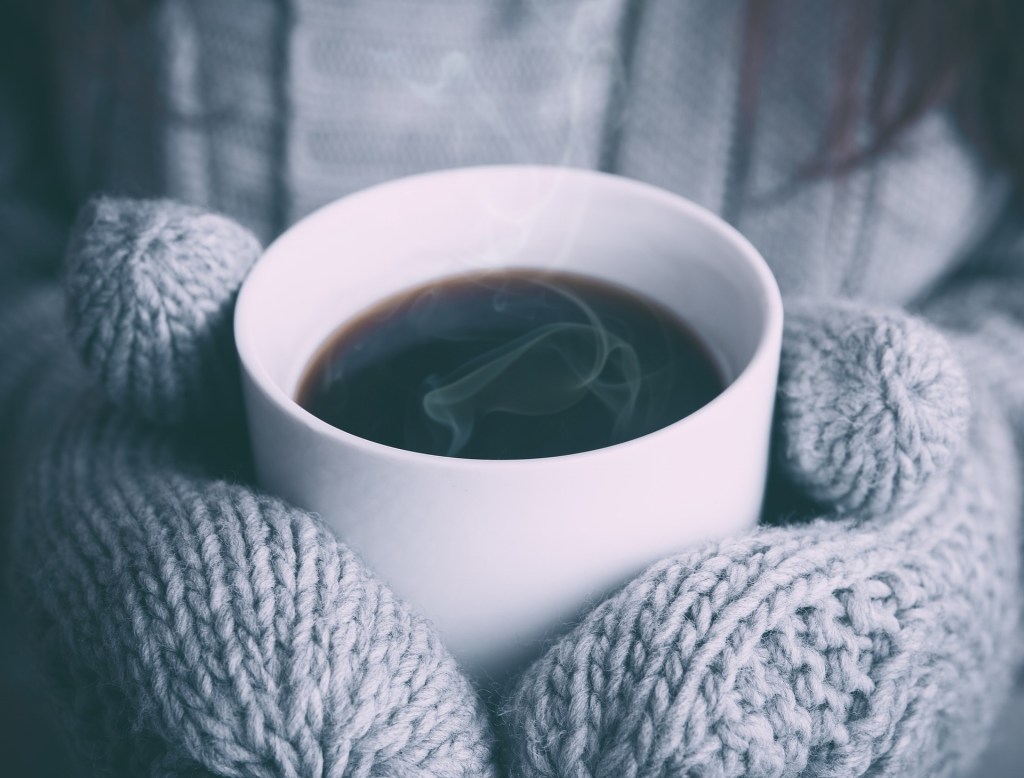
6 Ways To Warm Up Your Hands

Are you like me who always have cold hands in winter? Here are six remedies ((without putting them on the radiator) that you can easily use to warm up your hands during this winter that is rather cold.

Photo by Koko 19091 on Pixabay
  1. When you go out put on your gloves, of any kind they are: traditional, in thermal material, or with a battery. To avoid arthritis you should wear natural fibre gloves, such as cotton or wool, but it is true that gloves made of thermal material, such as those used for skiing, are warmer. In any case, you shall wear them with warm hands already, therefore before leaving your place, otherwise it will take longer to warm them up.
  2. Use hand cream. It helps you to form a protective barrier which then decreases the feeling of cold. A thick cream is certainly more useful than a fluid cream. In addition, it also helps you to prevent the formation of cracks caused by frequent washing, which is absolutely necessary in times of pandemics, like the one we have been living for about one year.
  3. Avoid smoking (your lungs will be happier too). You will not have to go out on the balcony (if you live with some other people who don’t smoke) and you will avoid tobacco hindering blood flow, a constriction that causes a drop in body temperature since less blood will be circulating.
  4. Give a warm hug. Contact with bodies is the best way to transmit heat. Many people put their hands under their arms to be warmer when they feel cold or when they are in a cold environment. Of course, hugging in the days of Covid is not recommended, so do it only with those who live with you.
  5. Put your hands into warm water. This remedy is also used to treat freezing symptoms. However, you must be careful since, with the loss of sensitivity of the hands caused by the cold, there is the serious risk of burning them if the water temperature is higher than 40/42 degrees.
  6. Say goodbye to alcoholic aperitifs and drinks. Although there is the idea that alcohol heats you up, this is a misbelief. The truth is that it is only a temporary sensation. Alcohol, like smoking, facilitates the vasoconstriction of the arteries. Much better to drink a hot herbal tea or tea.

Would you try one of those remedies and let me know if it works? I use gloves and put hand cream, and actually it works!

Photos by Free Photos on Pixabay