Easter at home? Don’t worry and try these 10 ideas to enjoy your free time

Going on vacation is very important for your physical and mental health. You should think about taking rest periods during Easter even without being able to travel.

When you work you look forward to the weekend but it is not enough time to fully recharge. To be able to really disconnect from work you need more time.

Vacations are a period of time that we all need, as much as we need to sleep, eat, drink, if we want to stay healthy.

Vacations allow us to recover and when we come back, we often feel better, full of energy and even more creative.

It does not matter whether you go on vacation or not. The main thing is that you can rest and put aside your daily worries. Choose what to do, with whom and when to do it. Not everyone likes travelling. Some like to have time to read more, do more physical activity, and spend time outdoors. Others like to take small hikes, without straying too far from home. Some people enjoy long trips, some others like only short ones.

There are also people who do not like being at home. They do not know what to do, they get bored, they do not want to tidy up the house, and they think about many things, as if they were working. But they would enjoy to get to know new places, or return to places they have loved before.

Whatever you prefer, if you have to stay at home during this Easter, try these tips:

1. Don’t read professional emails;

2. Do little housework;

3. Establish rules and times for being at the computer or television (both for you and your children, if you have any);

4. Look for new places to discover in your neighbourhood;

5. Spend time in nature because nature is a source of energy;

6. Make a list of what you would normally do on vacation;

7. Organize a movie marathon with friends and discuss with them to find out which ones you all liked the most;

8. You can do the same thing with a book. Choose with your friends a book you all read. Then, gather together to comment on it;

9. Why don’t you start with that hobby you have been thinking about for a long?

10. And, above all, indulge yourself by buying some chocolate (it’s Easter, the best moment to eat it)!

Have you decided what to do today?

Listening to Your Body with Qi Gong

Qi Gong is an ancestral discipline born in China about 5000 years ago. It has been influenced by various philosophies, such as Taoism, Buddhism and Confucianism.

After having developed within religious and spiritual fields, Qi Gong has been contaminated by fighting techniques becoming in this way also part of martial arts.

photo a man and woman doing martial arts
Photo by Craig Adderley on Pexels.com

Today, more than a thousand forms of Qi Gong are known. Actually, each teacher develops his own technique observing though the same principles and purposes: to stay healthy by keeping the body, spirit and energy in balance.

According to Chinese medicine, good health is the result of a good circulation of energy in the body. Qi Gong is considered a prevention measure.

The search for balance, the precision of intention (Yi), the fluidity of gestures represent not only a path towards self-knowledge but also the pleasure of encountering oneself. With Qi Gong, we learn to love ourselves, to open up to the universe, to live in harmony with everything around us.

In the search for balance, you will experience moments when you focus and moments when you rest. Feeling too much or what is missing, for example when you go from one foot to the other, allows you to become aware of your own fragility. When, on the other hand, you stand on two feet, well anchored to the ground, you feel then balanced, and stronger.

Working on balance brings a feeling of lightness and freedom, without forgetting that through the movements and stimulation of the meridians (energy circulation paths), organic functions improve (circulation, digestion, breathing).

The body is at the centre of the relationship with oneself, with others and with the environment. Body awareness passes through listening to your body at first, by observing muscle tone, tensions, balance, posture and the direction of movements.

Qi Gong can be considered above all as a search for energy balance and harmony between body and spirit. By paying attention to the gestures, we realize that our way of thinking also changes and we get a more peaceful look at the world.

Have you heard about Qi Gong before? What do you think about it?

silhouette of person raising its hand
Photo by Pixabay on Pexels.com

Why Sleeping Less than 6 Hours Is Not Good for Your Health

A few days ago, I came across an article on the Internet that recommended sleeping three consecutive hours and then taking three 20-minute naps throughout the day. This sleeping pattern was indicated as a model for obtaining success inspired by great world managers or businessmen, in particular they referred to Elon Musk. 

As a person who has trouble with sleeping, I can tell you that science warns that too little sleep affects cognitive performance, behaviour and metabolism. With this strategy, you may be successful at the price of your health.

Sleeping is also productive. To get enough energy and focus to devote to work or another productive activity such as studying, you need to sleep at least 7 and half hours.  

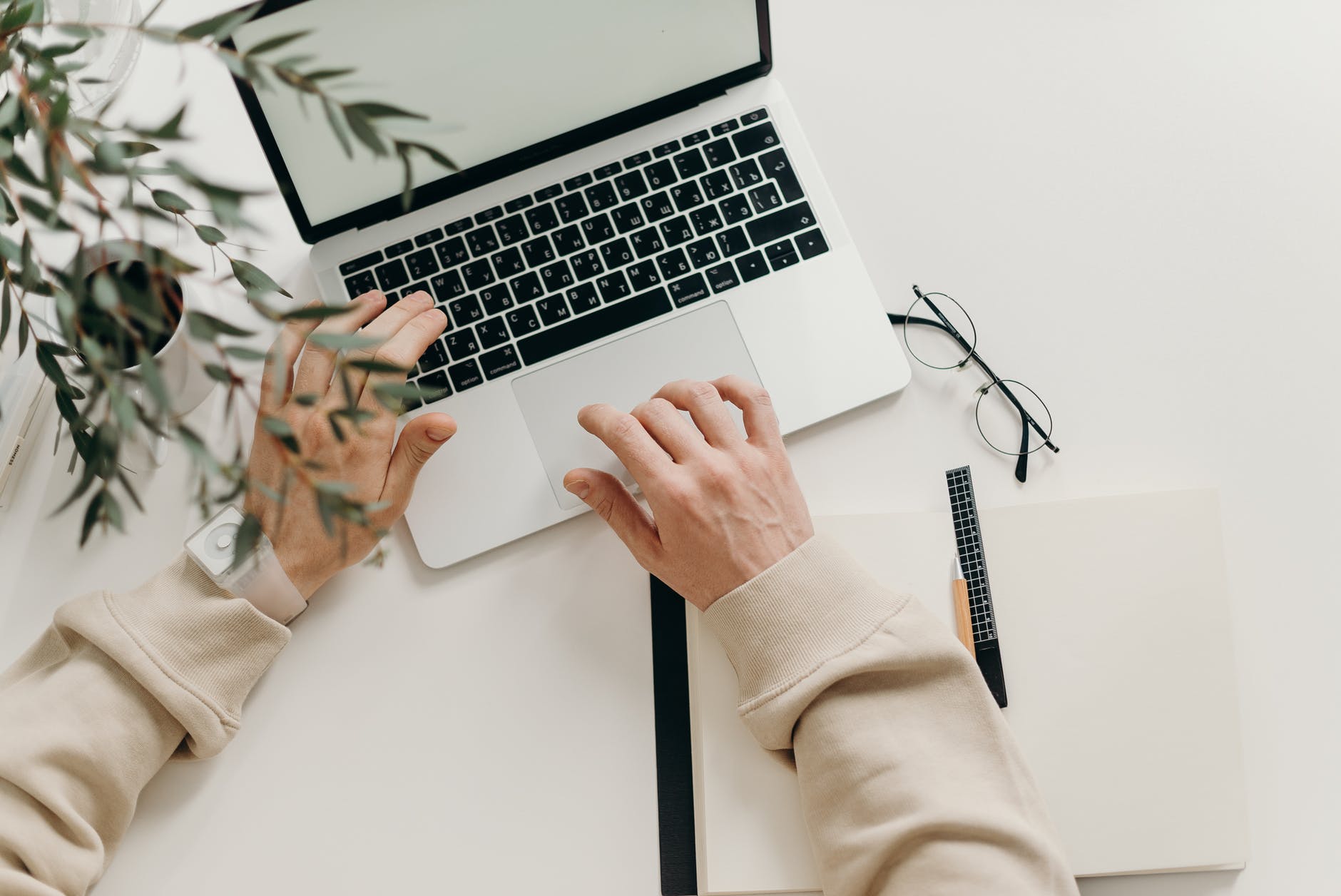
person in beige long sleeve shirt using macbook pro
Photo by cottonbro on Pexels.com

One of the functions of sleep is to process and consolidate learning, focus and memory. Sleeping implies continuing to work, because the brain clears up the bombing of information accumulated during the day that is generally very intense due to the different sources available today. Our biology is prepared for short periods of sleeplessness in stressful or urgent situations.  

Several studies have revealed that the habit of dedicating a few hours to sleep reduces cognitive performance, causes focusing deficit and loss of the ability to make decisions, as well as increases states of stress, anxiety and depression. Humans are ‘circadian animals’, programmed for 24-hour sleep-wake cycles. Sleeping for a few hours is a physiological assault on our body and, in particular, on the brain. If sleeping little is your choice, know that this alters the neuron-hormonal pattern which can cause:

1. emotional problems;

2. difficulty in acquiring new learning;

3. problems in storing new information;

4. increased nervousness and anxiety.  

Thinking that sleeping is a waste of time is wrong because it has health consequences. Sleepiness and loss of focus are evident the next day, while other problems could arise in the long term, such as an increased risk of cancer, cardiovascular disease, hypertension, neurodegenerative disorders and metabolic disorders. Actually, sleeping for short time also increases appetite, with obvious consequences on your weight. Lack of sleep, in fact, leads to have frequent snack and drink sugary or caffeinated beverages.  

Another important question is whether these negative health effects also occur when you wake up very early. Studies show that getting up too early does not necessarily cause alterations, as long as your sleep has been restorative enough. Remember that it is very important to complete five or six sleeping cycles every night (a sleep cycle lasts an average of 90 minutes).

What about you? Do you sleep enough to be productive?

back to school flatlay
Photo by olia danilevich on Pexels.com


Why Your Well-being Must Be a Top Priority

The society we live in often leads us to reverse priorities and put work first. This can negatively affects our quality of life and physical, mental and emotional health.

According to researches carried out in France, physical suffering related to work affects 3.1% of women and 1.4% of men, but according to some experts, the figures are higher. The international classification of diseases identifies burn-out as a work-related phenomenon but in reality work is not the only cause.

With the cost of living constantly rising, we are likely to work longer hours to earn a salary that allows us to provide for our own needs and those of our family. Because of this, many elements of our private life are put aside.

We spend many hours working, reducing the time to eat, to rest, to be with the family, and we do not realize how much this can harm us.

While most of us cannot afford to leave their job, a balance must be found between work and private life to prevent stress from building up in a worrying way.

Photo by Christin Hume on Unsplash

In this period of forced tele-working, it is even more difficult to put boundaries between work and private life. For this reason, many governments have been drafting directives that establish the right to “disconnect”. We need to have the time to do sports, to walk, to take care of our dear ones, to follow our passions or simply to rest.

More and more people suffer from stress, feel exhausted, have problems with nutrition, addictions, or relationship difficulties, and all that because of the long working days, which do not leave us the time to do activities for our well-being.

If you feel you are in one of those situations, know that no salary is worth your health, no job is worth the wear and tear that comes from working days that annihilate your energy and happiness.

If you have no other alternatives to the work you are currently doing, find something positive to balance your life, because otherwise, there may come a time when you will start making mistakes at work and your overall performance will suffer. Start looking for another job but put your health in the first place, because if you get ill it may take a long time to recover.

Your job is an important part of your life, but it is not your life. There is much more: family, health, and friends. Do not allow work to take up all the space in your mind and body, taking the joy away from you.

Remember always taking care of yourself first, because this is the only way you can live a better life.

How do you take care of yourself?

Photo by KT on Unsplash

10 Ideas For Spending Your Holidays At Home.

In this period of mobility restrictions caused by the pandemic, the time when we could travel freely seems a long ago. Last year for Easter, I had planned a trip to Berlin and I would not have expected to cancel it. This year too, I would have liked to leave for the Easter break, but the virus is still among us and it is better to stay where we are.

Covid has changed many aspects of our life and going on vacation is one of them. It is obvious that going on vacation is very important for physical and mental health. You should think about taking rest periods even without being able to travel.

When we work we look forward to the weekend but it is not long enough to fully recharge ourselves. To be able to really disconnect from work we need more time.

Holidays are a period of time that we need, we need it as well as sleep, eat, drink, in short, they are a necessity. If we want to stay healthy, we have to take vacations.

Waiting for the pandemic to pass and then taking a long vacation is not a good idea. It is better to take shorter vacations but more often.

Of course, we cannot travel now, it is strongly discouraged, but this does not mean that a period of rest at home or close to your place, depending on what you can do in the country where you live, will do some good. Holidays allow us to recover and when we come back, we often feel better, full of energy and even more creative.

Photo by Wee Lee on Unsplash

It does not matter where you go on vacation. The main thing is that you can rest and put aside your daily worries. Choose what to do, with whom and when to do it. Not everyone likes travelling. Some like to have time to read more, do more physical activity, spend time outdoors. Others like to take small hikes, without straying too far from home. Some people enjoy long trips, some other like only short ones.

With the health crisis, many of us had their vacations at home. Let us see the positive aspects of it: definitely less pollution, you saved some money and also the stress of travelling.

However, there are people who do not like being at home. They do not know what to do, they get bored, they do not want to tidy up the house (but for this one could call someone to help), and the children (when they are there) need care and attention. They have to think about many things, as if they were working. On the other hand, they may simply want to change air and get to know new places, or return to places they have loved before.

If, however, you are forced to stay at home due to travel restrictions, take some days off and try to take advantage of your free time anyway, as doing so will make you feel better. Moreover, think that the pandemic will be hopefully over soon.

If you find yourself in the position of having to stay at home during your holidays, try these tips:

1. Don’t read professional emails;

2. Do little housework;

3. Establish rules and times for being at the computer or television (both for you and your children, if you have any);

4. Look for new places to discover in your neighbourhood;

5. Spend time in nature because nature is a source of energy;

6. Make a list of what you would normally do on vacation, eliminating the things you cannot do due to anti-Covid rules. For example, in Belgium, where I live, you can ride a bike, but you cannot go to a restaurant;

7. Organize a movie marathon with friends and discuss with them to find out which ones you all liked the most;

8. You can do the same thing with a book. Choose with your friends a book you all would like to read. When finished, you gather together (on-line if not possible a real gathering together) to comment on it;

9. Why do not you sign up for an online course to learn new things? There are many possibilities even for free!

10. Indulge yourself with little vices: buy some chocolate (soon it will be Easter, the best moment to buy it), a good bottle of wine, or have a three-course meal delivered.

What kind of vacation do you like? Do you prefer to travel far away or stay closer?

Photo by Emma Simpson on Unsplash