Nostalgia: Why Reflecting on the Past is Crucial for Mental Health

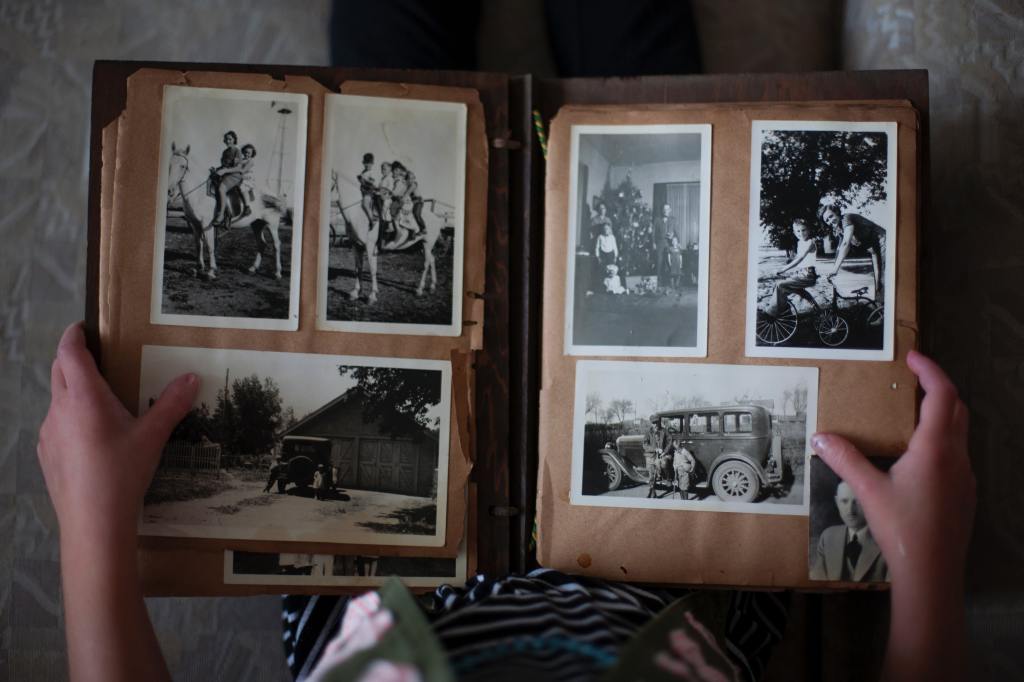
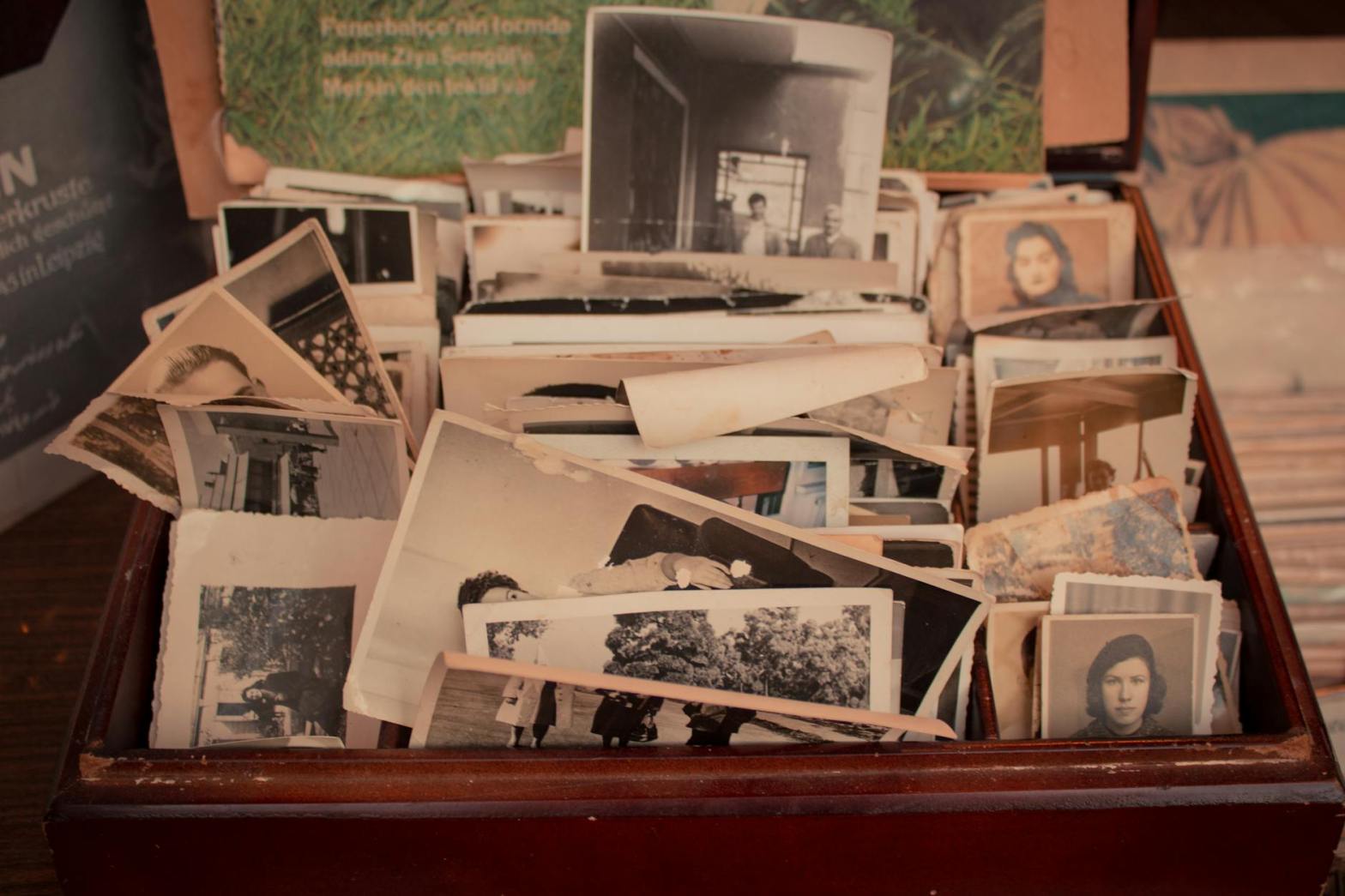
Nostalgia protects against existential challenges, helping us cope with the present and future by evoking positive experiences and feelings from the past. This powerful emotion serves as a rearview mirror, reflecting a particular time, place, or emotion that once brought joy or comfort. Whether it’s the memory of your first love, a yellowed photograph found by chance, or an object that stirs a significant memory, nostalgia plays a crucial role in our mental well-being.

How the Internet Fuels Nostalgia

In today’s digital age, the Internet has become a key driver of nostalgia. With just one click, you can find the soundtrack of a cherished moment from your past, instantly transporting you back in time. Experts suggest that nostalgia is a complex emotion—predominantly positive—that enhances our sensitivity and helps us understand the present.

The Origin of Nostalgia

The term “nostalgia” was coined in 1680 by Johannes Hofer, a student at the University of Basel. He combined the Greek words “nóstos” (homecoming) and “algia” (suffering) to describe the deep longing Swiss soldiers felt to return home from battle. Today, we understand nostalgia as a positive and stimulating emotion, distinct from melancholy, which does not cause illness symptoms but helps combat them.

Nostalgia as a Source of Resilience and Wellbeing

Research from the University of Southampton in the UK highlights nostalgia as a vital mental health component. It motivates us, boosts our self-esteem, and serves as a reservoir of emotions that we can consciously and unconsciously access. These positive memories reinforce feelings from our past, aiding us in coping with current and future challenges.

While nostalgia allows us to recall the past, it does not bring back what we have lost. Instead, it helps us better manage the life we are living. By tapping into nostalgic memories, we can find comfort and strength, making it an essential tool for resilience and well-being.

Does Nostalgia Help You Manage Your Life?

Reflecting on your own experiences, do you find that nostalgia helps you manage your life? Share your thoughts and let me know how nostalgia influences your mental health and daily coping strategies.

Thank you for reading! Please sign up for my blog crisbiecoach so you don’t miss out on any posts and also for Wise&Shine an incredible online magazine!

How to Find Happiness

We all seek happiness because we think that when we are happy, we have everything. When joy fills our souls, life lights up, our hearts open up and our hands stretch out. On the contrary, when our soul is darkened, when sadness pervades our lives, everything becomes more difficult. Where and how to find happiness?

Where to find happiness

We often seek happiness outside of ourselves. Of course, the joy that comes from the outside brings us joy as well. Dinner with friends, a successful exam, a new experience…

Unfortunately, these are ephemeral moments that will not last long. It would be good for you if you can remember them with nostalgia.

However, there is also a type of joy that does not depend on external events, it does not have elements that have triggered it, in short, it does not depend on anything.

It can be said that this is a free happiness, as Jean Klein defined it, namely a form of joy without object. To quote some of his words: “spontaneous state of interior silence that we can open ourselves to our true nature: the ‘I Am’ of pure consciousness.”  

It is a joy without object because it does not come from the world, it has another origin. This happiness comes from pure existence, from our being in the here and now.

How to find happiness

We knew this joy very well when we were children. Then, slowly, growing up, we miss it.

Sometimes it returns when we do not have worries, we are particularly relaxed and in a good mood.

But if you can transcend everyday life, stay silent and focus on your breathing even for a few minutes, you find yourself and the essence of life in the here and now.

Among the positive affirmations, you can find the affirmation “I am” that does not mean identifying with oneself as a person with name, surname, date of birth, etc.

Transcending yourself means stripping yourself of your individual identity so that you can quickly experience the happiness of your pure being.

Where and how do you find happiness?

underwater photography of clear water
Pure Water – Photo by Tyler Lastovich on Pexels.com

Come essere felici

Cerchiamo tutti la felicità perché pensiamo che quando si è felici si ha tutto. Quando la gioia riempie la nostra anima, la vita si illumina, il nostro cuore si apre e le nostre mani si tendono. Al contrario quando la nostra anima è oscurata, quando la tristezza pervade la nostra vita, tutto diventa più difficile.
Dove trovare la felicità

Spesso cerchiamo la felicità al di fuori di noi. Certo, una gioia che viene dall’esterno fa piacere. Una cena tra amici, un esame riuscito, una nuova esperienza…

Purtroppo, però questi sono momenti effimeri, non destinati a durare. Al massimo potrai ricordarli con nostalgia.

Tuttavia, esiste anche un tipo di gioia che non dipende dagli eventi esterni a noi, non ha degli elementi che l’hanno generata.

Si può dire che questa sia felicità gratuita, come la definiva Jean Klein, una forma di gioia senza oggetto. E’ una gioia senza oggetto perché non viene dal mondo, ha un’altra origine.

Questa felicità deriva dalla pura esistenza, dal nostro essere nel qui e ora.

Come trovarla

Conoscevamo molto bene questa gioia quando eravamo bambini. Poi, piano piano, crescendo l’abbiamo persa.

A volte si ripresenta quando non abbiamo delle preoccupazioni, siamo particolarmente rilassati e di buon umore.

Ma se riesci a trascendere dalla quotidianità, stai in silenzio e ti concentri sulla tua respirazione anche solo per qualche minuto, ritrovi te stesso/a e l’essenza della vita nel qui e ora.

Tra le affermazioni positive che puoi adottare, c’é anche l’affermazione “io sono”. “Io sono” non significa identificarsi con sé stessi in quanto persona con nome, cognome, data di nascita, ecc. significa piuttosto trascendere sé stessi/e e spogliarsi della propria identità individuale.

In questo modo potrai trovare rapidamente la felicità nel tuo essere puro.

Cosa ne pensi della felicitá senza oggetto, né motivi particolari che possono averla generata?

underwater photography of clear water
Pure Like Water – Photo by Tyler Lastovich on Pexels.com

Why nostalgia is important

Nostalgia is a shield against existential challenges. Evoking positive experiences and feelings from the past can help you cope better with the present and the future.

Nostalgia is a rear view mirror that reflects a particular feeling of a time or place or an emotion that happened in the past. It could be the memory of your first love, a yellowed photograph found by chance, or an object that reminds you of something. The Internet can help make you nostalgic. With one click you can find, for example, the soundtrack of a pleasant moment you lived.

Photo by Laura Fuhrman on Unsplash

Today, experts tell us that nostalgia is a complex emotion, above all, but not always, positive, which can give you greater sensitivity and can help you understand the present.

The word nostalgia was invented in 1680 by a student (Johannes Hofer) from the University of Basel who combined the Greek word nóstos (homecoming) and algia (suffering). He described it as the pain that the Swiss soldiers felt in battle and that they wanted to go home.

Current studies distinguish nostalgia from melancholy because it has a stimulating effect and does not cause symptoms of illness, rather it tries to fight them.

Could it be said that nostalgia is a source of resilience and wellbeing?

Researchers from the University of Southampton (UK) have observed that nostalgia is a vital component of mental health that motivates us and increases our self-esteem.

Nostalgia also represents a reservoir of emotions that you can consciously access and which you unconsciously use in your daily life to reinforce the feelings of your past that help you cope with the present and the future.

But remember that the past can be recalled but cannot come back. Nostalgia does not give you back what you have lost but it helps you to better manage the life you are living.

Do you think nostalgia helps you with managing your life?

Photo by Alexander Schimmeck on Unsplash

Perché la nostalgia é importante

La nostalgia rappresenta uno scudo contro le sfide esistenziali. Evocare esperienze e sentimenti positivi del passato possono aiutarti ad affrontare meglio il presente e il futuro.

La nostalgia é uno specchietto retrovisore che riflette un sentimento particolare di un tempo o di un luogo o un’emozione accaduta in passato. Potrebbe essere il ricordo del primo amore, una fotografia ingiallita ritrovata per caso, o un oggetto che ti ricorda qualcosa. Internet può contribuire a farti provare nostalgia. Con un click puoi ritrovare, per esempio, la colonna sonora di un momento piacevole che hai vissuto.

Photo by Laura Fuhrman on Unsplash

Oggi gli esperti ci dicono che la nostalgia é un’emozione complessa, soprattutto, ma non sempre, positiva, che ti può dare una maggiore sensibilità e ti può aiutare a comprendere il presente.

La parola nostalgia é stata inventata nel 1680 da uno studente di medicina (Johannes Hofer) dell’Università di Basilea che unì la parola greca nóstos (ritorno a casa) e algia (sofferenza). La descrisse come il patimento che provavano i soldati svizzeri in battaglia e che desideravano tornare a casa.

Studi attuali distinguono la nostalgia dalla malinconia perché ha un effetto stimolante e non provoca sintomi di malattia, anzi cerca di combatterli.

Si potrebbe dire che la nostalgia é una fonte di resilienza e benessere?

Alcune ricercatori dell’Università di Southampton (UK) hanno osservato che la nostalgia é una componente vitale della salute mentale che ci motiva e che fa aumentare la nostra autostima.

La nostalgia rappresenta anche una riserva di emozioni alle quali puoi accedere coscientemente e alle quali ricorri inconsciamente durante la vita quotidiana per rafforzare i sentimenti del tuo passato che ti aiutano ad affrontare il presente e i futuro.

Ricorda però che il passato può essere rievocato ma non può tornare. La nostalgia non ti restituisce quello che hai perso ma ti aiuta a gestire meglio la vita che stai vivendo.

Pensi che la nostalgia ti sia utile?

Photo by Alexander Schimmeck on Unsplash