Drawing Inspiration from the Secrets of Trees

I recently read Peter Wohlleben’s captivating book “The Hidden Life of Trees“. Wohlleben believes trees talk to each other. Isn’t it fascinating? The world of forests unveils the extraordinary inner workings of these natural wonders. The author explains how trees interact, communicate, move, and defend themselves. He also describes their growth patterns.

From his words, we discover a profound truth: the silent, hidden trees that spend years in the shade foster a resilience that withstands the tests of time. Like whispered secrets shared among the ancient forest, these trees teach us patience and fortitude. Meanwhile, those that hastily reach for the sun find themselves vulnerable to decay, their fleeting growth unable to withstand the rigors of existence.

In nature, we find wisdom – a timeless reminder that endurance often lies in the shadows. Limited sunlight results in slow growth, leading to the development of dense wood that lasts for generations.

On the contrary, trees constantly exposed to the sun rapidly grow, producing porous wood susceptible to fungi, yeasts, molds, and mildew. A tree that quickly grows decays faster and never gets the chance to age.

We may find solace in the profound lessons echoed by ‘The Hidden Life of Trees.’ This insightful narrative reveals the intricate balance of nature, where trees patiently endure in the shadows, fostering resilience that transcends generations. As we grapple with the urgent need for sustainable solutions, we’re reminded that true endurance lies not in rapid growth, but in the quiet strength cultivated over time. Perhaps, in embracing the wisdom of the forest, we can uncover pathways to mitigate our carbon footprint and forge a more harmonious relationship with the natural world.

We can learn a lot from nature on how to apply its principles and strategies for lasting success and resilience. Peter Wohlleben’s storytelling prowess brings the forest to life, offering invaluable insights into the secrets of endurance found within its wooded realms.

Thank you for reading! Please sign up for my blog crisbiecoach so you don’t miss out on any posts.
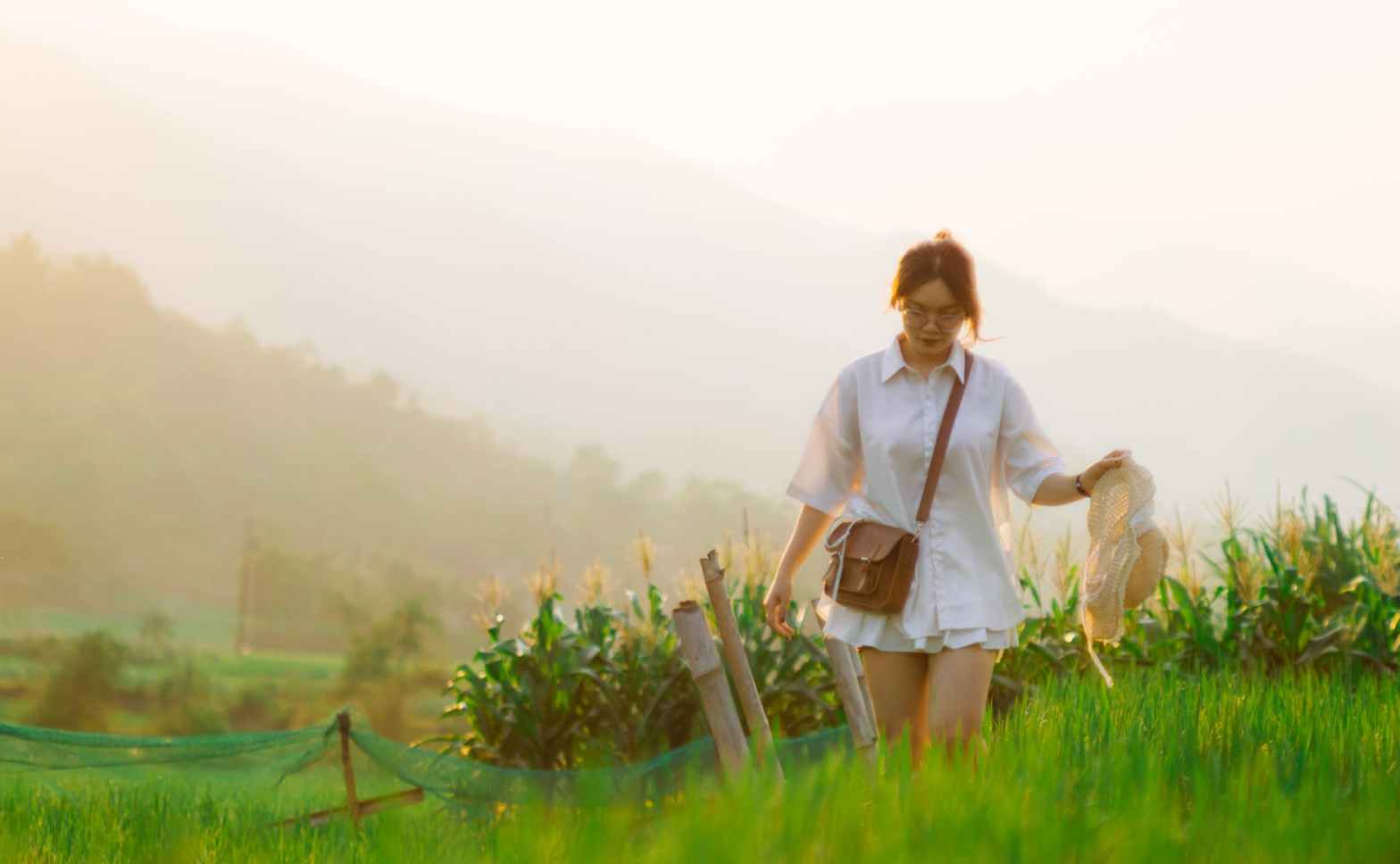
Why Walking Meditation Helps Regenerate the Brain

Walking meditation is an act of personal liberation because it offers you the simple pleasure of freeing yourself from daily obligations. You can see the benefits already after the first week you started to walk, and it is becoming a habit of your life. 

According to some research, people living in large cities, which usually are big urban areas highly polluted, suffer from extreme stress also because they tend to spend very little time in nature.

If you add to your routine walking meditation practice, you will get a really powerful anti-stress remedy. Practicing it brings enormous physical and psychological benefits. Ten minutes a day are enough, and you can practice walking meditation at any time of day.

A meditative walk in nature will allow you to free yourself from everyday stress.

Walking by itself is good for your health. It allows to reduction the risk of cardiovascular diseases and back pain, for example. Why not combine this practice with meditation?

Here are 6 tips on how to do it.
  1. Keep your back straight.
  2. Synchronize the breath on your steps, by keeping a quiet walking pace.
  3. Become aware of your body. Focus on your feet, on your legs, on the movement, on the contact with the soil. Try to eliminate tensions and concentrate only on the steps.
  4. Focus on the feelings this practice gives you. Are they pleasant? Is your body relaxing? And your mind, is it calming down?
  5. Then move your attention to your emotions. What do you feel? Do not judge the emotions you feel, let them go, observe them as if they were in front of you.
  6. Finish your practice by standing, contemplating the feeling of fullness, and thanking your body and mind for the beautiful meditative walk.

Do not try to stop thinking, because thinking is the activity of the brain and it is impossible to stop! On the other hand, try to take advantage of the moment of relaxation you are experiencing, to become aware of your body and your emotions without this affecting your mood and without judging.

By regularly practicing the meditative walk, you will feel more and more balanced and at peace with yourself.

Here are some results:

1. When you walk, your brain stops worrying. Walking is an activity within everyone’s reach and allows you to receive an extra dose of oxygen and clean air from nature. This is when we begin to stimulate our frontal lobe, the one that is related to creativity and mood. If we add to this the natural release of endorphins, magic happens. The brain feels more euphoric and optimistic.

2. Thanks to a better mood, you will be more creative. When you are not under pressure, you drop negativism and the hormone cortisol produced by stress disappears. You will feel more relaxed, more enthusiastic, and more confident.

3. You are used to moving in small spaces. Your home, your work, public transport, supermarkets, and other places you regularly go, are limited spaces in which tensions may ignite. Therefore, just starting to meditate and walk in a natural, open space is a wonderful act of liberation and relaxation.

4. According to research, you must seek, above all, contact with nature. The idea is to fill your lungs with pure oxygen, and your eyes discover new horizons, and stimulating landscapes thanks to which the brain is enriched.

Be aware that walking is much more effective than a painkiller or any vitamin! And a meditative walk is an experience you cannot miss!

Would you give it a try?

Ideas to Try out in Your Free Time (part four)

The journey to explore ideas to try in your free time continues today. Other ideas have been published earlier. Let’s check them out!

Here are some new ideas to try out in your free time.
  1. Organize a picnic. Choose a date, a place and invite your friends and/or family. The formula, particularly convivial, is declined in many ways and can integrate a theme, a specific culinary style, a walk, or even games for the youngest and, why not, also for the older.
  2. Take a trip alone. This may seem like a very bold big step if you are used to travelling with your partner, family or friends. The advantage is the incredible freedom to really do what you want, not to compromise with others on what you want to do, and to plan an itinerary only according to your wishes.
  3. Read a book outdoors. Choose a comfortable place, a park with a beautiful lawn for example, and take a blanket to sit on. Take advantage of your time to read a book by occasionally looking at the people around you, walking, children playing, dogs running. Enjoy the life that unfolds around you, without you having to do anything. And if you finish the book, why not leave it on a bench with some advice for those who want to take it?
  4. Cultivate your own garden. Whether you want medicinal plants, vegetables or flowers, making a garden is fun and instructive. If you don’t have land, you can also do it on a balcony. And if you do not have a balcony either, there are plants that live well also inside. This activity is particularly healthy because it allows you to regain contact with nature, to understand its dynamics and to observe its wonders.
  5. Immerse yourself in nature. As I said before, being in contact with nature is extremely energizing, relaxing and reassuring. Whether it’s a walk in a forest, in a park or a full immersion in nature, like camping, listen to your wishes and make them come true.

Would you have other ideas to add? Let me know!

close up of beer bottles on wood
Idea – Photo by Bruno Scramgnon on Pexels.com

The Black Dot

“Energy goes where your focus is” Tony Robbins

This is what the story of the black dot is about.

One day, a professor entered the classroom and asked the students to get ready for a surprise test.

They all waited anxiously at their desks for the exam to begin.

The professor handed out the exams with the text facing down, as usual. Once he handed them all out, he asked the students to turn over the papers.

To everyone’s surprise, there were no questions – just a black dot in the middle of the paper sheet.

The professor, seeing the expression on everyone’s faces, told them the following: “I want you to write about what you see there.”

The students, confused, got started on the inexplicable task.

When the given time was over, the professor took back all the papers, and started reading each one aloud, in front of all the students.

All of them, with no exception, defined the black dot, trying to explain why it was in the middle of the sheet.

After all had been read, and the classroom was silent, the professor started to explain: “I’m not going to give you a note on this, I just wanted to give you something to think about. No one wrote about the white part of the paper. Everyone focused on the black dot. The same happens in our lives.”

Life is like a piece of paper to write on, observe and enjoy, but we always focus on the dark spots.

Life is a gift, and we always have reasons to celebrate – nature renewing itself daily, friends around us, the job that provides us money to live, the love of our partner, our children, and much more.

The dark spots are very small when compared to everything we have in our lives, but they’re the ones that pollute our mind.

Take your eyes away from the black dots in your life. Enjoy each one of your blessings and each moment that life gives you. Be happy and just live!

Do you think you are living your life fully?

woman in white long sleeve shirt standing near white and gray house during daytime
Life – Photo by Julian Jagtenberg on Pexels.com

Spring, Spiritual Awakening and Freedom

It is the end of winter and spring appears timidly showing us the first blossoms, longer days and birds that build nests.

Spring marks the awakening of nature and therefore also our awakening, not only physical but also spiritual.

There is a Sanskrit word that defines spiritual awakening, but which actually means “liberation”. The word is Moksha.

According to the Indian tradition, the discovery of one’s Self is associated with that of freedom.

But why? What kind of freedom are we talking about?

First of all, let us remember that waking up our true nature means becoming aware that there is a much wider presence within ourselves than the individual we normally identify with. The Self is called Atman in Indian philosophy.

The first freedom that we should discover is to abandon identification with the body. In fact, by discovering our Self, we stop living as prisoners inside our body. Suddenly our presence, which was previously closed within the perimeter of our skin, becomes immense and limitless. We join the world. We are no longer inside our body, but it is our body that is inside us.

The second freedom is the discovery that we are not dependent on our thoughts. The Self is not a thought, but it is consciousness, the awakened space in which our thoughts appear and disappear. Liberation from thought is like liberation from a corvee, from a hellish cycle of recurring thoughts, and it gives us silence.

The third freedom consists in the discovery that our Self is free from our past, from what has happened to us of both positive and negative. Our past remains, of course, and constitutes our history, but the Self lives only in the present moment, so it is always new, original, fresh. It allows us to regenerate the source of our presence every moment.

The fourth freedom is that from the judgment of others, which too often is very heavy. Others see us, judge us and this makes us lose some of our freedom. But others cannot see our true Self, they cannot see who we really are. They only see our appearance, our body, but they cannot see our true nature. Thanks to awakening we are able to free ourselves from the gaze of others and finally to be free.

Which of these four freedoms do you think is most useful for your individual journey?

woman walking on pathway under the sun
Individual Journey – Photo by Andrea Piacquadio on Pexels.com

How to Help a Friend in Need

It hurts to see a loved one who is not psychologically well. How to help a friend need then?

Nobody taught you how to help a friend and you don’t know what to do. You celebrate successes with them but you would like to be able to listen to their anxieties, fears, frustrations and problems in general. It really depends on your sensitivity and empathy.

You have noticed that a friend of yours no longer looks like the one you used to know. They seem sad, dull, speak little, they are isolated and blocked in their thoughts. They may be also restless, nervous, hyperactive, anxious, irritable, and have started drinking a lot of alcohol.

You wonder if it was due to the pandemic. Maybe, but they were like that also in the summer, when the Covid situation had improved. They continue to see everything black, they don’t want to go out, see anyone or even talk to anyone.

Moreover, they sleep badly, and are not motivated to go to work.

The first thing that comes naturally to do is trying to reassure them, saying that they don’t need to worry, it will pass quickly, we all have problems and maybe you start telling them about yours, as if this could cheer them up. The result is that your friend is getting worse and worse.

Actually, this diminishing other people’s state of discomfort only contributes to making them feel worse.

Once a psychologist told me that when a person is agitated, you should never tell them to stay calm, because this would have the opposite effect. It is more or less the same thing. If a person is in distress, you should not underestimate their discomfort.

stormy sea with splashes and waves
Photo by Pok Rie on Pexels.com

Therefore, how to help a friend in need?

First, you have to listen to them, in an active and empathic way. Listening in this way is not easy, but you can learn. Validate what the friend feels; don’t underestimate their situation and make them understand that they are not alone.

Sometimes, giving advice is not useful. On the other hand, it may be useful to offer practical help, such as shopping for example.

Alternatively, you can propose to go out together, for a drink or to a restaurant, so that your friend can get distracted and maybe they relax and tell you about the difficult time they are going through. A walk in nature or a short hike are also activities that can prove useful. Visiting an art exhibition or a museum can really help raise the moral.

You don’t have to force them to do anything they don’t want to, you have to give your friend space and time, conveying hope that they will feel better later on. You can also tell them to remember some good times from the past that might be comforting. Or, you can tell them to think of other difficult moments they went through and ask themselves how they overcame them.

In addition, you don’t have neither to put pressure on them nor judge them. Only be available.

Obviously, you must not take responsibility for the mental health of the other person. If you are not a psychologist, you cannot know if what the person is going through is temporary or if it is a real mental disorder.

Therefore, if you see that your friend’s health does not improve, you should try to convince them to go to the doctor to explain the situation. Maybe you could even offer to accompany them, because friendship also means helping each other.

What are your strategies for helping a friend to overcome a difficult situation?

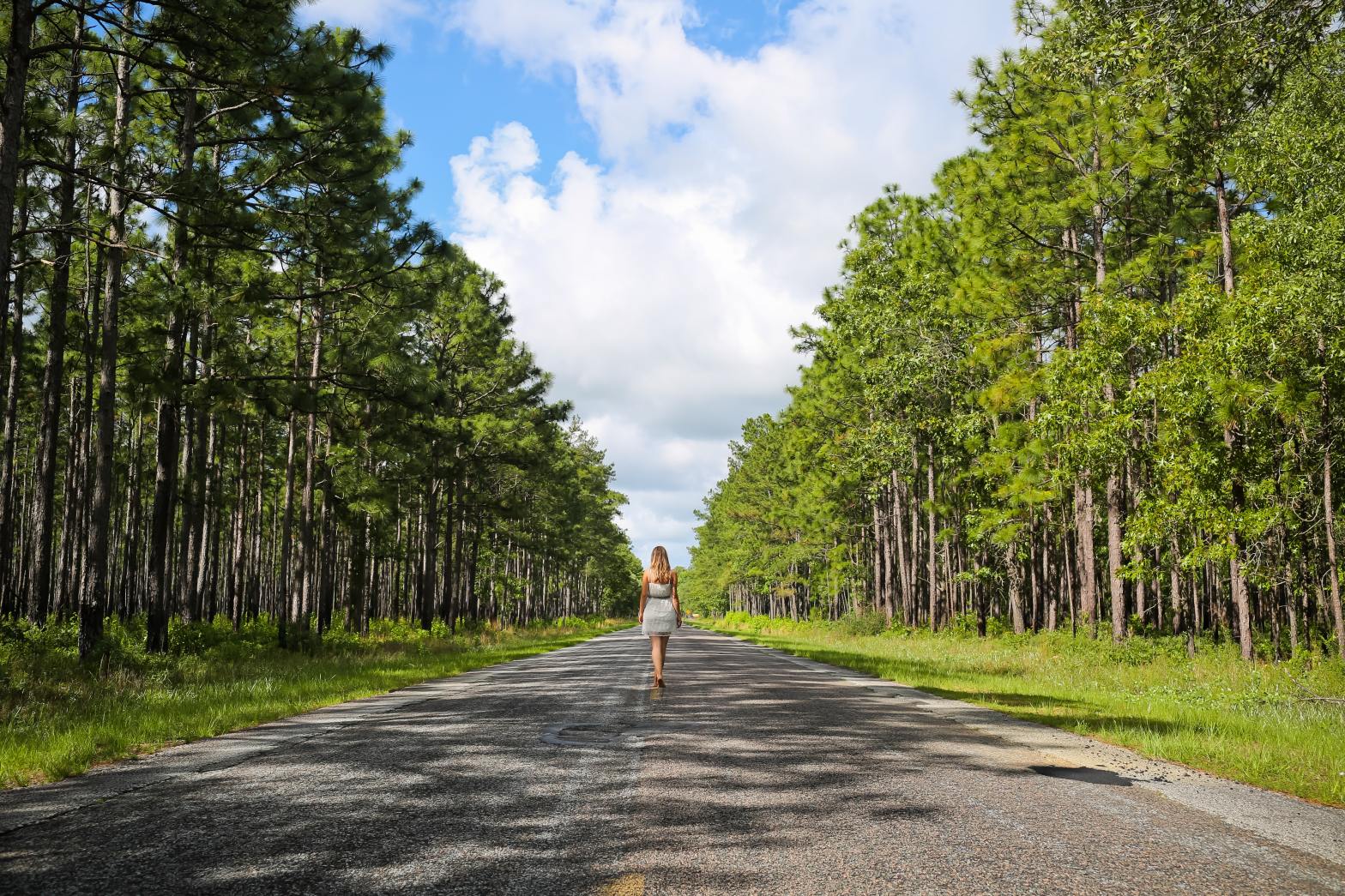
gray asphalt road surrounded by tall trees
Photo by Pixabay on Pexels.com

How to Face Autumn in Perfect Shape

As trees are losing their leaves in the fall, we are losing our hair.

A plant that slows down hair loss is nettle. Re-mineralizing thanks to the silicon it contains, rich in iron, vitamin B and other minerals, nettle helps in the prevention of anaemia, slightly drains the kidneys and strengthens hair, nails and skin.

Using it in powder or capsules for the duration of autumn, you will find yourself with more voluminous hair, stronger nails and new radiance of your skin.

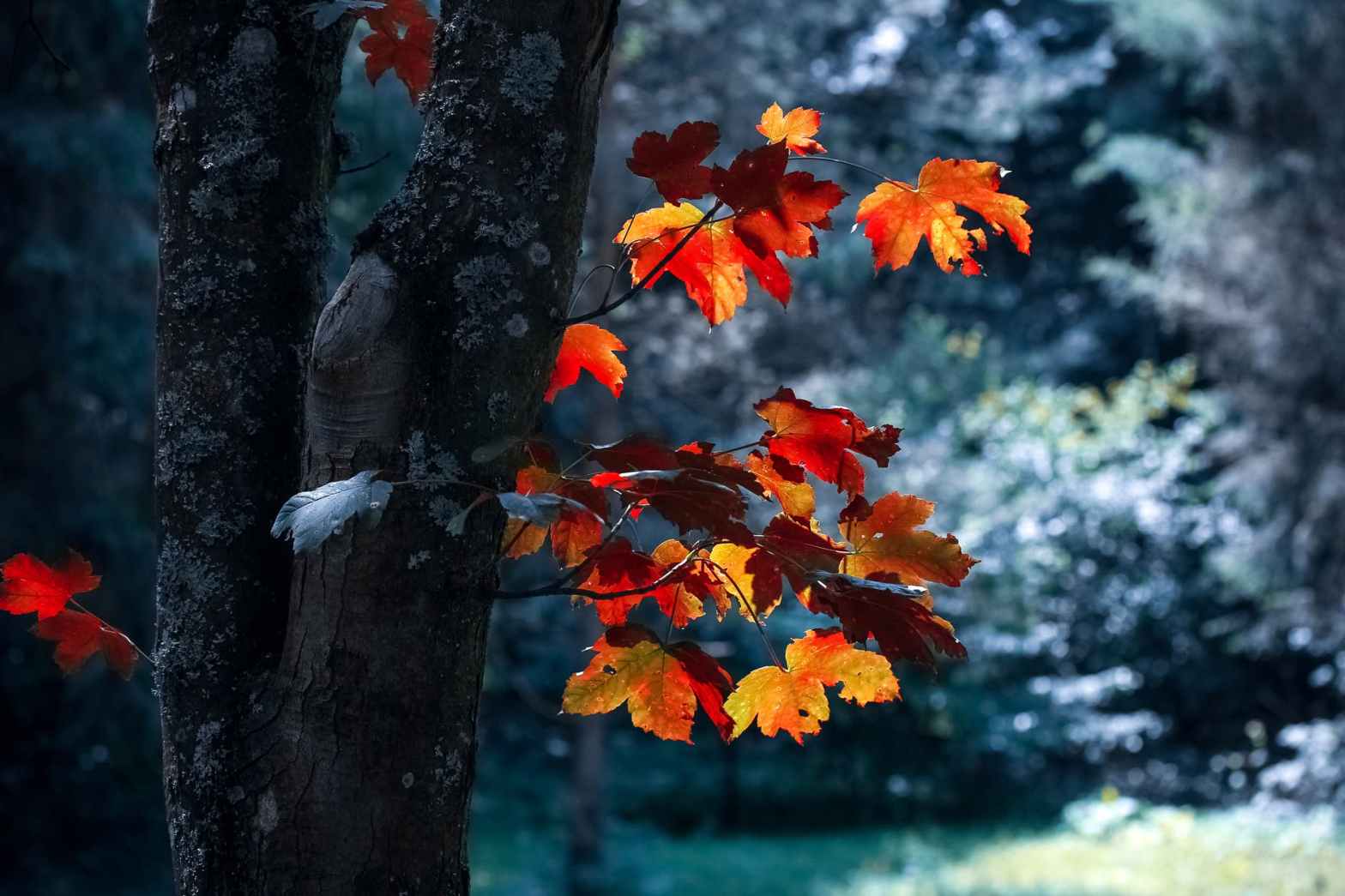
autumn autumn leaves branch bright
Photo by Pixabay on Pexels.com

During the autumn, the days get shorter and you may lack some motivation.

You can try rhodiola. It will help you adapt to the different types of stress you experience. It is a plant with antidepressant properties and increases the production of dopamine in the brain, thus helping you to regain some motivation and enthusiasm to start projects. It can also prevent burnout, professional but also personal. In the autumn period, when you need more energy, the rhodiola will help you not to yield to the progressive lack of light.

Orange leaves are a panacea for the soul because it gives you comfort and calms down anxiety, stress and nervousness. They say that it can reconnect you to your inner child. It is a first-rate nervous rebalancing, also with antispasmodic properties if the spasms are of nervous origin (cough, stomachache).  

Pay attention that if you have any particular health conditions or if you are pregnant, you shall consult your doctor. Plants have powerful properties and you have to be careful.  

What about trying one (or more) of those natural remedies?

flat lay photo of alternative medicines
Photo by Nataliya Vaitkevich on Pexels.com

Poem for the Approaching Autumn

Falling Leaves

I’ve read about falling leaves in fifty thousand poems novels
   and so on
watched leaves falling in fifty thousand movies
seen leaves fall fifty thousand times
              fall drift and rot
felt their dead shush shush fifty thousand times
              underfoot in my hands on my fingertips
but I’m still touched by falling leaves
              especially those falling on boulevards
              especially chestnut leaves
              and if kids are around
              if its sunny
              and I’ve got news for friendship
especially if my heart doesn’t ache
and I believe my love loves me
especially if it’s a day I feel good about people
              I’m touched by falling leaves
especially those falling on boulevards
especially chestnut leaves.

6th September, 1961, Leipzig

Nazim Hikmet from Poems of Nazim Hikmet, translation Randy Blasing and Mutlu Konuk, Persea Books, 2002

Nazim Hikmet (1902-1963)

September Quotes

Let’s welcome September with four quotes:

All at once, summer collapsed into fall. -Oscar Wilde

And then the sun took a step back, the leaves lulled themselves to sleep and Autumn was awaken. – Raquel Franco

September days are here. With summer’s best of weather and autumn’s best of cheer. – Helen Hunt Jackson

September tries its best to have us forget summer. – Bernard Williams

Do you know any other quotes on September? Which ones?

variety of fruits
Photo by Tijana Drndarski on Pexels.com

Late Bloomers: Instructions For Use

There is a direct relationship between ageing, physical, and mental activity. People who adopt a sedentary and passive lifestyle after retirement accelerate their ageing process. Lack of movement diminishes the body’s responsiveness and few social relationships inhibit intellectual abilities.

If we add also loneliness, the ageing process accelerates. Spending the day without stimuli other than television or cell phone, without seeing anyone or going out can cause you to lose motivation to take care of yourself and your health. Many of the illnesses we attribute to age are not due to age.

On the other hand, an active and purposeful person (a person with a purpose of life – ikigai) keeps connections and maintains healthy habits.

Photo by Alex Perri on Unsplash

Therefore, to keep fit, why don’t you follow those three tips coming from Japan?

1.  Give yourself a goal for your next birthday. For example, you may decide to practise some moderate physical activity every day to lose weight and reach that goal by your birthday. In addition, sport promotes the production of endorphins, the hormones of happiness.

2.  Reconnect with nature. Practice shinrin yoku at least once a week, or immersion in a forest recommended by Japanese doctors to promote longevity. Furthermore, this practice can also protect you from diseases because the proximity to plants strengthen the immune system.

3.  Be grateful. In the same way that an attitude of complaining and constant anger increases the level of cortisol (the stress hormone), an attitude of gratitude towards life and the people around us, promotes serenity and the joy of living.

Remember that life expectancy is statistically high in our Western societies. Most likely, you still have two good decades of “useful” life left after retirement that you could fill with meaning and activity.

Ageing with care is an art. The third age, which I prefer to call third youth, can become an opportunity to be able to love you more and take better care of yourself. Find something you enjoy doing or that you can attach an immediate reward to, and involve friends to add the lovely component of socializing.

What are your plans for your third youth?

Photo by Joanna Kosinska on Unsplash