How Creative Visualization Will Help You Achieve Your Goals

Do you find your ambitious life goals confined to your thoughts rather than materializing in reality? Creative visualization might be the missing link to transforming your aspirations into tangible achievements. In this blog post, I’ll explore the power of creative visualization and how it can help you manifest your dreams.

What is Creative Visualization?

Creative visualization is a potent technique that leverages imagination to shape your desired life. The fundamental principle is that your mind can actively influence your reality by nurturing it with the right mental images. When you intentionally visualize and feel your future successes, you plant the seeds that can sprout into reality.

Creative Visualization embodies three core principles:

  1. Clarity: The more vivid and detailed your mental images, the more impactful your visualization becomes. Clarity in your mind’s eye is key to manifesting your goals.
  2. Emotion: Infusing your visualizations with intense positive emotions enhances their effectiveness. Feeling success in your imagination strengthens the connection between your mind and body.
  3. Belief: A profound belief in the possibility of achieving your goals is crucial. Your mental state profoundly influences the outcomes, and unwavering belief supports the manifestation process.

Mind-Body Connection in Visualization

Creative visualization is grounded in the concept of the interconnectedness of the mind and body. When you vividly imagine your desired outcomes, your brain activates neural pathways as if you were experiencing them. This process triggers physiological responses, reinforcing the mind-body connection.

Achieve Your Goals with Creative Visualization

Clarify Your Goals: Visualization helps define your goals precisely, enabling you to identify your true desires.

Boost Motivation: Vivid mental imagery stirs emotions and motivates action towards your goals.

Overcome Obstacles: Anticipate and mentally prepare for challenges through visualization, enhancing your ability to overcome obstacles.

Grow Confidence: Repeated visualization of success builds self-confidence and a robust belief in your capabilities.

Attract Opportunities: Positive energy generated through creative visualization can attract opportunities and resources into your life.

Better Focus: Visualization sharpens focus, aiding in maintaining clarity and persistence when pursuing your dreams.

Incorporating creative visualization into your daily routine can be a transformative tool for manifesting your dreams. By understanding and applying the core principles, you empower yourself to clarify goals, boost motivation, overcome obstacles, grow confidence, attract opportunities, and maintain better focus on your journey towards success.

Are you ready to embrace the power of creative visualization?
The Perils of Perfectionism: Striving for Excellence Without Burning Out

Are you the type of individual who relentlessly pursues higher goals, seemingly never satisfied with the achieved results? It’s not a flaw but being a perfectionist can be a double-edged sword, akin to a relentless weapon that, if wielded excessively, may lead to burnout.

Perfectionism, much like stress, is acceptable in moderation but can be detrimental when it becomes overwhelming. Its manifestations vary from person to person, often stemming from external pressures such as the workplace, societal expectations, or familial influences.

Consider the archetype of the model employee, always pushing for more, quantitatively and qualitatively. This individual embodies a perfectionist, and while the drive for excellence is commendable, the associated behavior can transform motivation into professional fatigue. Such individuals work inflexibly, refusing to distance themselves from their tasks and unwilling to accept the inevitability of errors.

Others immerse themselves in small tasks, toiling tirelessly but without efficiency. Some perfectionists restrict their focus to minor tasks, fearing the potential failure of larger projects. This fear, a common trait among perfectionists, hinders them from embracing new challenges.

Perfectionism isn’t confined to the professional field; it concerns personal spaces too. The home must be impeccable, and relaxation takes a backseat to constant rearranging and cleaning upon returning from work.

Over time, this relentless pursuit of perfection renders individuals fragile and vulnerable, paving the way for burnout, eating disorders, or even depression. Burnout, characterized by a gradual decline in energy due to constant overload, is exacerbated by factors like unfulfilling work or a lack of recognition.

So, what can perfectionists do to avoid this downward spiral? Shifting the focus from the result to the process is crucial. Recognizing that external circumstances influence outcomes and are beyond one’s control is liberating. Perfectionists should actively seek activities that bring joy and energy, such as hobbies, spending time with loved ones, practicing sports, or nurturing passions.

Understanding oneself is paramount. Perfectionists should introspect, identifying activities that bring fulfillment and energy. Embracing the fact that humans make mistakes and that learning occurs through trial and error is a vital mindset shift.

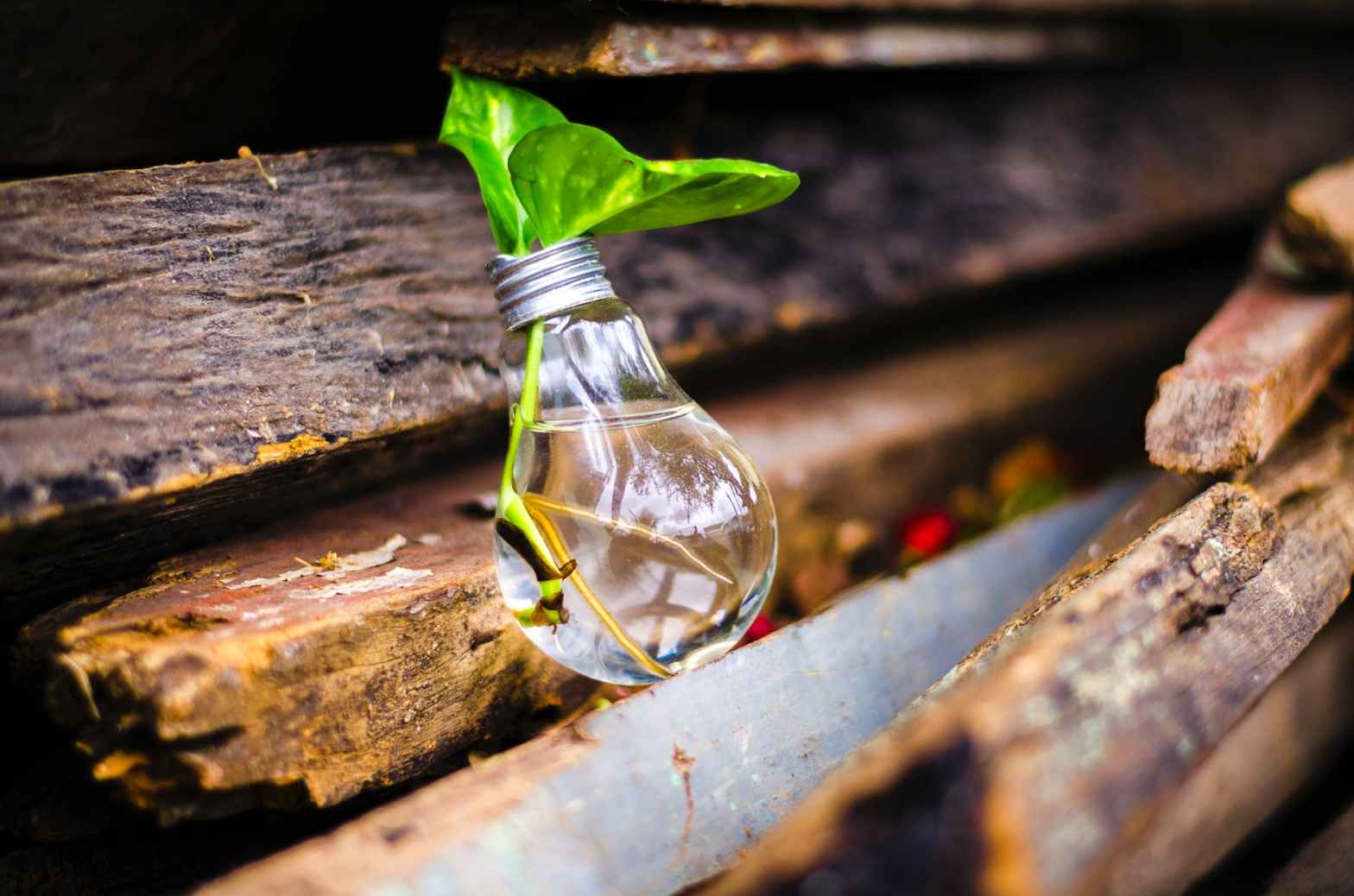
Remember, even the invention of the light bulb required 5000 attempts. When harnessed wisely, perfectionism can drive success, but not at the expense of well-being. Strive for excellence, but let it be a journey of growth, self-discovery, and, most importantly, balance.

Do you consider yourself a perfectionist?

How to Embrace Autumn While Maintaining Your Optimal Health

It’s autumn already and just as the trees shed their leaves during the this season, we may experience changes in our hair health, and more generally in our health.

One natural remedy that can help combat hair loss is nettle. Packed with silicon, iron, vitamin B, and a plethora of essential minerals, nettle plays a crucial role in preventing anemia while also offering the additional benefits of gently aiding kidney function and promoting the strength and vitality of your hair, nails, and skin.

To harness these benefits, consider incorporating nettle into your daily routine during the autumn months, either in the form of powdered supplements or convenient capsules. Doing so can lead to noticeable improvements, such as fuller hair, fortified nails, and a newfound radiance in your skin.

As the days become shorter and the temperatures drop during the autumn season, it’s common to experience a dip in motivation. This is where rhodiola can come to your aid. Rhodiola is a remarkable plant with antidepressant properties that enhance dopamine production in the brain. This boost in brain chemistry can help you maintain high your motivation and enthusiasm for embarking on new projects, whether they are personal or professional, even as the days darken. Furthermore, rhodiola can be an invaluable tool in preventing burnout.

Lastly, orange leaves can offer solace to the soul by soothing anxiety, stress, and nervousness. It is said that these leaves can reconnect you with your inner child. They are an exceptional nervous system rebalancer, boasting antispasmodic properties, especially effective for calming spasms of nervous origin, such as coughing or abdominal discomfort.

However, it is crucial to note that if you have any specific health conditions or if you are pregnant, consulting with your healthcare provider is highly recommended before incorporating these plants into your wellness routine. Plants possess powerful properties, and medical supervision ensures your well-being and safety.

Ready to embrace a healthier autumn?

A Little Mouse in a Jar

This is a short story of a little mouse who does not want to leave his box.

The box represents your comfort zone. From this story you will understand why you should try to leave your comfort zone.

When a little mouse is in a box full of rice, he thinks life is fun and enjoyable because he has enough food.

Then he will stay in this box and enjoy it until the rice is finished.

One day, however, when the box is empty, the mouse will see that he has been trapped and will no longer be able to get out of that box.

As long as you have the strength, motivation, and health to do so, you can always take risks to try to improve your life.

Do this instead of choosing to stay in your illusory comfort zone.

When you decide to step up and leave your comfort zone, you will discover a completely different and more interesting life.

Also remember that every long journey begins with a first step (Lao Tzu).

Why You Are the Words You Use

The words you use can change your reality. Language actually generates changes in your brains and changes your perception of the environment around you.

Language is linked to emotions. Your words are constantly sending messages to your brain. According to neuroscientists Andrew Newberg and Mark Robert Waldman, negative words cause the increase of cortisol, the stress hormone. Therefore, adopting a negative attitude and using phrases like “I cannot do it”, “I will fail” or “it is impossible” could weaken your personal physical and mental health.

Nowadays, many techniques associated with changing the language to treat various psychological disorders are used. An example of this is the cognitive-behavioural therapy, which demonstrate that promoting positive thinking through the language used by the patient improves their mental state.

This therapy aims to replace patients’ negative views about themselves and their surroundings with more positive ones. The applied techniques have proven to be an effective treatment for disorders such as depression, phobias, addictions or anxiety, as the activity of the brain amygdala increases when you perceive a more prosperous future through positive words. On many occasions, these therapies have proven to be as effective as medicines.

Research has shown that the brain improves when you start using three to five positive expressions for each one negative. Language has a powerful ability to change your world. It affects you negatively when you use a poor, defeatist language but it also works the other way around, namely, when you use positive phrases they will help you change your perception of the world.

person doing thumbs up
Photo by Donald Tong on Pexels.com

Start adopting a series of simple but very effective techniques. For example, use “yet” instead of using only “not”. Saying “I cannot do it” is not the same as saying “I cannot do it yet“. “Yet” leaves the doors open, arouses hope, evokes motivation.

You should not use “but” or, at least, you should build your phrases differently. “But” does not have the same effect when you say, “You did a good job, but you gave it to me late” compared to when you say, “You gave it to me late, but you did a good job.”

Tenses also give you a great opportunity to change your emotions. Instead of using the conditional, try using the future. You change a hypothetical scenario for a true one. It is not the same as saying: “When I write a book, I would speak of happiness” rather than “When I write a book, I will speak of happiness”. Doubt lives in the conditional, certainty in the future.

At the same time, you should avoid words like failure, problem, impossible or guilt in your language and replace them by more inspiring words like challenge or responsibility. The latter not only pushes you to grow and open more doors, but also makes you interact better with others.

Words are not harmless. They can build or tear down walls. By changing your language, you will improve your image, as language is a way to reach others. Remember that the words you use also improve the environment around you.

What do you think about the language you use with others?

key with trinket in shabby door
Photo by Andrea Piacquadio on Pexels.com

Do You Like Your Job?

You finish the chore tasks of the day in an hour and you dedicate yourself to kill the time you have left to complete your workday. You might ask your boss something more to do, but you would rather go out. If they need you, they will call you.

It sounds like an enviable plan, but as soon as you have posted something on social media, searched for the best book deals to buy, and eaten a sandwich, you wish the call would come. It does not come, and you realize that you have already become chronically bored, and you feel undervalued. It is not normal.

This type of boredom is called by specialists bore-out syndrome. According to psychologists, this boredom can be as damaging as overwork exhaustion, the best-known burnout syndrome. We tend to think that a bored employee will take the opportunity to pay more attention to performing a certain task, but this is not often the case. According to a study by the University of Lancashire (England), bored people actually perform poorly at work and make more mistakes.

Of course, to avoid getting involved in the source of their boredom, people with this syndrome tend to be distracted by social media and may even develop an addiction. Food, alcohol, and tobacco are great candidates to fill in your time.

Does it sound familiar to you?

It is important to distinguish normal, even healthy, boredom from constant and chronic boredom that ends up making you feel useless. Chronic boredom can generate profound anxiety and can negatively affect all aspects of life, from private and family life to social life.

We already know that, usually, the things that bore us are the same things that we do not like. This lowers the levels of motivation and involvement, the levels of responsibility and makes you adopt a passive attitude. You are procrastinating. However, there is more.

Photo by Scott Graham on Unsplash

To begin with, know that getting bored during the working day does not depend on the type of work you do, but on the type of interests you have. You can have the best job, even be the boss, but feel deeply bored and undervalued. In other words, working on something that does not match your education or experience, and that does not allow you to develop professionally, is a time bomb. Other causes of demotivation are also lack of communication with others, carrying out monotonous tasks that do not represent any kind of challenge and having a definite contract.

All of these factors increase when you have no other choice than taking a whatever job, or you cannot afford to change your current job. The situation is getting worse in these times due to the economic downturn caused by the pandemic. People in that situation, run a much higher risk of boredom and exhaustion because they do something they know from the start that they do not like. Their only motivation is financial and over the years this becomes hard to bear. It is extremely serious because people spend about 33% of their day at work, and sometimes even more.

To limit the damages you could try finding small motivations that could be incorporated into your work. The idea would be about making each day meaningful and interesting. Communicating interest and commitment to superiors by developing new tasks could also help. Finding an exciting activity to bond downtime at work would be interesting but sometimes impossible to do. In those cases, you could, for example, move it to immediately after working hours.

If despite this, your motivation does not increase, it might be better to look for another job that best suites you, something you could do while keeping your current job. Indeed, it would not be wise to replace the anxiety generated by the lack of motivation at work with the one arising from being unemployed. You could consider a part-time job or volunteering activities if you have enough resources to live on.

What about you? Do you like your job?

Photo by Anne Nygard on Unsplash

How the Pandemic Has Changed Our Lives

It is undeniable that the restrictions imposed by the ongoing pandemic have drastically changed our habits and our lifestyle. There is no doubt that the stress produced by uncertainty, prohibitions and lockdowns, whether partial or total, have prompted us to search for distractions that can give us some relief. As Ovid said, human beings seek what is forbidden and desire what is denied them.

There is a thread that links excessive behaviors (drinking too much, smoking too much, overeating, spending too much time on the computer or watching television) to stress.

Photo by Christin Hume on Unsplash

Clearly, the pandemic puts our desires on hold and it is normal to wish for what cannot be done. Only when we go back to a more or less normal life and our desires will be satisfied, our lives will be brighter. The pursuit of pleasure is an absolutely human behaviour, there is nothing to worry about.

Our brain identifies and reinforces beneficial behaviours such as eating well, socializing, having fun. This complex reward circuit that generates pleasure is the result of the evolution that guarantees our survival, that orients us in daily life and that keeps us going on. The more we can produce dopamine (the pleasure and reward hormone), the more we can generate pleasant sensations in a natural way. As a consequence, we would not need to adopt excessive behaviours that can lead to addictions.

However, the situation we have been experiencing for about a year has affected and affects motivation and self-control. We are no longer able to generate pleasant sensations and situations naturally and we have to look for different means to improve our life condition. The sudden lack of dopamine results in a short circuit of pleasant sensations which then pushes us to seek pleasure in another way.

It is important to be careful that these behaviours do not turn into addictions. Luckily, few people drive themselves to the point of becoming addicted to new harmful habits.

To prevent addiction it is necessary to put in place strategies that favour self-control, especially anti-stress strategies. Practising physical exercise, walking in the nature, trying not to isolate yourself but to maintain contact even remotely, are just some suggestions.

Do you have any anti-stress strategies? Let me know!

Photo by Maarten van den Heuvel on Unsplash

How And Why Adopting Resolutions Now.

When the holidays are over and you start working or studying again, you want to commit to getting back in shape.

Maybe you ate too much and did little physical activity but it is normal, you have been on holidays!

It could also be an opportunity to take stock of the resolutions taken at the beginning of the year and see where you are.

Often, however, among working or studying and other daily activities, you do not have neither time nor motivation.

How would it be following a program that helps you in achieving your objectives now?

Here are some ideas to help you stick to an easy-to-maintain schedule.

Small daily efforts

Decision taken, this year you will try to use less the car, both because it is a super ecological action and therefore good for the planet, and because you will be forced to find other means of transport to get around. You will also strengthen your body without realizing it.

Ready to include some physical activity in your daily life?

  1. Do not park the closest possible to the shop entrance. Park further away and take a stroll.

2. Stop taking the elevator if you live or work on a relatively low floor.

3. Get around by bike or on foot.

4. Don’t have your shopping delivered to you, do it yourself.

5. Go and buy a sandwich at lunchtime on foot. It allows you to relax a bit, change air and walk.

6. Go for walks of at least 30 minutes at least once a week (I walk at least 30 minutes every day, but I suffer from the restless legs syndrome – RLS). You can walk on the street, in the nature, on the beach, alone or with friends. The important thing is to walk.

7. Buy a Pilates ball and sit on it to watch your favourite TV series, movie, or whatever you like.

As you can see nothing strange and impossible! Start introducing one habit at a time and you will soon find your shape again with a minimum effort. To help you out, you can use an app or a bracelet that monitors your activity like a real coach.

Little efforts at home

We know that sometimes it is hard to find time to go to the gym. Why not doing some physical activity at home then? You can buy accessories that allow you to do some gym without leaving your place, such as electro-stimulators, vibrating platforms or abdominal belts, which tone the muscles by causing contractions. You can also follow some exercises online, YouTube offers them of all kinds. You can do Yoga to relax the body without forgetting the muscles, meditation and relaxation, perfect for learning to breathe deeply and to use breathing as a method to fight stress and anxiety. 10 minutes every morning when you wake up will be good for you. Find a trainer you like, subscribe to their channel and receive notifications every time they upload a new video.

Photo by Wee Lee on Unsplash

Small efforts on the plate

Holidays are sometimes synonymous with excess. To get back in shape you need to fill up on vitamins. Start the day with a smoothie or fresh fruit juice. Then continue with a healthy, non-fat lunch of seasonal vegetables. It will help you regain your shape.

You can also drink a glass of warm water in the morning on an empty stomach to stimulate metabolism, detoxify the body and facilitate digestion. Add some lemon and it will be tasty.

So, are you ready for this little revolution?

Photo by Chris Lawton on Unsplash

Empower Your Staff: Let Them Take Decisions

In the mid-2000's the business man Brian Robertson wanted his business to increase by making the decision making processe more efficient. In was then that the concept of holacracy emerged for the first time in the United States. 

According to Robertson, the only solution to work more efficiently would be promoting autonomy and reducing the number of parties involved in decision making. In a holacracy system, every business task / mission establishes a team that is free to make the decisions relating to their goals. On condition, of course, to remain consistent with the general objectives of the company.

What does it really mean working in a holacratic environment? First, giving back the sense of ownership and responsibility to the collaborators. To do this, you can organize groups of a few people; let’s say a maximum of ten people that work in a completely autonomous way. Each group would make concrete decisions for the group itself, without any control or hierarchical validation.

For topics of strategic importance, the debates will take place at the management level and all employees will participate. The votes counts the same. Young graduates in their first work experience count in the same way as senior employees. All groups may receive a budget to finance their various proposals and initiatives. This allows decisions to be taken quickly and by collective intelligence.

This type of horizontal organization tries to adapt to the needs and expectations of the new generations. In recent years, young jobseekers require companies to offer flexibility, autonomy, responsibility and above all a sense of utility. The concepts of nonsense job (bullshit job) and brown-out are more and more increasing.

Holacracy, by putting the person at the first place, seems to respond to these problems because it makes them aware of their importance within a team. Empowering people gives motivation, engagement, and therefore more effectiveness.

Obviously, you will not always agree within a team. However, this also represents a benefit, because the purpose of holacracy is not to eliminate the differences, but it is rather to encourage everyone to take the floor and to express their doubts. The group can analyse all the options and possible contradictions immediately. The group itself, after having overcome all possible misunderstandings, will find the solution. Of course, you need to be able to put aside your ego, as the common project will have the priority. 

Stay Away From Crabs = Stay Away From Negative People

If you put a crab in a bucket, it can run away, but if you put together a group of crabs in a bucket, none of them can escape, because as soon as one will start climbing, another will reach it, grab it and pull it down!

That’s why you should never hang out with crabs inside of the same bucket. If you want to change your life, change your relationships!

Some people are like those crabs. They push you down, while others pull you up.

That’s why changing your relationships is so important for you, if you want to be successful.

Try to spend more time with successful people caring for you, those who give you excellent advice are those who bring you up. Don’t go with crabs, those that try to pull you down.

After spending more time with successful people, you will learn a lot and you will become like them. They are contagious!

Keeping away from crabs, protects your reality.