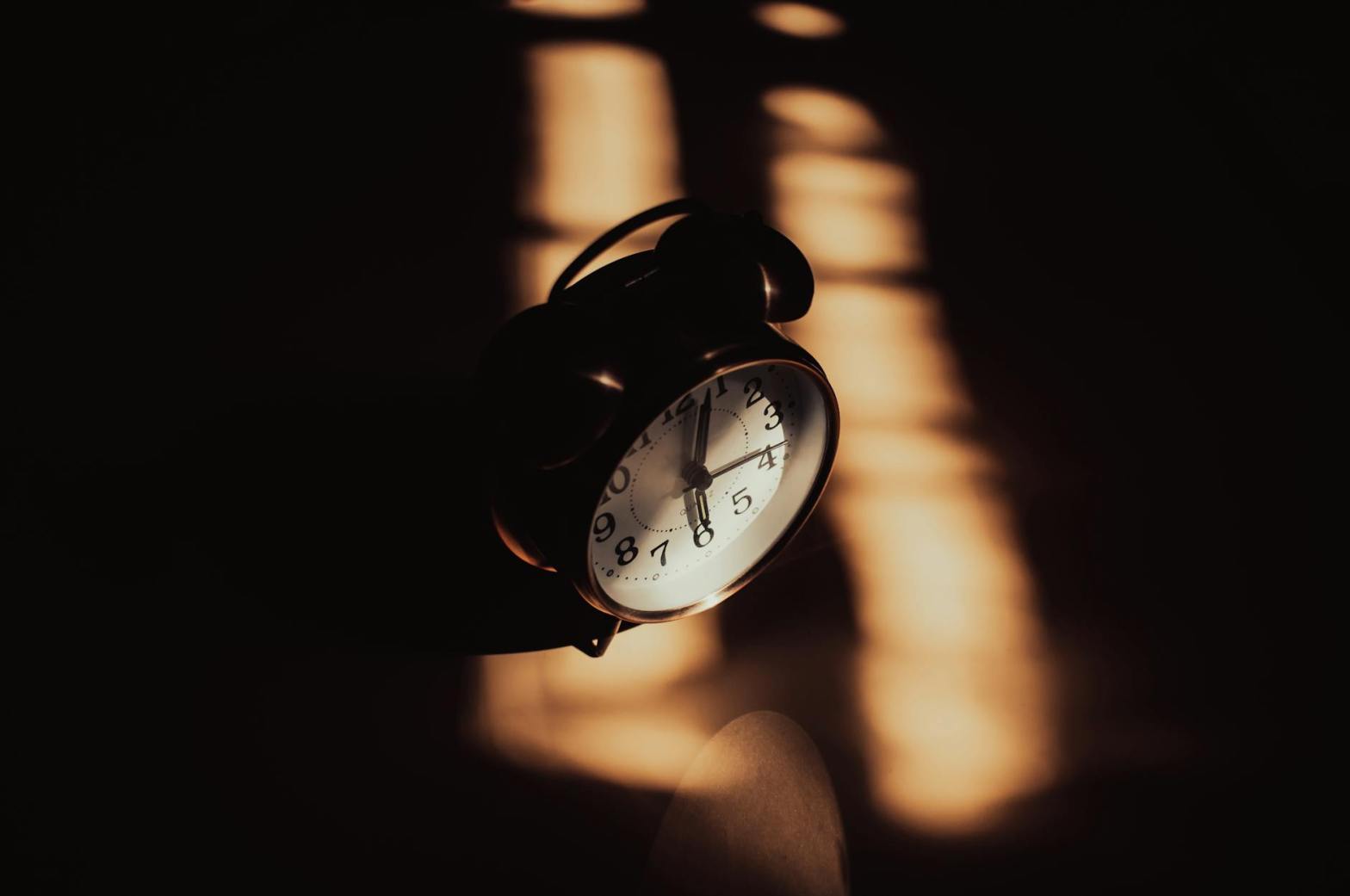
How Food Shapes Your Body Clock

We often overlook the delicate link between what we eat and how our bodies function on a daily cycle. But did you know that your meals do more than fuel your body—they also help set your internal clock?

Recent research reveals that insulin, the hormone released after eating, plays a crucial role in synchronizing circadian rhythms—the biological processes that follow a roughly 24-hour cycle. This discovery opens new doors to understanding metabolism, sleep, and even chronic diseases like diabetes.

🧠 What Are Circadian Rhythms?

Circadian rhythms (from Latin circa = around, dies = day) are internal biological clocks that regulate various physiological functions, including:

  • Sleep-wake cycles
  • Hormone secretion
  • Body temperature
  • Heart rate
  • Digestion

At the core of this system is the central clock located in the brain. It’s primarily reset by light. But surrounding this master clock are peripheral clocks in organs like the liver, pancreas, and adipose (fat) tissue, which respond to other cues—especially food.

🍽️ Feeding Time: A Powerful Zeitgeber

In chronobiology, a zeitgeber is an external cue that synchronizes biological rhythms. While light is the dominant zeitgeber for the central clock, food intake is a key zeitgeber for peripheral clocks.

When you eat, your blood glucose rises, prompting the pancreas to release insulin. This hormone doesn’t just regulate sugar—it also sends signals to peripheral tissues, helping them align their internal clocks with feeding times.

🧬 Tissue-Specific Effects

Interestingly, insulin’s impact isn’t uniform across all tissues. It strongly affects clocks in metabolically active tissues like:

  • Liver: Regulates glucose storage and metabolism
  • Adipose tissue: Manages fat storage and energy balance

But it has little to no effect on clocks in the lungs or blood vessels, suggesting that only tissues directly involved in digestion and metabolism need rapid synchronization with feeding times. [diabetesjournals.org]

🩺 Why It Matters: Health Implications

Disruptions in circadian rhythms—due to irregular eating, shift work, or jet lag—can lead to:

Understanding how insulin resets peripheral clocks could help develop chronotherapy strategies—timing meals and medications to optimize metabolic health. [nature.com]

✅ Practical Takeaways

Here’s how you can support your biological clocks through nutrition:

  1. Eat at consistent times: Regular meal schedules help synchronize peripheral clocks.
  2. Avoid late-night eating: It can misalign your liver and fat tissue clocks.
  3. Balance your meals: Foods that promote insulin secretion (like carbs) can help reset clocks, but timing is key.
  4. Consider chrono-nutrition: Align your eating patterns with your natural circadian rhythm.

Are you ready to optimize your health by synchronizing your meals with your body clock?

Thank you for reading! You can read more from me on my blog crisbiecoach and, please, subscribe!


Why By Walking You Will Lose More Weight Than By Running

Regular physical activity is essential for a person’s well-being. It helps with relaxation, it fights stress, chases away fatigue and it is even effective with light depression. Many people opt for cardio training to burn fat and lose weight. However, these exercises do not aim to gain muscle mass but only to increase endurance. Walking is the real cure-all activity.

You may know that cardiovascular exercises can influence the functioning of the thyroid. This gland produces a hormone called T4 which, in combination with iodine, turns into the hormone T3. The latter stimulates the body’s metabolism.

Unfortunately, during the production of cortisol while you are running, the thyroid gland does not produce the hormone T4. Therefore, it disrupts the process of metabolism, weakens the body and reduces the ability to burn fat. Because of this, excessive cardiovascular exercise can reduce your muscle mass and metabolism and, as a consequence, lead to weight gain instead of weight loss.

When running, the body burns calories and muscle mass. Therefore, you don’t not get rid of fat but you produce cortisol, which gives a feeling of hunger because the body feels the need to recover the calories burned. Overweight people should avoid running as it could damage their knees and joints.

Walking doesn’t have the same effect as running when it comes to burning calories. Actually, you burn much less calories. However, this activity is much more beneficial because it produces cortisol in small amounts. Therefore, the feeling of hunger won’t take over as much as if you were running.

The physical activity of walking is well known for its benefits because you can get a lot of muscles to work (thighs, calves, buttocks, back, abdominal belt) and by that you may refine your silhouette. It draws on fat and muscle reserves gently. To have satisfactory results, you should walk at least 30 minutes a day. It is preferable to walk in places without traffic and not too polluted, such as beaches, parks or the forests.

This exercise is also recommended for people who suffer from heart disease because it tones the heart muscle. It is also recommended for diabetics and people suffering from osteoporosis. Moreover, by walking 30 minutes, you will burn about 125 calories. I know, it’s not a lot but day after day you will see good results.

As of today, will you start walking more?

Why Sleeping Less than 6 Hours Is Not Good for Your Health

A few days ago, I came across an article on the Internet that recommended sleeping three consecutive hours and then taking three 20-minute naps throughout the day. This sleeping pattern was indicated as a model for obtaining success inspired by great world managers or businessmen, in particular they referred to Elon Musk. 

As a person who has trouble with sleeping, I can tell you that science warns that too little sleep affects cognitive performance, behaviour and metabolism. With this strategy, you may be successful at the price of your health.

Sleeping is also productive. To get enough energy and focus to devote to work or another productive activity such as studying, you need to sleep at least 7 and half hours.  

person in beige long sleeve shirt using macbook pro
Photo by cottonbro on Pexels.com

One of the functions of sleep is to process and consolidate learning, focus and memory. Sleeping implies continuing to work, because the brain clears up the bombing of information accumulated during the day that is generally very intense due to the different sources available today. Our biology is prepared for short periods of sleeplessness in stressful or urgent situations.  

Several studies have revealed that the habit of dedicating a few hours to sleep reduces cognitive performance, causes focusing deficit and loss of the ability to make decisions, as well as increases states of stress, anxiety and depression. Humans are ‘circadian animals’, programmed for 24-hour sleep-wake cycles. Sleeping for a few hours is a physiological assault on our body and, in particular, on the brain. If sleeping little is your choice, know that this alters the neuron-hormonal pattern which can cause:

1. emotional problems;

2. difficulty in acquiring new learning;

3. problems in storing new information;

4. increased nervousness and anxiety.  

Thinking that sleeping is a waste of time is wrong because it has health consequences. Sleepiness and loss of focus are evident the next day, while other problems could arise in the long term, such as an increased risk of cancer, cardiovascular disease, hypertension, neurodegenerative disorders and metabolic disorders. Actually, sleeping for short time also increases appetite, with obvious consequences on your weight. Lack of sleep, in fact, leads to have frequent snack and drink sugary or caffeinated beverages.  

Another important question is whether these negative health effects also occur when you wake up very early. Studies show that getting up too early does not necessarily cause alterations, as long as your sleep has been restorative enough. Remember that it is very important to complete five or six sleeping cycles every night (a sleep cycle lasts an average of 90 minutes).

What about you? Do you sleep enough to be productive?

back to school flatlay
Photo by olia danilevich on Pexels.com