
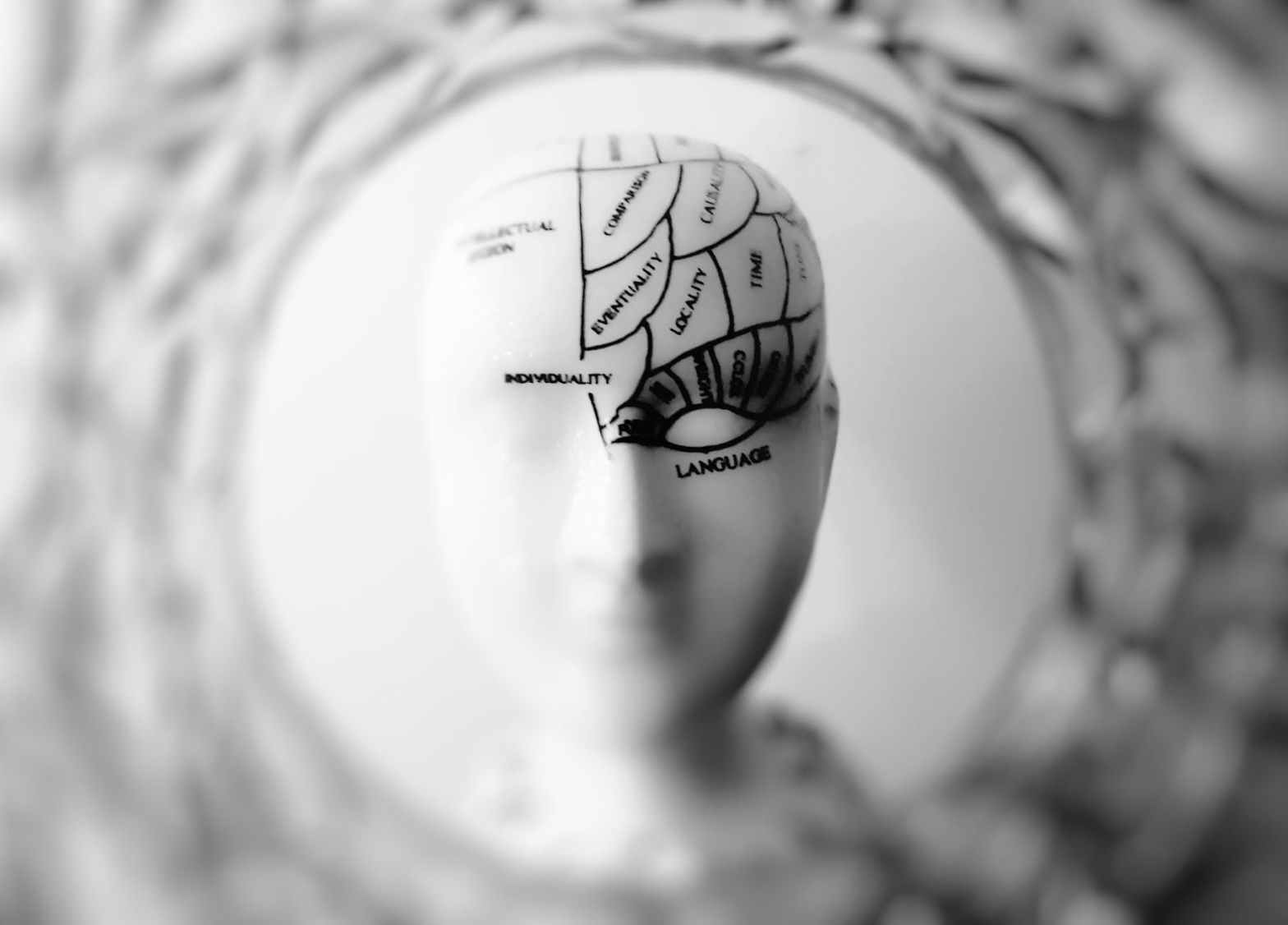
Do You Often Forget Things?

Do you often forget things, from the most trivial trifle to the most important thing you have in mind?

Don’t worry, as one study has found out that:

“The point of memory is not being able to remember who won the Stanley Cup in 1972 but to make you an intelligent person who can make decisions”

While shopping, you may forget one of the most important items you were supposed to buy, or in the middle of a conversation with friends, it’s impossible for you to remember the title or the name of the author of a book you were recommending.

In short, it feels like starting Alzheimer’s because you notice that you have difficulties remembering (almost) everything.

But don’t worry, because a study by two researchers at the University of Toronto (Canada) reveals how important it is to forget.

Paul Frankland and Blake Richards, researchers at the University of Toronto conducted a study that found out that people who are more likely to forget are also the smartest!

“It is of utmost importance that the brain is able to select the information it acquires and eliminates irrelevant details, thus focusing on a more general view to ensure that decisions are made in the most correct way.”

These are the words of Blake Richards denying the belief that those who can remember more things are also the smartest, and confirming almost the opposite. The elimination of unimportant information allows us to increase our analytical abilities, focusing our attention on the fundamental things and avoiding unnecessary work of our brain.

The researchers developed this study after several years of research on memory loss and brain activity, including both humans and animals.

The conclusion is that:

“If you forget occasional details,” Richards says, “it may mean your memory is healthy and doing exactly what it should be doing”.

Are you someone who often forgets things?

You can find more on brain here.

3 Tips to Keep Active Your Brain

Like the whole human body, the brain also regresses with ageing.

At birth, each human being has 100 billion neurons. At 25, your brain is at its best. Then, it gradually begins to regress and, as we age, some neurons become defective, in particular those located at the level of memory, attention and awareness of what surrounds us.

This ageing process should not be regarded as a fatality. Thanks to some activities, we can preserve the functioning of the brain longer. This will allow us to have a better life from a physical and mental point of view.

elderly man and his trainer exercising
Photo by Kampus Production on Pexels.com

Let’s see how.

1.       Feed your brain well. A balanced diet is essential for good mental health. However, the brain needs specific substances to increase the connection of neurons and stimulate their regeneration. Therefore, eat food rich in antioxidants such as fruits and vegetables in general (in particular, artichokes, blueberries and ginger are really useful), fish and olive oil. Fatty fish (salmon, mackerel, herring, sardines) contains omega 3 which helps strengthen brain cells, optimizes learning and memory and contributes to the prevention of mental disorders such as depression and dementia. Remember that avocado and walnuts also contain omega 3 and that for a good brain oxygenation you need to eat glucose (bread and pasta) and food rich in iron (meat and fish).

2.       Stimulates attention. Like the muscles that must be kept in motion, the brain also must be trained to keep its performance. It is therefore important to keep it active with activities such as crosswords, sudoku, reading, puzzles or even some video games that offer programs to train the brain. The more diversified the exercises, the better. Continuing to broaden one’s knowledge such as learning a new foreign language, playing an instrument, visiting exhibitions, travelling, and having a lively social life, are all activities that contribute to the training of neurons and prevent brain ageing. Also meditation is an excellent activity not only for improving the ability to concentrate but also because it reduces stress, anxiety and negative emotions. Meditating from 10 to 15 minutes a day will allow you to develop new connections between neurons and thus slow down the ageing of the brain.  

3.       Practice physical activity regularly. Physical activity keeps neurons active because it promotes blood circulation which therefore also reaches the brain. There is no need to become a top-level athlete to slow down the ageing of the brain. A moderate intensity sport is already effective as long as it is regular. The recommended frequency is 30 minutes a day. To keep up the pace it is advisable to find an activity that you like and that is engaging. Group physical activity (such as dance for example) is useful for the perception of bodies into space and for the relationship with others that releases endorphins, the hormones of well-being and pleasure.  

What do you think about these three tips? Would they help you to slow down the ageing of the brain? Do you plan to adopt them?

pens colorful color paint
Photo by Pixabay on Pexels.com