How to Age Better: The Anti-Inflammatory Diet That Protects Your Brain

As we age, our bodies undergo many changes—some visible, others silent. One of the most insidious is chronic inflammation, a biological process that damages cells and accelerates aging. But what if the key to aging better, especially mentally, lies in your grocery basket?

A groundbreaking study led by Dr. Nikolaos Scarmeas from the University of Athens reveals that a diet rich in anti-inflammatory foods—especially fruits—can significantly reduce the risk of cognitive decline and dementia.


The Study: Diet and Dementia Risk

The research followed 1,059 participants aged around 73, all free of dementia at the start. Over three years, their diets were analyzed and cognitive tests administered regularly. Each participant received a dietary inflammatory score, ranging from –10 (least inflammatory) to +10 (most inflammatory), based on their intake of various food groups.

Key Findings:

  • 6% of participants developed dementia during the study.
  • Those with the highest inflammatory scores were three times more likely to develop dementia.
  • Every 1-point increase in the inflammatory score was linked to a 21% higher risk of dementia.

Why Inflammation Matters

As we age, our immune system becomes less efficient and more prone to producing oxidative substances that damage cells, including neurons. This leads to neuroinflammation, a key driver of cognitive decline and neurodegenerative diseases like Alzheimer’s.

Anti-inflammatory foods help by:

  • Reducing oxidative stress
  • Modulating immune responses
  • Protecting neurons and brain tissue

What Is an Anti-Inflammatory Diet?

Dr. Scarmeas and other experts define anti-inflammatory diets as those rich in:

These foods are packed with flavonoids, polyphenols, and antioxidants that combat inflammation and support brain health.


The Mediterranean Connection

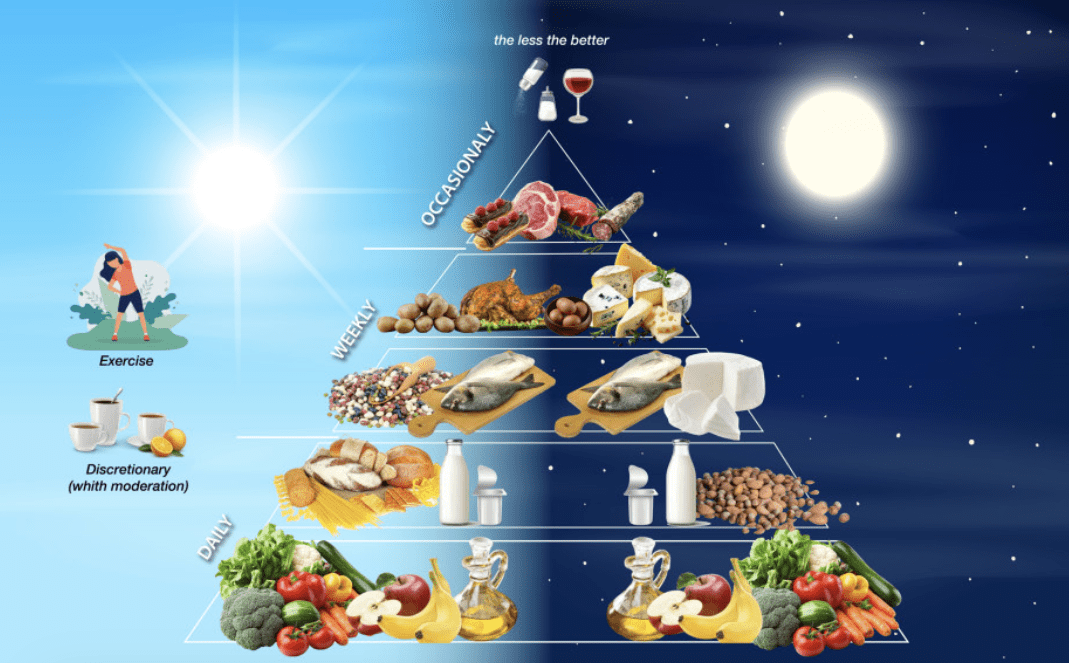
The findings align with decades of research on the Mediterranean diet, which emphasizes plant-based foods, fish, olive oil, and moderate wine consumption. Studies show it can:

  • Slow brain aging
  • Reduce Alzheimer’s risk by up to 54%
  • Improve memory and cognitive function

The MIND diet, a hybrid of Mediterranean and DASH diets, also shows promise in reducing dementia risk.


How to Eat for Brain Health

Here’s how to incorporate anti-inflammatory foods into your daily routine:

✅ Eat More:

  • Berries: Blueberries, raspberries, strawberries
  • Leafy greens: Spinach, kale, arugula
  • Legumes: Lentils, chickpeas, black beans
  • Green and black tea: kick off your morning with a good cup of tea
  • Olive oil: Use as your primary fat

❌ Eat Less:

  • Red and processed meats
  • Refined sugars and flours
  • Fried and ultra-processed foods

Conclusion: A Simple Strategy for Healthy Aging

This study is a powerful reminder that what we eat directly affects how we age, especially mentally. By choosing anti-inflammatory foods—starting with fruits—you can protect your brain, reduce your risk of dementia, and enjoy a healthier, more vibrant life.

Are you ready for a snack made of a handful of berries or a cup of green tea?


Thank you for reading! Please sign up for my blog crisbiecoach so you don’t miss out on any posts and also for Wise&Shine an incredible online magazine!


Further Reading & References:

  1. Are You Eating Your Way to Dementia?
  2. Anti-Inflammatory Diet May Lower Risk of Dementia
  3. Earth.com – Anti-Inflammatory Foods Lower Dementia Risk
  4. Healthline – MIND Diet Guide
  5. Cleveland Clinic – Anti-Inflammatory Diet Benefits

Rediscovering the Mediterranean Diet: A Call to Action for Italians

Once upon a time, the Mediterranean diet was hailed as a symbol of health and vitality. Its roots, entrenched in the sun-soaked lands of Italy and its neighboring Mediterranean countries, promised longevity, well-being, and a life free from the burden of chronic diseases. As Italians, we proudly wore this culinary badge, our tables graced with vibrant vegetables, golden olive oil, fresh fish, and just-harvested fruits. Yet, today, we face a shocking reality: child obesity rates in Italy are rising, overshadowing the benefits of our rich dietary heritage.

In recent years, convenience has become king, replacing tradition with quick meals and processed foods. Many Italian families, once advocates of home-cooked meals, now opt for pre-packaged, heavily marketed options that promise ease and speed. Fast food chains have made inroads into even the most quaint of our towns, tempting our young ones with meals that pack more calories and far less nutrition than a home-cooked pot of minestrone.

This shift in eating habits has consequences far beyond the plate. Childhood obesity not only affects physical health — leading to increased risks of diabetes, high blood pressure, and other ailments — but also impinges on mental and emotional well-being. A child struggling with weight issues may face societal stigma, reduced self-esteem, and a difficult path toward adopting healthy lifestyle habits later in life.

Yet, the solution is clear and simple. We need to return to the traditional Mediterranean diet, reviving the principles that have sustained our ancestors for generations. This isn’t just nostalgia or romanticism; scientific evidence supports the myriad benefits of this way of eating. Rich in plant-based foods, moderate in fish and poultry, and low in saturated fats, the Mediterranean diet offers a balanced, sustainable, and enjoyable path to health.

Let’s take actionable steps to reintegrate these practices:

  1. Prioritize Freshness: Make local farmers’ markets a weekend ritual. Choose seasonal produce, tasting and flavors of each season.
  2. Cook at Home: Savour the joy of home cooking. Reserve time for meal preparation, involving family members in cooking, a time-honored tradition that can be both educational and bonding.
  3. Educate the Young Ones: Schools and community centers can play a pivotal role by reintroducing children to traditional foods, teaching them about the benefits of a balanced diet in fun and engaging ways.
  4. Advocate for Policy Change: Encourage local governments and organizations to advocate for policies that promote the Mediterranean diet. This could include school programs, and campaigns to raise awareness.
  5. Mindful Eating: Practice mindful eating. Treasure each bite, savor flavors, and respect the foods that nourish our bodies.

In conclusion, the call to revive the Mediterranean diet in Italy is more than just an appeal for healthier eating; it’s a cultural awakening. By returning to our roots, we can address the growing concern of childhood obesity, ensuring our children and future generations enjoy the rich heritage and health benefits of the lifestyle we’ve rightly celebrated.

Thank you for reading! Please sign up for my blog crisbiecoach so you don’t miss out on any posts!