The Significance of Combatting Stress: Understanding Why and How

In our daily lives, the term “stress” likely finds its way into our vocabulary frequently. It’s a familiar sensation stemming from the multitude of commitments, looming deadlines, and the constant struggle to find time for ourselves.

Stress, in its various forms, manifests as a sense of unease, fatigue, and irritability, rendering us more susceptible to illness and less patient with both others and daily challenges. Yet, stress serves a vital purpose as an adaptive response ingrained within our evolutionary heritage.

Hans Selye, a pioneer in stress theory, viewed stress as the body’s adaptive mechanism to confront perceived threats. This response triggers the release of hormones like cortisol and adrenaline, fortifying muscles and heightening reactivity. Thus, stress, in essence, possesses not only positive attributes but also serves as a necessary survival mechanism for our species.

While our ancestors faced acute physical dangers, modern stressors predominantly stem from psychosocial sources such as work pressures, social dynamics, financial concerns, and overwhelming commitments. Unlike the fleeting threats encountered by primitive humans, contemporary stressors endure, necessitating prolonged recovery periods.

Recognizing the signs indicating that stress may be jeopardizing one’s health is crucial:

  • Sensitivity to stimuli like sound and light
  • Muscular tension and pain
  • Headaches
  • Sleep disturbances
  • Irregular heartbeats
  • High blood pressure
  • Digestive issues
  • Anxiety and depression
  • Irritability
  • Persistent fatigue

When circumstances prevent avoidance of stress, adopting proactive strategies becomes imperative. Engaging in regular physical activity, particularly aerobic exercises like brisk walking, swimming, or cycling, stands out as an effective stress reliever.

Practicing breathing techniques, such as diaphragmatic breathing and slowing the respiratory rate, offers another valuable tool in stress management. Additionally, activities like yoga, tai chi, and meditation, alongside the rising trend of mindfulness, enhance personal awareness and counteract stress.

Moreover, indulging in a soothing massage can elevate oxytocin levels, countering cortisol’s effects. Magnesium, a vital mineral often deficient in modern diets, serves as a potent anti-stress supplement when consumed as part of a balanced diet.

In combating stress, it’s essential to tailor strategies to individual needs and preferences.

What methods do you employ to combat stress in your life? Sharing experiences and insights can contribute to collective well-being and resilience against life’s pressures.

Why Walking Meditation Helps Regenerate the Brain

Walking meditation is an act of personal liberation because it offers you the simple pleasure of freeing yourself from daily obligations. You can see the benefits already after the first week you started to walk, and it is becoming a habit of your life. 

According to some research, people living in large cities, which usually are big urban areas highly polluted, suffer from extreme stress also because they tend to spend very little time in nature.

If you add to your routine walking meditation practice, you will get a really powerful anti-stress remedy. Practicing it brings enormous physical and psychological benefits. Ten minutes a day are enough, and you can practice walking meditation at any time of day.

A meditative walk in nature will allow you to free yourself from everyday stress.

Walking by itself is good for your health. It allows to reduction the risk of cardiovascular diseases and back pain, for example. Why not combine this practice with meditation?

Here are 6 tips on how to do it.
  1. Keep your back straight.
  2. Synchronize the breath on your steps, by keeping a quiet walking pace.
  3. Become aware of your body. Focus on your feet, on your legs, on the movement, on the contact with the soil. Try to eliminate tensions and concentrate only on the steps.
  4. Focus on the feelings this practice gives you. Are they pleasant? Is your body relaxing? And your mind, is it calming down?
  5. Then move your attention to your emotions. What do you feel? Do not judge the emotions you feel, let them go, observe them as if they were in front of you.
  6. Finish your practice by standing, contemplating the feeling of fullness, and thanking your body and mind for the beautiful meditative walk.

Do not try to stop thinking, because thinking is the activity of the brain and it is impossible to stop! On the other hand, try to take advantage of the moment of relaxation you are experiencing, to become aware of your body and your emotions without this affecting your mood and without judging.

By regularly practicing the meditative walk, you will feel more and more balanced and at peace with yourself.

Here are some results:

1. When you walk, your brain stops worrying. Walking is an activity within everyone’s reach and allows you to receive an extra dose of oxygen and clean air from nature. This is when we begin to stimulate our frontal lobe, the one that is related to creativity and mood. If we add to this the natural release of endorphins, magic happens. The brain feels more euphoric and optimistic.

2. Thanks to a better mood, you will be more creative. When you are not under pressure, you drop negativism and the hormone cortisol produced by stress disappears. You will feel more relaxed, more enthusiastic, and more confident.

3. You are used to moving in small spaces. Your home, your work, public transport, supermarkets, and other places you regularly go, are limited spaces in which tensions may ignite. Therefore, just starting to meditate and walk in a natural, open space is a wonderful act of liberation and relaxation.

4. According to research, you must seek, above all, contact with nature. The idea is to fill your lungs with pure oxygen, and your eyes discover new horizons, and stimulating landscapes thanks to which the brain is enriched.

Be aware that walking is much more effective than a painkiller or any vitamin! And a meditative walk is an experience you cannot miss!

Would you give it a try?

Get Your Energy Back by Following These 5 Tips

Summer brings back light and it is the perfect time to recharge your batteries and repair your body, your spirit and your soul. Find your energy to get a good start again.

Summer is a good season for renewal. Every sunny day is a new departure. Each morning represents a new chance to reach your goals and follow your dreams.  

To get the best out of this summer spirit, here are 5 tips to regain your well-being.

1. Take care of yourself and adopt a healthy sleep pattern. Sleep is essential for physical and mental well-being, specialists recommend sleeping between 7 and 9 hours per night. Feeling rested after a good night’s sleep allows you to better manage your energy during the day.

Tips: Plan your day the night before. In the evening, do restful activities. Create an environment favorable to rest by eliminating strong light and screens (TV, computer but also mobile phone) in your room. Practice yoga or meditation exercises.

2. Energy is on the plate. Breakfast is the most important meal of the day. With it, you establish the blood sugar level, avoid the cravings during the morning and give your body the energy it needs to function. Beware of some foods that could be counterproductive. Too sweet food gives you an immediate energy boost but, when over, it will leave you more tired than before.

Tips: Avoid sugars and caffeine in excess and favor food that makes you feel full, such as bananas or apples. Drink large quantities of green tea (which also helps weight loss and prevents cell aging). Buy fresh fruit and vegetables and try to eat less refined food (whole grains would be great). Make the menu of your week and fill up the fridge to avoid coming home hungry and having nothing to eat. By doing so, you will eat what you have and will not order food to be delivered at home. Establish a regular daily meal pattern. If you cannot cook, have you ever thought about learning it?

3. Meditation is useful for your well-being. We live at high speed. Sometimes this rhythm of life prevents us from fully living the things we do and focusing on them. Many activities can help us take better advantage of the present moment and meditation is at the top of the list. Before going to work, focusing on the rhythm of breathing (inhale and exhale) can help you face the day more calmly. Meditation has beneficial effects on the brain and general well-being.

Tips: Meditate every day at the same time: wake up your senses by disconnecting yourself for a few minutes. You do not have time? Try meditating in the shower or while you are on the bus or on the metro! It is enough to breathe with awareness. Relax while remaining alert. Follow your cat’s example, if you have one. But don’t meditate while driving!

4. Move to reduce your fatigue. Even if this statement may seem contradictory, sport is the best way to lighten your spirit up, remove your anxiety and regain your energy. Physical activity can stimulate the mitochondria, which are the generators of the body’s energy. So what are you waiting for? Put your sneakers on!

Tips: Walk at least 10,000 steps a day (I know, they are a lot). Try the sun salutation, a sequence of yoga positions that helps you release endorphins in the blood and then helps you be in a good mood and energized. Practice yoga, Pilates, take a bike ride or a walk with your colleagues. Walk with awareness, focusing on each one of your steps and trying to feel the contact with the ground from the top of your heels to the tip of your toes.

5. More emotional balance for more energy. We often overlook the importance of emotional balance in everyday life. The harmony of the emotions can help us feel better and improve our relationships with others. Pay attention to your emotions and learn to manage them. Do not prevent yourself from expressing them, in the appropriate ways and occasions, of course, otherwise you risk that they would become too intense and then you will no longer take control over them. Take full advantage of positive emotions and try to accept your feelings in moments of sadness or distress. Emotions have their reason for being: they are the ones who determine our actions.

Tips: Try looking at things from a broader perspective: everything in life is useful, even if it does not seem like that. Try not reacting immediately, breathe deeply and remind yourself that it will go away. If you really have to take a position, count up to ten before speaking. Set goals regularly to get the best out of yourself by living again your feelings or thoughts.

What do you think about those simple tips?

Please subscribe to my blog so you won’t miss any tips on wellbeing!

Why Accepting That You Cannot Always Be Happy Makes Your Life Easier

After having read a lot about happiness, I found out that you also would need to accept that you cannot always be happy because it will make your life easier.

What is the real meaning of being happy? Is it really necessary to be happy all the time to be successful in life?

Some researchers state that happiness means designing your own quality of life and also finding ways to strive for continuous improvement. They say that we all have a social purpose to live for, that is our mission. If you keep a journal, for instance, you would be able to evaluate the activities that make you happy and compare them with those that make you unhappy. In this way you may have a choice. You can also compare yourself with others’ activities to find out what makes them happy and get inspired. It doesn’t mean that you have to compare yourself with others: you are unique, and  in some cases you don’t even know those people very well.

Moreover, there is not a single recipe to be happy. Not everyone will be happy by practicing meditation or sports, for instance. There are, however, common factors that will influence your happiness:  valuable relationships, a meaningful job,  work-life balance, a great partner and good health. In any case, you may find someone who is not happy in spite of the fact that they have a good job and they get along well with their partner.

Yet, there are also researchers saying that it is not important to target happiness as such, but you would need to to learn how to be unhappy, by accepting the moments of unhappiness without judgement and as part of your life.

Being always positive is not good

Some scientists see with a critical eye today’s trend on being always positive. Avoiding facing distress, sorrow, misery is not a solution. You can’t ignore being unhappy, you have to accept it for what it is. You can also share your negative feelings or emotions with others, it will help you create and strengthen your relationships. When you are worried and you know that someone will listen to you, you may feel a bit better after having shared your distress and discomfort.

Actually, those who pretend to always be happy may end up being alone, isolated and of course unhappy.

Accept what life gives you in the present moment

This sounds like a paradox but if you try to accept your unhappiness as a moment in your life that sooner or later will fade away, you will be more content.

The most important thing is to be happy with the life you live, acknowledging and accepting the ups and downs that are part of your life. As the French say, c’est la vie.

A Glass Full of Water

You all know about the half empty or half full glass of water. By saying how you see it, you will understand if you are an optimist or not.

And if you would like another perspective on a half empty or half full glass, you can read Wynne’s post The Glass Is Refillable.

But what you are going to read here is something different that I saw recently in a simple, short but very effective video.

A professor during a lecture surprised his students by showing a full glass of water in his hand.  The students, who thought he would talk about the classic concept of a glass half empty or half full were amazed when he asked them about the weight of the glass. His intention was quite different, in fact he did not want to explain the concept of glass half empty or half full.

The answers were different and most of them could be considered acceptable. However, the explanation given by the professor was different and much deeper.

The weight of the glass depends on the time you will have to hold it. If you hold it in your hand for 5 minutes, it is very unlikely that you will have troubles. However, if you hold it in your hand for 2 hours, the arm will get tired. And if you hold it even longer, let’s say one day, the arm will be as if paralyzed and eventually the glass will fall.

The same happens with stress.  If you are under stress for a relatively short period of time you will have no side effects. But if you experience stress for weeks and months, you may eventually get sick.

The disease in this case would be of psychosomatic origins.

What is a psychosomatic disorder?

The word psychosomatic comes from the Greek psyche “soul” and soma “body”. A psychosomatic illness occurs when the mind creates an alteration of the body.

For example, imagine that you have a colleague, or a person you know, who often criticizes you.

Their criticisms are not sporadic, on the contrary they are recurrent enough to become a habit. This behaviour also creates a negative environment around you.

If you can’t get rid of this stress in time, you’ll accumulate so much negativity that it could cause side effects on your health. It would be like holding a glass full of water for a whole day.

This reality is unfortunately so common that it is even believed that some physical illnesses can worsen due to mental factors such as stress and anxiety. It is believed, for example, that conditions such as psoriasis, eczema, gastric ulcers, hypertension and many heart diseases can occur due to psychosomatic problems such as stress or anxiety.

Would you like to learn some techniques to reduce stress: have a look at the conclusion on this article published on wiseandshinezine.com.

What about you? What are the solutions you adopt to fight your stress?

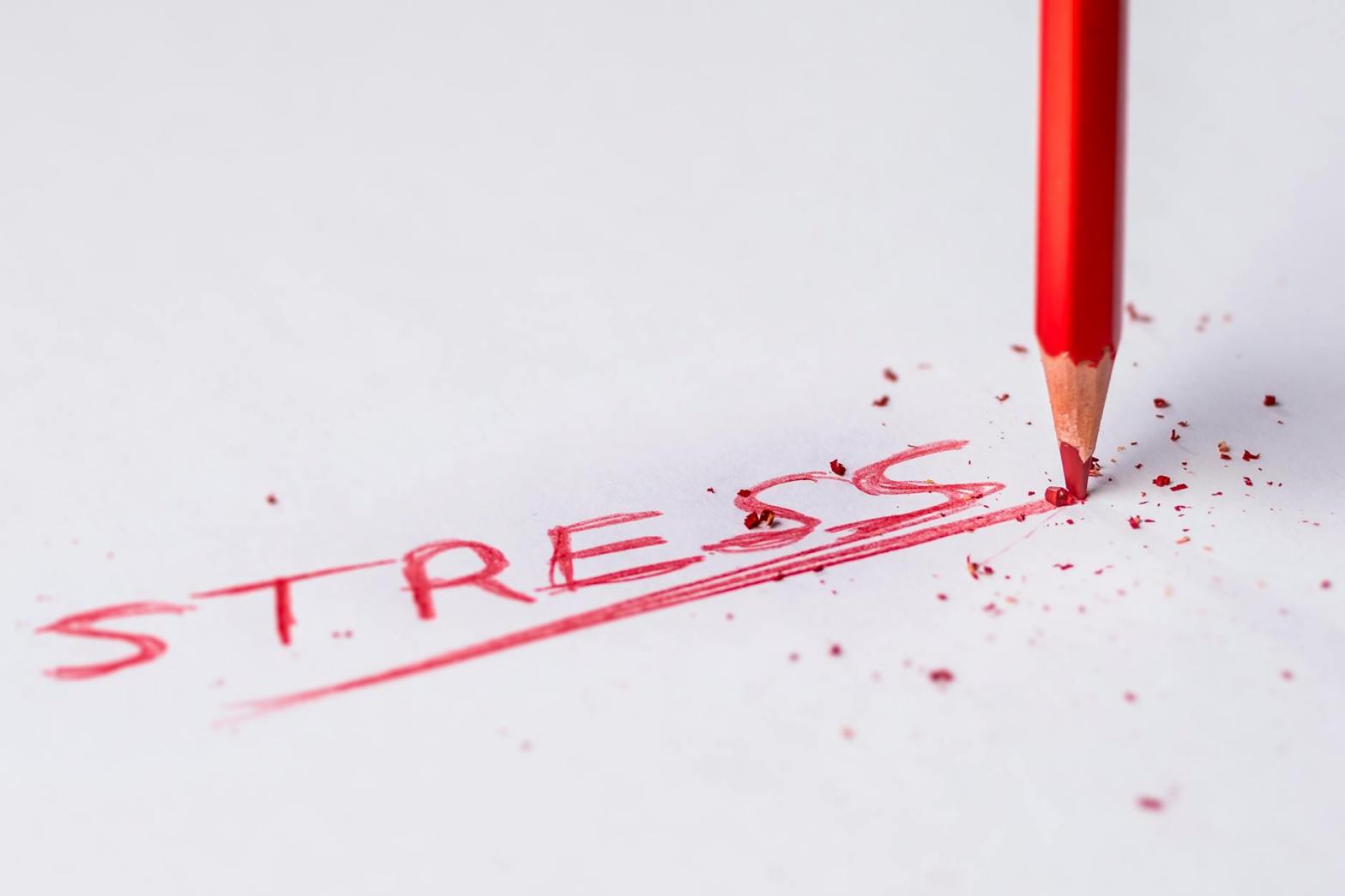
stress handwritten text on white printer paper
Stress – Photo by Pedro Figueras on Pexels.com

The Power of Intuition

Intuition has always been a fascinating subject of study. It is generally associated with genius, because the greatest scientific discoveries happened thanks to moments of intuition.

Einstein wrote:

Intuition is a sacred gift of which reason is a faithful servant. We have created a society that honours the servant and forgets the gift.

In addition, we all know that it is thanks to our intuition that we make some of the decisions of our lives, even if we consider ourselves rational and Cartesian beings.

From the point of view of the Eastern religions (Buddhism, Hinduism, Taoism) there is no mystery. In the traditional languages of these millennial wisdoms, the terms designating knowledge, consciousness, lucidity are often identical.

Attachment to mental constructions, beliefs, and concepts, as well as the mental agitation that accompanies it, are seen by them as a veil over primordial intelligence. Buddhists explain it like that:

if we do not stir water, it will become clear by itself. In the same way, if we leave unchanged the nature of the spirit, and we do not manipulate it, it will find peace and clarity on its own.

But let’s go back to the West and see that to make a decision we will evaluate three elements:

  1. rational analysis,
  2. emotional aspect,
  3. intuitive wisdom.

However, if we practise meditation, thoughts and emotions would calm down, and intuition would manifest. In fact, there are several testimonies from practitioners who tell that the most creative ideas came at the end of their meditation.

In a linear, predictable, and orderly environment, a rational analysis is often more effective for deciding and planning an action.

On the contrary, in a volatile, unpredictable, or chaotic environment, when the human element predominates, intuitive intelligence becomes useful.

Therefore, meditation is more and more used in our times, as we live in an ever-increasing insecurity and instability.

How intuition works

Intuition draws on three main resources.

  1. Like a tree, the first source is the ramification of its roots. It is the entirety of information, of experiences lived in the past and stored in the unconscious.
  2. The second source is comparable to the leaves of a tree. These are the strong or weak signals, picked up in the present instant.  All these signals are undefined and cannot be evaluated by rational analysis.
  3. The third source is collective intelligence. In fact, our personal intuition can go beyond temporal and spatial limitations. Intuitive intelligence can tap into a nearly unlimited source, outside the limits of time, space, and the individual. All this is normal according to Buddhist philosophy where, for example, the individual, time, and space are conceptual categories created by the mind.
two brown trees
Trees – Photo by Johannes Plenio on Pexels.com
How do you synthesize these sources of information?

Cognitive science researchers have tried to answer.

Just before an intuition, there is a “letting go” moment, a descent within us. Then, suddenly, the presence increases, there is a kind of awakening, a feeling of unity and inner agreement. There is also a feeling of evidence, of surprise, of amazement and wonder.

These are the elements that we also find in a meditative experience: letting go, increased presence, awakening, unity.

It is necessary to emphasize the essential place occupied by the body in intuitive intelligence.

How many times have you made rational or emotional decisions while your body opposed it? Did you regret this decision a few days, months or years later? It happened to me several times in my life. I should have listened to the signals that my body sent me and taken them into account when making my decision.

In this regard, body scan meditation can help to develop this sixth sense of intuition. We shall also consider that if we constantly ignore the body’s messages, we might experience illness, pain, or disorder. Which is what happened to me.

Intuition, beyond the help it provides us in making decisions, is our deep inner voice, our wisdom, our most precious guide. It is important to learn to listen to it and to look after it.

To conclude if you hesitate to follow your intuition, try asking yourself these two questions, which will help you clarify what is at stake:

  1. What do I risk following my intuition?
  2. What do I not risk following my intuition?

What do you think about intuition? Do you agree with me that it is powerful?

This article has been previously published on Wise&Shine magazine.

Is the Ego a Friend?

What is the ego? Is it really negative? How to keep it under control? Is the ego a friend?

The word ego comes from the Latin and means “I”. It is difficult to define it because it is not visible and it manifests mainly in a negative way.  It is easier to recognize the ego in others than in oneself.

Sometimes, the ego is represented with animals. The octopus, the bloodsucker, any parasite, the wolf or the tiger. Or it is also represented with objects. Mask, dress, glasses, onion, egg or even serious illnesses.

It is a mystery and a paradox at the same time. The ego is us but not really us. It is a false self, or a pseudo self. It is not the personality but a part of the personality. It is not our true consciousness, but an altered, partial and non-objective consciousness. It does not represent a real need, but it wants to make us look perfect in a certain way, it wants to control everything and always be right. It is not real, but an illusion, an empty shell, which is based on fear, separation, loneliness and opposition. The ego can be a defensive or an aggressive reaction. In reality, the ego tries to protect us from showing our vulnerabilities.

Is the ego negative?

For Westerners, the ego is a necessary evil with which we must live, it is not so serious, indeed sometimes it can be useful or even positive. In fact, Western civilization since 1623 is based on the ego thanks to Descartes.

On the contrary, for spiritual masters, most of them Orientals, the ego has nothing positive, since it is the opposite of love, it represents our dark part, our Mr. Hyde, our shadow zone.

The ego is a false friend that makes us lack authenticity, honesty, and humanity. This is why certain traits of our character might be selfishness, self-centredness, narcissism, individualism, greed, possessiveness, materialism, avarice, susceptibility, and even paranoia. The ego is responsible for almost all of our negative emotions, especially hatred. It pushes us to defend ourselves, to justify ourselves, to rationalize, to deny the evidence, and generates childish behaviours. Escape, rejection, negative or destructive communication (like haters). It can also be responsible for toxic relationships, manipulation, harassment, and violence in a broad sense.

Why would we keep the ego under control?

On an individual level, keeping the ego under control would mean being happier, having better physical and mental health, more self-confidence, connecting better with others, living in harmony, having happier relationships, more energy, and being even more efficient.

On a social level, keeping it under control would help society overcome racism, sexism, nationalism, domination, oppression, exploitation, delinquency and even war! It would allow us to live better together, to develop a sense of brotherhood, equality, cohesion, solidarity, understanding and peace.

How to keep the ego under control?

It is impossible to eliminate the ego, because it is part of our personality. What we can do is trying to control it.

At the social level there are institutions such as the family and school that are delegated to this role. Other institutions, such as the police and justice, try to correct it.

We can try to transform the ego into our ally with meditation techniques, practising yoga, or using psychotherapeutic techniques that can help us to be more attentive, conscious, and to become more collaborative. We will be able to learn to listen, to help, to forgive, to let go, to create, to laugh and make people laugh, and of course to love.

I would like to conclude with a short story, The Story of the Two Wolves.

“One evening, an old Indian grandfather tells his grandson the story of the two wolves.

In each of us coexist two wolves, constantly fighting. One is bad, angry, jealous, sad, greedy, arrogant, liar, feels superior to the other wolf.

The other wolf is kind, empathetic, generous, sincere, compassionate, cheerful, peaceful, serene, hopeful, and humble.

The grandson asks his grandfather: “Who wins between the two wolves?”

Grandpa simply answers, “The one you feed will be the winner.”

Which wolf do you give priority in your life?

white wolf on brown dried leaves
Wolves – Photo by Shelby Waltz on Pexels.com

3 Tips to Keep Active Your Brain

Like the whole human body, the brain also regresses with ageing.

At birth, each human being has 100 billion neurons. At 25, your brain is at its best. Then, it gradually begins to regress and, as we age, some neurons become defective, in particular those located at the level of memory, attention and awareness of what surrounds us.

This ageing process should not be regarded as a fatality. Thanks to some activities, we can preserve the functioning of the brain longer. This will allow us to have a better life from a physical and mental point of view.

elderly man and his trainer exercising
Photo by Kampus Production on Pexels.com

Let’s see how.

1.       Feed your brain well. A balanced diet is essential for good mental health. However, the brain needs specific substances to increase the connection of neurons and stimulate their regeneration. Therefore, eat food rich in antioxidants such as fruits and vegetables in general (in particular, artichokes, blueberries and ginger are really useful), fish and olive oil. Fatty fish (salmon, mackerel, herring, sardines) contains omega 3 which helps strengthen brain cells, optimizes learning and memory and contributes to the prevention of mental disorders such as depression and dementia. Remember that avocado and walnuts also contain omega 3 and that for a good brain oxygenation you need to eat glucose (bread and pasta) and food rich in iron (meat and fish).

2.       Stimulates attention. Like the muscles that must be kept in motion, the brain also must be trained to keep its performance. It is therefore important to keep it active with activities such as crosswords, sudoku, reading, puzzles or even some video games that offer programs to train the brain. The more diversified the exercises, the better. Continuing to broaden one’s knowledge such as learning a new foreign language, playing an instrument, visiting exhibitions, travelling, and having a lively social life, are all activities that contribute to the training of neurons and prevent brain ageing. Also meditation is an excellent activity not only for improving the ability to concentrate but also because it reduces stress, anxiety and negative emotions. Meditating from 10 to 15 minutes a day will allow you to develop new connections between neurons and thus slow down the ageing of the brain.  

3.       Practice physical activity regularly. Physical activity keeps neurons active because it promotes blood circulation which therefore also reaches the brain. There is no need to become a top-level athlete to slow down the ageing of the brain. A moderate intensity sport is already effective as long as it is regular. The recommended frequency is 30 minutes a day. To keep up the pace it is advisable to find an activity that you like and that is engaging. Group physical activity (such as dance for example) is useful for the perception of bodies into space and for the relationship with others that releases endorphins, the hormones of well-being and pleasure.  

What do you think about these three tips? Would they help you to slow down the ageing of the brain? Do you plan to adopt them?

pens colorful color paint
Photo by Pixabay on Pexels.com


How and Why Yoga Helps You Maintain Physical and Mental Balance

Over the last few years, a very old practice has become the subject of scientific studies: yoga. Positive effects on the brain have begun to be measured, such as anti-stress and anti-depressant effects.

The studies began thanks to the spectacular spread of yoga. Millions of people practice yoga regularly. Positions (asanas) such as the warrior or the cobra are increasingly known among different people and age group. The reasons are mainly that persons want to learn how to relax, how to get rid of several kinds of pain (back, neck, shoulders, etc.) manage stress, and maintain good physical shape.

Traditional yoga (from the Sanskrit “yuga” which means “union”) comes from India and is a discipline more than five thousand years old. An important source of this spiritual school, which should guide us towards the divine, is a writing by Patañjali: Yoga Sutra, which contains the essential foundations of the discipline.

According to this essay, the purpose of yoga is to attain a higher form of self-knowledge, which can be achieved with inner contemplation. In addition to specific physical exercises, and breathing techniques, traditional yoga also includes meditation, a vegetarian diet and an entire philosophy of life. The modern and western form of yoga omits many of these elements. The development of strength and plasticity, meditation and breathing exercises play the most important role today.

At the beginning of the twentieth century, a small group of Indian yoga teachers began to spread the teachings of yoga in the Western world. After the explosion of fitness in the 1980s, which focused above all on the cult of the body, the spiritual part has been lost a little. Therefore, in the Western world mainly hatha yoga began to spread.

Photo by Mor Shani on Unsplash

The effects of hatha yoga on health are: improving body consciousness and coordination, strengthening muscles and enhancing blood circulation. Moreover, yoga is also beneficial to stress management.

From experience, I can say that after a yoga session I feel relaxed and rested. It takes longer to reach a similar state with meditation, while hatha yoga produces effects immediately, probably thanks to the more marked physical component. It is actually proved that physical exercise is good for your spirit. Perhaps, this is why yoga is a fast-acting cure-all, as it associates physical exercise with meditative practice.

In fact, by associating postures (asanas) with breathing (pranayama), we act on the body by relaxing the muscles, and on the spirit because the sympathetic nervous system (the nervous system that is stimulated when we rest or sleep) is activated.

Yoga allows you to find calm despite the limits imposed by everyday life. With regular practice, even 5 minutes a day is enough, you will sleep better, your self-confidence will increase, as well as your ability to make decisions and manage stress.

Considering all those positive aspects, are you planning to start practising yoga?

balance blur boulder close up
Photo by Pixabay on Pexels.com

5 Secrets To Sleep Better

We all know someone who complains about not sleeping or sleeping badly. In Europe, about one third of the adult population has difficulty falling asleep and between 10% and 15% suffer from chronic insomnia. I myself have suffered from insomnia for a long time. This is a problem that can have various causes (from the excessive use of digital devices that emit blue light – computers, tablets, TVs, etc. – to biological issues). One of the causes may also be the obsession with sleeping well.

What is this obsession? It is a phenomenon called orthosomnia (from the Greek ortho, “perfect”, and from the Latin somnia, “rest”) and, according to experts, although it is not yet considered a disorder, it is getting increasingly common. It consists in continually recurring thoughts, that I call “circular thoughts”, namely thoughts that enter a vicious circle precisely because they are always the same and recur all the time. The main causes of these thoughts are, guess what, stress and anxiety. Not being able to sleep, your mind does not stop thinking about the same things over and over (hence circular thoughts, i.e. thoughts that come back).

If you suffer from insomnia, even if not severe, it would be good to do a complete sleep study (polysomnography) to find an effective solution. I had this test. I was in a sleep clinic for one night, with electrodes attached all over the body including, of course, the head. I have found that, during my sleeping time, Alpha waves (the brain waves typical of the awaking period) intrude from time to time.

The obvious solution would be to try eliminating or at least reducing stress. I know, it’s not easy. Therefore, I propose that you try the following five tips.

Photo by Alex Basov on Unsplash
  1. Learn to breathe well and deeply by practising a discipline such as Yoga, Pilates or meditation.
  2. Create a relaxing environment. A quiet home is the key to a restful night. If you have trouble falling asleep, keep your bedroom clean and clear of unnecessary items, tidy up the things you have left lying around and you will see that you will have a more peaceful night.
  3. Use essential oils that are particularly suitable for inducing sleep, such as lavender or chamomile.
  4. Create a playlist to help you relax and fall asleep.
  5. Try using Bach Flowers and melatonin. White Chestnut against circular thoughts and Rescue Sleep to help you fall asleep. I used them for several months, then gradually I stopped and now I suffer much less from thoughts that come back and I also sleep much better. At the moment I use only melatonin and I think it is a good solution for my insomnia.

And you, do you suffer from insomnia? Do you have circular thoughts that haunt you? Would you try these tips?

Photo by Cristiana Branchini