Six Tips to Make Physical Activity (and Continue Doing it)

We hear from all sides that we need to do more sports, that we have to move at least half an hour or take at least 10,000 steps a day. We would need that especially if we sit all day long at a desk, because “sitting is the new smoking”. But if we already have super busy days, how do we engage in a physical or sport activity?

Let’s first clarify what physical activity may be. It could simply be a matter of moving regardless if you do housework or sport.

Therefore, you can consider the activities you do every day, such as climbing stairs, walking, cycling and house cleaning.

Here are six tips on how to fit some physical exercise into your schedule:

  1. Look at your agenda and find the best time for you to play sports or go to the gym. Write it down and you won’t forget it. After some time it will be part of your daily routine. And if you have a friend who comes with you, it is even better because you will be more motivated.
  2. Create a calendar of your activities. Take a calendar and write down the days you managed to achieve your goals in terms of minutes of physical activity. At the end of the month you will be able to see your progress and you will be more motivated and satisfied! The ideal time per week is 150 minutes of moderate activity. A moderate activity is an activity that allows you to talk to someone and that makes you sweat slightly. An example of this activity could be also walking out your dog.
  3. Distribution. Three to five times a week would be ideal. 30 minutes of daily activity would be even better. You can distribute activities throughout the day like this, for example:
    • 5 minutes to go to the subway or bus stop;
    • 5 minutes walking to your office by getting off one stop before;
    • 10 minutes at lunch break to walk around the neighborhood;
    • 5 minutes walking from your office to the subway or bus stop;
    • 5 minutes to your place by getting off one stop before your place.
  4. Find the activity you really like. If you haven’t found it yet, try some and you’ll find it soon. Jogging, boxing, dancing or swimming are just a few examples of activities you could practice.
  5. Put your guilty feelings aside. The long-term goal is to make physical exercise a habit. If one evening when you come back home from work you feel tired and you want to be at home alone or with your family, do it without feeling guilty. Relaxing is just as important as moving. Moreover, if you’ve already followed your daily distribution, you’re okay, you don’t need to add more activity.
  6. Strengthen your muscles. You don’t necessarily have to lift weights. A Pilates or yoga session will help you strengthen your abs, for example.

What do you think? Could you make it?

A Little Mouse in a Jar

This is a short story of a little mouse who does not want to leave his box.

The box represents your comfort zone. From this story you will understand why you should try to leave your comfort zone.

When a little mouse is in a box full of rice, he thinks life is fun and enjoyable because he has enough food.

Then he will stay in this box and enjoy it until the rice is finished.

One day, however, when the box is empty, the mouse will see that he has been trapped and will no longer be able to get out of that box.

As long as you have the strength, motivation, and health to do so, you can always take risks to try to improve your life.

Do this instead of choosing to stay in your illusory comfort zone.

When you decide to step up and leave your comfort zone, you will discover a completely different and more interesting life.

Also remember that every long journey begins with a first step (Lao Tzu).

How the Pandemic Has Changed Our Lives

It is undeniable that the restrictions imposed by the ongoing pandemic have drastically changed our habits and our lifestyle. There is no doubt that the stress produced by uncertainty, prohibitions and lockdowns, whether partial or total, have prompted us to search for distractions that can give us some relief. As Ovid said, human beings seek what is forbidden and desire what is denied them.

There is a thread that links excessive behaviors (drinking too much, smoking too much, overeating, spending too much time on the computer or watching television) to stress.

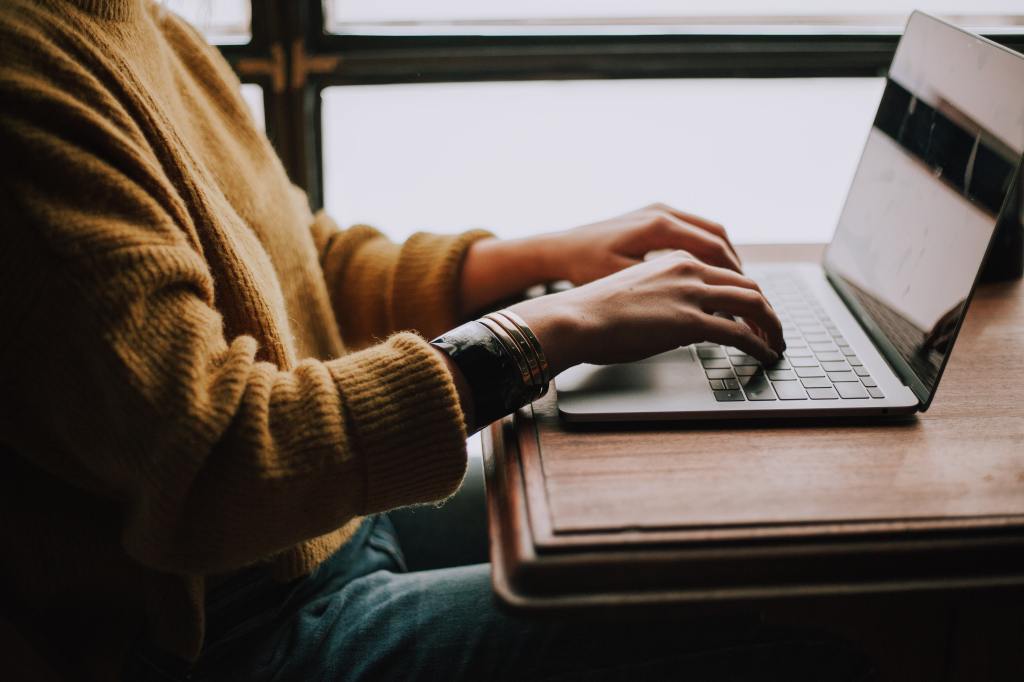
Photo by Christin Hume on Unsplash

Clearly, the pandemic puts our desires on hold and it is normal to wish for what cannot be done. Only when we go back to a more or less normal life and our desires will be satisfied, our lives will be brighter. The pursuit of pleasure is an absolutely human behaviour, there is nothing to worry about.

Our brain identifies and reinforces beneficial behaviours such as eating well, socializing, having fun. This complex reward circuit that generates pleasure is the result of the evolution that guarantees our survival, that orients us in daily life and that keeps us going on. The more we can produce dopamine (the pleasure and reward hormone), the more we can generate pleasant sensations in a natural way. As a consequence, we would not need to adopt excessive behaviours that can lead to addictions.

However, the situation we have been experiencing for about a year has affected and affects motivation and self-control. We are no longer able to generate pleasant sensations and situations naturally and we have to look for different means to improve our life condition. The sudden lack of dopamine results in a short circuit of pleasant sensations which then pushes us to seek pleasure in another way.

It is important to be careful that these behaviours do not turn into addictions. Luckily, few people drive themselves to the point of becoming addicted to new harmful habits.

To prevent addiction it is necessary to put in place strategies that favour self-control, especially anti-stress strategies. Practising physical exercise, walking in the nature, trying not to isolate yourself but to maintain contact even remotely, are just some suggestions.

Do you have any anti-stress strategies? Let me know!

Photo by Maarten van den Heuvel on Unsplash

9 Tips to Live a Better Life

Good habits and good mood have a close connection with good health and well-being.

Here are 9 tips that will help you find a bit of tranquility, improve your balance and get closer to the idea of ​​happiness that best suits you.

  1. Keep moving. Physical activity is one of the tools that most benefits our body. It can significantly reduce stress, control cholesterol levels, help you lose weight, oxygenate body tissues and eliminate toxins through sweating. In addition, it allows the development of endorphins that produce brain pleasure and decrease joint pain. If you can, don’t take the elevator but take the stairs, walk to work, or ride a bicycle. These are all activities you can do without necessarily going to the gym. Not only will your body benefit, but the environment will also be thankful.
  2. Improve nutrition. Pay attention to what you consume daily. Take time for each meal and choose healthy menus. Eat balanced and add fruit, vegetables and legumes to your diet. Try new recipes and prepare differently flavoured meals to discover new things. Avoid eating junk food, because it contains simple sugars and carbohydrates, which contribute to the slowdown of metabolism and obstruct the arteries. Also avoid fatty meals too.
  3. Drink plenty of water. The consumption of water, tea and juice allows you to eliminate free radicals. In addition, hydration is good for the skin, which will thus remain beautiful and healthy.
  4. Do something you enjoy. Take time to do an activity that you like during the day, which makes you relax, such as doing manual work, cooking, reading or learning to play a musical instrument.
  5. Disconnect yourself for a full day. Make an effort, put social media and cell phone aside for a day. It’s good to focus on yourself every now and then.
  6. Spend time outdoors. Walking in the forest, having a picnic, spending time outdoors are activities that make you reconnect with nature as well as being an opportunity to breathe some fresh air.
  7. Volunteering. Solidarity is one of the paths most used by people who seek tranquility and who want to be at peace with themselves. Good deeds will affect your life in a positive way.
  8. Stay positive. Look at things with pleasure, optimism and positive energy. Frustration brings negative consequences in life.
  9. Share moments with friends. Having a coffee with friends, talking about nothing, will help you feel much better.

What do you think? will you adopt one of these new habits?