
Ultra-processed foods (UPFs) are not just another food category, they’re a global health crisis. Recent research reveals that UPFs share alarming similarities with cigarettes: both are engineered to encourage addiction and overconsumption, and both are linked to severe, widespread health harms.
A systematic review of 104 long-term studies found that 92% showed higher risks for at least one chronic disease—including obesity, type 2 diabetes, cardiovascular disease, depression, and premature death, among those who regularly consume UPFs. The evidence is so compelling that public health experts now argue UPFs should be regulated like tobacco, not treated as ordinary.
What Makes UPFs So Harmful?
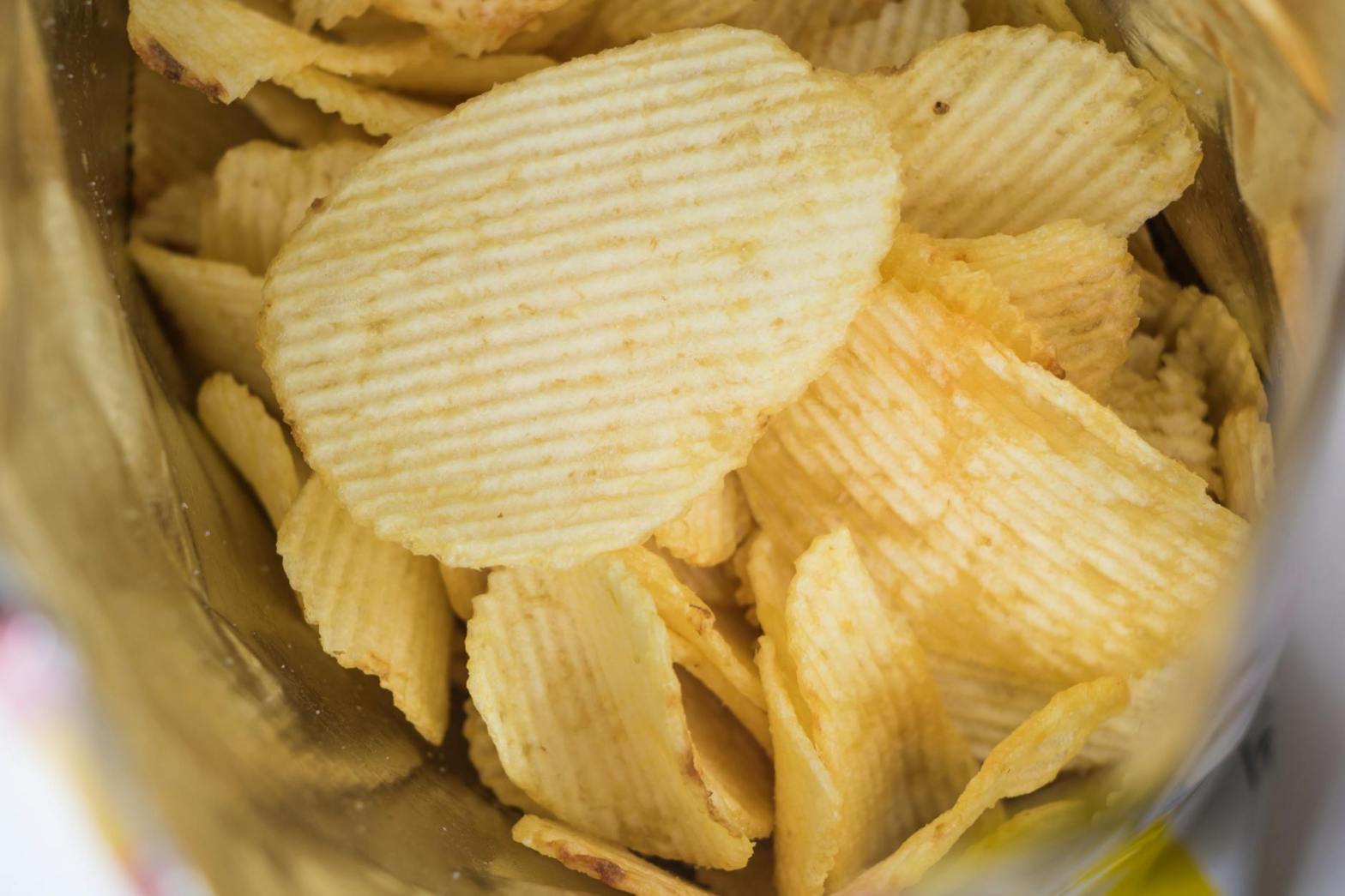
UPFs are industrially manufactured products, often packed with emulsifiers, artificial colors, flavors, and preservatives. Think soft drinks, packaged snacks, ready meals, and even many baby foods. These products are designed to be hyper-palatable, triggering reward pathways in the brain and making them hard to resist, even when we’re not hungry.
Key health risks linked to UPFs:
- 32+ chronic conditions, including heart disease, mental health disorders, and type 2 diabetes.
- Increased risk of cognitive impairment and stroke—just a 10% rise in UPF intake raises these risks significantly.
- Addictive potential: Studies show UPFs can hijack brain reward systems, leading to compulsive eating behaviors similar to substance use disorders.
The Addiction Connection
Researchers from Harvard, the University of Michigan, and Duke University highlight how UPFs are formulated to maximize cravings and consumption. The Yale Food Addiction Scale, used to assess food addiction, reveals that UPFs meet clinical criteria for addictive substances. People often describe feeling “hooked” on these foods, much like smokers struggling to quit cigarettes.
How to Break Free: Healthy Snack Alternatives
Replacing UPFs with whole or minimally processed foods is one of the most effective ways to improve health. Here are practical, nutrient-dense alternatives:
1. Swap Packaged Snacks for Whole Foods
- Instead of chips: Try roasted chickpeas, air-popped popcorn, or veggie sticks with hummus or baba ganoush.
- Instead of candy: Opt for fresh or dried fruit, dark chocolate (70%+ cocoa), or homemade energy balls with oats and nut butter.
- Instead of sugary granola bars: Choose protein bars with simple ingredients or make your own with oats, seeds, and honey.
2. Prioritize Protein and Fiber
- Greek yogurt with berries (no added sugar)
- Hard-boiled eggs or edamame for a quick protein boost
- Nuts and seeds (almonds, walnuts, pumpkin seeds) for healthy fats and fiber
3. Hydrate Smartly
- Infused water (cucumber, mint, lemon or spices) instead of soda
- Herbal teas or sparkling water with a splash of 100% fruit juice
4. Plan Ahead
- Pre-cut veggies and portioned nuts for on-the-go snacking
- Homemade trail mix with unsweetened dried fruit and dark chocolate chips
Further Reading
- UPF health risks: The Lancet Series on UPFs
- Healthy snack guides: Harvard Nutrition Source
Final Thoughts
Ultra-processed foods can be a real threat to your health . By understanding the risks and choosing whole-food alternatives, you can protect your health and support a food system that prioritizes well-being over profit.
What’s your favorite healthy snack? Share in the comments!
Thank you for reading! You can read more from me on my blog crisbiecoach and, please, subscribe!
 Crisbie Coach