
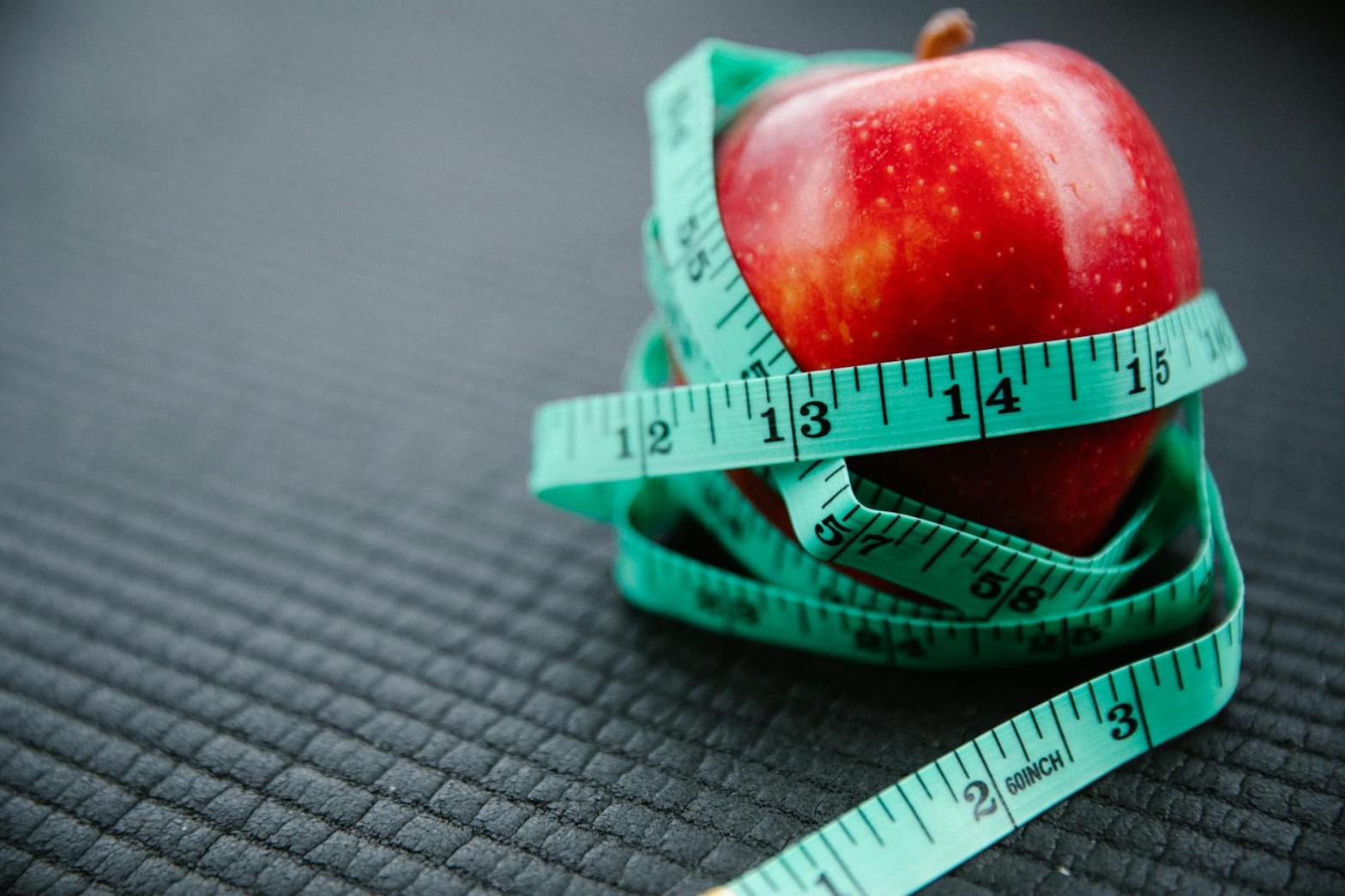
Weight loss is often framed as a personal failure or a battle of willpower. But the reality is far more nuanced. Behind the headlines about “miracle diets” and the pressure to “eat better” or “move more” lies a complex interplay of biology, genetics, environment, and social determinants. Studies demonstrated that one thing is clear: the way we talk about weight loss is outdated. Here are five facts that challenge common myths and reshape how we understand this deeply personal journey.
1. Weight Loss Goes Against Our Biology
The human body is wired to resist weight loss. Evolutionarily, we were designed to survive periods of scarcity, not abundance. When we reduce calorie intake, our metabolism adapts by slowing down energy expenditure—a process called metabolic adaptation. Hormones like ghreline (which triggers hunger) spike, making it harder to stick to restrictive diets.
In France, 47.3% of adults had excess weight in 2020, with 17% classified as obese. Despite decades of public health campaigns focusing on individual responsibility, these numbers haven’t dropped. Why? Because our biology fights back. The body’s response to weight loss—increased hunger, reduced metabolic rate—was adaptive for hunter-gatherers facing famine. Today, supermarkets are flooded with cheap, hyper-processed foods, and it is not easy to make the correct choice.
2. It’s Not Just About Willpower
Assigning weight loss to “laziness” or “lack of discipline” ignores the role of genetics and systemic inequalities. Research shows that 40–70% of BMI variability is influenced by hereditary factors, including how our bodies regulate hunger and burn calories.
But biology isn’t the whole story. Access to affordable healthy food, safe spaces for physical activity, and the ability to prioritize self-care are privileges not everyone has. For example, low-income neighborhoods often lack grocery stores with fresh produce, while long work hours and chronic stress make healthy habits harder to maintain.
A 2021 review in The Lancet highlighted that socio-economic status significantly impacts diet and exercise opportunities, contributing to weight disparities.
3. Calories Don’t Tell the Whole Story
Counting calories is a popular strategy, but it’s far from foolproof. Our bodies don’t treat all calories equally. A 200-calorie slice of cake and a 200-calorie serving of salmon affect hunger, blood sugar, and satiety differently. Processed foods spike insulin and cravings, while whole foods like vegetables and lean proteins provide lasting fullness.
Fad diets that eliminate entire food groups (e.g., low-carb or juice cleanses) often lead to short-term weight loss but are unsustainable. They also risk nutrient deficiencies. A better approach? Focus on long-term habits: prioritize whole foods, reduce ultra-processed meals, and avoid over-reliance on “detox” products.
4. Exercise is Vital for Health, Not Just Weight Loss
Physical activity is one of the most powerful tools for overall well-being, but it’s not a guaranteed weight loss solution. The body compensates for exercise by reducing non-exercise movement (e.g., fidgeting) or increasing appetite. Studies show that even vigorous workouts may not significantly boost daily calorie burn due to metabolic efficiency.
However, exercise remains essential. It improves heart health, builds muscle, reduces inflammation, and enhances mental health. So even if the scale doesn’t budge, movement is non-negotiable.
While exercise alone may not lead to dramatic weight loss, it’s crucial for metabolic health and disease prevention.
5. Health Doesn’t Always Require Weight Loss
The pursuit of a lower number on the scale can overshadow real progress. For many, improving health doesn’t necessitate weight loss. Eating more fruits and vegetables, reducing alcohol intake, and managing stress can lower blood pressure, cholesterol, and diabetes risk—even if weight stays the same.
Focusing on health at every size (HAES) encourages sustainable habits rather than fixating on weight. Celebrate milestones like better sleep, more energy, or improved mood.
Final Thoughts: Redefine Your Relationship with Weight
Weight loss is rarely simple. It’s influenced by biology, environment, and systemic factors beyond our control. Instead of blaming ourselves, let’s adopt a compassionate, science-backed approach. Small, consistent changes—like choosing whole foods, staying active, and prioritizing mental health—can create lasting well-being, regardless of the scale.
Ready to shift your mindset? Let’s move beyond the stigma and toward a healthier, more inclusive conversation about weight.
Thank you for reading! Please sign up for my blog crisbiecoach so you don’t miss out on any posts!
 Crisbie Coach