
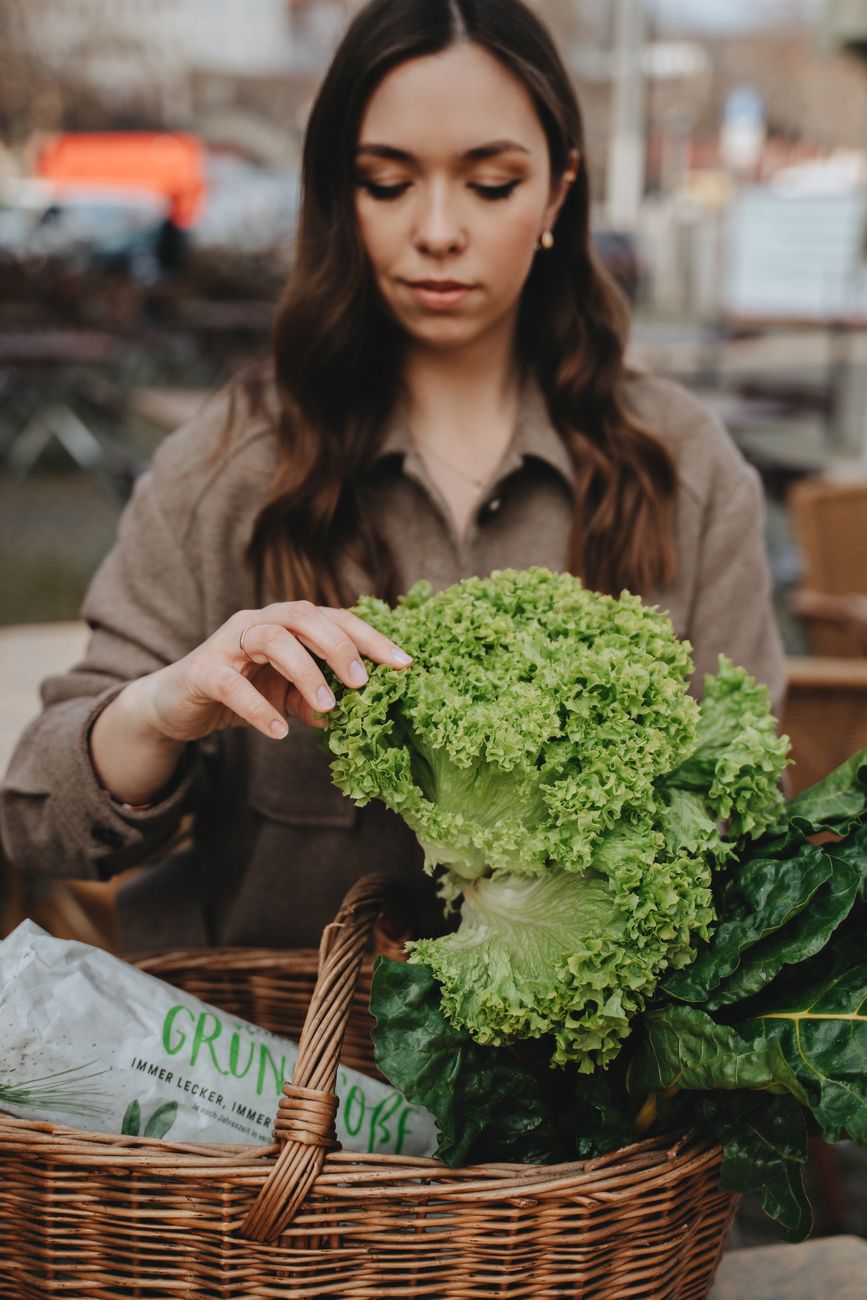
The Myth of the Conscious Consumer
In recent years, we’ve been sold a compelling narrative: if we just make the right choices as consumers, we can save the planet. Buy organic. Reduce plastic. Eat less meat. Recycle more. These actions, we’re told, are the keys to solving the ecological, social, and climate crises we face. But this narrative is incomplete and might be counterproductive.
Fabio Ciconte’s Il cibo è politica (Food is Politics) challenges this very idea. The book argues that our obsession with individual consumer choices distracts us from the real solutions: collective action and systemic change. While personal responsibility is important, it’s not enough. The climate crisis, food inequality, and environmental degradation are not problems we can fix individually. They require political will, corporate accountability, and a fundamental shift in how we view our relationship with food and the planet.
The Limits of Individual Action
Ciconte doesn’t dismiss the value of individual efforts. Reducing food waste, choosing sustainable products, or supporting local farmers are all meaningful steps. However, he points out that these actions alone cannot address the root causes of our global crises. The food industry, for example, is dominated by a handful of multinational corporations that prioritize profit over people and the planet. No amount of conscious consumerism can offset the damage caused by industrial agriculture, deforestation, or the exploitation of labor in the food supply chain.
The author highlights a dangerous paradox: the more we focus on individual solutions, the more we let governments and corporations off the hook. If we believe that recycling our coffee cups or buying fair-trade chocolate is enough, we risk ignoring the need for policy changes, regulations, and corporate reform. The real power lies in collective action—protests, advocacy, voting, and demanding systemic change.
Solutions: Moving Beyond the Shopping Cart
So, what can we do? Ciconte offers a roadmap for rethinking our approach to food and politics:
1. Reclaim Food as a Political Issue
Food is not just a commodity; it’s a human right and a political tool. The way we produce, distribute, and consume food reflects power structures, inequalities, and environmental priorities. To fix the system, we must treat food as a matter of public policy, not just personal preference.
- Advocate for food sovereignty: Support movements that give communities control over their own food systems, rather than leaving them at the mercy of global agribusiness.
- Demand transparency: Push for laws that require corporations to disclose their environmental and social impact, from carbon footprints to labor practices.
- Fight for fair wages: The people who grow, harvest, and prepare our food often work in exploitative conditions. Fair wages and workers’ rights must be central to any food justice movement.
2. Rethink Your Grocery Shopping
While individual choices won’t save the planet, they can still be part of a larger strategy. Here’s how to shop with both ethics and impact in mind:
- Prioritize local and seasonal: Buying locally reduces the carbon footprint of your food and supports small-scale farmers. Seasonal produce often requires fewer resources to grow and transport.
- Reduce food waste: About one-third of all food produced globally is wasted. Plan meals, store food properly, and embrace “ugly” produce that might otherwise be discarded.
- Support cooperative models: Food co-ops, community-supported agriculture (CSA), and farmer’s markets often operate on principles of fairness and sustainability. Your money goes directly to the people who produce your food, rather than to middlemen and corporations.
- Boycott unethical brands: Research companies’ practices and avoid those that contribute to deforestation, human rights abuses, or excessive pollution. Collective boycotts have forced even the largest corporations to change their ways.
3. Rebuild Our Relationship with the Environment
Our disconnect from nature is at the heart of the climate crisis. Rebuilding this relationship requires more than just eco-friendly purchases. It demands a cultural shift.
- Educate yourself and others: Learn about the environmental impact of different foods (e.g., beef vs. lentils, almond milk vs. oat milk) and share this knowledge. Awareness is the first step toward change.
- Grow your own food: Even a small herb garden or a community plot can reconnect you with the process of food production. It’s a reminder that food doesn’t come from a supermarket shelf, but it comes from the earth.
- Engage in activism: Join or support organizations that fight for environmental justice, land rights, and sustainable agriculture. Attend protests, sign petitions, and vote for leaders who prioritize these issues.
- Reject greenwashing: Many companies use misleading marketing to appear sustainable while continuing harmful practices. Be skeptical of labels like “natural” or “eco-friendly” without certification or proof.
The Power of Collective Action
Ciconte’s most compelling argument is that real change happens when we act together. History shows that major shifts, like the civil rights movement, labor rights, or environmental protections, have always been driven by collective action, not individual behavior.
- Join or support a movement: Whether it’s a local food justice group, a global climate strike, or a campaign for policy change, collective efforts amplify impact.
- Hold corporations accountable: Support watchdog organizations that expose unethical practices and push for corporate responsibility.
- Vote with your values: Support political candidates and parties that prioritize food justice, environmental protection, and social equity. Policy changes can create the framework for a more sustainable food system.
A Call to Action
Ciconte’s book is a wake-up call. It’s a reminder that while our daily choices matter, they are not enough. The climate crisis, food inequality, and environmental degradation are systemic problems that require systemic solutions. As consumers, we have a role to play but as citizens, our power is even greater.
So, the next time you’re at the grocery store, ask yourself: Am I just shopping, or am I part of the change?
Final Thoughts
Fabio Ciconte’s book challenges us to move beyond the comfort of individual actions and embrace the responsibility of collective action. The food system is broken, but it doesn’t have to be. By treating food as the political issue it is, we can start to fix it, together.
What do you think? Are individual actions enough, or do we need systemic change to address the climate crisis? Share your thoughts in the comments below!
Suggested Links for Further Reading
- Slow Food International – Good, Clean, and Fair Food
- Greenpeace – Food and Farming
- Fair Trade Certified – Ethical Consumerism
- 350.org – Climate Activism
Thank you for reading! You can read more from me on my blog crisbiecoach and, please, subscribe!

 Crisbie Coach