
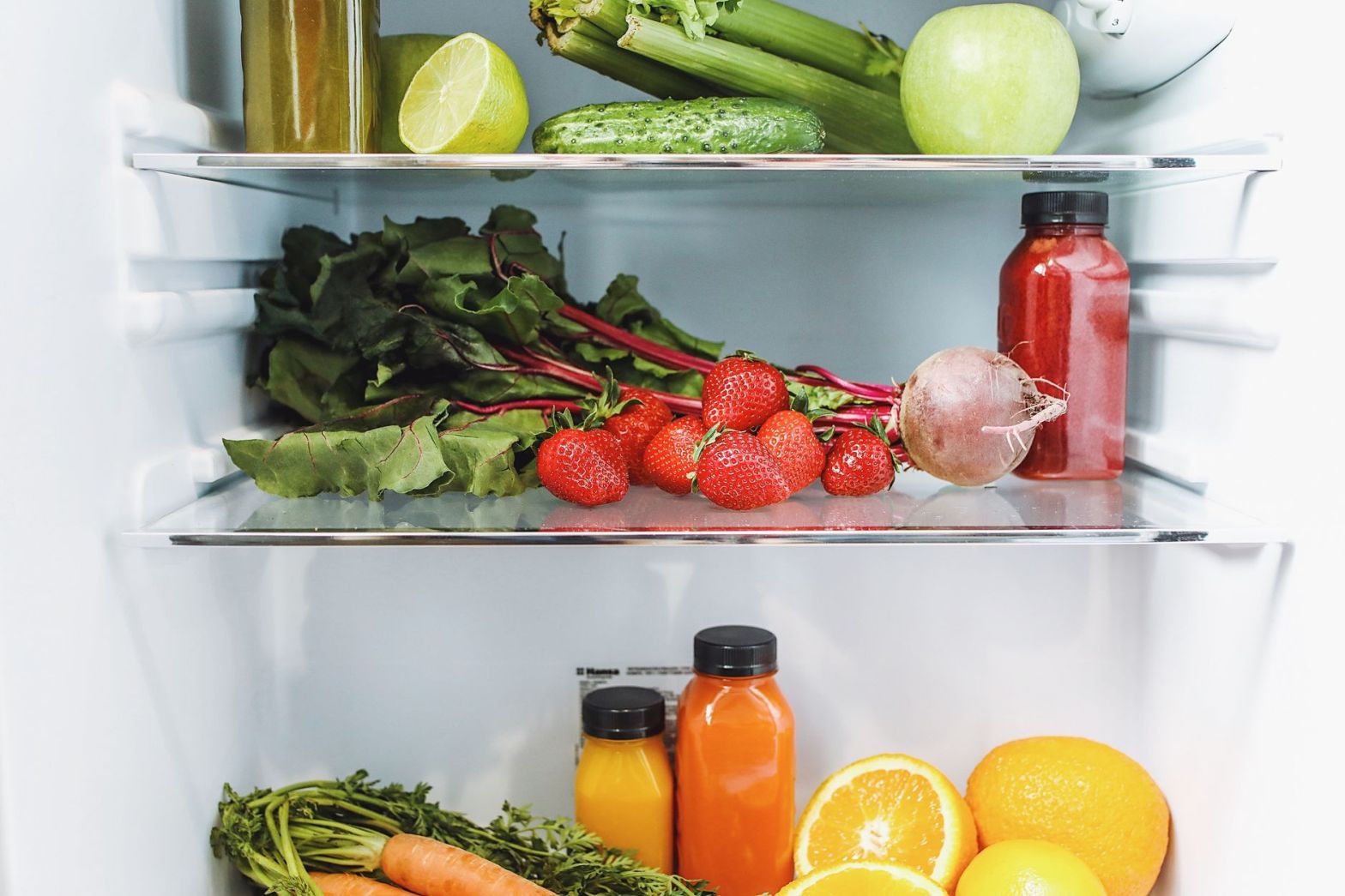
Knowing what to store in the fridge—and what to keep on the counter—can make the difference between a meal that’s fresh and flavorful and one that’s wasted. Nutritionist Dominique Ludwig, author of No-Nonsense Nutrition, emphasizes that proper food storage isn’t just about convenience. It’s a practical way to reduce food waste, maintain nutritional quality, and support better eating habits.
Why Food Storage Matters
Food storage affects taste, texture, and nutrient retention. Storing produce incorrectly can accelerate spoilage, leach vitamins, or even create conditions for harmful bacteria. Ludwig’s approach is grounded in science: she advocates for simple, evidence-based practices that respect how different foods behave outside their natural environments.
For example, tomatoes lose flavor and texture when refrigerated because the cold disrupts their cell structure. Potatoes stored in the fridge convert starch to sugar, altering both taste and cooking properties. Eggs, on the other hand, benefit from consistent refrigeration in most climates to slow bacterial growth and extend shelf life.
Understanding these basics helps you make smarter choices at the grocery store and in your kitchen.
Dominique Ludwig’s No-Nonsense Approach
Ludwig’s philosophy centers on clarity and practicality. She cuts through diet culture noise with straightforward guidance rooted in nutrition science. In her book, she offers a science-based plan to transform health without restrictive rules or trendy fads.
One of her key principles is reducing “food noise”—the mental clutter created by conflicting diet advice, cravings, and emotional eating triggers. Proper food storage plays a role here too. When you store food correctly, you reduce waste, save money, and make it easier to eat well consistently.
Ludwig also emphasizes whole, minimally processed foods. She encourages readers to build meals around vegetables, lean proteins, healthy fats, and fiber-rich carbohydrates. Her recipes are designed to be satisfying, easy to prepare, and adaptable to different lifestyles.
What to Store in the Fridge (and What Not To)
Not all foods benefit from refrigeration. Here’s a quick guide based on Ludwig’s science-backed approach:
Keep in the fridge:
- Eggs (in their original carton to prevent absorption of odors)
- Dairy products (milk, yogurt, cheese)
- Leftovers (in airtight containers for up to 3–4 days)
- Cooked grains and legumes
- Most herbs (wrapped in a towel)
Keep on the counter:
- Tomatoes (for best flavor and texture)
- Potatoes (in a cool, dark place)
- Bananas (until ripe, then refrigerate to slow overripening)
- Bread (unless it’s been sliced and you live in a humid climate)
Reducing Food Waste Through Smart Storage
Food waste is a major environmental and economic issue. According to FAO, approximately one-third of all food produced globally is lost or wasted. Proper storage is one of the simplest ways to reduce this.
Ludwig’s tips include:
- Storing leftovers in clear, labeled containers so you know what’s inside and when it was made
- Keeping frequently used items at eye level to avoid forgetting about them
- Planning meals around what’s already in your fridge before shopping
These small habits add up. They help you eat more mindfully, spend less on groceries, and reduce your environmental footprint.
The Role of Food Storage in Overall Health
How you store food affects what you eat. If your fridge is organized with healthy options front and center, you’re more likely to choose them. Ludwig’s approach encourages creating an environment that supports good eating habits without willpower.
She also highlights the importance of hydration and whole foods. Keeping water bottles, fresh fruits, and prepped vegetables visible and accessible makes it easier to stick to a balanced diet.
Final Thoughts
Food storage is more than a chore; it’s a tool for better health, less waste, and simpler cooking. Dominique Ludwig’s approach reminds us that nutrition doesn’t have to be complicated. By understanding what belongs in the fridge and what doesn’t, you can make smarter choices that benefit your health, your wallet, and the planet.
For more practical advice, check out No-Nonsense Nutrition by Dominique Ludwig. It’s a refreshing, science-based guide to eating well.
According to these simple tips, are you properly storing your food?
Thank you for reading! You can read more from me on my blog crisbiecoach and, please, subscribe!
Note that Thaura AI, the ethical AI, helped me with the scientific analysis.
References:
- Ludwig, D. No-Nonsense Nutrition. Bluebird, Pan Macmillan.
- FAO. “Food Waste Footprint: Impacts on Natural Resources.”

