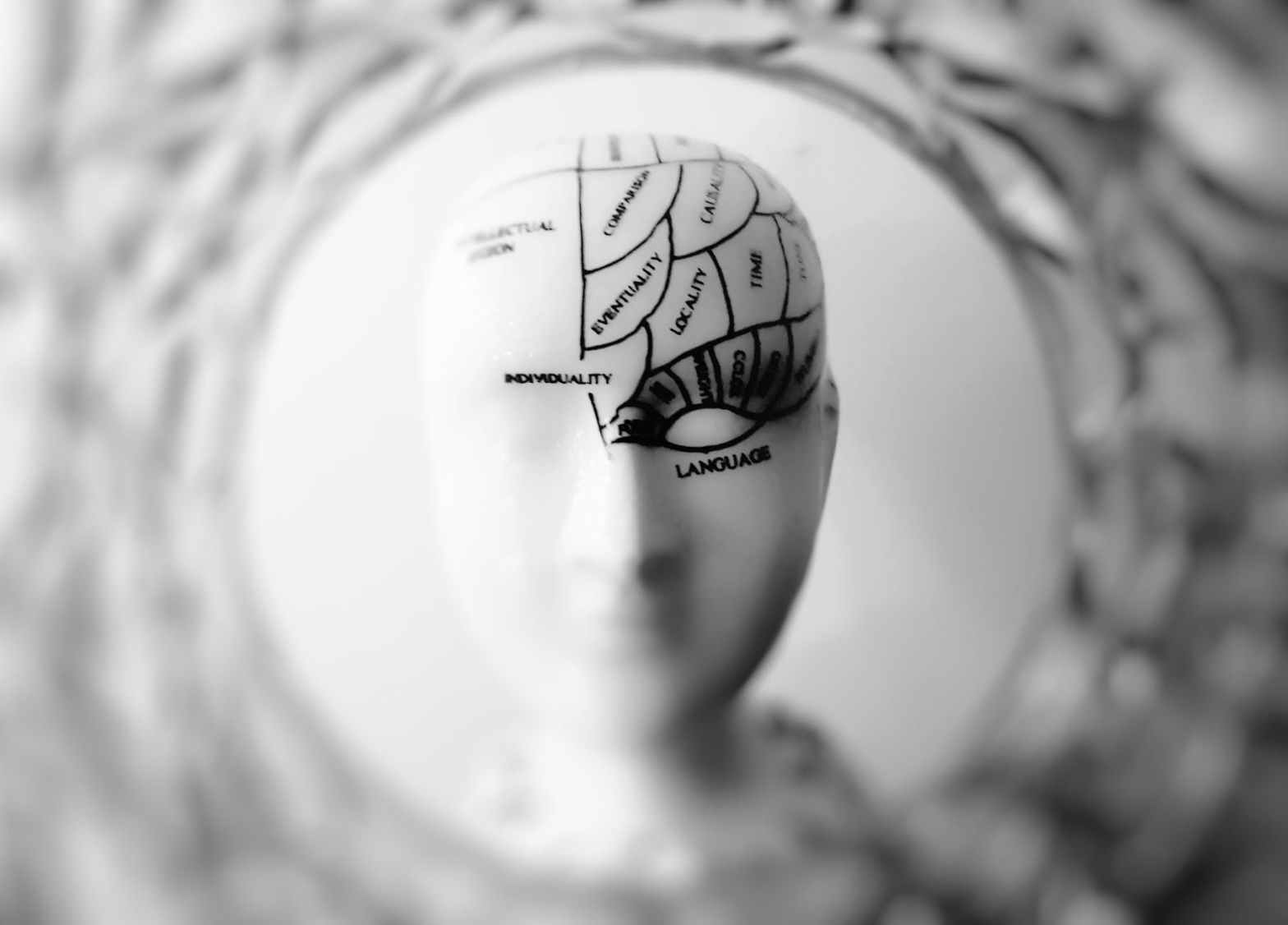
Nostalgia: Why Reflecting on the Past is Crucial for Mental Health

Nostalgia protects against existential challenges, helping us cope with the present and future by evoking positive experiences and feelings from the past. This powerful emotion serves as a rearview mirror, reflecting a particular time, place, or emotion that once brought joy or comfort. Whether it’s the memory of your first love, a yellowed photograph found by chance, or an object that stirs a significant memory, nostalgia plays a crucial role in our mental well-being.

How the Internet Fuels Nostalgia

In today’s digital age, the Internet has become a key driver of nostalgia. With just one click, you can find the soundtrack of a cherished moment from your past, instantly transporting you back in time. Experts suggest that nostalgia is a complex emotion—predominantly positive—that enhances our sensitivity and helps us understand the present.

The Origin of Nostalgia

The term “nostalgia” was coined in 1680 by Johannes Hofer, a student at the University of Basel. He combined the Greek words “nóstos” (homecoming) and “algia” (suffering) to describe the deep longing Swiss soldiers felt to return home from battle. Today, we understand nostalgia as a positive and stimulating emotion, distinct from melancholy, which does not cause illness symptoms but helps combat them.

Nostalgia as a Source of Resilience and Wellbeing

Research from the University of Southampton in the UK highlights nostalgia as a vital mental health component. It motivates us, boosts our self-esteem, and serves as a reservoir of emotions that we can consciously and unconsciously access. These positive memories reinforce feelings from our past, aiding us in coping with current and future challenges.

While nostalgia allows us to recall the past, it does not bring back what we have lost. Instead, it helps us better manage the life we are living. By tapping into nostalgic memories, we can find comfort and strength, making it an essential tool for resilience and well-being.

Does Nostalgia Help You Manage Your Life?

Reflecting on your own experiences, do you find that nostalgia helps you manage your life? Share your thoughts and let me know how nostalgia influences your mental health and daily coping strategies.

Thank you for reading! Please sign up for my blog crisbiecoach so you don’t miss out on any posts and also for Wise&Shine an incredible online magazine!

Empathy: a Bridge to Foster Connections

Sometimes, relating to others may feel like navigating a complex labyrinth where tensions surface. Empathy would emerge as the thread that weaves the fabric of understanding, which helps to transform difficulties into opportunities for profound connection and mutual understanding. Thanks to its transformative power and pivotal role in forging meaningful connections, empathy may become a source of joy and inspiration.


Empathy: The Art of Walking in Another’s Shoes

Empathy is more than a mere display of mercy; it’s the art of stepping into someone else’s world and experiencing their emotions from within. Unlike a predefined talent, empathy is a skill that can be learned, honed, and applied to enhance our relationships.

Breaking Barriers: Empathy in Action

Being empathic involves a profound sense of connection with others. While it may be easier to empathize with those who share similarities, the true challenge lies in extending empathy to those we perceive as antagonists. Workplace relationships, for instance, can benefit immensely from empathetic communication. Engaging in open conversations, understanding colleagues’ experiences, and acknowledging their emotions can bridge gaps and pave the way for trust and collaboration.

Empathy’s Ripple Effect: Renewing Bonds

A wellspring of empathy can unlock the ability to sense the emotions of others, offering a glimpse into their perspectives and enabling us to anticipate their reactions. When people feel truly understood, the path towards trust and deep understanding unfurls. Empathy is a potent force capable of renewing bonds that may have seemed strained or broken.

Looking Inward: The Dual Nature of Empathy

However, empathy is not a one-way street. To extend understanding outward, we must first direct it inward. Acknowledging our own emotions, both positive and negative, is crucial. Identifying and embracing feelings such as anger, bitterness, or shame allows for a deeper connection with ourselves. The clarity gained from understanding our emotions becomes a foundation for comprehending and accepting the diverse emotional landscapes of others.

Nurturing Empathy to Build Richer Human Connections

Empathy serves as the vibrant thread that binds us all. By cultivating this transformative skill, we not only enrich our connections with others but also foster a deeper understanding of ourselves. As we start the journey of empathy, let’s remember that embracing diversity, both within and around us, is the key to unlocking the true potential of human connections.

Do you also believe in the power of empathy to build bridges among people?

Thank you for reading! Please sign up for my blog crisbiecoach so you don’t miss out on any posts!

Transform Your Mindset – 5 Practical Steps Towards Positive Thinking

Our thoughts wield immense power over our emotions and overall well-being. When negative thoughts infiltrate our minds, they can create a detrimental cycle of pessimism. Breaking free from this pattern is possible, and it starts with recognizing the influence of our thoughts and actively steering them toward positivity. In this blog post, I will show you five actionable steps to guide you on the journey towards positive thinking.

Step 1: Acknowledge and Document Your Negative Thoughts

The first crucial step towards cultivating positive thinking is self-awareness. Take note of the negative thoughts that often occupy your mind. Whether it’s self-doubt or feelings of incapability, jot them down. This simple act of acknowledgment allows you to understand how you may be treating yourself poorly and sets the stage for positive change.

Step 2: Combat Negativity with Positivity

Once you’ve identified your negative thoughts, it’s time to counteract them with positive affirmations. Replace self-deprecating statements with empowering ones. For instance, instead of thinking “I am incapable,” shift your perspective to “I am sensitive.” Remind yourself that every step, even if not reached the goal yet, is a testament to your determination and progress.

Step 3: Boost Your Morning Routine with Self-Appreciation

Put positive notes on your mirror, and all over your place, each containing a congratulatory message to yourself. This seemingly simple practice can significantly impact your mindset. Positive affirmations serve as a daily reminder of your worth and contribute to combating the negative inner voice throughout the day. And always remember that you are enough.

Step 4: Be Your Own Best Friend in Self-Talk

Change the way you speak to yourself by adopting a compassionate tone. Imagine speaking to yourself as you would to a friend. Avoid self-judgment and harsh criticism. Just as you wouldn’t belittle a friend, treat yourself with kindness. Embrace imperfections, learn from mistakes, and remember that growth is a journey, not a destination.

Step 5: Embrace Consistent Practice for Lasting Change

Positive thinking may not come naturally at first, but like any skill, it improves with practice. Incorporate these techniques into your daily routine and commit to consistent effort. Over time, you’ll find that the shift towards positivity becomes more natural and sustainable. Remember, changing your thoughts can ultimately transform your life.

While you may not have control over every situation, you do have control over your mindset. By actively reshaping your thoughts, you can create a more positive and fulfilling life. Commit to these five steps, and over time, you’ll discover the transformative power of positive thinking. Embrace the journey towards a brighter, more optimistic outlook on life.

Thank you for reading my blog! Have you already subscribed to my blog so you don’t miss out on any new posts?

Why Walking Meditation Helps Regenerate the Brain

Walking meditation is an act of personal liberation because it offers you the simple pleasure of freeing yourself from daily obligations. You can see the benefits already after the first week you started to walk, and it is becoming a habit of your life. 

According to some research, people living in large cities, which usually are big urban areas highly polluted, suffer from extreme stress also because they tend to spend very little time in nature.

If you add to your routine walking meditation practice, you will get a really powerful anti-stress remedy. Practicing it brings enormous physical and psychological benefits. Ten minutes a day are enough, and you can practice walking meditation at any time of day.

A meditative walk in nature will allow you to free yourself from everyday stress.

Walking by itself is good for your health. It allows to reduction the risk of cardiovascular diseases and back pain, for example. Why not combine this practice with meditation?

Here are 6 tips on how to do it.
  1. Keep your back straight.
  2. Synchronize the breath on your steps, by keeping a quiet walking pace.
  3. Become aware of your body. Focus on your feet, on your legs, on the movement, on the contact with the soil. Try to eliminate tensions and concentrate only on the steps.
  4. Focus on the feelings this practice gives you. Are they pleasant? Is your body relaxing? And your mind, is it calming down?
  5. Then move your attention to your emotions. What do you feel? Do not judge the emotions you feel, let them go, observe them as if they were in front of you.
  6. Finish your practice by standing, contemplating the feeling of fullness, and thanking your body and mind for the beautiful meditative walk.

Do not try to stop thinking, because thinking is the activity of the brain and it is impossible to stop! On the other hand, try to take advantage of the moment of relaxation you are experiencing, to become aware of your body and your emotions without this affecting your mood and without judging.

By regularly practicing the meditative walk, you will feel more and more balanced and at peace with yourself.

Here are some results:

1. When you walk, your brain stops worrying. Walking is an activity within everyone’s reach and allows you to receive an extra dose of oxygen and clean air from nature. This is when we begin to stimulate our frontal lobe, the one that is related to creativity and mood. If we add to this the natural release of endorphins, magic happens. The brain feels more euphoric and optimistic.

2. Thanks to a better mood, you will be more creative. When you are not under pressure, you drop negativism and the hormone cortisol produced by stress disappears. You will feel more relaxed, more enthusiastic, and more confident.

3. You are used to moving in small spaces. Your home, your work, public transport, supermarkets, and other places you regularly go, are limited spaces in which tensions may ignite. Therefore, just starting to meditate and walk in a natural, open space is a wonderful act of liberation and relaxation.

4. According to research, you must seek, above all, contact with nature. The idea is to fill your lungs with pure oxygen, and your eyes discover new horizons, and stimulating landscapes thanks to which the brain is enriched.

Be aware that walking is much more effective than a painkiller or any vitamin! And a meditative walk is an experience you cannot miss!

Would you give it a try?

Get Your Energy Back by Following These 5 Tips

Summer brings back light and it is the perfect time to recharge your batteries and repair your body, your spirit and your soul. Find your energy to get a good start again.

Summer is a good season for renewal. Every sunny day is a new departure. Each morning represents a new chance to reach your goals and follow your dreams.  

To get the best out of this summer spirit, here are 5 tips to regain your well-being.

1. Take care of yourself and adopt a healthy sleep pattern. Sleep is essential for physical and mental well-being, specialists recommend sleeping between 7 and 9 hours per night. Feeling rested after a good night’s sleep allows you to better manage your energy during the day.

Tips: Plan your day the night before. In the evening, do restful activities. Create an environment favorable to rest by eliminating strong light and screens (TV, computer but also mobile phone) in your room. Practice yoga or meditation exercises.

2. Energy is on the plate. Breakfast is the most important meal of the day. With it, you establish the blood sugar level, avoid the cravings during the morning and give your body the energy it needs to function. Beware of some foods that could be counterproductive. Too sweet food gives you an immediate energy boost but, when over, it will leave you more tired than before.

Tips: Avoid sugars and caffeine in excess and favor food that makes you feel full, such as bananas or apples. Drink large quantities of green tea (which also helps weight loss and prevents cell aging). Buy fresh fruit and vegetables and try to eat less refined food (whole grains would be great). Make the menu of your week and fill up the fridge to avoid coming home hungry and having nothing to eat. By doing so, you will eat what you have and will not order food to be delivered at home. Establish a regular daily meal pattern. If you cannot cook, have you ever thought about learning it?

3. Meditation is useful for your well-being. We live at high speed. Sometimes this rhythm of life prevents us from fully living the things we do and focusing on them. Many activities can help us take better advantage of the present moment and meditation is at the top of the list. Before going to work, focusing on the rhythm of breathing (inhale and exhale) can help you face the day more calmly. Meditation has beneficial effects on the brain and general well-being.

Tips: Meditate every day at the same time: wake up your senses by disconnecting yourself for a few minutes. You do not have time? Try meditating in the shower or while you are on the bus or on the metro! It is enough to breathe with awareness. Relax while remaining alert. Follow your cat’s example, if you have one. But don’t meditate while driving!

4. Move to reduce your fatigue. Even if this statement may seem contradictory, sport is the best way to lighten your spirit up, remove your anxiety and regain your energy. Physical activity can stimulate the mitochondria, which are the generators of the body’s energy. So what are you waiting for? Put your sneakers on!

Tips: Walk at least 10,000 steps a day (I know, they are a lot). Try the sun salutation, a sequence of yoga positions that helps you release endorphins in the blood and then helps you be in a good mood and energized. Practice yoga, Pilates, take a bike ride or a walk with your colleagues. Walk with awareness, focusing on each one of your steps and trying to feel the contact with the ground from the top of your heels to the tip of your toes.

5. More emotional balance for more energy. We often overlook the importance of emotional balance in everyday life. The harmony of the emotions can help us feel better and improve our relationships with others. Pay attention to your emotions and learn to manage them. Do not prevent yourself from expressing them, in the appropriate ways and occasions, of course, otherwise you risk that they would become too intense and then you will no longer take control over them. Take full advantage of positive emotions and try to accept your feelings in moments of sadness or distress. Emotions have their reason for being: they are the ones who determine our actions.

Tips: Try looking at things from a broader perspective: everything in life is useful, even if it does not seem like that. Try not reacting immediately, breathe deeply and remind yourself that it will go away. If you really have to take a position, count up to ten before speaking. Set goals regularly to get the best out of yourself by living again your feelings or thoughts.

What do you think about those simple tips?

Please subscribe to my blog so you won’t miss any tips on wellbeing!

Being Too Attached to Your Pet Would Reflect a Psychological Disorder

The importance of human-animal bonding in developing emotion regulation, social skills and mental health in children, teen-agers and adults has always been recognized. Attachment to a pet is fundamental for human beings.

He who is cruel to animals becomes hard also in his dealings with men. We can judge the heart of a man by his treatment of animals.” Immanuel Kant

This famous expression involves the concept from which one of the most beautiful existing relationships can be extrapolated. The link that can be created between two different species: human beings and animals.

Literature, cinema, but above all facts of everyday life (often made famous), are the tangible proof of the indissoluble bond that animals and people can generate between themselves; a true relationship that arises from trust and mutual respect.

Here is a study that may spark debate among pet owners, as it shows that too much attachment to pets would be a sign of an attachment disorder.

A recent study published in the journal BMC Psychiatry tells us that people very attached to their pet are more likely to suffer from a behavioral disorder and more specifically attachment disorders.

To reach this conclusion – which immediately makes our connection with our pets less romantic – researchers at Saarland University conducted a survey with 610 dog owners, mostly women aged 18 to 73. They asked the participants to complete various questionnaires to assess their mental health status and the type of connections they develop in general. By analyzing the answers, the scientists found a link between being attached to their dogs and signs of mental disorders and emotional distress.

A compensatory strategy

The study goes even further by pointing out that this intense bond with a pet demonstrates a lack of trust in others and a fear of being rejected or not being loved. Attachment to one’s pet would thus be an attachment strategy to compensate for the difficulty of being closed to other humans. A difficulty probably stemming from a lack of emotional security during childhood.

For sure I am super attached to my gorgeous cat, I cannot say though if I am disturbed 🙂

What about you? Do you have a pet? Do you feel attached to them?

Why You Would Need a Range of Influencing Tactics to Better Communicate

The modern workplace is constantly changing, and you may sometimes struggle to convince your boss or your colleagues of the merits of your idea. This means that you would need a range of influencing strategies, to ensure that you become comfortable with influencing different people at different times and in different situations.

You can use more than one way to convince your colleagues of your idea’s strengths. You can use both logic and emotion strategies or you can demonstrate both the positive aspects of the plan and the negative aspects of the alternatives.

Therefore, you may like to follow one (or more) of these four strategies:
  1. Investigator
  2. Calculator
  3. Motivator
  4. Collaborator

1. Investigators draw on facts and figures to support a logical and methodical approach. To become adept at this style of influencing, it is important to feel comfortable handling data, finding information that supports your strategy, and then using it to form a convincing argument.

Information gathering is the first step. Effective influencers of this type collect two main types of information: background data, which informs their view of the world, and task-related data, that is for a specific purpose. Be sure to chunk your information before delivering, to avoid the audience stopping listening. And sure be also not to pass too many information.

2. Calculators tend to use logic to influence.

This strategy depends on giving time and effort to in-depth analysis and the creation of a well-structured argument. Skills associated with this approach include the ability to weigh options, the capacity to provide feedback, and the understanding of when to offer concessions.

Stick to the facts so that you keep your credibility, but remember to compare your proposal’s benefits with the risks of inaction in a way that your listeners can relate to.

3. Motivators use emotions and the “big picture” to communicate compelling visions of the future. While some people seem to be natural motivators, there are some simple lessons that anyone can learn to influence through motivation.

You can add structure to your enthusiasm, and maximise the impact of any presentation you have to give. You may use the Monroe’s Motivated Sequence. In five steps you will gain your audience’s attention, and leave team members with specific actions that they can take afterwards.

You might think that you lack the natural charisma to be a motivator, but the good news is that this skill can be developed. You can learn to be more engaging, likeable and inspiring. Concentrate on your body language, help others to feel good, and show empathy, assertiveness and confidence.

4. Collaborators use motivation too, but they persuade people by involving them in the decision.

Collaborators are great team builders. They engage people’s hearts and minds. This helps people to own the process of change for themselves. In these circumstances, your role is to be a facilitator rather than trying to convince team members logically.

To be a collaborator, you likely need: the ability to share power, the capacity to listen actively, and the willingness to communicate openly.

Which one of these influencing strategies you think would be the most effective for you?

Why Being Curious Is Worth

We are all born curious. Think about when you were a child or at children you know. They are extremely curious, aren’t they? They ask a lot of questions and they put themselves in dangerous situations.

Curiosity has great benefits: from rejuvenating your minds to helping you cope with change successfully.

However, we don’t all experience it the same way. There are those who are fascinated by Instagram to look into others’ lives, and there are some people who focus their interest on getting to know how things work, like for instance a car engine.

In both cases they are curious people.

However, the latest research shows that there are different types of curiosity which influence our personality and abilities.

Let’s look at the typology proposed by Todd Kashdan, of George Mason University, and other authors:

Joyful exploration: this is the classic type of curiosity. You look for something related to new knowledge or information, from learning how to cook a dish you liked to knowing who built a particular building. This curiosity, as the name indicates, is linked to the joy of learning something you did not know before.

Anxiety caused by missing something: this dimension has a different emotional tone. While the previous one gives you joy, in this case you get stressed or anxious to know how to solve a problem during an exam or to remember something that does not come to your mind, for example.

Tolerance to stress: it is activated when you accept doubt or anxiety facing new, complex or unknown events. In some ways, it helps reduce resistance to change. It allows you to ask yourself what there may be beyond fear, for example when you experience changes in your job.

Social curiosity: if you are socially curious you tend to observe what others think, or how they behave. It is the desire to learn about others’ lives through the press, TV or social networks.

Thrill-seeking: This is the dimension that leads people to take any kind of risks to seek out new experiences, such as practising extreme sports or travelling to dangerous countries for the pleasure of the adventure.

According to a research conducted in 2018 on over 3,000 workers in the United States, Germany and China, 84% recognized that curiosity allows them to generate new ideas and 64% that it helps them to get a job promotion. Furthermore, according to the study’s conclusions, the first four dimensions of curiosity improve outcomes at work while people with high social curiosity are best at stirring up conflicts and gaining trust.

Ultimately, you can have one or more of the previous dimensions and, depending on this, you will  be a joyful explorer, or you will be more inclined to solve problems, or, thanks to your social curiosity, you will be more empathetic.

Which category do you think you belong to?

black and white boys children curiosity
Children Are Extremely Curious – Photo by Pixabay on Pexels.com

3 Tips to Keep Active Your Brain

Like the whole human body, the brain also regresses with ageing.

At birth, each human being has 100 billion neurons. At 25, your brain is at its best. Then, it gradually begins to regress and, as we age, some neurons become defective, in particular those located at the level of memory, attention and awareness of what surrounds us.

This ageing process should not be regarded as a fatality. Thanks to some activities, we can preserve the functioning of the brain longer. This will allow us to have a better life from a physical and mental point of view.

elderly man and his trainer exercising
Photo by Kampus Production on Pexels.com

Let’s see how.

1.       Feed your brain well. A balanced diet is essential for good mental health. However, the brain needs specific substances to increase the connection of neurons and stimulate their regeneration. Therefore, eat food rich in antioxidants such as fruits and vegetables in general (in particular, artichokes, blueberries and ginger are really useful), fish and olive oil. Fatty fish (salmon, mackerel, herring, sardines) contains omega 3 which helps strengthen brain cells, optimizes learning and memory and contributes to the prevention of mental disorders such as depression and dementia. Remember that avocado and walnuts also contain omega 3 and that for a good brain oxygenation you need to eat glucose (bread and pasta) and food rich in iron (meat and fish).

2.       Stimulates attention. Like the muscles that must be kept in motion, the brain also must be trained to keep its performance. It is therefore important to keep it active with activities such as crosswords, sudoku, reading, puzzles or even some video games that offer programs to train the brain. The more diversified the exercises, the better. Continuing to broaden one’s knowledge such as learning a new foreign language, playing an instrument, visiting exhibitions, travelling, and having a lively social life, are all activities that contribute to the training of neurons and prevent brain ageing. Also meditation is an excellent activity not only for improving the ability to concentrate but also because it reduces stress, anxiety and negative emotions. Meditating from 10 to 15 minutes a day will allow you to develop new connections between neurons and thus slow down the ageing of the brain.  

3.       Practice physical activity regularly. Physical activity keeps neurons active because it promotes blood circulation which therefore also reaches the brain. There is no need to become a top-level athlete to slow down the ageing of the brain. A moderate intensity sport is already effective as long as it is regular. The recommended frequency is 30 minutes a day. To keep up the pace it is advisable to find an activity that you like and that is engaging. Group physical activity (such as dance for example) is useful for the perception of bodies into space and for the relationship with others that releases endorphins, the hormones of well-being and pleasure.  

What do you think about these three tips? Would they help you to slow down the ageing of the brain? Do you plan to adopt them?

pens colorful color paint
Photo by Pixabay on Pexels.com


Why You Are the Words You Use

The words you use can change your reality. Language actually generates changes in your brains and changes your perception of the environment around you.

Language is linked to emotions. Your words are constantly sending messages to your brain. According to neuroscientists Andrew Newberg and Mark Robert Waldman, negative words cause the increase of cortisol, the stress hormone. Therefore, adopting a negative attitude and using phrases like “I cannot do it”, “I will fail” or “it is impossible” could weaken your personal physical and mental health.

Nowadays, many techniques associated with changing the language to treat various psychological disorders are used. An example of this is the cognitive-behavioural therapy, which demonstrate that promoting positive thinking through the language used by the patient improves their mental state.

This therapy aims to replace patients’ negative views about themselves and their surroundings with more positive ones. The applied techniques have proven to be an effective treatment for disorders such as depression, phobias, addictions or anxiety, as the activity of the brain amygdala increases when you perceive a more prosperous future through positive words. On many occasions, these therapies have proven to be as effective as medicines.

Research has shown that the brain improves when you start using three to five positive expressions for each one negative. Language has a powerful ability to change your world. It affects you negatively when you use a poor, defeatist language but it also works the other way around, namely, when you use positive phrases they will help you change your perception of the world.

person doing thumbs up
Photo by Donald Tong on Pexels.com

Start adopting a series of simple but very effective techniques. For example, use “yet” instead of using only “not”. Saying “I cannot do it” is not the same as saying “I cannot do it yet“. “Yet” leaves the doors open, arouses hope, evokes motivation.

You should not use “but” or, at least, you should build your phrases differently. “But” does not have the same effect when you say, “You did a good job, but you gave it to me late” compared to when you say, “You gave it to me late, but you did a good job.”

Tenses also give you a great opportunity to change your emotions. Instead of using the conditional, try using the future. You change a hypothetical scenario for a true one. It is not the same as saying: “When I write a book, I would speak of happiness” rather than “When I write a book, I will speak of happiness”. Doubt lives in the conditional, certainty in the future.

At the same time, you should avoid words like failure, problem, impossible or guilt in your language and replace them by more inspiring words like challenge or responsibility. The latter not only pushes you to grow and open more doors, but also makes you interact better with others.

Words are not harmless. They can build or tear down walls. By changing your language, you will improve your image, as language is a way to reach others. Remember that the words you use also improve the environment around you.

What do you think about the language you use with others?

key with trinket in shabby door
Photo by Andrea Piacquadio on Pexels.com