Is the Ego a Friend?

What is the ego? Is it really negative? How to keep it under control? Is the ego a friend?

The word ego comes from the Latin and means “I”. It is difficult to define it because it is not visible and it manifests mainly in a negative way.  It is easier to recognize the ego in others than in oneself.

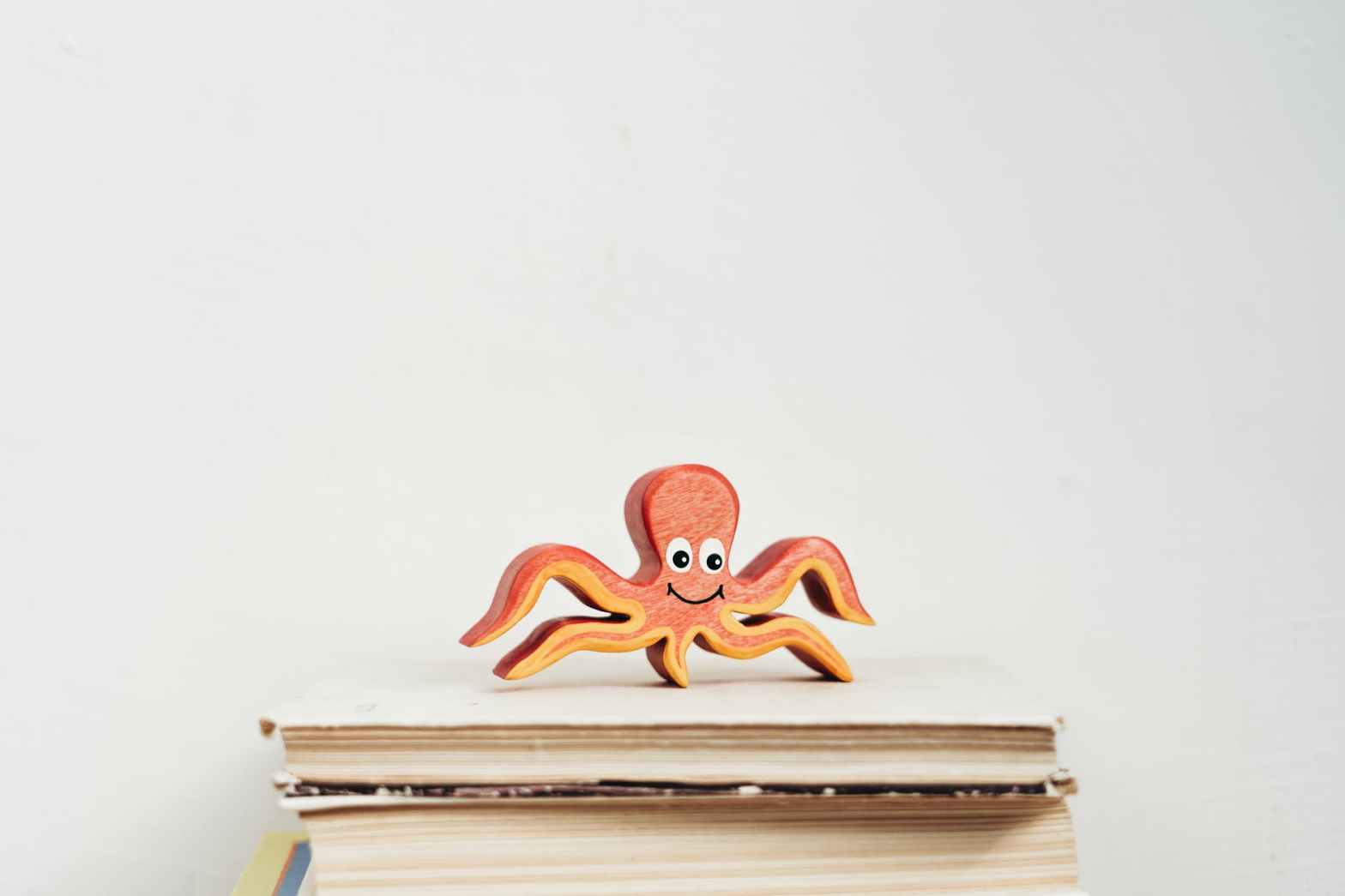
Sometimes, the ego is represented with animals. The octopus, the bloodsucker, any parasite, the wolf or the tiger. Or it is also represented with objects. Mask, dress, glasses, onion, egg or even serious illnesses.

It is a mystery and a paradox at the same time. The ego is us but not really us. It is a false self, or a pseudo self. It is not the personality but a part of the personality. It is not our true consciousness, but an altered, partial and non-objective consciousness. It does not represent a real need, but it wants to make us look perfect in a certain way, it wants to control everything and always be right. It is not real, but an illusion, an empty shell, which is based on fear, separation, loneliness and opposition. The ego can be a defensive or an aggressive reaction. In reality, the ego tries to protect us from showing our vulnerabilities.

Is the ego negative?

For Westerners, the ego is a necessary evil with which we must live, it is not so serious, indeed sometimes it can be useful or even positive. In fact, Western civilization since 1623 is based on the ego thanks to Descartes.

On the contrary, for spiritual masters, most of them Orientals, the ego has nothing positive, since it is the opposite of love, it represents our dark part, our Mr. Hyde, our shadow zone.

The ego is a false friend that makes us lack authenticity, honesty, and humanity. This is why certain traits of our character might be selfishness, self-centredness, narcissism, individualism, greed, possessiveness, materialism, avarice, susceptibility, and even paranoia. The ego is responsible for almost all of our negative emotions, especially hatred. It pushes us to defend ourselves, to justify ourselves, to rationalize, to deny the evidence, and generates childish behaviours. Escape, rejection, negative or destructive communication (like haters). It can also be responsible for toxic relationships, manipulation, harassment, and violence in a broad sense.

Why would we keep the ego under control?

On an individual level, keeping the ego under control would mean being happier, having better physical and mental health, more self-confidence, connecting better with others, living in harmony, having happier relationships, more energy, and being even more efficient.

On a social level, keeping it under control would help society overcome racism, sexism, nationalism, domination, oppression, exploitation, delinquency and even war! It would allow us to live better together, to develop a sense of brotherhood, equality, cohesion, solidarity, understanding and peace.

How to keep the ego under control?

It is impossible to eliminate the ego, because it is part of our personality. What we can do is trying to control it.

At the social level there are institutions such as the family and school that are delegated to this role. Other institutions, such as the police and justice, try to correct it.

We can try to transform the ego into our ally with meditation techniques, practising yoga, or using psychotherapeutic techniques that can help us to be more attentive, conscious, and to become more collaborative. We will be able to learn to listen, to help, to forgive, to let go, to create, to laugh and make people laugh, and of course to love.

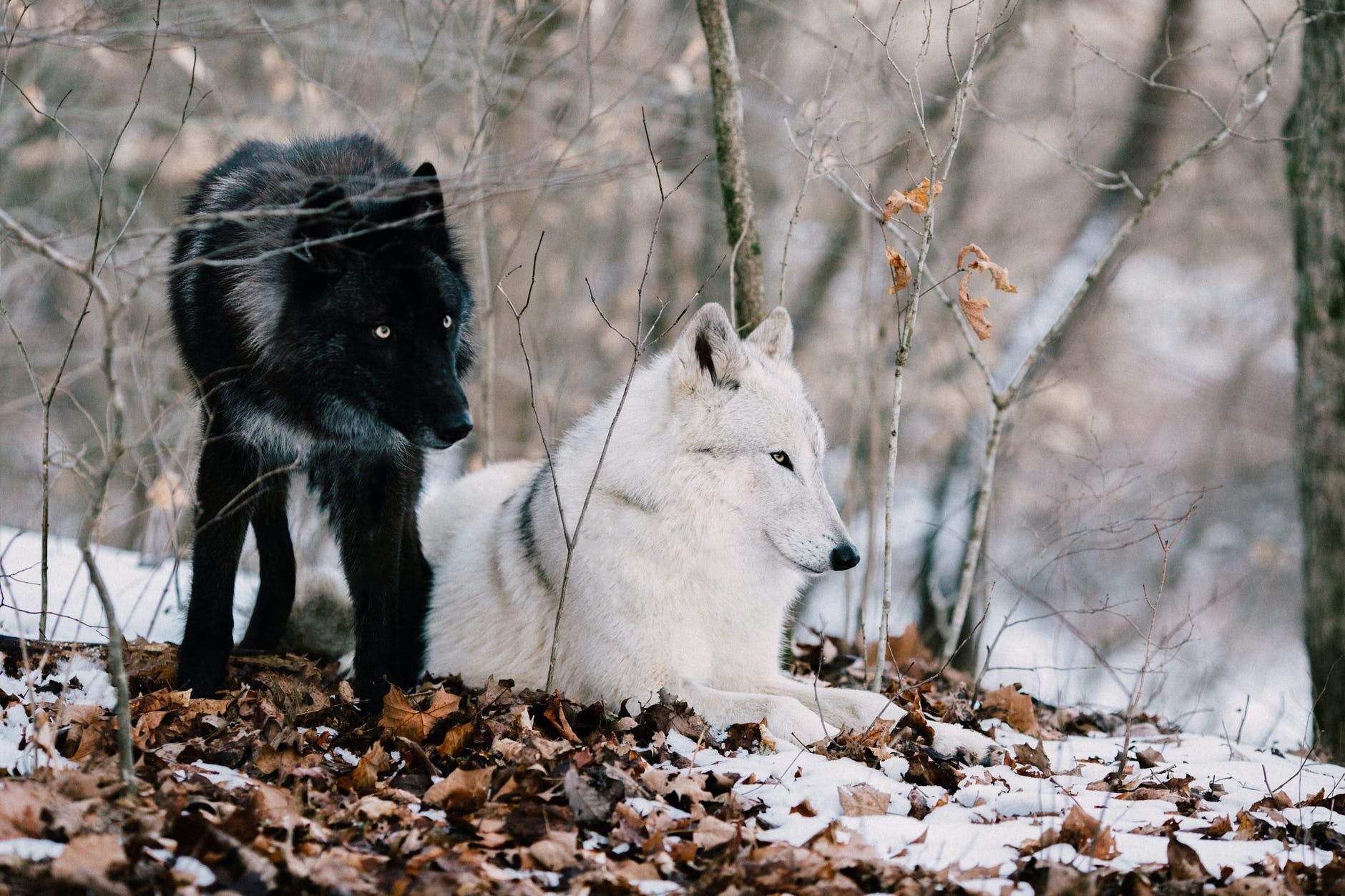
I would like to conclude with a short story, The Story of the Two Wolves.

“One evening, an old Indian grandfather tells his grandson the story of the two wolves.

In each of us coexist two wolves, constantly fighting. One is bad, angry, jealous, sad, greedy, arrogant, liar, feels superior to the other wolf.

The other wolf is kind, empathetic, generous, sincere, compassionate, cheerful, peaceful, serene, hopeful, and humble.

The grandson asks his grandfather: “Who wins between the two wolves?”

Grandpa simply answers, “The one you feed will be the winner.”

Which wolf do you give priority in your life?
white wolf on brown dried leaves
Wolves – Photo by Shelby Waltz on Pexels.com

L’ego é un amico?

Che cos’è l’ego veramente? È davvero negativo? Come fare per tenerlo sotto controllo? L’ego é un amico?

La parola ego deriva dal latino e significa “io”.

Definire l’ego é difficile perché non è visibile e si manifesta prevalentemente in modo negativo. È più facile riconoscere l’ego negli altri che in noi stessi.

L’ego a volte viene rappresentato da animali. La piovra, la sanguisuga, un parassita qualsiasi, il lupo o la tigre. Oppure lo si rappresenta con degli oggetti. Maschera, vestito, occhiali, cipolla, uovo o addirittura una malattia.

È un mistero e un paradosso allo stesso tempo. L’ego siamo noi ma non proprio. E’ un falso noi stessi, o uno pseudo noi. Non è l’intera personalità ma solo una parte di essa. Non è la nostra vera coscienza, ma una coscienza alterata, parziale e non obiettiva. Non rappresenta un vero bisogno, ma vuole farci apparire in un certo modo perfetti, vuole controllare tutto e avere sempre ragione. Non è reale, ma un’illusione, una conchiglia vuota, che si basa sulla paura, la separazione, la solitudine e l’essere contro. L’ego è una reazione aggressiva o difensiva. In realtà l’ego cerca di proteggerci dal mostrare le nostre vulnerabilità.

L’ego è negativo?

Per noi occidentali, l’ego è un male necessario con il quale bisogna convivere, non è così grave, anzi a volte può risultare utile o addirittura positivo. In realtà la civilizzazione occidentale fin dal 1623 si basa sull’ego grazie a Descartes.

Al contrario, per i maestri spirituali, la maggior parte orientali, l’ego non ha nulla di positivo, poiché è il contrario dell’amore, rappresenta la nostra parte oscura, il nostro Mr. Hyde, la nostra zona d’ombra.

L’ego è un falso amico, sembra che ci voglia bene ma in realtá ci limita, ci fa mancare di autenticità, di onestà, e di umanità. Per questo alcuni tratti del nostro carattere possono sfociare nell’egoismo, nell’egocentrismo, nel narcisismo, nell’individualismo, nell’avidità, nella possessività, nel materialismo, nell’avarizia, nella suscettibilità e perfino nella paranoia.

L’ego è il responsabile di quasi tutte le nostre emozioni negative, soprattutto l’odio. Ci spinge a difenderci, a giustificarci, a razionalizzare, a negare l’evidenza, e genera dei comportamenti infantili. Fuga, rifiuto, comunicazione negativa o distruttiva (come gli haters). Puó anche essere responsabile di relazioni tossiche, manipolazioni, molestie, violenza in senso lato.

Perché tenere sotto controllo l’ego?

A livello individuale tenere sotto controllo l’ego significherebbe essere più felici, avere una migliore salute fisica e mentale, più fiducia in se stessi, una migliore connessione con gli altri, più gioia, più armonia, più energia, e perfino più efficienza.

A livello collettivo, tenerlo sotto controllo, aiuterebbe la società a superare il razzismo, il sessismo, il nazionalismo, la dominazione, l’oppressione, lo sfruttamento, la delinquenza e perfino la guerra! Ci permetterebbe di vivere meglio insieme, di sviluppare un senso di fratellanza, uguaglianza, coesione, solidarietà, intesa e pace.

Come tenere sotto controllo l’ego?

E’ impossibile eliminare l’ego, perché fa parte a tutti gli effetti della nostra personalità. Quello che possiamo fare è cercare di limitarlo.

A livello sociale ci sono delle istituzioni come la famiglia e la scuola che sono deputate a questo ruolo. Altre istituzioni come la polizia e la giustizia, cercano di correggerlo.

Possiamo tentare di trasformare l’ego in un nostro alleato con tecniche di meditazione, praticando lo yoga, oppure utilizzando delle tecniche psicoterapeutiche che ci possono aiutare ad essere più attenti, coscienti, a diventare più collaborativi, a prestare ascolto, ad aiutare, perdonare, lasciar andare, creare, ridere e far ridere, amare.

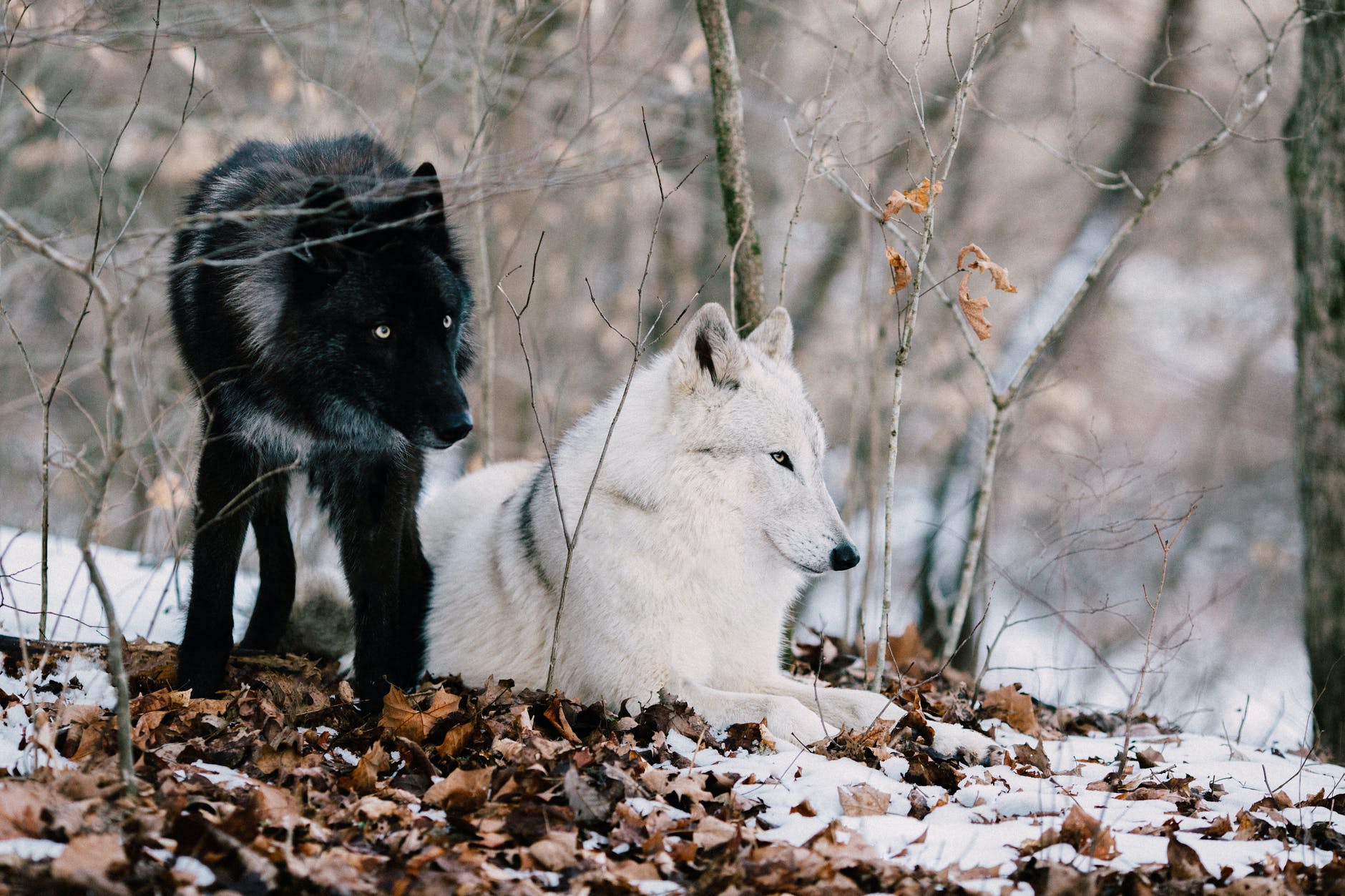
Vorrei concludere con una breve storia, La storia dei due lupi.

“Una sera, un vecchio nonno indiano racconta a suo nipote la storia dei due lupi.

In ciascuno di noi coesistono due lupi, che combattono costantemente. Uno è cattivo, collerico, geloso, triste, avido, arrogante, bugiardo, si sente superiore all’altro lupo.

L’altro lupo è gentile, empatico, generoso, sincero, compassionevole, allegro, pacifico, sereno, pieno di speranze, e umile.

Il nipote chiede al nonno: “Chi vince dei due lupi?”

Il nonno risponde semplicemente: “Quello che tu nutrirai”.

Tu, a quale lupo dai preferenza nella tua vita?

white wolf on brown dried leaves
Lupi – Photo by Shelby Waltz on Pexels.com