
Dinner Dilemmas and Nightmares: The Cheesy Conundrum

If you’re anything like me, you’ve probably heard the age-old advice to keep dinner light for a good night’s sleep. But how many of us actually follow it? I know I’ve been guilty of ignoring this wisdom, especially when a craving for something rich and creamy strikes. However, some interesting research suggests that what we eat for dinner might have a more significant impact on our dreams than we realize.

I recently read a study that suggests a link between night time dairy consumption and nightmares. Yes, you read that right—your beloved cheese platter at dinner could be haunting your dreams!

Researchers from MacEwan University in Canada surveyed 1,082 students over four months, delving into their eating habits, sleep patterns, and specifically, their nightmares. The findings were intriguing: there’s a strong association between nightmares and lactose intolerance.

Now, you might be thinking, “But I love cheese, and I don’t have any issues digesting it!” Well, here’s the thing: many people with lactose intolerance still consume dairy products, albeit in varying quantities. The intensity of their intolerance depends on how much lactase—the enzyme that digests lactose—their bodies produce.

When these individuals sleep, they might experience subtle, unconscious signals from their digestive system, such as bloating or cramps, after consuming dairy at dinner. These signals can manifest in their dreams, turning a peaceful night’s sleep into a nightmarish experience.

But it’s not just about the physical discomfort. The study also suggests that the emotional toll of these gastrointestinal symptoms—like anxiety and stress—can seep into our dreams. We all know that negative emotions experienced during the day can linger in our subconscious, affecting our dreams. So, it makes sense that digestive issues could have a similar impact.

Interestingly, the study didn’t find a link between gluten intolerance and nightmares. This could be due to the lower prevalence of gluten intolerance in the sample or because gluten affects the body differently. It’s a reminder that our bodies are complex, and what affects one person might not affect another in the same way.

Of course, this research raises more questions than it answers. Do we sleep poorly because of our dietary choices, or do we make poor dietary choices because we sleep poorly? It’s a classic chicken-and-egg scenario. The researchers acknowledge that more studies are needed, involving a diverse range of participants with different ages, backgrounds, and eating habits, to see if these findings hold true across the board.

In the meantime, what’s a cheese-loving, dream-seeking individual to do? Well, perhaps it’s worth experimenting with your dinner choices to see if cutting back on dairy makes a difference in your dream world.

So, next time you’re planning your dinner, think twice about the potential dream consequences. Your subconscious mind might thank you for it. And who knows? You might just wake up feeling more refreshed and ready to tackle the day, free from the lingering shadows of nightmares.

Have you ever noticed a connection between what you eat for dinner and how you dream? Share your experiences and tips in the comments below.


Thank you for reading! Please sign up for my blog crisbiecoach so you don’t miss out on any posts and also for Wise&Shine an incredible online magazine!

DreamJournal #WellnessJourney #DinnerIdeas #SleepWell #CheeseLovers #DigestiveHealth
The Incredible Power of the Microbiota

The human gut is home to a vast community of microorganisms, collectively known as the gut microbiota. This intricate ecosystem plays a pivotal role in various aspects of our health, from digestion to immunity and even mental well-being. Understanding and nurturing our microbiota can lead to significant health benefits.

What is the Gut Microbiota?

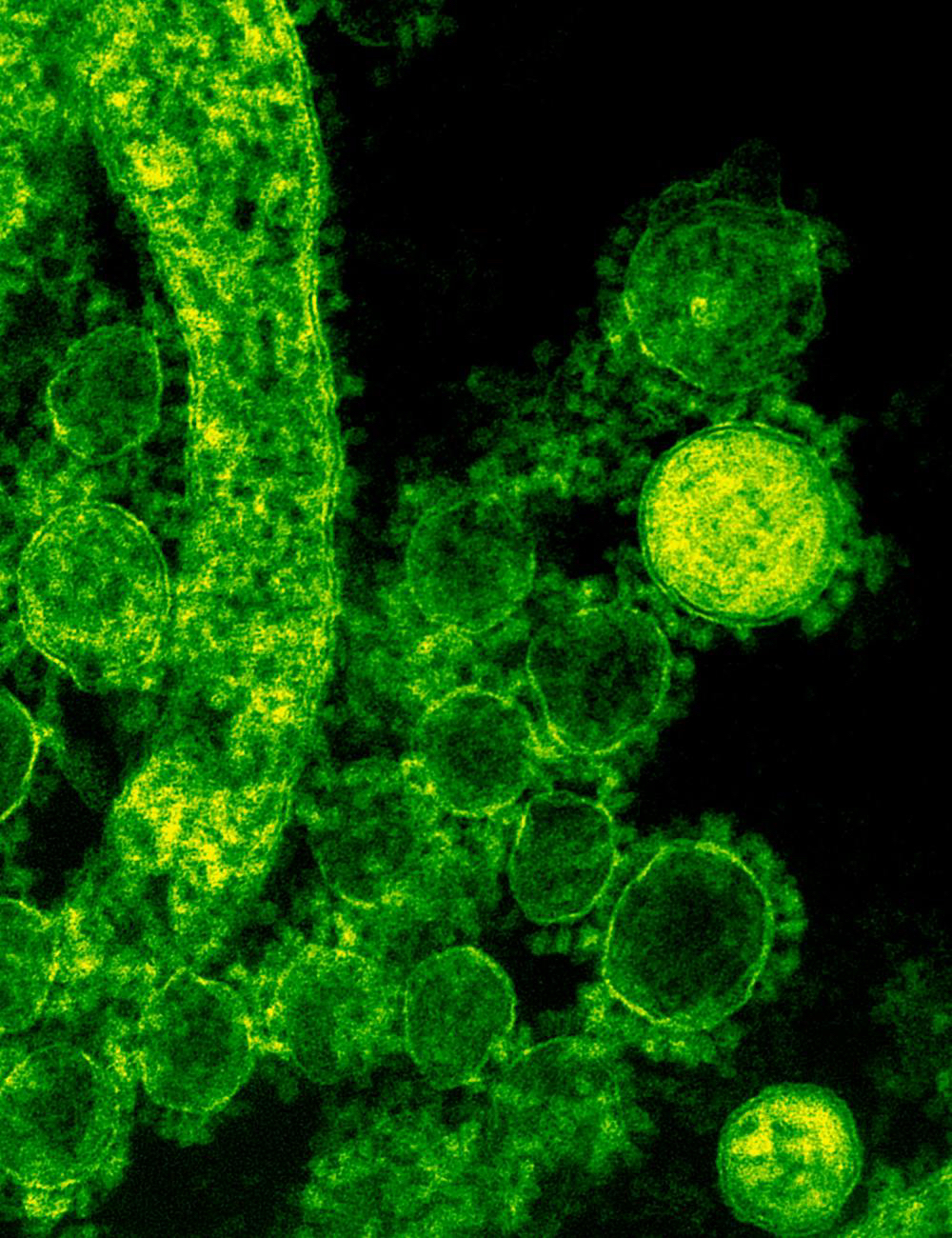
Imagine your body as a vast galaxy inhabited by trillions of microorganisms, including bacteria, viruses, and fungi. These tiny inhabitants form organized communities called microbiota, residing in various parts of the body: the nostrils, mouth, genitals, skin, and predominantly, the large intestine. Collectively, these microorganisms can weigh up to 2 kilograms! The gut microbiota, in particular, is a cornerstone of our health, housing hundreds of different species that perform essential functions.

The Importance of a Balanced Microbiota

A healthy microbiota is characterized by a diverse array of beneficial bacteria. This diversity is crucial in preventing “dysbiosis,” an imbalance that occurs when harmful bacteria outnumber the good ones or when microbial diversity diminishes. Such imbalances can lead to digestive issues like constipation, diarrhea, abdominal pain, and bloating. Over time, dysbiosis may increase the risk of chronic diseases, including diabetes, obesity, autoimmune disorders, cardiovascular diseases, and even certain neuropsychiatric conditions.

Factors Threatening Our Microbiota

Modern lifestyles pose several threats to the equilibrium of our microbiota:

  • Diet: Consumption of ultra-processed foods low in fiber but high in sugars and additives can harm beneficial bacteria.
  • Hygiene: Excessive hygiene practices may limit natural exposure to microorganisms, potentially reducing microbial diversity.
  • Antibiotics: Frequent and sometimes unnecessary use of antibiotics can indiscriminately kill both harmful and beneficial bacteria.

These factors can lead to a less diverse microbiota, especially in industrialized populations, making individuals more susceptible to health issues.

Formation and Evolution of the Microbiota

The establishment of our microbiota begins at birth. During natural childbirth, infants acquire their initial set of bacteria from the mother’s vaginal and intestinal microbiota. In contrast, babies born via cesarean section are colonized by bacteria from the hospital environment and parental skin. This initial bacterial colonization is crucial, as early settlers occupy prime niches, influencing the future balance of the infant’s microbiota.

The microbiota continues to evolve and diversify until the ages of 3 to 5, influenced by factors such as diet, hygiene, medications, environment, and genetics. Breastfeeding and the introduction of solid foods play pivotal roles during this period. Additionally, living environments, such as urban versus rural settings, and interactions with animals contribute to shaping a unique microbiota for each individual.

Impact on Weight, Metabolism, and Mental Health

The gut microbiota significantly influences how we store fat and regulate weight. It affects appetite, satiety, and even cravings for fatty or sugary foods. Moreover, the microbiota produces neurotransmitters like serotonin, often referred to as the “happiness hormone,” with 95% of it being produced in the gut. This gut-brain axis plays a role in mood regulation, stress levels, and may be linked to conditions such as anxiety and depression.

Strengthening the Immune System

A balanced microbiota is essential for a robust immune system. It helps white blood cells identify genuine threats, such as harmful viruses and bacteria, ensuring the immune system targets actual intruders without attacking beneficial bacteria or the body’s own cells.

Nurturing Your Microbiota

To maintain a healthy microbiota:

  • Diet: Consume a variety of fiber-rich fruits and vegetables to support beneficial bacteria.
  • Fermented Foods: Incorporate fermented foods like yogurt, kefir, sauerkraut, and kimchi, which introduce beneficial probiotics.
  • Limit Antibiotics: Use antibiotics only when necessary and as prescribed to prevent unnecessary disruption of the microbiota.

By understanding and caring for our gut microbiota, we can enhance digestion, bolster immunity, and improve overall well-being.

Thank you for reading! Please sign up for my blog crisbiecoach so you don’t miss out on any posts!