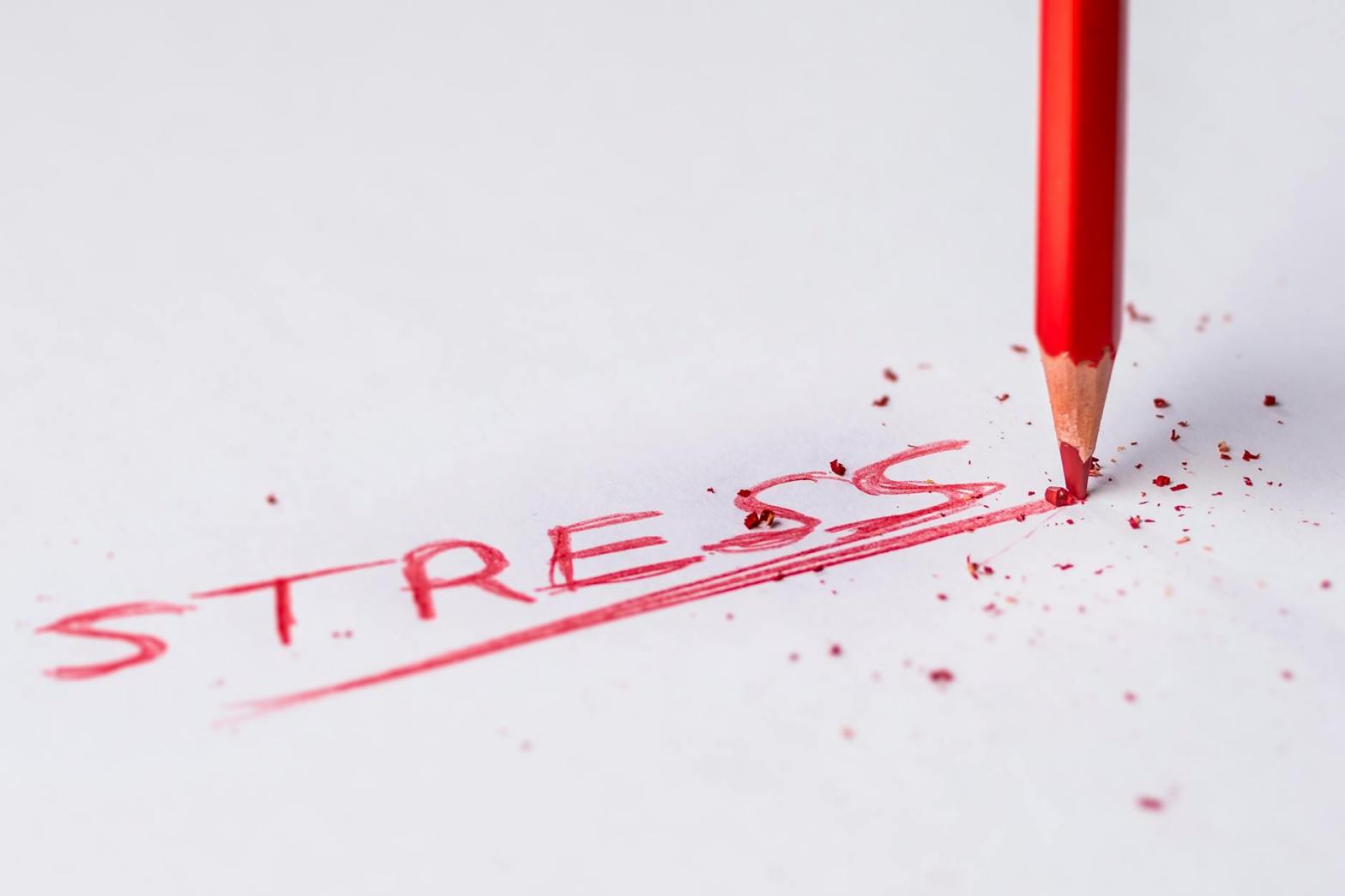
The Significance of Combatting Stress: Understanding Why and How

In our daily lives, the term “stress” likely finds its way into our vocabulary frequently. It’s a familiar sensation stemming from the multitude of commitments, looming deadlines, and the constant struggle to find time for ourselves.

Stress, in its various forms, manifests as a sense of unease, fatigue, and irritability, rendering us more susceptible to illness and less patient with both others and daily challenges. Yet, stress serves a vital purpose as an adaptive response ingrained within our evolutionary heritage.

Hans Selye, a pioneer in stress theory, viewed stress as the body’s adaptive mechanism to confront perceived threats. This response triggers the release of hormones like cortisol and adrenaline, fortifying muscles and heightening reactivity. Thus, stress, in essence, possesses not only positive attributes but also serves as a necessary survival mechanism for our species.

While our ancestors faced acute physical dangers, modern stressors predominantly stem from psychosocial sources such as work pressures, social dynamics, financial concerns, and overwhelming commitments. Unlike the fleeting threats encountered by primitive humans, contemporary stressors endure, necessitating prolonged recovery periods.

Recognizing the signs indicating that stress may be jeopardizing one’s health is crucial:

  • Sensitivity to stimuli like sound and light
  • Muscular tension and pain
  • Headaches
  • Sleep disturbances
  • Irregular heartbeats
  • High blood pressure
  • Digestive issues
  • Anxiety and depression
  • Irritability
  • Persistent fatigue

When circumstances prevent avoidance of stress, adopting proactive strategies becomes imperative. Engaging in regular physical activity, particularly aerobic exercises like brisk walking, swimming, or cycling, stands out as an effective stress reliever.

Practicing breathing techniques, such as diaphragmatic breathing and slowing the respiratory rate, offers another valuable tool in stress management. Additionally, activities like yoga, tai chi, and meditation, alongside the rising trend of mindfulness, enhance personal awareness and counteract stress.

Moreover, indulging in a soothing massage can elevate oxytocin levels, countering cortisol’s effects. Magnesium, a vital mineral often deficient in modern diets, serves as a potent anti-stress supplement when consumed as part of a balanced diet.

In combating stress, it’s essential to tailor strategies to individual needs and preferences.

What methods do you employ to combat stress in your life? Sharing experiences and insights can contribute to collective well-being and resilience against life’s pressures.

Why By Walking You Will Lose More Weight Than By Running

Regular physical activity is essential for a person’s well-being. It helps with relaxation, it fights stress, chases away fatigue and it is even effective with light depression. Many people opt for cardio training to burn fat and lose weight. However, these exercises do not aim to gain muscle mass but only to increase endurance. Walking is the real cure-all activity.

You may know that cardiovascular exercises can influence the functioning of the thyroid. This gland produces a hormone called T4 which, in combination with iodine, turns into the hormone T3. The latter stimulates the body’s metabolism.

Unfortunately, during the production of cortisol while you are running, the thyroid gland does not produce the hormone T4. Therefore, it disrupts the process of metabolism, weakens the body and reduces the ability to burn fat. Because of this, excessive cardiovascular exercise can reduce your muscle mass and metabolism and, as a consequence, lead to weight gain instead of weight loss.

When running, the body burns calories and muscle mass. Therefore, you don’t not get rid of fat but you produce cortisol, which gives a feeling of hunger because the body feels the need to recover the calories burned. Overweight people should avoid running as it could damage their knees and joints.

Walking doesn’t have the same effect as running when it comes to burning calories. Actually, you burn much less calories. However, this activity is much more beneficial because it produces cortisol in small amounts. Therefore, the feeling of hunger won’t take over as much as if you were running.

The physical activity of walking is well known for its benefits because you can get a lot of muscles to work (thighs, calves, buttocks, back, abdominal belt) and by that you may refine your silhouette. It draws on fat and muscle reserves gently. To have satisfactory results, you should walk at least 30 minutes a day. It is preferable to walk in places without traffic and not too polluted, such as beaches, parks or the forests.

This exercise is also recommended for people who suffer from heart disease because it tones the heart muscle. It is also recommended for diabetics and people suffering from osteoporosis. Moreover, by walking 30 minutes, you will burn about 125 calories. I know, it’s not a lot but day after day you will see good results.

As of today, will you start walking more?

Why You Are the Words You Use

The words you use can change your reality. Language actually generates changes in your brains and changes your perception of the environment around you.

Language is linked to emotions. Your words are constantly sending messages to your brain. According to neuroscientists Andrew Newberg and Mark Robert Waldman, negative words cause the increase of cortisol, the stress hormone. Therefore, adopting a negative attitude and using phrases like “I cannot do it”, “I will fail” or “it is impossible” could weaken your personal physical and mental health.

Nowadays, many techniques associated with changing the language to treat various psychological disorders are used. An example of this is the cognitive-behavioural therapy, which demonstrate that promoting positive thinking through the language used by the patient improves their mental state.

This therapy aims to replace patients’ negative views about themselves and their surroundings with more positive ones. The applied techniques have proven to be an effective treatment for disorders such as depression, phobias, addictions or anxiety, as the activity of the brain amygdala increases when you perceive a more prosperous future through positive words. On many occasions, these therapies have proven to be as effective as medicines.

Research has shown that the brain improves when you start using three to five positive expressions for each one negative. Language has a powerful ability to change your world. It affects you negatively when you use a poor, defeatist language but it also works the other way around, namely, when you use positive phrases they will help you change your perception of the world.

person doing thumbs up
Photo by Donald Tong on Pexels.com

Start adopting a series of simple but very effective techniques. For example, use “yet” instead of using only “not”. Saying “I cannot do it” is not the same as saying “I cannot do it yet“. “Yet” leaves the doors open, arouses hope, evokes motivation.

You should not use “but” or, at least, you should build your phrases differently. “But” does not have the same effect when you say, “You did a good job, but you gave it to me late” compared to when you say, “You gave it to me late, but you did a good job.”

Tenses also give you a great opportunity to change your emotions. Instead of using the conditional, try using the future. You change a hypothetical scenario for a true one. It is not the same as saying: “When I write a book, I would speak of happiness” rather than “When I write a book, I will speak of happiness”. Doubt lives in the conditional, certainty in the future.

At the same time, you should avoid words like failure, problem, impossible or guilt in your language and replace them by more inspiring words like challenge or responsibility. The latter not only pushes you to grow and open more doors, but also makes you interact better with others.

Words are not harmless. They can build or tear down walls. By changing your language, you will improve your image, as language is a way to reach others. Remember that the words you use also improve the environment around you.

What do you think about the language you use with others?

key with trinket in shabby door
Photo by Andrea Piacquadio on Pexels.com

How and Why Fighting Your Stress Is Important

I’m sure you use the word stress often throughout your day.

We all feel a little stressed due to the multiple commitments we have, pending deadlines, and lack of time to dedicate to ourselves.

The common denominator of all forms of stress is a feeling of malaise, fatigue, irritability that makes us more fragile with illness and less tolerant of others and of daily problems.

Actually stress is an adaptive response that has allowed our species to survive throughout its evolution.

Hans Seyle, the first theorist of stress, conceived it as an adaptive response that the body puts into force to overcome all the situations that its alarm systems deem dangerous.

The stress reaction is indeed characterized by the secretion of hormones such as cortisol and adrenaline which make the muscles stronger and the person more reactive. In this sense, stress has a value that is not only positive but also necessary for the survival of the species.

Primitive men had to face dangers that were of a short duration. While they were hunting, for example, they might encounter an animal and had to decide whether to run away or face it (have you ever heard of the “fight or flight” response?), but once they made up their mind and acted accordingly, they had plenty of time to recover.

Photo by Crawford Jolly on Unsplash

In the contemporary age, we too have this type of reaction when facing what, on a conscious or unconscious level, we perceive as dangerous (stressor). But today’s stressors are definitely different from those our ancestors faced. Modern stressors are psychosocial and no longer physical. It’s about the work environment, social relationships, financial worries, the huge amount of commitments we have and the limited time to complete them. Above all, these stressors are not momentary but can persist for a long time and consequently we need more time to recover.

Look at these signs that may indicate that stress is becoming a threat to your health:

  1. Discomfort with sounds and lights
  2. Muscle pains, contractures and cramps
  3. Headache
  4. Sleeping Disorders
  5. Cardiac arrhythmia
  6. Hypertension
  7. Digestive difficulties
  8. Anxiety
  9. Depression
  10. Irritability
  11. General fatigue

What can you do concretely to combat stress, when the conditions in which you find yourself do not allow you to avoid it?

Physical activity, especially aerobic, such as brisk walking, swimming and cycling, is undoubtedly one of the best remedies for stress.

Breathing control, like getting used to using the diaphragm and slowing the respiratory rate, is another useful tool against stress.

Other activities may be: yoga, tai chi and meditation. In recent years, mindfulness has become popular. Mindfulness, by increasing the level of personal awareness, carries out an anti-stress action.

Obviously, a good massage that helps you increase the level of oxytocin, a hormone capable of counteracting cortisol, is certainly effective.

As regards food supplement, magnesium is the anti-stress mineral for excellence, also because we are chronically deficient. Remember that a supplement is such because it must be complementary to a healthy diet. Therefore, remember to eat well!

What about you? What are the solutions you adopt to fight your stress?

Photo by Sharon Wright on Unsplash