The Myth of Sisyphus

The stories of mythology, like the Myth of Sisyphus, allow us to understand universal intellectual concepts. The myth of Sisyphus is part of it because it is the story of a man punished by the gods, condemned to roll a huge rock to the top of a mountain. However, once he reaches his goal, he falls back and serves his sentence perpetuating this cycle of the absurd.

Why does Sisyphus have to push a boulder from the base to the top of  a mountain but every time it reaches the top, the boulder then rolls back to the base of the mountain, and this for eternity?

Guilty of numerous misdeeds but above all of having repeatedly deceived Zeus, Sisyphus is locked up in Hades and condemned to an eternal effort. He shall transport a boulder over a mountain that inexorably falls down as soon as it touches the top.

In fact, Sisyphus’ punishment will end up becoming the symbol of any useless action, destined to be thwarted as soon as it is accomplished.

Moreover, the allegory of the Sisyphus myth can also illustrate the condition of men blinded by their own stubbornness. Persuaded to act correctly, they can sometimes close themselves in an endless spiral that will eventually condemn them.

Therefore, when we are blind to the lessons that life teaches us, we can be our own obstacle to change.

However, mistakes often offer us opportunities “A person who does not fail has never tried anything new”. This quote from scientist Albert Einstein perfectly expresses the indispensable nature of these vectors of change. 

On the other hand, these “negative attitudes” are exactly what we need at a point in time before we realize that this state of mind no longer suits us.

In addition, we shall start questioning ourselves, to be able to make the adjustments that may help us meet our expectations.

When we become aware that our mistakes are not obstacles but opportunities to learn, then we start the path towards the achievement of the dreams of our life. We open our eyes and grow. 

Moreover, this is what leads us to enter within our true self and its never-ending mutations. Pushing ourselves into its entrenchments and the emotions they provoke in us allows us to access our real state of existence and we move away from our old habits.

What is the main obstacle in your life towards towards the achievement of your dreams?

How the Pandemic Has Changed Our Lives

It is undeniable that the restrictions imposed by the ongoing pandemic have drastically changed our habits and our lifestyle. There is no doubt that the stress produced by uncertainty, prohibitions and lockdowns, whether partial or total, have prompted us to search for distractions that can give us some relief. As Ovid said, human beings seek what is forbidden and desire what is denied them.

There is a thread that links excessive behaviors (drinking too much, smoking too much, overeating, spending too much time on the computer or watching television) to stress.

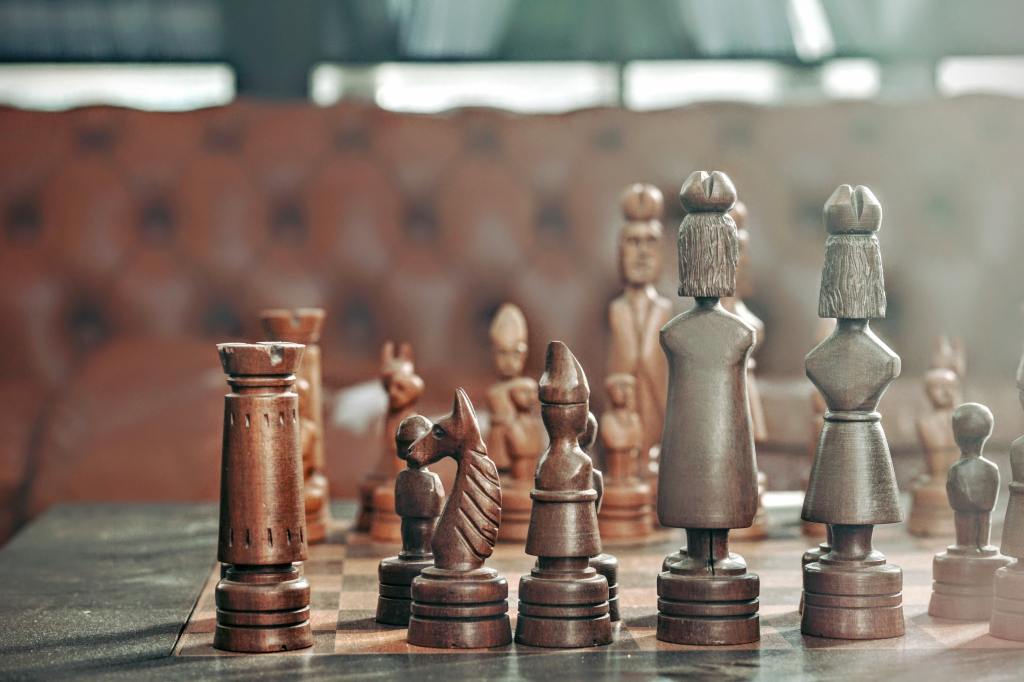
Photo by Christin Hume on Unsplash

Clearly, the pandemic puts our desires on hold and it is normal to wish for what cannot be done. Only when we go back to a more or less normal life and our desires will be satisfied, our lives will be brighter. The pursuit of pleasure is an absolutely human behaviour, there is nothing to worry about.

Our brain identifies and reinforces beneficial behaviours such as eating well, socializing, having fun. This complex reward circuit that generates pleasure is the result of the evolution that guarantees our survival, that orients us in daily life and that keeps us going on. The more we can produce dopamine (the pleasure and reward hormone), the more we can generate pleasant sensations in a natural way. As a consequence, we would not need to adopt excessive behaviours that can lead to addictions.

However, the situation we have been experiencing for about a year has affected and affects motivation and self-control. We are no longer able to generate pleasant sensations and situations naturally and we have to look for different means to improve our life condition. The sudden lack of dopamine results in a short circuit of pleasant sensations which then pushes us to seek pleasure in another way.

It is important to be careful that these behaviours do not turn into addictions. Luckily, few people drive themselves to the point of becoming addicted to new harmful habits.

To prevent addiction it is necessary to put in place strategies that favour self-control, especially anti-stress strategies. Practising physical exercise, walking in the nature, trying not to isolate yourself but to maintain contact even remotely, are just some suggestions.

Do you have any anti-stress strategies? Let me know!

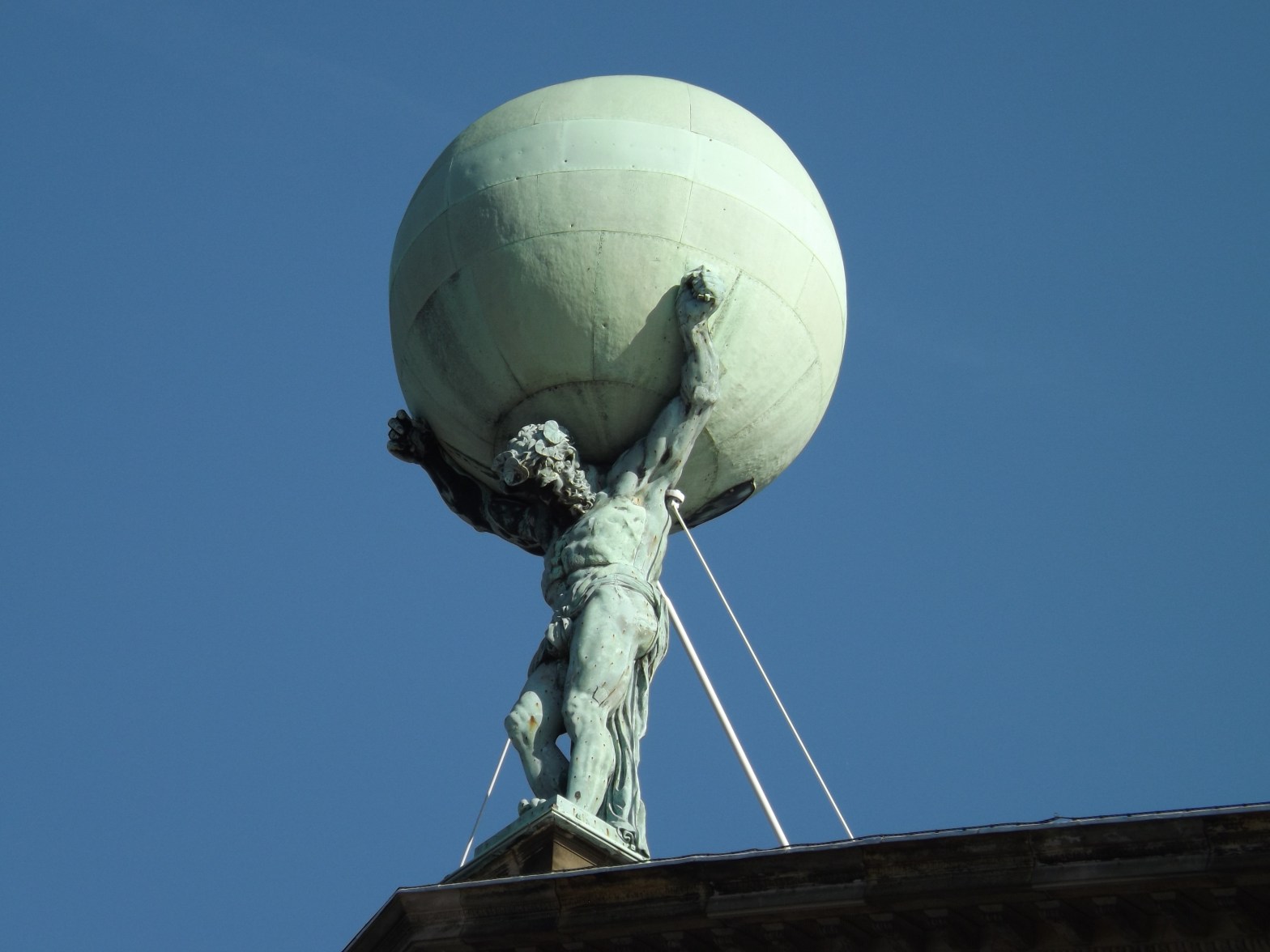
Photo by Maarten van den Heuvel on Unsplash